.webp&w=384&q=75)

Loading, please wait...
Loading, please wait...
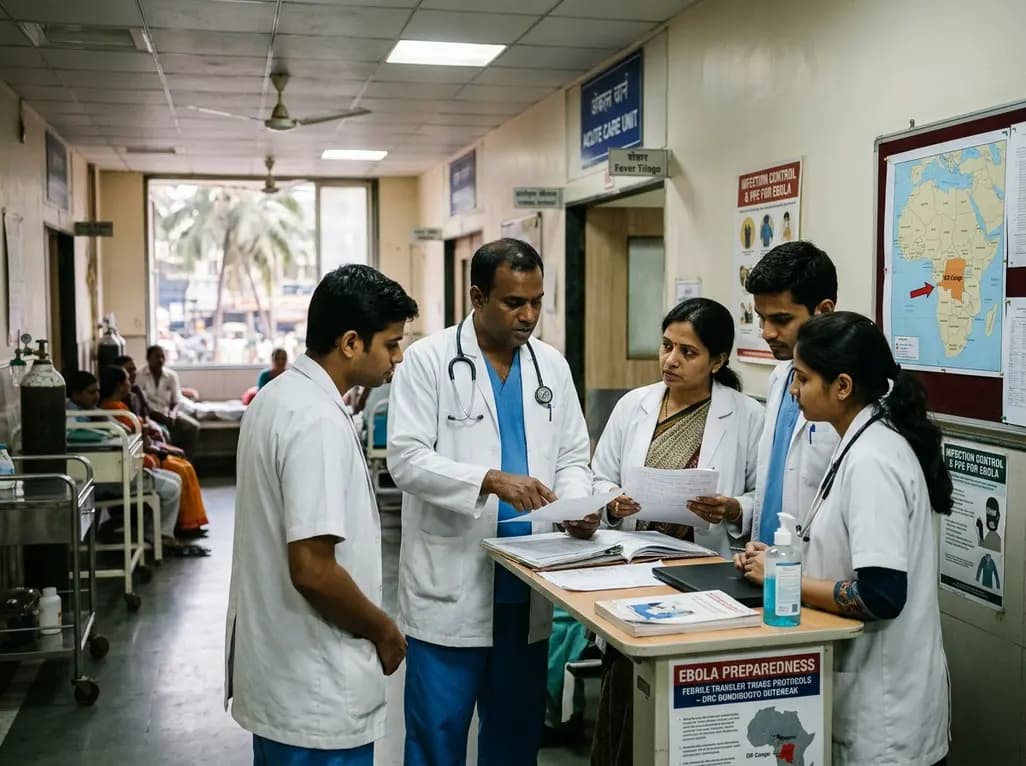
Health authorities in the Democratic Republic of Congo have reported that confirmed infections in the ongoing Bundibugyo Ebola outbreak have surpassed 5,000 cases. Consequently, this surge represents the country's seventeenth Ebola epidemic and its largest to date in terms of recorded case volume. Over 2,378 deaths have already been documented across affected regions. Thus, this crisis has become the second-worst filovirus event recorded globally, surpassed only by the 2014–2016 West African epidemic. Clinicians worldwide, including practitioners in primary care and emergency medicine, must recognize the clinical implications of this surge. Although geographic transmission remains concentrated in Central Africa, global travel connectivity necessitates heightened clinical vigilance. Healthcare providers should understand the disease course, diagnostic pathways, and biosafety protocols required to manage suspect viral hemorrhagic fever presentations.
The filovirus family contains several distinct species within the Orthoebolavirus genus, including Zaire, Sudan, and Bundibugyo. Notably, the current crisis is driven specifically by Bundibugyo ebolavirus. This viral species was first identified in 2007 during an outbreak in western Uganda. Historically, Bundibugyo virus exhibits a case fatality rate ranging between 25% and 40%, which is comparatively lower than the 60% to 90% fatality seen with Zaire ebolavirus. However, its clinical severity remains profound. A critical therapeutic barrier is that existing monoclonal antibody therapies, such as ansuvimab and atoltivimab-maftivimab-odesivimab, target only the Zaire species glycoprotein. Therefore, these approved therapeutics offer no proven efficacy against Bundibugyo. Similarly, the licensed ERVEBO vaccine does not confer cross-protective immunity against this species. Consequently, clinical management relies entirely on rapid detection, isolation, and aggressive supportive medical care.
Patients infected with Bundibugyo ebolavirus present with an incubation period extending from 2 to 21 days, though symptoms typically manifest within 8 to 10 days post-exposure. Initial clinical manifestations resemble common acute febrile illnesses, presenting as a 'dry phase' characterized by abrupt fever, intense myalgia, profound fatigue, and headache. Consequently, initial differential diagnoses frequently include malaria, typhoid fever, dengue, and leptospirosis. Subsequently, around day four to five of illness, patients transition into a severe 'wet phase' marked by profound gastrointestinal involvement. Symptoms include copious watery diarrhea, recurrent vomiting, and severe abdominal cramping. Furthermore, massive fluid shifts trigger severe electrolyte derangements, metabolic acidosis, and hypovolemic shock. Frank hemorrhagic manifestations, such as melena, hematemesis, or puncture site oozing, occur in a subset of critical patients rather than all cases.
Effective containment hinges on early triage and high index of suspicion during initial consultations. When evaluating patients presenting with unexplained acute fever and gastrointestinal symptoms, clinicians must obtain a comprehensive 21-day travel history. If a history of travel to endemic or outbreak areas is identified, medical teams must enact immediate source control. The patient should be isolated promptly in a negative-pressure or designated single isolation room before extensive physical examination. Molecular testing via reverse transcription-polymerase chain reaction (RT-PCR) serves as the diagnostic gold standard for confirming viral RNA in venous blood specimens. Because laboratory specimens represent an extreme biohazard, personnel must process them under stringent biosafety containment. In addition, rapid antigen detection assays and enzyme-linked immunosorbent assays provide supplementary diagnostic confirmation in reference laboratories.
Because species-specific antivirals are unavailable for Bundibugyo ebolavirus, optimized supportive care forms the cornerstone of clinical management. Aggressive, early fluid resuscitation is vital to counterbalance profound volume loss caused by vomiting and secretory diarrhea. Clinicians must administer balanced crystalloids while carefully monitoring fluid balance, urine output, and central venous perfusion. In addition, frequent laboratory monitoring helps identify and correct life-threatening hypokalemia, hypomagnesemia, and metabolic acidosis. Empirical antimicrobial therapy, including antimalarials and broad-spectrum intravenous antibiotics, is recommended to treat potential coinfections and secondary bacterial translocation across damaged intestinal mucosa. Furthermore, multimodal symptom relief using antiemetics, analgesics, and nutritional support substantially reduces patient mortality and accelerates recovery.
Healthcare-associated transmission remains one of the primary drivers of filovirus dissemination during major epidemics. Therefore, healthcare workers must strictly adhere to comprehensive infection prevention and control guidelines. Direct contact with infected blood, bodily fluids, vomitus, or contaminated surfaces presents the greatest transmission risk. Healthcare personnel managing suspect or confirmed cases must utilize full personal protective equipment (PPE), including fluid-impermeable coveralls, double gloving, respirators or face shields, and impermeable boots. Structured donning and doffing procedures with dedicated observers are mandatory to prevent accidental self-contamination. Moreover, dedicated patient care equipment, standardized environmental disinfection using chlorine-based solutions, and strict medical waste management are essential to prevent hospital-acquired transmission.
Q1: Why are approved Ebola vaccines ineffective against this current outbreak?
Approved vaccines like ERVEBO were engineered specifically against the surface glycoprotein of Zaire ebolavirus. Because the Bundibugyo species possesses significant genetic and structural divergences in its envelope glycoproteins, existing vaccines fail to elicit neutralizing immune responses against it. Therefore, containment currently depends on rapid case isolation, rigorous contact tracing, and supportive critical care rather than ring vaccination.
Q2: How does Bundibugyo ebolavirus transmission occur between individuals?
Transmission occurs through direct contact with broken skin or mucous membranes and infected blood, secretions, organs, or bodily fluids. Indirect transmission can also occur through surfaces and clothing contaminated with infectious fluids. Casual airborne transmission does not occur. However, family caregivers and healthcare personnel face high exposure risks when providing close, unprotected supportive care to symptomatic patients.
Q3: What immediate actions should a clinician take when identifying a suspected case?
The clinician should immediately isolate the patient in a single room with dedicated sanitary facilities. All staff entering the room must wear complete personal protective equipment. Furthermore, the clinical team must notify local and national public health surveillance authorities right away. Blood samples must be packaged using certified triple packaging systems for transport to designated high-containment diagnostic laboratories.
Disclaimer: This content is for informational and educational purposes only. It does not constitute medical advice or replace professional judgment. Refer to the latest local and national guidelines for clinical practice.
References

Read summarized clinical updates, watch expert medical content, and earn CME certifications right from your smartphone.
Open your smartphone camera to scan and install.





Ebola cases in the Democratic Republic of Congo have surpassed 5,000, driven by the Bundibugyo species. Discover crucial insights into clinical presentation, diagnostic triage, optimized supportive care, and infection prevention protocols essential for healthcare professionals evaluating febrile travelers.
last month
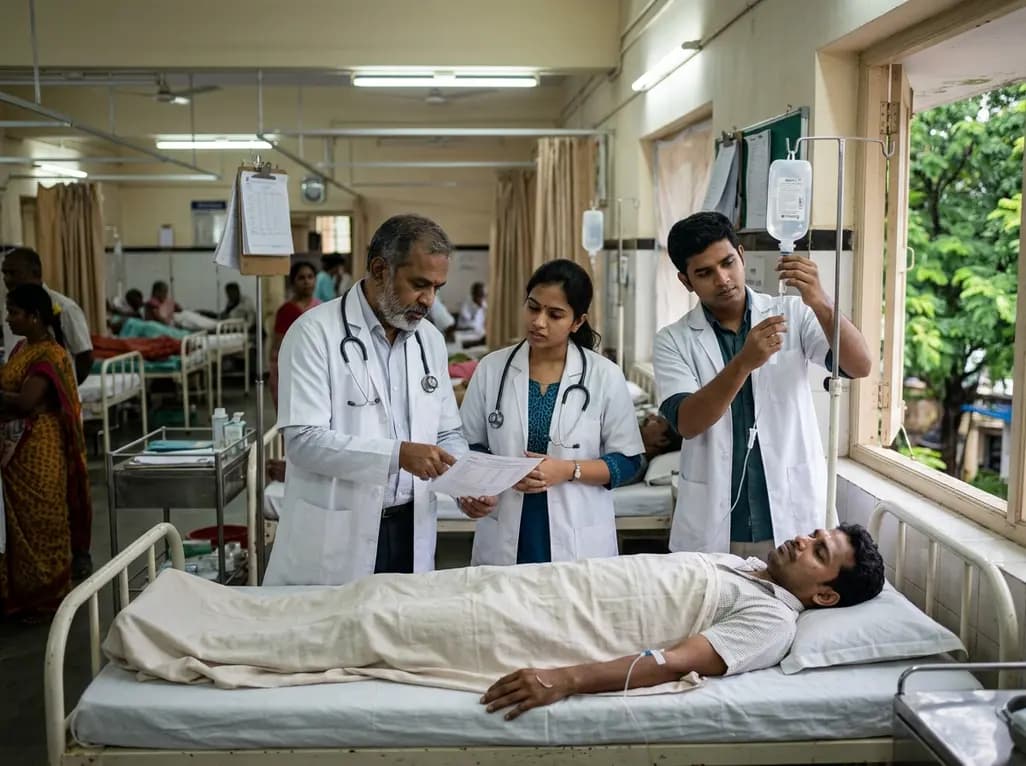
With post-monsoon dengue surges threatening South Asian health systems, physicians must refine triage and management. This guide covers vital warning signs, plasma leakage detection, crystalloid titration, and vector containment strategies to prevent mortality during seasonal arboviral epidemics.
Today

Findings from Project Viva indicate that sustained postpartum weight retention, rather than excessive gestational weight gain alone, directly worsens women's mid-life cardiovascular health, degrading blood pressure and glycemic parameters decades after delivery.
Today
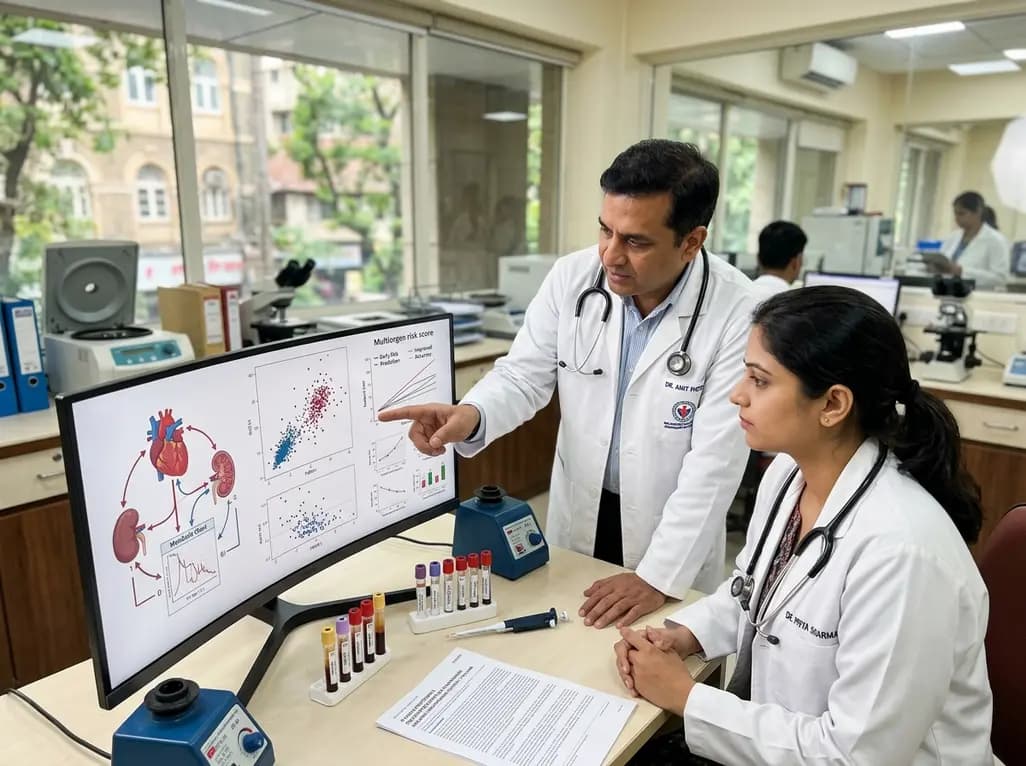
A large UK Biobank study reveals that plasma proteomic signatures capture preclinical organ damage and improve multiorgan risk prediction across early CKM syndrome stages 0 to 2 beyond traditional PREVENT clinical models.
Today
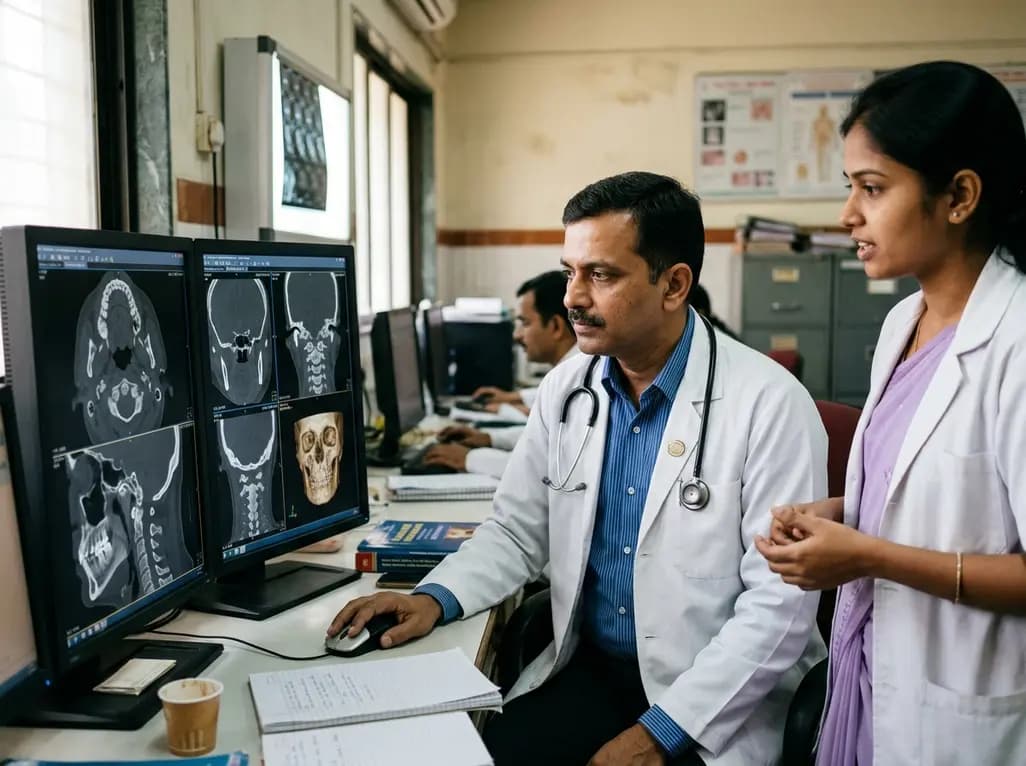
A retrospective CBCT study reveals that superior TMJ space asymmetry correlates moderately with occipital condyle-atlas-axis asymmetry in unilateral TMJ osteoarthritis, highlighting an imaging correlate between jaw biomechanics and upper cervical alignment rather than a standalone diagnostic marker.
Today
A Bayesian multilevel meta-analysis reveals that aerobic training combined with moderate carbohydrate restriction modestly lowers HbA1c in type 2 diabetes. However, sparse data and very low certainty leave incremental benefits over exercise or diet alone unproven, highlighting the need for individualized care.
Today
