.webp&w=384&q=75)

Loading, please wait...
Loading, please wait...
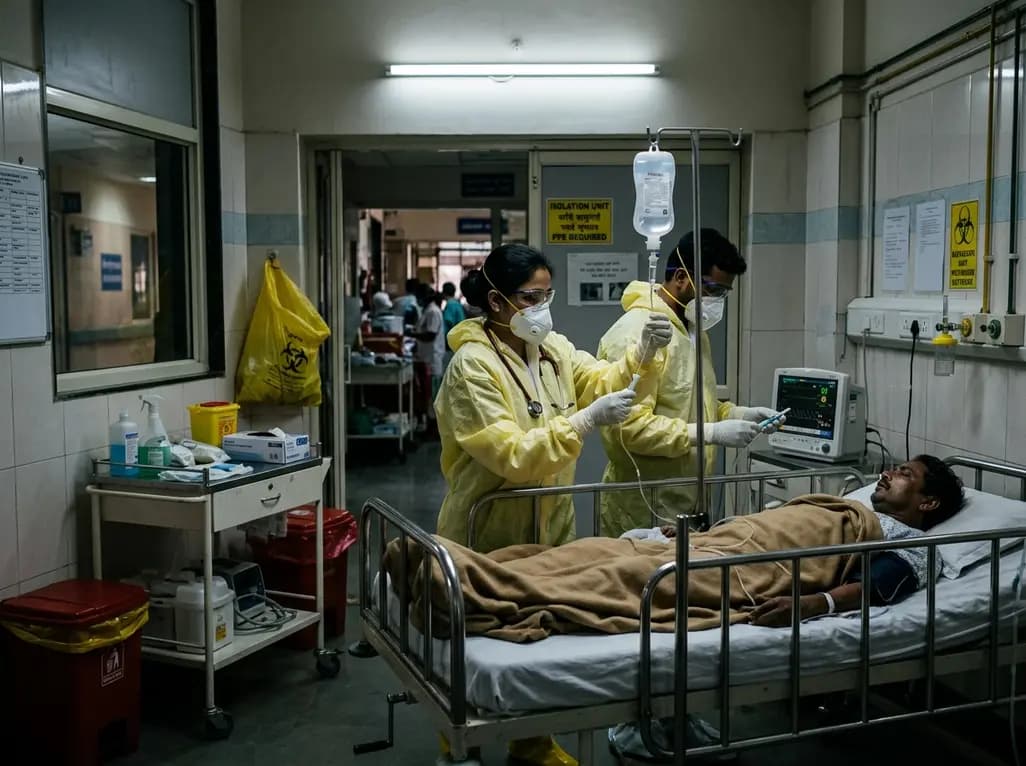
The ongoing Bundibugyo Ebola outbreak in the Democratic Republic of Congo has emerged as an unprecedented public health crisis. Recently reported epidemiological figures indicate that this surge has officially surpassed previous historical records in mortality. Consequently, global healthcare agencies and clinicians must understand the clinical dynamics of this escalating situation. Although healthcare systems in Central Africa have combated filovirus diseases for decades, this specific event presents distinct clinical and operational challenges. Therefore, medical professionals worldwide must stay vigilant regarding clinical presentations, rapid triage protocols, and supportive therapeutic interventions.
Public health records from the Democratic Republic of Congo reveal staggering casualty numbers. As of mid-August 2026, confirmed infections have climbed beyond 4,900 cases, with fatalities exceeding 2,320 individuals. Consequently, this outbreak represents the seventeenth documented Ebola event in the country and its deadliest encounter to date. Historically, the 2018 to 2020 outbreak held the previous national record with 2,299 deaths. However, the current surge reached tragic milestones at an unprecedented pace. For instance, the virus caused over 2,000 fatalities in less than three months. In contrast, during the 2014 West African epidemic, reaching 1,000 deaths required almost five months. Furthermore, cross-border transmission briefly affected neighbouring Uganda before rapid containment efforts halted secondary spread. Nevertheless, within Congo, ongoing civil instability, strained infrastructure, and community hesitation continue to hamper surveillance teams. Epidemiologists emphasize that these systemic barriers accelerate transmission chains in both rural and urban settlements.
Orthoebolavirus species exhibit notable genetic and antigenic differences that influence clinical management. Specifically, the Bundibugyo species serves as the primary causative pathogen for this current outbreak. Unlike the more common Zaire ebolavirus, the Bundibugyo strain lacks approved vaccines and monoclonal antibody therapies. Licensed countermeasures like Ervebo and mAb114 offer no proven cross-protection against this particular species. Consequently, clinicians cannot deploy ring vaccination campaigns that previously controlled Zaire outbreaks. Animal models show variable immune responses, but robust clinical human efficacy data remain scarce. Therefore, medical teams must rely exclusively on universal precautions and empirical supportive protocols. In addition, filoviruses maintain high stability in physiological fluids, increasing secondary transmission risks during close personal contact. The pathogen enters host cells via specific endosomal pathways, causing widespread endothelial damage and systemic inflammation. Thus, understanding these virological nuances enables healthcare providers to appreciate the severe limitations of our existing medical countermeasures.
Recognizing filovirus disease early during an infection remains an immense clinical challenge. Patients typically present after an incubation period ranging from two to twenty-one days. Initial symptoms mimic common tropical endemic diseases such as malaria, typhoid fever, and acute viral gastroenteritis. Specifically, patients develop abrupt high fevers, severe malaise, diffuse myalgias, and debilitating cephalalgia. Subsequently, gastrointestinal symptoms dominate the clinical picture, including profuse watery diarrhea, persistent vomiting, and severe abdominal pain. In advanced stages, vascular permeability increases markedly, leading to hypovolemic shock, multiorgan failure, and occasionally overt hemorrhages. However, passive capillary leakage and dehydration cause far more fatalities than frank bleeding. Diagnostic confirmation requires reverse transcriptase polymerase chain reaction assays performed under stringent biosafety level conditions. Therefore, physicians evaluating febrile travelers returning from affected regions must maintain a high index of suspicion. Rapid isolation and prompt laboratory testing prevent catastrophic nosocomial exposure in emergency departments.
Epidemiological tracking demonstrates a dramatic rise in the observed case fatality ratio over recent months. Early in the outbreak, mortality rates hovered around twenty percent, but recent estimates exceed forty-six percent. Public health specialists clarify that this elevation does not indicate an increase in viral biological lethality. Instead, it reflects critical shortcomings in case detection, active surveillance, and healthcare access. In a typical outbreak response, improved contact tracing identifies patients earlier, which progressively reduces the case fatality ratio. Unfortunately, community distrust and security bottlenecks currently delay hospital arrivals until terminal stages. Consequently, many infected individuals die at home before receiving medical attention, creating unrecognized exposure chains. When patients finally present to treatment centers with severe electrolyte collapse, therapeutic interventions rarely succeed. Thus, bridging community trust and strengthening decentralized screening remain imperative steps to reverse these alarming mortality trends.
Because targeted antiviral agents remain unapproved for Bundibugyo ebolavirus, aggressive supportive care forms the cornerstone of survival. Clinical protocols emphasize early, volume-guided fluid resuscitation to counteract massive gastrointestinal losses. Healthcare providers must administer balanced crystalloid intravenous solutions while monitoring hemodynamic parameters and urine output. Furthermore, aggressive correction of profound electrolyte abnormalities, such as hypokalemia and hypomagnesemia, prevents fatal cardiac dysrhythmias. Clinicians should also provide empirical antimalarial therapy and broad-spectrum antibiotics to treat potential co-infections. Meanwhile, researchers are accelerating the evaluation of experimental vaccine candidates and antiviral compounds under emergency clinical trial frameworks. In addition, investigator-led clinical trials explore whether novel small-molecule inhibitors exhibit pan-filovirus activity. Nevertheless, clinicians must recognize that meticulous physiological monitoring and continuous organ support save the greatest proportion of patient lives.
Preventing healthcare-associated transmission is essential to contain viral hemorrhagic fevers effectively. The virus spreads through direct mucosal or non-intact skin contact with infectious blood, vomitus, feces, and bodily fluids. Therefore, medical personnel must adhere strictly to comprehensive personal protective equipment protocols, including fluid-resistant coveralls, double gloving, and eye shields. In addition, safe burial teams must manage deceased individuals respectfully while minimizing physical handling. At international borders and transit hubs, health authorities are reinforcing thermal screening and detailed travel history questionnaires. Clinicians in non-endemic countries, including India, must routinely obtain recent international travel histories for any patient presenting with unexplained acute febrile illness. Furthermore, hospital administrators must establish designated isolation pathways to manage suspected cases safely without interrupting routine emergency services. Robust global vigilance ultimately protects both local communities and international healthcare systems from broader viral transmission.
Q1: Why is the Bundibugyo Ebola outbreak associated with a high case fatality rate?
The high case fatality rate stems primarily from delayed clinical presentation, weak surveillance, and remote community access rather than increased viral virulence. When patients arrive late at treatment facilities, severe dehydration and electrolyte derangements have already established irreversible multiorgan damage. Additionally, the lack of approved vaccines or targeted antiviral therapies for the Bundibugyo species limits therapeutic options strictly to supportive medical management.
Q2: How does the Bundibugyo species differ from other ebolaviruses?
Bundibugyo ebolavirus is one of several distinct filovirus species causing viral hemorrhagic fever in humans. Unlike the Zaire ebolavirus, for which regulatory bodies have approved effective vaccines and monoclonal antibodies, Bundibugyo currently lacks licensed targeted medical countermeasures. While it historically demonstrated lower case fatality rates than Zaire ebolavirus, delays in supportive clinical care can still lead to substantial mortality exceeding forty percent.
Q3: What initial infection control measures should healthcare providers implement for suspected cases?
Clinicians must immediately isolate any suspected patient in a dedicated single room with private sanitary facilities. Healthcare personnel must don full personal protective equipment, including impermeable gowns or coveralls, respirators or masks with face shields, and double gloves before any physical contact. Furthermore, staff must restrict invasive procedures, utilize dedicated medical equipment, and immediately notify local public health surveillance authorities.
Disclaimer: This content is for informational and educational purposes only. It does not constitute medical advice or replace professional judgment. Refer to the latest local and national guidelines for clinical practice.
References

Read summarized clinical updates, watch expert medical content, and earn CME certifications right from your smartphone.
Open your smartphone camera to scan and install.





The latest Ebola surge in the Democratic Republic of Congo has become the deadliest in national history. Driven by the rare Bundibugyo species without approved vaccines, clinicians must prioritize rapid diagnosis, strict infection control, and intensive supportive rehydration to reduce rising case fatality rates.
last month
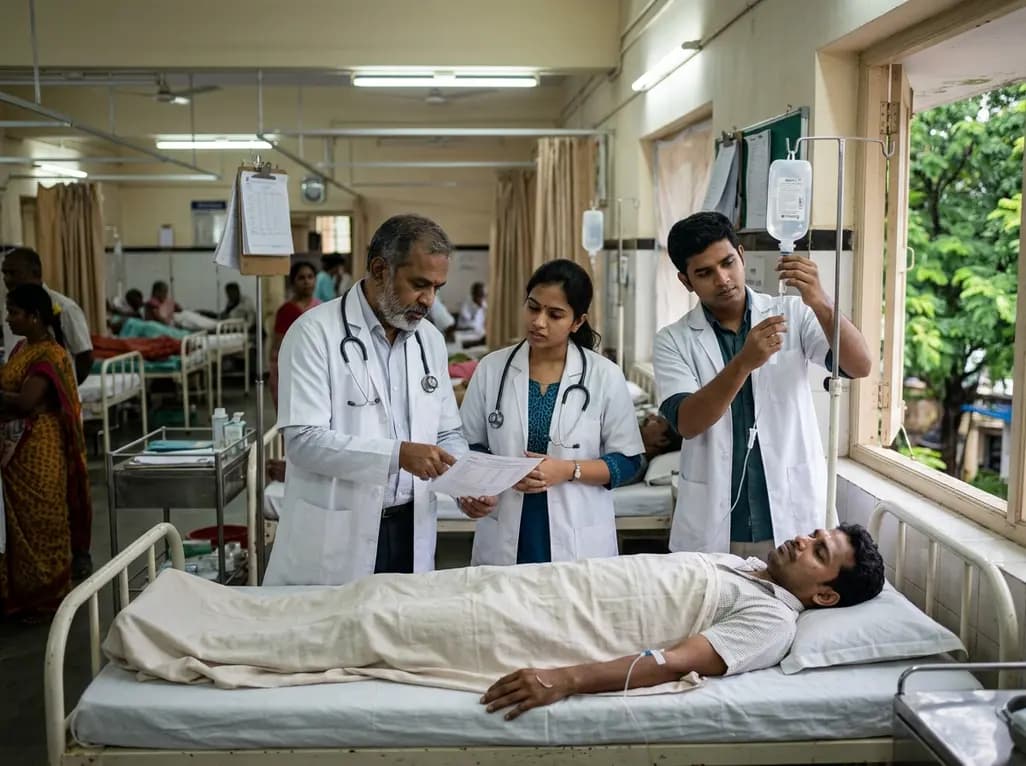
With post-monsoon dengue surges threatening South Asian health systems, physicians must refine triage and management. This guide covers vital warning signs, plasma leakage detection, crystalloid titration, and vector containment strategies to prevent mortality during seasonal arboviral epidemics.
Today

Findings from Project Viva indicate that sustained postpartum weight retention, rather than excessive gestational weight gain alone, directly worsens women's mid-life cardiovascular health, degrading blood pressure and glycemic parameters decades after delivery.
Today
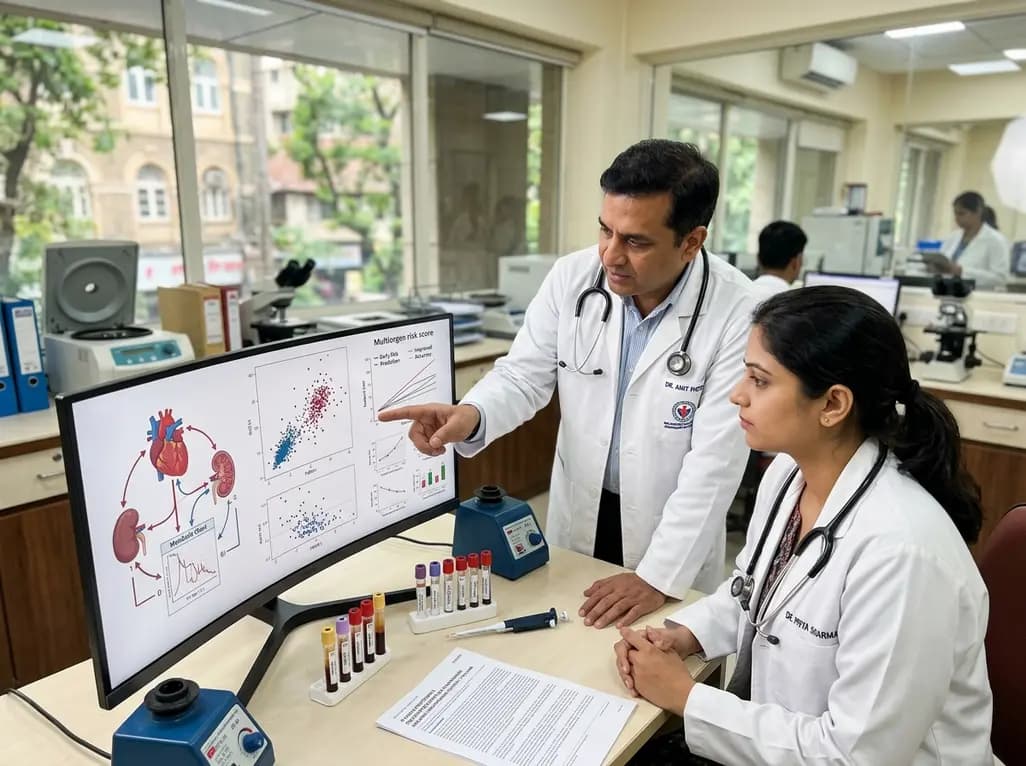
A large UK Biobank study reveals that plasma proteomic signatures capture preclinical organ damage and improve multiorgan risk prediction across early CKM syndrome stages 0 to 2 beyond traditional PREVENT clinical models.
Today
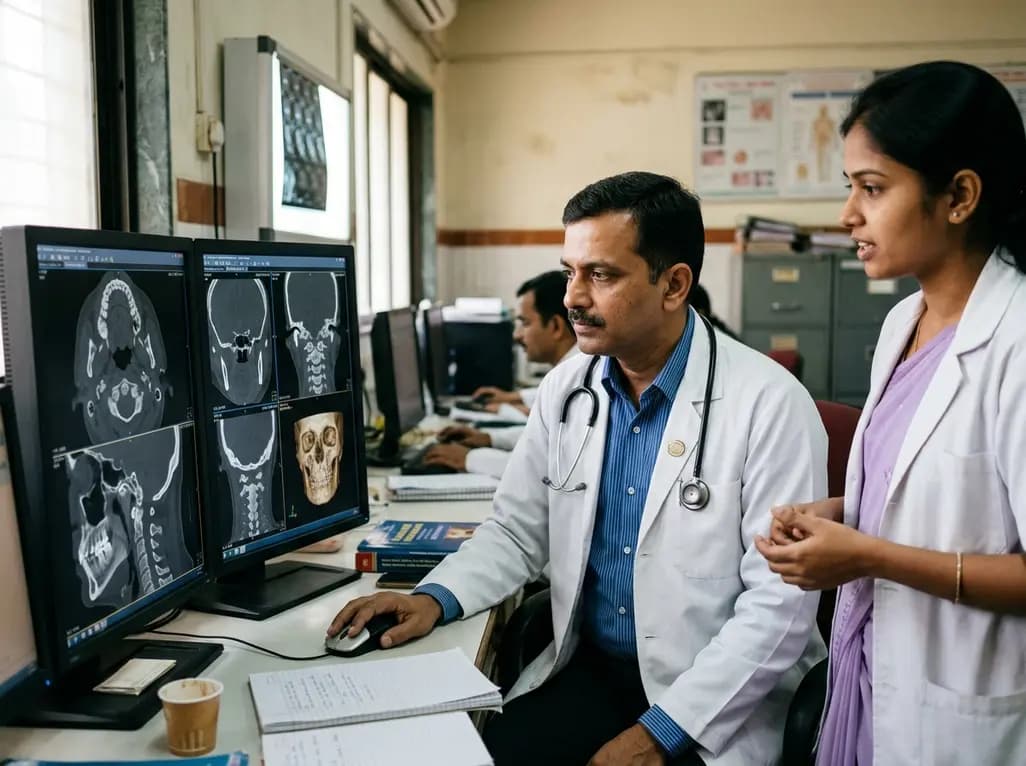
A retrospective CBCT study reveals that superior TMJ space asymmetry correlates moderately with occipital condyle-atlas-axis asymmetry in unilateral TMJ osteoarthritis, highlighting an imaging correlate between jaw biomechanics and upper cervical alignment rather than a standalone diagnostic marker.
Today

A Bayesian multilevel meta-analysis reveals that aerobic training combined with moderate carbohydrate restriction modestly lowers HbA1c in type 2 diabetes. However, sparse data and very low certainty leave incremental benefits over exercise or diet alone unproven, highlighting the need for individualized care.
Today
