.webp&w=384&q=75)

Loading, please wait...
Loading, please wait...

Covalent Bruton tyrosine kinase inhibitors have revolutionized the therapeutic landscape for chronic lymphocytic leukemia and small lymphocytic lymphoma. However, routine outpatient practice frequently requires BTK inhibitor dose modifications to manage emergent adverse events. While pivotal trials demonstrated exceptional efficacy under stringent conditions, community cohorts present diverse comorbidities and age-related vulnerabilities. Consequently, treating hematologists frequently adjust therapeutic regimens to alleviate treatment-related toxicity. These real-world clinical adjustments primarily encompass temporary dose interruptions and planned dose reductions. Furthermore, maintaining continuous kinase inhibition remains essential for enduring disease suppression. When toxicities disrupt daily administration, leukemic clones may regain proliferative signaling. Therefore, oncologists must evaluate the prognostic impact of altering targeted regimens in specialized clinics. In addition, early recognition of drug intolerance allows clinicians to personalize management without abruptly stopping therapy. As a result, proactive supportive care preserves quality of life while maintaining acceptable therapeutic control. Ultimately, clinicians face the delicate challenge of mitigating toxicities without compromising progression-free survival.
A recent seven-year retrospective study in Shanghai examined 324 patients receiving covalent BTK inhibitors for chronic lymphocytic leukemia and small lymphocytic lymphoma. Notably, the study followed these patients over a median duration of 42 months in an outpatient setting. Across this long observation window, the overall 42-month progression-free survival rate reached 70.2 percent. However, dose modifications occurred at an exceptionally high frequency in routine clinical practice. Specifically, 70.7 percent of all patients experienced either a dose reduction or a dose interruption during treatment. Infections represented the predominant underlying cause, accounting for 61.9 percent of all modification events. In addition, adverse events such as hematologic cytopenias and bleeding complications prompted therapeutic adjustments in several individuals. The researchers noted that full-dose adherence produced markedly superior clinical results compared to modified dosing schedules. For instance, the full-dose cohort achieved an outstanding four-year progression-free survival rate of 93 percent. In sharp contrast, the modified-dose group demonstrated a four-year progression-free survival rate of only 58 percent. Consequently, this substantial gap underscores the therapeutic vulnerability associated with dose reductions and interruptions. Furthermore, the findings highlight how real-world toxicities dramatically reduce intended drug exposure.
The study clearly revealed that not all dose modifications carry equal prognostic consequences. Specifically, investigators evaluated the divergent clinical effects between temporary dose interruptions and sustained dose reductions. The data showed that prolonged dose interruptions compromised disease control far more severely than gradual dose reductions. When patients paused therapy entirely, malignant B-cells rapidly escaped targeted enzymatic blockade. Consequently, patients experiencing recurrent or lengthy interruptions suffered higher rates of disease progression. In contrast, patients who maintained therapy at reduced dosages retained partial Bruton tyrosine kinase suppression. Therefore, modest dose reductions provided meaningful ongoing protection against leukemic resurgence. Multivariate Cox regression analyses confirmed that extensive treatment interruptions served as an independent predictor of inferior survival. Moreover, patients requiring frequent pauses exhibited higher risks of developing drug resistance over time. Clinicians must therefore differentiate between brief drug pauses and structured dose adjustments when managing adverse events. Whenever feasible, continuing a lower daily dose appears safer than repeatedly interrupting treatment cycles. Ultimately, preserving continuous baseline kinase inhibition represents the central pillar of durable therapeutic response.
Therapeutic timing plays a decisive role when oncology teams implement dose modifications during chronic lymphocytic leukemia management. Specifically, the study revealed that the timing of dose modification heavily influenced overall long-term survival. Early modifications occurring during the initial treatment months carried worse prognostic implications than modifications occurring after establishing remission. Furthermore, early interruptions disrupted the critical phase where therapeutic pressure must eliminate bulky lymphoid disease. As a result, patients facing early toxicities struggled to achieve deep remissions. However, the study uncovered an encouraging clinical solution for patients experiencing drug intolerance. Switching to an alternative covalent BTK inhibitor successfully rescued disease control in a significant subset of patients. For instance, transitioning from ibrutinib to second-generation agents like acalabrutinib or zanubrutinib alleviated troublesome side effects. Consequently, drug switching allowed patients to resume continuous kinase suppression without sacrificing progression-free survival. In addition, prompt switching prevented prolonged treatment cessations that often trigger aggressive disease acceleration. Therefore, clinicians should consider timely drug switching rather than accepting extended interruptions or permanent drug withdrawal.
Because infectious complications triggered more than sixty percent of dose modifications, rigorous infection management is paramount. Hematologists must aggressively implement antimicrobial prophylaxis, routine immunizations, and prompt therapeutic interventions for fever. Furthermore, proactive surveillance for respiratory and opportunistic infections helps prevent severe clinical deterioration. When physicians manage infectious episodes swiftly, they minimize the duration of necessary treatment pauses. In addition, individualized comorbidity assessments enable clinicians to identify patients at high risk of treatment-related complications. Clinicians can then tailor supportive regimens before administering covalent kinase inhibitors. Moreover, patient education regarding early infection reporting substantially reduces emergency hospitalizations and dose disruptions. Regular laboratory monitoring and therapeutic drug oversight further safeguard patient adherence and clinical efficacy. Therefore, multidisciplinary collaboration among hematologists, infectious disease specialists, and clinical pharmacists optimizes patient outcomes. By mitigating predictable toxicities, healthcare teams preserve intended relative dose intensity throughout the treatment trajectory. Ultimately, sustaining continuous targeted therapy remains the most dependable strategy for achieving prolonged progression-free survival in lymphoid malignancies.
Dose interruptions lead to a complete absence of therapeutic kinase inhibition, which permits dormant leukemic clones to reactivate and proliferate rapidly. In contrast, planned dose reductions maintain baseline Bruton tyrosine kinase occupancy, which suppresses malignant B-cell proliferation. Consequently, real-world data demonstrate that prolonged dose interruptions cause significantly steeper declines in progression-free survival than dose reductions. Clinicians should prioritize maintaining a reduced daily dose over recurrent, extended treatment interruptions whenever feasible.
Infections represent the primary cause of dose modifications, accounting for over sixty percent of treatment adjustments in routine practice. Respiratory tract infections and opportunistic complications frequently require temporary therapy cessation to enable safe antibiotic administration. Furthermore, hematologic toxicities like severe neutropenia and thrombocytopenia often demand temporary dosage decreases. Non-hematologic adverse events, including cardiac arrhythmias, hypertension, and bleeding tendencies, also prompt dose adjustments. Proactive infection surveillance and individualized toxicity management help mitigate these therapeutic disruptions.
Drug switching provides a highly effective alternative to permanent therapy cessation when adverse reactions arise. Transitioning patients to a more selective second-generation covalent BTK inhibitor frequently resolves troublesome adverse symptoms while preserving strong therapeutic efficacy. Consequently, switching prevents the rapid disease acceleration often seen following complete drug withdrawal. Real-world studies confirm that patients who switch agents maintain significantly superior progression-free survival compared to those who permanently discontinue therapy. Prompt switching remains an essential management tactic.
Disclaimer: This content is for informational and educational purposes only. It is not intended to substitute for professional medical advice, diagnosis, or treatment. Refer to the latest local and national guidelines for clinical practice.
References
Zhang J et al. Timing matters: Impact of covalent BTK inhibitor dose modifications on outcomes in chronic lymphocytic leukemia/small lymphocytic leukemia-A 7-year real-world study. Cancer. 2026 Sep 15. doi: 10.1002/cncr.70578. PMID: 42740716.
Rogers K et al. The effect of ibrutinib dose-reduction on outcomes of patients with CLL/SLL: real-world evidence. Blood. 2023;142(Suppl 1):1892.
Shadman M et al. Zanubrutinib and venetoclax for patients with treatment-naïve chronic lymphocytic leukemia/small lymphocytic lymphoma: SEQUOIA arm D results. J Clin Oncol. 2025;43(21):2409-2417.
Brown JR et al. Fixed-duration acalabrutinib combinations in untreated chronic lymphocytic leukemia. N Engl J Med. 2025;392(8):748-762.

Read summarized clinical updates, watch expert medical content, and earn CME certifications right from your smartphone.
Open your smartphone camera to scan and install.





A 7-year real-world study reveals that covalent BTK inhibitor dose modifications occur in 70.7% of CLL/SLL patients, predominantly due to infections. Dose interruptions significantly diminish progression-free survival compared to full dosing, whereas timely drug switching offers an effective salvage strategy.
Today

A systematic review evaluates the role of branched-chain amino acids (BCAAs) in depression, highlighting neurobiological mechanisms, clinical trial findings, and lifestyle synergies.
Today
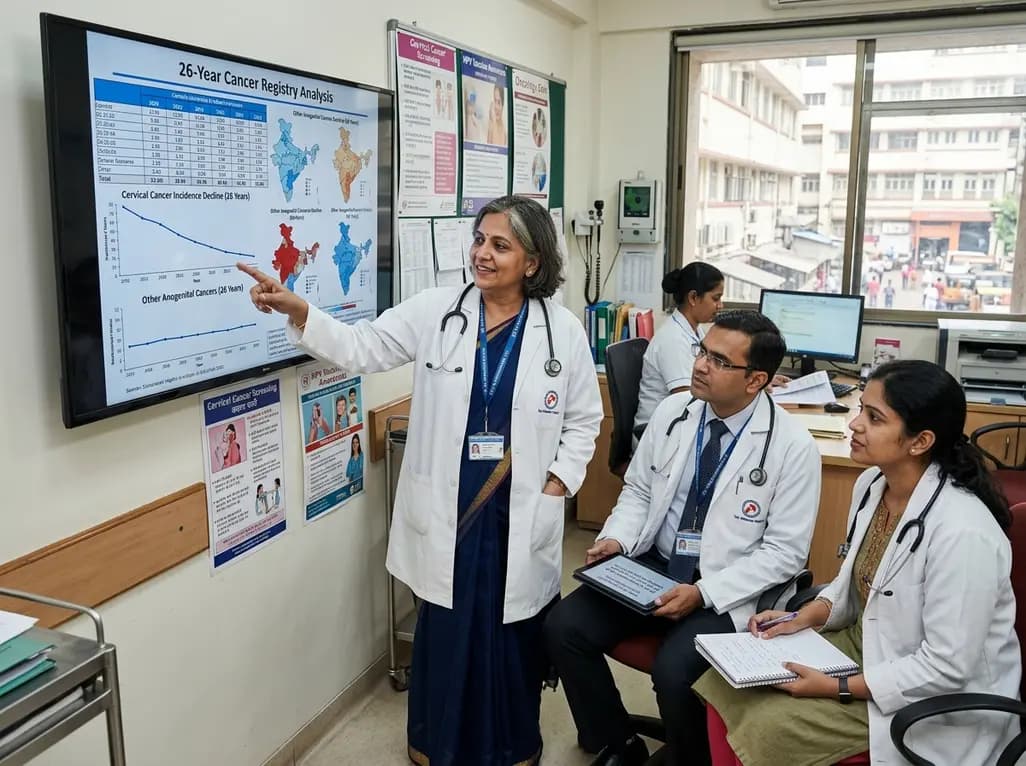
A comprehensive 26-year cancer registry analysis reveals significant declines in cervical cancer incidence alongside stable rates of non-cervical anogenital malignancies. These epidemiologic findings provide critical insights for expanding HPV vaccination, diagnostic vigilance, and preventative oncology care.
Today

A Bayesian network meta-analysis evaluates exercise training in HFpEF, demonstrating that combined aerobic and resistance training, HIIT, and moderate continuous training significantly enhance peak VO2, while functional electrical stimulation uniquely improves quality of life without altering cardiac remodeling.
Today

Cervi-AI achieves expert-level agreement in evaluating cervical spinal stenosis and spinal cord compression on MRI, while its automated imaging metrics reliably predict anterior versus posterior surgical approaches in multilevel degenerative cervical myelopathy.
Today

Hormonal shifts throughout puberty, menstruation, fertility treatments, pregnancy, and menopause cause profound glucose excursions in women with diabetes. Understanding these endocrine transitions and utilizing advanced continuous glucose monitoring enables clinicians to optimize personalized diabetes care.
Today
