.webp&w=384&q=75)

Loading, please wait...
Loading, please wait...
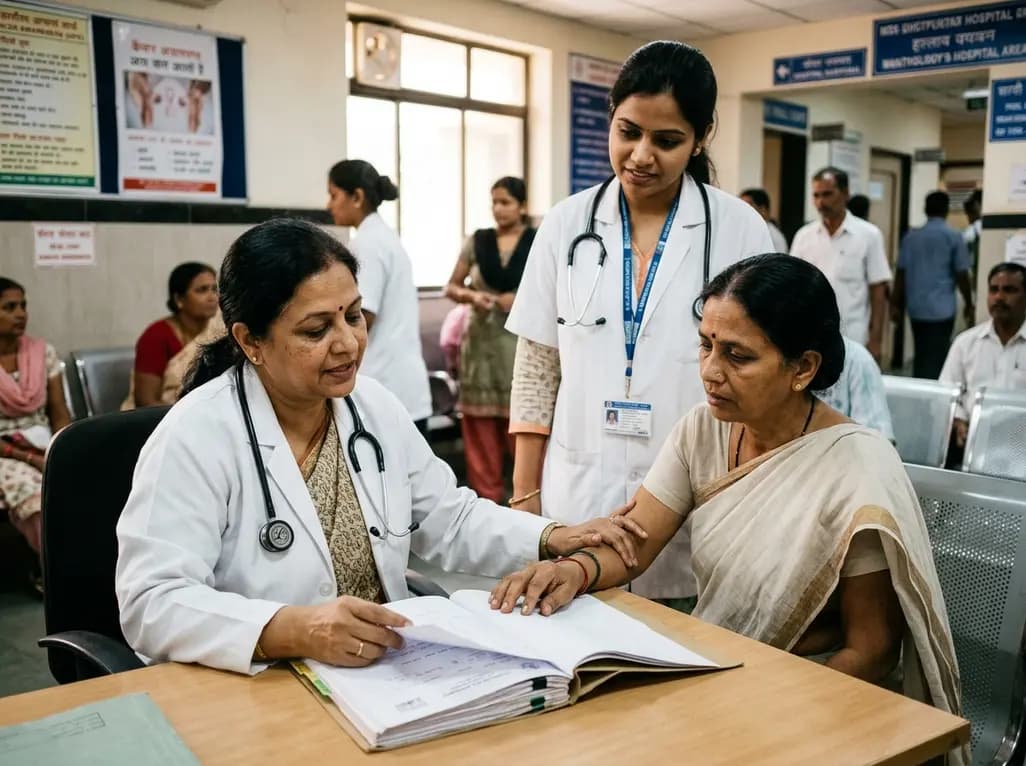
Detecting breast cancer recurrence promptly remains a primary goal in post-treatment oncology care. Although specialized hospital clinics manage initial therapies, general practitioners frequently evaluate emerging symptoms during routine primary care consultations. Consequently, primary care clinicians serve as the vital first line of defense when cancer survivors experience concerning interval symptoms.
General practitioners play a pivotal role in detecting recurrent malignancy following curative cancer treatment. Furthermore, survivorship care increasingly shifts away from hospital outpatient departments into community medicine. As a result, family physicians must balance routine healthcare maintenance with vigilant oncologic surveillance. When patients experience interval symptoms between scheduled oncology visits, they regularly seek evaluation from their general practitioners first. In Denmark, a nationwide retrospective cohort study evaluated 392 women diagnosed with recurrent disease between January 2022 and May 2024. The investigators linked comprehensive registry records with survey responses from 324 general practitioners. Remarkably, 52.8% of these women had their index diagnostic consultation in general practice. Additionally, general practitioners initiated the formal diagnostic pathway in 43.6% of all confirmed cases. These figures demonstrate that primary care functions as a vital diagnostic entry point rather than a passive observer. Therefore, maintaining sharp diagnostic acumen in primary care directly influences timely recognition of recurrent disease. Clinicians must sustain high clinical suspicion whenever breast cancer survivors report persistent, unexplained, or atypical physical complaints.
Socioeconomic position frequently influences disparities in cancer survival, screening attendance, and healthcare utilization. Lower educational attainment and living alone often correlate with delayed presentation across diverse oncologic conditions. Therefore, researchers investigated whether socioeconomic factors altered how women interacted with primary care during recurrence. The study evaluated socioeconomic position using highest completed educational level and cohabitation status. Using Poisson regression models, researchers estimated prevalence ratios across these socioeconomic cohorts. Interestingly, the investigation revealed no statistically significant associations between socioeconomic status and general practice involvement. Specifically, women with lower educational attainment consulted their general practitioners at similar rates as those with university degrees. Similarly, living alone did not reduce the likelihood of having an index consultation or securing a timely diagnostic referral. Consequently, these findings suggest that equitable primary care access can mitigate socioeconomic barriers in cancer surveillance. When healthcare systems provide universal coverage, primary care services maintain consistent diagnostic access regardless of patient socioeconomic background.
Recognizing recurrent disease depends heavily on how survivors perceive and report physical changes. In this nationwide Danish cohort, 37.2% of women presented to their family doctor with specific bodily symptoms. In contrast, other patients had recurrences detected through scheduled hospital appointments or routine surveillance mammography. When patients presented with symptoms in general practice, clinicians evaluated diverse complaints, including chest wall changes, bone pain, and fatigue. Moreover, the decision to initiate diagnostic investigations rested purely on clinical judgment rather than socioeconomic standing. The study confirmed that general practitioners initiated diagnostic pathways with equal frequency across all socioeconomic strata when symptoms emerged. Thus, formal education and living arrangements did not alter the probability of physicians ordering appropriate diagnostic tests. Nevertheless, symptom-prompted consultations emphasize that survivors must understand red-flag signs. Because interval symptomatic recurrences remain common, primary care physicians must continuously educate patients about self-awareness, encouraging them to report new physical symptoms without hesitation.
These observational findings hold important implications for modern cancer survivorship care. First, they demonstrate that accessible primary care prevents structural healthcare disparities. Because general practice operates with low barriers to entry, patients from all backgrounds seek timely medical advice. However, the data also highlight that nearly half of all recurrence pathways originated in general practice. Therefore, health systems must provide primary care physicians with standardized referral pathways and rapid access to advanced imaging. Currently, international guidelines recommend tailored surveillance schedules based on individual tumor biology and recurrence risk. For low-risk survivors, transitioning aftercare to primary care proves safe, clinically effective, and cost-efficient. Furthermore, primary care clinicians manage chronic sequelae from chemotherapy, endocrine therapy, and radiation. Hence, empowering family physicians with structured survivorship care plans ensures both prompt recurrence detection and holistic long-term health management. Coordinated shared-care models between oncologists and general practitioners ultimately minimize diagnostic delays and optimize overall survival.
Although this Danish cohort demonstrated socioeconomic equity within a universal healthcare framework, global disparities in cancer outcomes persist. In many healthcare systems lacking universal coverage, high out-of-pocket costs restrict timely primary care visits. Consequently, disadvantaged patients often face significant diagnostic delays when cancer recurrences arise. In addition, low health literacy can prevent survivors from recognizing insidious warning signs early. Health systems must therefore establish structural policies that protect vulnerable populations during survivorship. Clinicians should proactively deliver culturally competent recurrence education before hospital discharge. Furthermore, primary care teams can implement proactive recall systems to monitor high-risk patients who miss scheduled appointments. Community health workers and patient navigators also play essential roles in supporting survivors facing social distress. By removing financial friction and enhancing communication, healthcare systems can replicate the equitable outcomes observed in integrated primary care models. Ultimately, equal access to primary healthcare ensures that every survivor receives prompt diagnostic evaluation whenever recurrent malignancy emerges.
General practitioners detect breast cancer recurrence by evaluating new or persistent interval symptoms between routine oncology surveillance visits. Patients often present with localized breast changes, palpable chest wall masses, unexplained bone pain, persistent cough, or chronic fatigue. When clinicians identify suspicious clinical findings, they initiate urgent diagnostic pathways. These pathways include referral for diagnostic mammography, targeted ultrasound, advanced cross-sectional imaging, and specialized multidisciplinary oncology consultation for definitive histological confirmation.
Nationwide Danish registry data show that socioeconomic position does not significantly influence primary care involvement in recurrence detection. Specifically, educational level and living arrangements do not alter the likelihood of consulting a general practitioner or having diagnostic investigations initiated. When healthcare systems offer universal and equitable access, primary care functions as an effective equalizer, ensuring all breast cancer survivors receive consistent clinical assessment regardless of their social or economic background.
Primary care physicians should investigate any new, unexplained physical symptom in breast cancer survivors that persists beyond several weeks. Critical red-flag signs include localized lumps near surgical scars, persistent bone pain worsening at night, chronic shortness of breath, unexplained weight loss, and localized neurological deficits. Clinicians must promptly initiate diagnostic investigations rather than reassuring patients prematurely, as early detection of locoregional or oligometastatic recurrence significantly enhances therapeutic outcomes.
Disclaimer: This content is for informational and educational purposes only. It is not intended to substitute for professional medical advice, diagnosis, or treatment. Refer to the latest local and national guidelines for clinical practice.
References

Read summarized clinical updates, watch expert medical content, and earn CME certifications right from your smartphone.
Open your smartphone camera to scan and install.





A nationwide Danish cohort study reveals that general practice initiates diagnosis for over 40% of breast cancer recurrence cases, with no significant disparities across socioeconomic positions.
Today
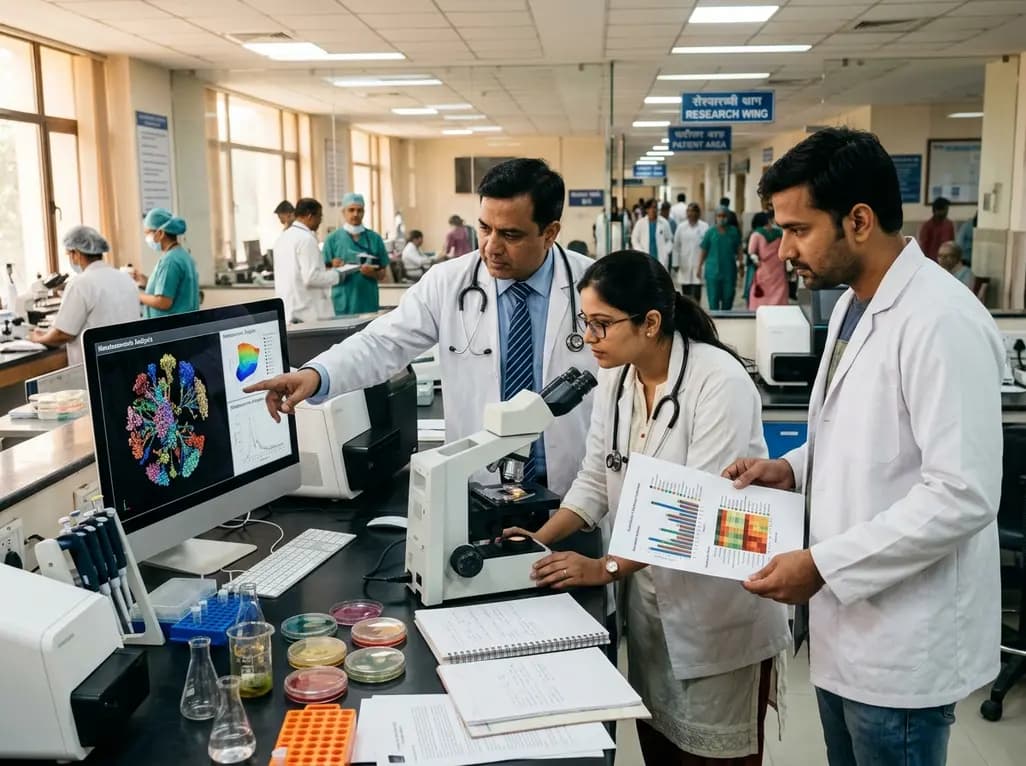
A metataxonomic study reveals distinct gut bacteriome biomarkers in type 2 diabetes, obesity, and cardiovascular complications, identifying specific bacterial shifts that pave the way for precision metabolic medicine.
Today

Researchers have engineered HER2-targeted AIE nanotheranostics to overcome SHR-A1811 resistance in breast cancer. By inducing immunogenic pyroptosis and reprogramming tumor-associated macrophages, this multimodal nanoplatform achieves near-complete tumor regression in refractory preclinical models.
Today
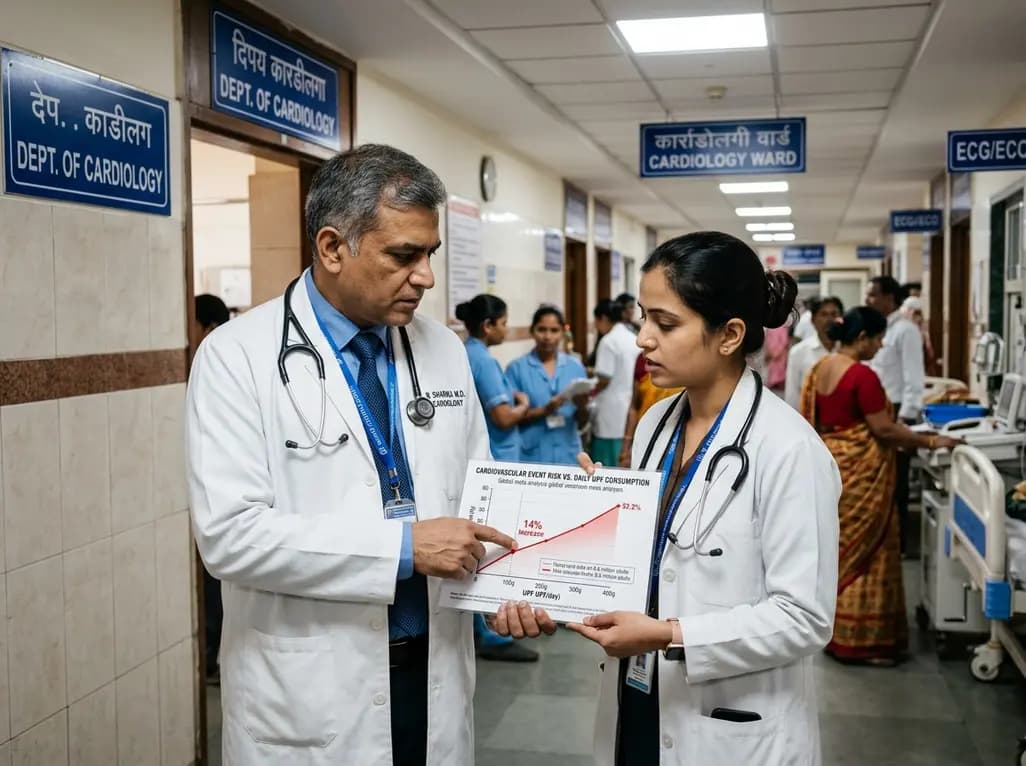
A global dose-response meta-analysis of 8.8 million adults reveals that consuming an extra 100 grams of processed food daily raises cardiovascular event risk by 14%. Explore how industrial additives, systemic inflammation, and metabolic disruption heighten long-term multimorbidity and cardiometabolic risks.
Today
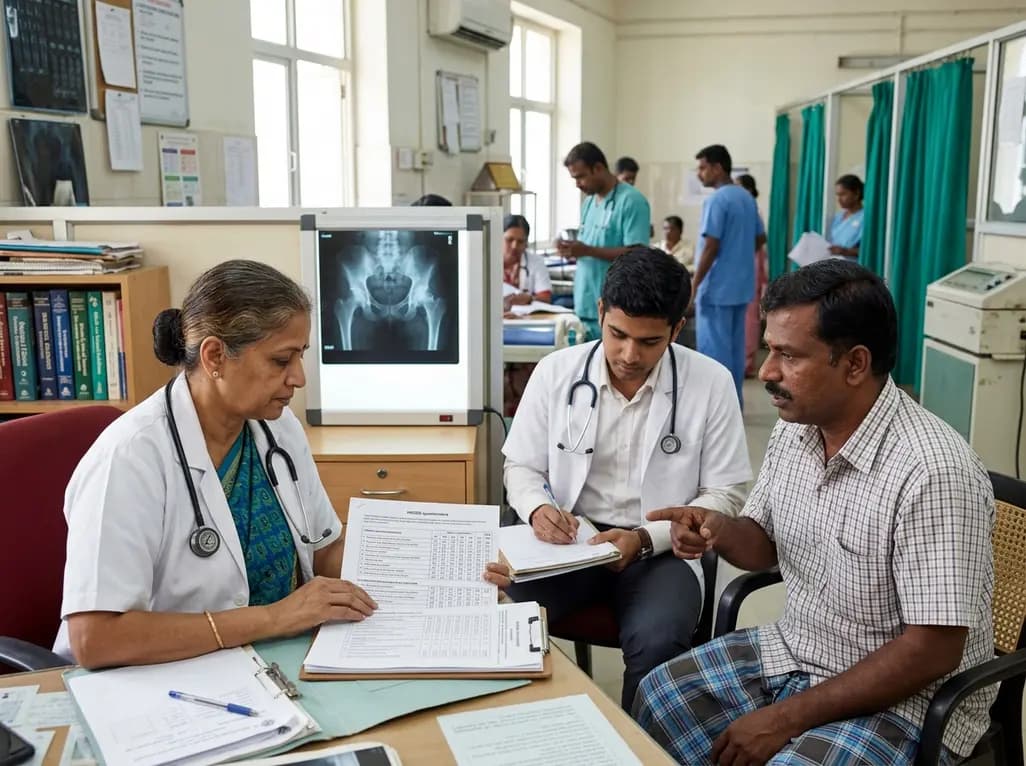
A psychometric validation study confirms that the Turkish Copenhagen Hip and Groin Outcome Score (HAGOS-T) offers excellent reliability, construct validity, and interpretability for patients with hip osteoarthritis, providing clinicians with a robust tool for functional assessment.
Today
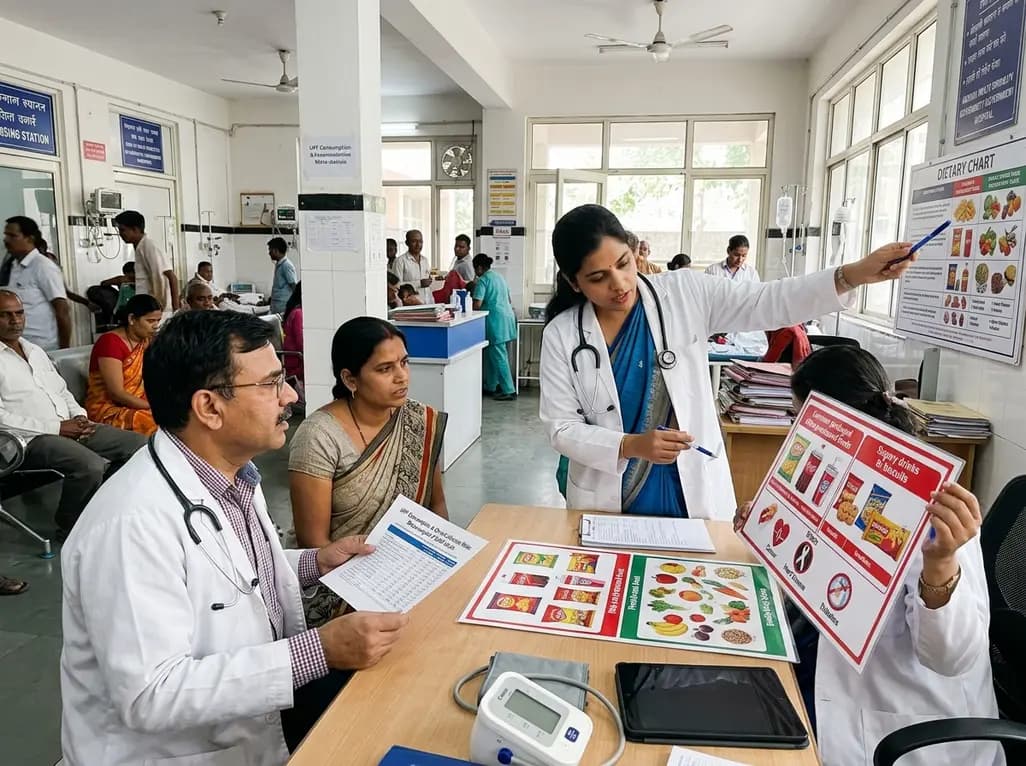
A landmark dose-response meta-analysis of 8.8 million adults reveals that high ultra-processed food intake significantly elevates risks for cardiovascular disease, cancer, diabetes, depression, and all-cause mortality, highlighting urgent needs for clinical lifestyle interventions.
Today
