.webp&w=384&q=75)

Loading, please wait...
Loading, please wait...
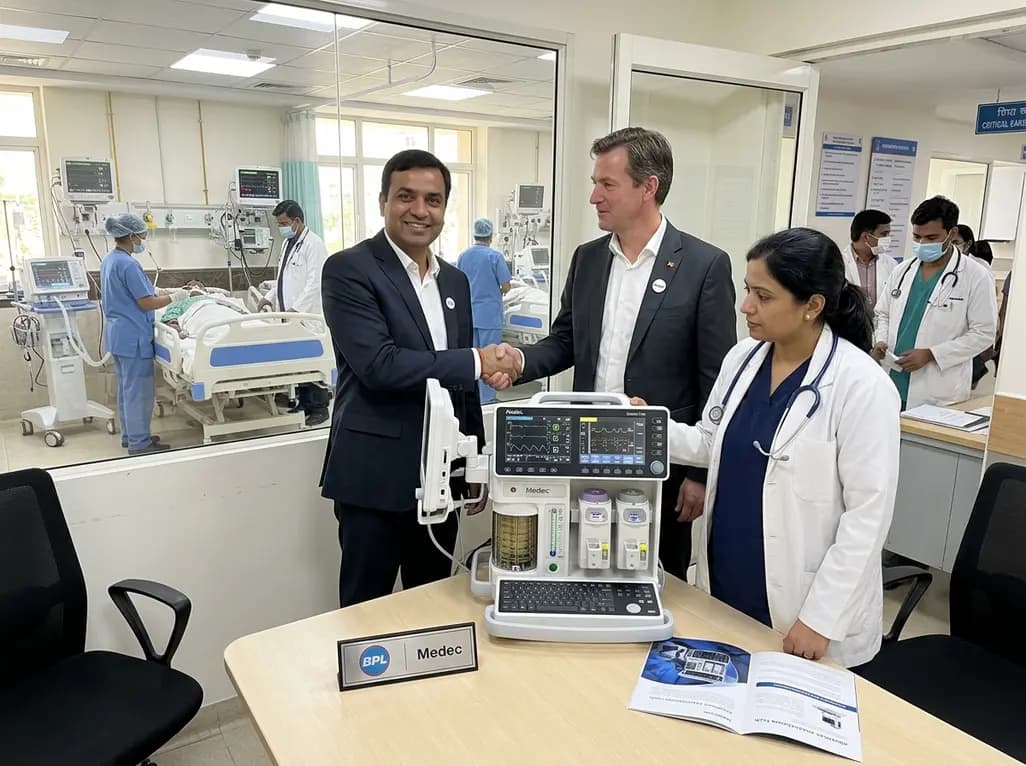
In modern perioperative medicine, reliable anaesthesia workstations form the backbone of safe surgical care and critical intervention. BPL Medical Technologies recently marked a major milestone by acquiring a majority shareholding in Medec International BV, a prominent European medical technology company based in Aalst, Belgium. This strategic acquisition integrates advanced European respiratory engineering with India's expanding medical device manufacturing ecosystem. Consequently, the development will enhance operating theatre infrastructure and intensive care delivery across diverse clinical environments. By securing proprietary access to European intellectual property, BPL Medtech aims to accelerate high-precision equipment production for healthcare providers. Ultimately, this move promises to bridge critical technological gaps in surgical suites worldwide.
BPL Medical Technologies has steadily expanded its footprint across diagnostic cardiology, imaging, and critical care. Through the majority acquisition of Belgian manufacturer Medec International BV, the Indian medical device leader secures immediate access to four decades of European research and development. Furthermore, the transaction includes Medec’s proprietary intellectual property, manufacturing designs, and three valuable patents. This portfolio encompasses specialised mechanical ventilation systems, high-precision electronic vaporisers, and modular anaesthetic machines. Additionally, Medec maintains an established commercial presence in more than thirty countries across Europe, Latin America, Southeast Asia, and the Middle East. Therefore, the partnership offers BPL Medtech a proven international distribution network for its broader device portfolio. Conversely, BPL plans to harness its extensive Indian infrastructure to scale manufacturing and lower production costs. By localising specific assembly operations while retaining Belgian precision engineering, the combined enterprise creates a balanced supply framework. Consequently, hospitals in emerging markets can expect easier access to premium-grade surgical devices without exorbitant import markups. Moreover, this cross-border synergy establishes a solid foundation for continuous clinical research and technical collaboration. Importantly, executive leadership has confirmed the creation of a European Centre of Excellence dedicated to critical care innovation. This facility will drive next-generation respiratory product designs. Furthermore, the leadership team emphasizes that this collaboration will accelerate time-to-market for innovative surgical products.
The core strength of Medec lies in its specialized anaesthesia workstations and intensive care ventilators. For instance, the flagship Caelus series exemplifies high-tier anaesthetic delivery, featuring an integrated pneumatic bag-in-bottle system. This design supports a wide patient demographic, ranging from premature neonates to bariatric adult patients. Moreover, Medec’s engineering pipeline features a value-engineered version of the Caelus platform alongside next-generation electronic vaporisers. These vaporisers provide exact dosing of volatile inhalation anaesthetics, which mitigates agent wastage and reduces perioperative drug costs. Furthermore, these modern anaesthesia platforms incorporate the proprietary PureTouch user interface on high-definition touchscreens. This interface enables anaesthesiologists to adjust complex parameters swiftly without navigating convoluted submenus. In addition, advanced pressure-regulated volume-controlled modes protect delicate pulmonary parenchyma from barotrauma and volutrauma during prolonged surgical interventions. Consequently, clinicians achieve optimal alveolar recruitment while preserving haemodynamic stability. The integration of continuous spirometry and real-time gas monitoring ensures prompt identification of circuit disconnection or unexpected alveolar hypoventilation. Therefore, Indian hospitals adopting these upgraded workstations can elevate standard operating theatre safety profiles significantly. Additionally, robust mechanical backup systems guarantee uninterrupted ventilation during potential electronic power fluctuations. Clinicians thus retain complete manual control during critical intraoperative emergencies. Moreover, reliable scavenging systems reduce theatre pollution, safeguarding operating room staff from chronic exposure to waste anaesthetic gases.
Modern operating rooms demand far more than standalone mechanical hardware. In response to this paradigm shift, BPL Medtech plans to integrate Medec’s hardware directly with its proprietary Cortex digital health platform. This integration bridges mechanical gas delivery with cloud-based artificial intelligence and comprehensive electronic medical records. Consequently, physiological data flows seamlessly from the anaesthesia workstation to centralized hospital monitoring consoles. Furthermore, the Cortex platform deploys predictive analytics to monitor intraoperative depth of anaesthesia and respiratory mechanics in real time. Anaesthesiologists can therefore detect subtle physiological shifts, such as incipient hypoxaemia, well before adverse outcomes manifest. In addition, automated documentation relieves operating theatre personnel from tedious manual charting during demanding procedures. As a result, surgical teams can devote undivided attention to vital patient monitoring and acute crisis management. Moreover, the centralised digital interface allows senior consultants to review ongoing cases remotely across multiple operating rooms. Thus, technology convergence directly strengthens patient safety protocols while optimizing surgical workflow efficiency. Importantly, data interoperability facilitates comprehensive clinical audits and retrospective research within academic medical centres. Hospitals thereby cultivate an evidence-based culture through automated, high-fidelity data capture. Additionally, machine learning algorithms can predict acute hypotensive episodes, allowing proactive clinical interventions before hemodynamic instability occurs.
For surgical teams across India, access to dependable critical care technology remains an ongoing priority. Historically, tier-two and tier-three healthcare facilities have grappled with the steep capital costs of imported European workstations. However, the strategic integration between BPL and Medec will likely recalibrate this economic hurdle. By manufacturing and assembling value-engineered workstations domestically, BPL can provide international-grade performance at competitive price points. Additionally, localized production ensures prompt availability of spare parts and skilled field engineering support. In many rural or semi-urban settings, imported medical equipment frequently languishes during technical breakdowns due to slow component supply chains. Consequently, a strong domestic manufacturing base resolves chronic maintenance delays and reduces operational downtime. Furthermore, anaesthesia trainees across Indian medical colleges will gain early hands-on exposure to advanced ventilation modes. Familiarity with modern capnography, electronic vaporisation, and agent consumption tracking directly enriches postgraduate anaesthesiology training. Therefore, this technology transfer elevates both day-to-day surgical capacity and clinical training standards across the subcontinent. Moreover, enhanced access to neonatal ventilation modes allows tier-two hospitals to perform complex pediatric surgeries safely. Consequently, vulnerable pediatric patients receive timely surgical care closer to home. Furthermore, reduced procurement costs empower non-metro private nursing homes to modernize surgical facilities without placing disproportionate financial strain on patients.
The global healthcare landscape has repeatedly experienced severe disruptions in medical supply chains over recent years. In light of these challenges, healthcare organizations recognize the pressing necessity for technological self-reliance and diversified manufacturing. BPL Medtech’s acquisition of Medec directly reflects this broader global objective. By securing full control over proprietary intellectual property, the enterprise minimizes its dependence on external third-party original equipment manufacturers. Consequently, domestic supply chains become far more resilient against international logistics bottlenecks or sudden regulatory shifts. Furthermore, this strategic acquisition aligns seamlessly with India's national push for medical device self-sufficiency and indigenous engineering. Rather than serving merely as an assembly hub, Indian manufacturing plants will now build sophisticated life-support systems from patented designs. In addition, the export of CE-certified workstations manufactured under this partnership will establish Indian engineering as a reputable force worldwide. Thus, the alliance fosters sustainable industrial capability while enhancing domestic healthcare resilience. Ultimately, reliable supply lines ensure that life-saving operating theatre and intensive care devices remain available when patients require them most. Importantly, sustained investment in domestic clinical engineering builds indigenous technical talent and fosters local innovation. Hospitals nationwide benefit from robust, locally supported life-support technologies.
Q1: Why is BPL Medical Technologies acquiring a majority stake in Medec?
BPL Medical Technologies acquired a majority stake in Medec to secure advanced intellectual property, patents, and engineering expertise in anaesthesia workstations and ventilators. Furthermore, this strategic transaction expands BPL's commercial footprint across more than thirty international markets. Additionally, the partnership enables BPL to reduce dependency on external medical device suppliers while integrating European precision engineering with cost-effective domestic manufacturing capabilities across Indian facilities.
Q2: How does the Medec Caelus anaesthesia workstation enhance patient safety during surgery?
The Medec Caelus workstation features a precise pneumatically driven bag-in-bottle ventilator that safely supports neonates, pediatric patients, and bariatric adults. Moreover, the system incorporates advanced protective ventilation modes, intuitive touchscreen controls, and real-time gas monitoring. Consequently, these features prevent barotrauma, optimize volatile anaesthetic delivery through electronic vaporisers, and provide immediate alerts during ventilatory irregularities, ensuring robust patient safety throughout complex surgical procedures across modern operating rooms.
Q3: How will Indian hospitals and anaesthesiologists benefit from this international acquisition?
Indian hospitals will gain broader access to CE-certified, high-precision anaesthesia workstations at significantly more accessible price points through value engineering. Additionally, localized assembly and technical support will minimize equipment downtime and simplify maintenance logistics. Furthermore, clinicians will benefit from the planned integration of Medec hardware with BPL's Cortex digital platform, enabling advanced AI-driven monitoring, automated documentation, and improved perioperative patient outcomes across surgical disciplines.
Disclaimer: This content is for informational and educational purposes only. It does not constitute medical advice or replace professional judgment. Refer to the latest local and national guidelines for clinical practice.
References

Read summarized clinical updates, watch expert medical content, and earn CME certifications right from your smartphone.
Open your smartphone camera to scan and install.





BPL Medical Technologies has acquired a majority stake in Belgium-based Medec International BV. The deal brings proprietary patents, advanced electronic vaporisers, and specialised anaesthetic workstations into BPL's expanding portfolio, reinforcing critical care infrastructure and hospital supply chains in India.
Today
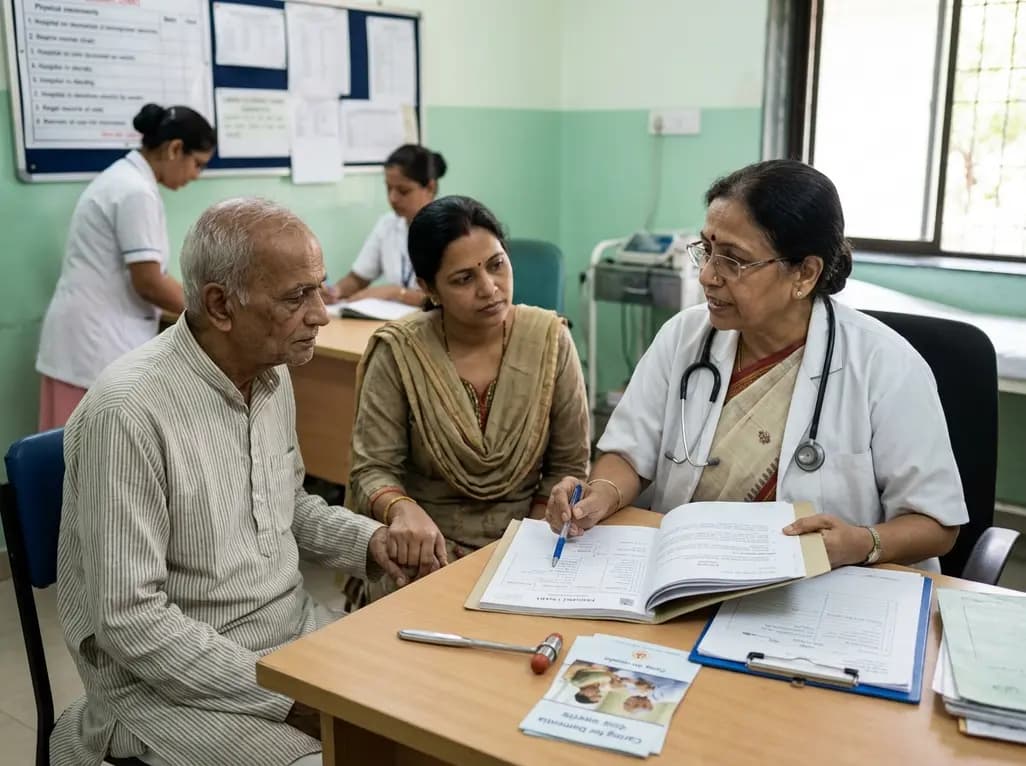
Explore evidence-based recommendations on enteral nutrition in dementia. Understand when tube feeding is appropriate, its risks in advanced neurocognitive disorders, and why individualized oral feeding and caregiver communication remain essential cornerstones of palliative nutritional care.
Today

The government of Maharashtra is establishing a novel state-level Living Lab to elevate clinical outcomes, bridge public-private service gaps, and test real-world health interventions. By integrating digital innovations and frontline feedback, the platform fosters sustainable, equitable care models across communities.
Today
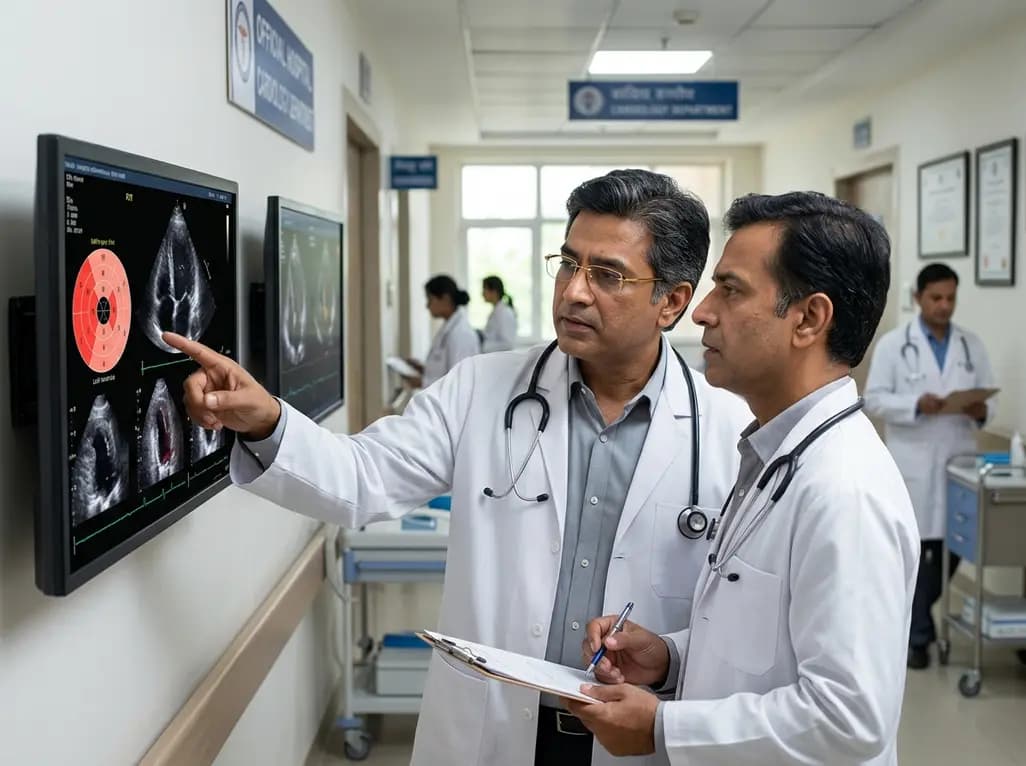
Cardiac involvement is the leading cause of mortality in EGPA. This report highlights an overlap phenotype of lymphocyte-predominant myocardial injury, Takotsubo-like cardiomyopathy, and left ventricular thrombus, emphasizing early multimodality diagnostics and aggressive immunosuppressive biologic therapy.
Today

A landmark biomechanical study demonstrates that sports bra support and running shoe cushioning interact significantly to influence tibial acceleration, breast motion, and comfort in female runners, providing crucial insights for clinical counseling in sports medicine and women's health.
Yesterday

A systematic review and meta-analysis of 5,406 participants reveals that tirzepatide significantly reduces hsCRP by 34.3%, improves cardiorenal biomarkers, and enhances functional capacity and exercise endurance in patients with heart failure.
Today
