

Loading, please wait...
Loading, please wait...

Early detection of malignant disease remains one of the most effective strategies to lower mortality and expand curative interventions. Consequently, oncologists and clinical pathologists actively pursue non-invasive liquid biopsy platforms to capture tumor dynamics. Extracellular vesicles (EVs) have emerged as invaluable circulating vectors because their molecular cargo directly mirrors the parental tumor phenotype. However, conventional translational workflows encounter severe operational bottlenecks. Standard protocols require protracted ultracentrifugation, specialized precipitation reagents, and chemical detergent lysis to extract encapsulated proteins. These cumbersome steps frequently take several hours, cause substantial sample loss, and denature sensitive antigenic epitopes. Furthermore, centralized laboratory equipment requirements limit the deployment of EV-based liquid biopsies in decentralized regional care centers. Because chemical lysis reagents interfere with downstream electrochemical sensing surfaces, washing steps become mandatory, introducing technical variability. Consequently, developing a label-free, reagent-free extracellular vesicle biosensor represents an urgent clinical priority. Such a platform must seamlessly isolate, permeabilize, and quantify minute concentrations of circulating targets directly from raw serum without compromising analytical fidelity. Addressing these diagnostic constraints can bridge the gap between academic nanobiotechnology and everyday oncology practice.
To overcome electrical passivity and complex biofunctionalization, bioengineers integrated liquid-phase-exfoliated borophene onto porous gold electrodes to develop a high-performance extracellular vesicle biosensor. Borophene exhibits exceptional metallic conductivity, substantial quantum capacitance, and a high density of electron-deficient boron centers. When cast onto gold substrates, interfacial charge transfer and strong orbital hybridization establish an electrochemically active surface with remarkable capacitive response. Furthermore, this electronic configuration allows non-faradaic electrochemical impedance spectroscopy (nf-EIS) to measure molecular binding events with picogram-level precision. In contrast to conventional gold surfaces that require insulating thiol self-assembled monolayers, borophene coordinates directly with bifunctional crosslinkers like glutaraldehyde. Consequently, capture antibodies anchor covalently to the nanohybrid interface without creating electron-blocking insulating layers. This direct covalent conjugation maintains stable antibody orientation, minimizes non-specific steric hindrance, and preserves low baseline impedance. Therefore, the biosensor preserves interfacial charge mobility and yields robust signal amplification during immune complex formation. In addition, the nanostructured 2D topology provides an expansive surface area for multivalent binding. By eliminating dielectric spacer films, the sensor maximizes capacitive shifts when target antigens bind, establishing an optimal physical foundation for ultrasensitive clinical diagnostics.
A central innovation of this platform lies in eliminating hazardous chemical detergents through high-frequency electric-field manipulation. Extracellular vesicles possess rigid lipid bilayers that conceal vital diagnostic antigens from capture antibodies on the sensor surface. To resolve this challenge, researchers evaluated two distinct electrical actuation strategies: post-capture localized EV electroporation and direct high-frequency electric-field treatment of crude serum. Notably, direct high-frequency electric-field stimulation applied to whole serum produced remarkable diagnostic advantages. The oscillating electrical gradients temporarily electroporate the nanoscale vesicles, creating transient nanopores throughout the lipid bilayer without degrading encapsulated proteins. Consequently, intravesicular targets rapidly discharge into the surrounding liquid media. Furthermore, induced electrokinetic phenomena accelerate the mass transport of released analytes toward the borophene-gold electrode surface. This synergistic mechanism dramatically accelerates antibody-antigen binding kinetics, which typically depend on sluggish passive Brownian diffusion. As a direct result, this reagent-free approach reduces overall assay turnaround time from several laborious hours to just 45 minutes. Therefore, clinicians can achieve high-efficiency biomarker recovery while eliminating centrifugation, precipitation agents, and destructive chemical detergents entirely.
Clinical oncologists require multiplexed profiling to overcome the profound antigenic heterogeneity that characterizes modern solid tumors. To validate analytical capability, the platform evaluated a five-marker diagnostic panel comprising TSG101, GM2AP, MUC1, MUC5AC, and EGFR. TSG101 serves as a definitive canonical vesicle standard, whereas EGFR, MUC1, and MUC5AC signify distinct oncogenic pathways and aggressive pulmonary adenocarcinomas. Furthermore, GM2AP acts as a sensitive circulating marker linked to altered glycosphingolipid metabolism during malignant transformation. The borophene-gold immunosensor achieved exceptional limits of detection spanning from 0.02 to 0.57 pg/mL across all five target analytes. These ultra-trace detection thresholds comfortably surpass standard enzyme-linked immunosorbent assays and conventional electrochemiluminescent instruments. Moreover, the non-faradaic impedance response demonstrated outstanding linearity across broad physiological concentrations without requiring redox reporters. Because no exogenous redox probes enter the reaction chamber, the sensing architecture remains chemically benign and exceptionally stable. The immunosensor maintained acute selectivity even against complex serum backgrounds containing abundant non-target albumin and immunoglobulins. Consequently, the nanohybrid immunosensor provides accurate, quantitative discrimination that facilitates simultaneous phenotypic and oncogenic mapping of circulating vesicular sub-populations.
The practical utility of any novel diagnostic platform ultimately depends on rigorous validation in human clinical specimens. Researchers assessed serum samples derived from twenty healthy control individuals alongside twenty biopsy-confirmed lung cancer patients. Prior to electric-field permeabilization, standard biosensing yielded receiver operating characteristic area under the curve (ROC-AUC) values ranging from 0.870 to 0.984. However, after applying high-frequency electric fields to release protected intravesicular antigens, the diagnostic performance surged significantly. Specifically, post-treatment ROC-AUC metrics climbed to an extraordinary range of 0.985 to 1.000, establishing near-perfect clinical discrimination. Concurrently, overall diagnostic sensitivity improved by up to 16.7% across the patient cohort. This substantial diagnostic gain proves that intact vesicles sequester substantial quantities of actionable diagnostic proteins that standard superficial immunoassays routinely miss. By liberating this hidden intravesicular reservoir, the sensor eliminates false-negative results in early-stage disease when tumor-shed vesicles remain sparse. Furthermore, the rapid 45-minute workflow ensures rapid diagnostic reporting, which enables clinicians to expedite timely staging and prompt treatment planning without waiting days for centralized pathology reports.
In India, lung cancer represents a leading cause of cancer-related mortality, often diagnosed at advanced stages III or IV. Geographically dispersed populations, overloaded central tertiary hospitals, and financial barriers frequently delay invasive histological biopsies and molecular profiling. Therefore, adopting a rapid, label-free liquid biopsy platform could fundamentally revolutionize early oncology triage across tier-2 and tier-3 Indian districts. Because this borophene-gold immunosensor functions without cold-chain-dependent chemical lysis enzymes, expensive ultracentrifuges, or fragile optical equipment, local laboratories can realistically operate it at point-of-care settings. Furthermore, community pulmonologists and general physicians could deploy this tool to screen high-risk symptomatic individuals, such as long-term bidi smokers and urban populations exposed to chronic ambient air pollution. Liquid biopsies also permit frequent longitudinal monitoring, enabling oncologists to assess therapeutic responses and identify emerging drug resistance without repeated bronchoscopies. Nevertheless, widespread implementation across India will require large-scale multicentric clinical validation, standardized calibration protocols, and domestic manufacturing of borophene substrates to ensure affordability. Embracing these scalable nanotechnologies aligns closely with national efforts to enhance decentralized cancer screening and improve long-term survival outcomes.
Traditional liquid biopsy workflows rely heavily on lengthy ultracentrifugation, specialized chemical reagents, and detergent-based lysis to isolate and open extracellular vesicles. In sharp contrast, this novel biosensor pairs conductive 2D borophene on gold electrodes with high-frequency electric-field treatment. This design allows rapid in situ vesicle permeabilization and non-faradaic impedance measurement directly within raw serum in 45 minutes, significantly lowering assay complexity, processing duration, and operational costs.
Chemical detergents often denature vulnerable protein epitopes, leave residual ionic contaminants, and disrupt fragile antibody functionalization on biosensor surfaces. Conversely, high-frequency electric-field actuation produces transient nanopores across vesicle membranes without chemical additives. This reagent-free process preserves the structural conformation of encapsulated biomarkers and uses electrokinetic forces to drive them quickly toward the sensing interface, thereby boosting capture efficiency, enhancing signal resolution, and preventing background interference.
Tumor heterogeneity makes single-marker diagnostics prone to false negatives. By simultaneously screening five relevant targets—TSG101, GM2AP, MUC1, MUC5AC, and EGFR—this platform detects diverse cellular oncogenic signatures. Following electrical permeabilization, sensitivity increased by 16.7% and ROC-AUC reached up to 1.000 in lung cancer patient trials. Consequently, this multiplexed capacity improves diagnostic accuracy, facilitates timely early detection, and enables non-invasive longitudinal monitoring during targeted therapeutic interventions.
Disclaimer: This content is for informational and educational purposes only and should not be taken as professional medical advice. Always consult a qualified healthcare provider for diagnosis and treatment of medical conditions. Refer to the latest local and national guidelines for clinical practice.
References

Read summarized clinical updates, watch expert medical content, and earn CME certifications right from your smartphone.
Open your smartphone camera to scan and install.





A breakthrough borophene-gold electrochemical immunosensor enables reagent-free, in situ extracellular vesicle lysis and multiplexed cancer biomarker detection directly from serum in 45 minutes, dramatically improving diagnostic sensitivity for early lung cancer detection.
Today
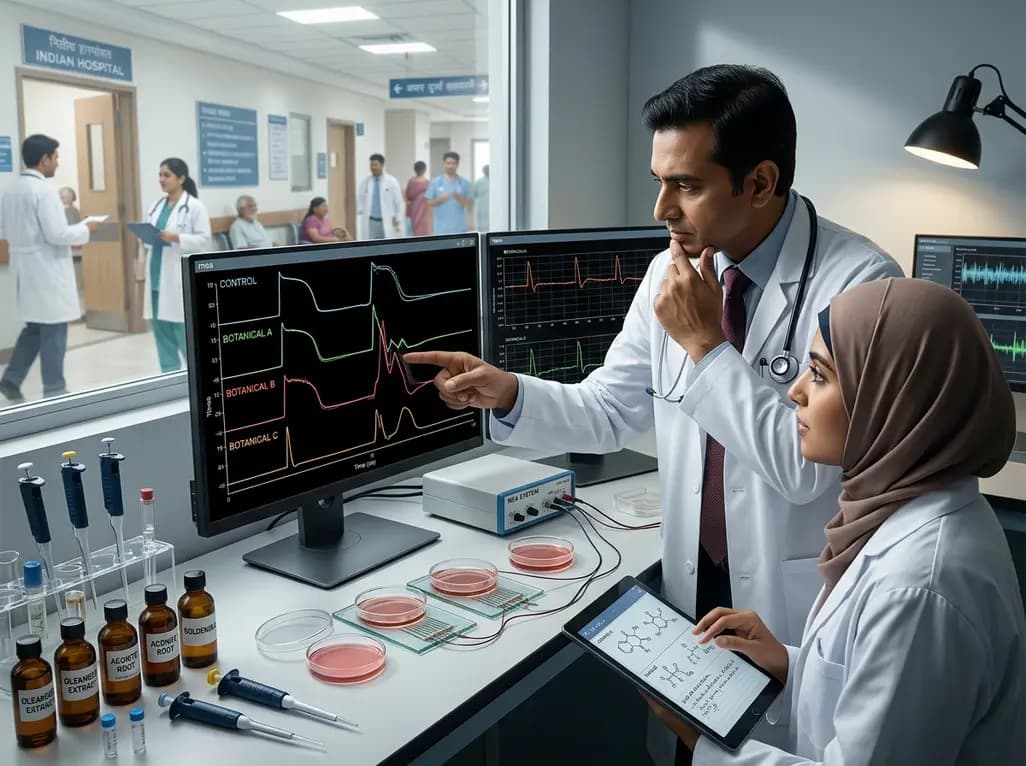
A landmark study evaluated 16 botanical extracts using human iPSC-derived cardiomyocytes and microelectrode array technology. The findings revealed potent electrophysiological hazards for herbs like oleander, aconite, and goldenseal, offering essential safety insights for clinicians evaluating herbal supplements.
Today
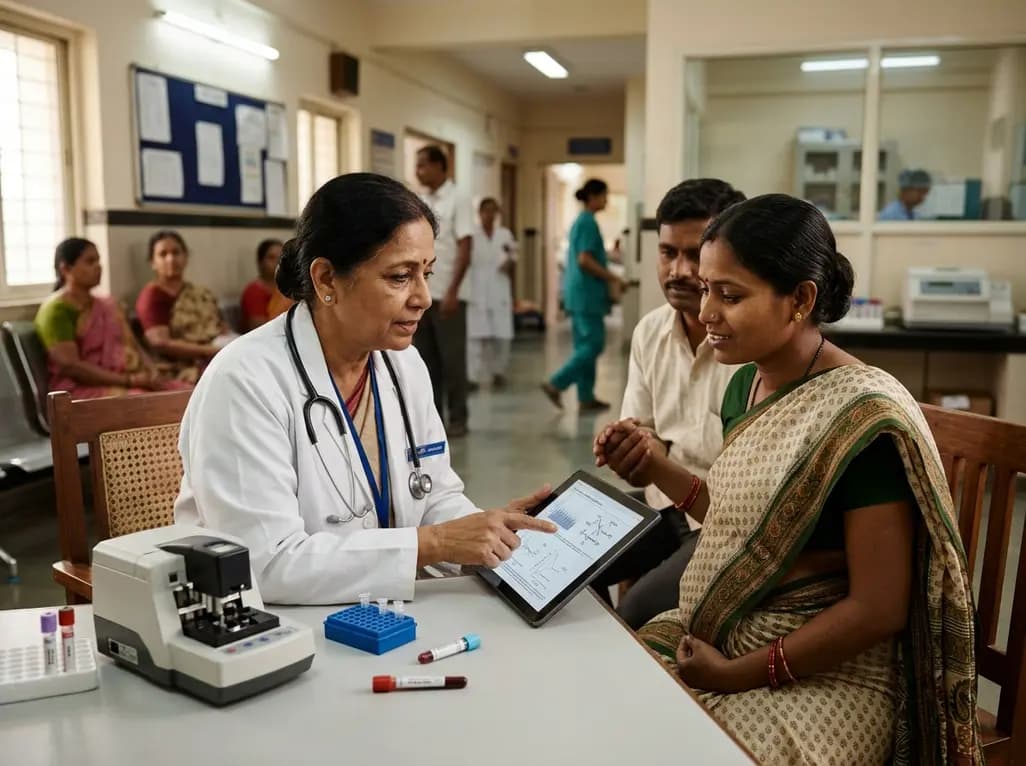
Researchers have engineered a sensitive electrochemiluminescent sandwich immunosensor utilizing silver nanoparticles and quantum dots to quantify placental growth factor, paving the way for rapid, accurate, and accessible early preeclampsia screening in clinical practice.
Today
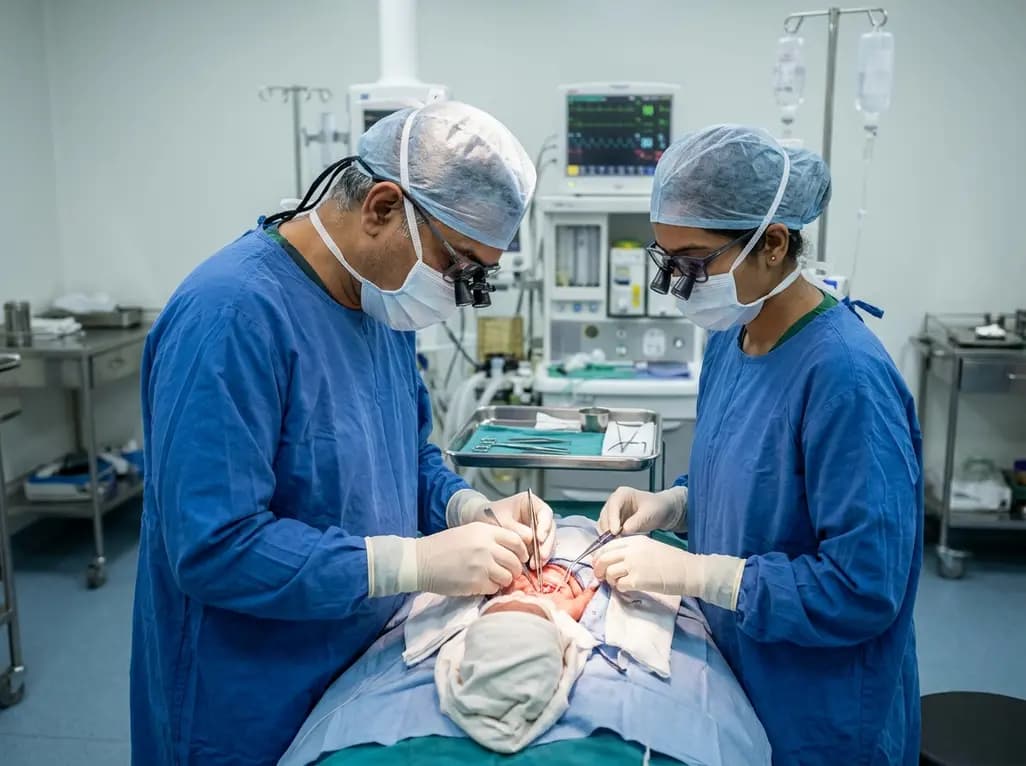
This report reviews the successful off-pump surgical retrieval of a migrated patent ductus arteriosus closure device in an 8-week-old preterm infant, preventing cardiopulmonary bypass morbidity while relieving aortic obstruction.
Today

A new visual nomogram predicts postinfectious bone loss in spinal infection patients with high accuracy (AUC 0.946). Integrating markers like osteoporosis and MDR infection, the model aids early risk stratification to prevent spinal instability and deformity.
Today

As lifestyle diseases surge across India, clinicians face rising challenges from dietary misinformation and unmonitored therapies. Prioritising structured nutrition therapy, evidence-based self-care, and robust regulatory oversight offers a sustainable pathway to counter metabolic dysfunction and enhance patient health.
Today
