.webp&w=384&q=75)

Loading, please wait...
Loading, please wait...

Understanding bone and cartilage development in the craniofacial region is essential for identifying the molecular basis of skeletal maturation. Recently, researchers investigated the gene expression of various extracellular matrix components in embryonic chick skulls. This study specifically analyzed markers like VCAN, ACAN, and COL genes across different types of primary and secondary skeletal tissues. Consequently, the findings reveal how distinct molecular signatures drive the formation of complex skull structures.
The research demonstrated that VCAN mRNA is highly active in the early stages of primary cartilage and membrane bone formation. However, its expression decreases as osteogenesis and chondrogenesis progress. Interestingly, VCAN appears to play a minimal role in secondary chondrogenesis. Furthermore, bone and cartilage development in squamosal secondary cartilage involves the simultaneous expression of multiple collagen types. This unique fibrocartilaginous nature allows for the rapid differentiation of progenitor cells into hypertrophic chondrocytes.
Additionally, the study highlighted significant differences between integrin-binding bone sialoprotein (IBSP) and secreted phosphoprotein 1 (SPP1). IBSP expression occurs earlier during pterygoid bone formation compared to SPP1. In contrast, SPP1 expression is more dominant in the central regions of primary cartilage. These variations reflect the specialized differentiation processes required for different skeletal components. Therefore, these tissue-specific expression patterns are vital for the structural integrity of the developing skull.
VCAN (Versican) is expressed in the early anlagen of primary cartilage and membrane bone. It helps in the initial patterning of these tissues but is not significantly involved in the development of secondary cartilages.
IBSP is expressed earlier during certain bone formations, while SPP1 is more extensive in the central parts of primary cartilage. These markers help distinguish between the differentiation stages of primary and secondary chondrogenesis.
Disclaimer: This content is for informational and educational purposes only. It does not constitute medical advice or a professional relationship. Always seek the advice of a qualified healthcare provider for any medical concerns. Refer to the latest local and national guidelines for clinical practice.
References
Shibata S et al. Matrix components in the developing bones and cartilage of embryonic chick skulls: an in situ hybridization study. Anat Sci Int. 2026 May 25. doi: 10.1007/s12565-026-00940-y. PMID: 42184093.
Holm E et al. The Role of Bone Sialoprotein in Bone Healing. PMC. 2024.
Pacifici M. The nature and functions of skeletal secondary cartilages. Methods Mol Biol. 2014;1130:13-26. doi: 10.1007/978-1-62703-989-5_2.

Read summarized clinical updates, watch expert medical content, and earn CME certifications right from your smartphone.
Open your smartphone camera to scan and install.





An in-depth analysis of gene expression in embryonic chick skulls, focusing on matrix components like VCAN and IBSP in bone and cartilage development....
3 months ago
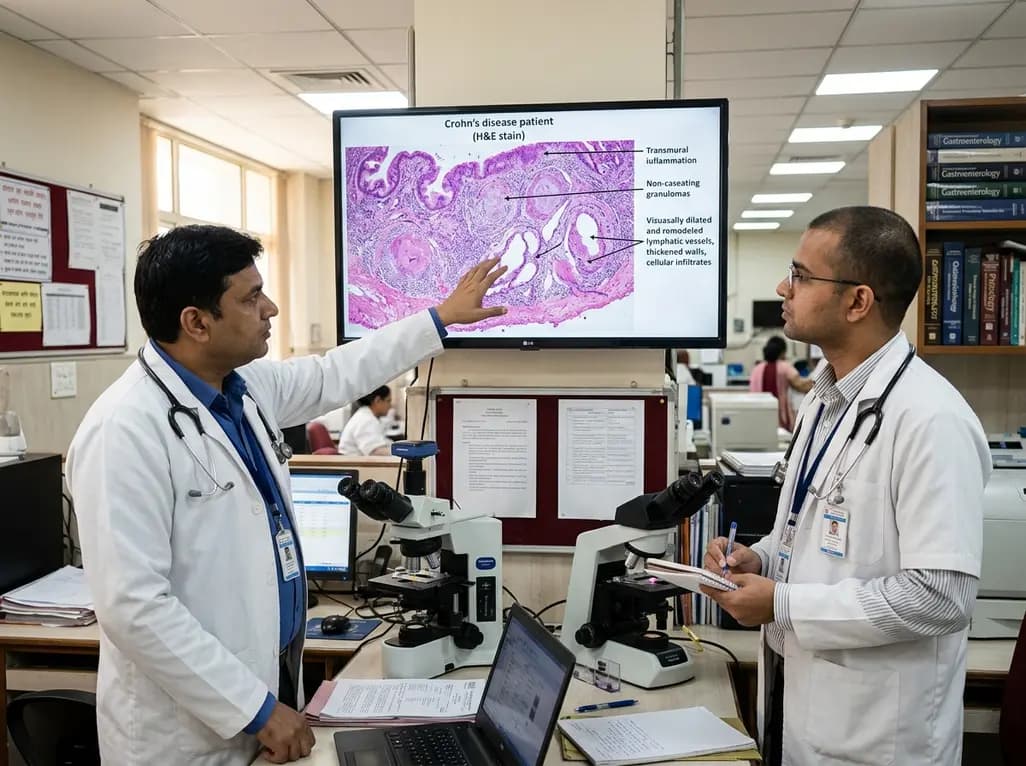
Intestinal lymphatic dysfunction is re-emerging as a fundamental driver of Crohn's disease pathogenesis. Explore how structural remodeling, lymphangitis, and defective clearance shape transmural inflammation and offer novel therapeutic targets.
Today

A school-based intervention using the Health Action Process Approach (HAPA) significantly enhanced adolescents' perceived benefits of consulting healthcare providers and promoted proactive menstrual health behaviors, offering key clinical insights for managing adolescent dysmenorrhea and endometriosis.
Today

A comprehensive analysis of the Translational Maturity Framework for nanomedicine-device combination products, evaluating regulatory complexity, manufacturing hurdles, and clinical readiness across oncology, cardiology, and orthopedics.
Today

A cross-sectional study reveals that sarcopenic obesity independently increases functional impairment and severe disc degeneration in patients with degenerative lumbar spinal stenosis, highlighting the need for body composition assessment.
Today
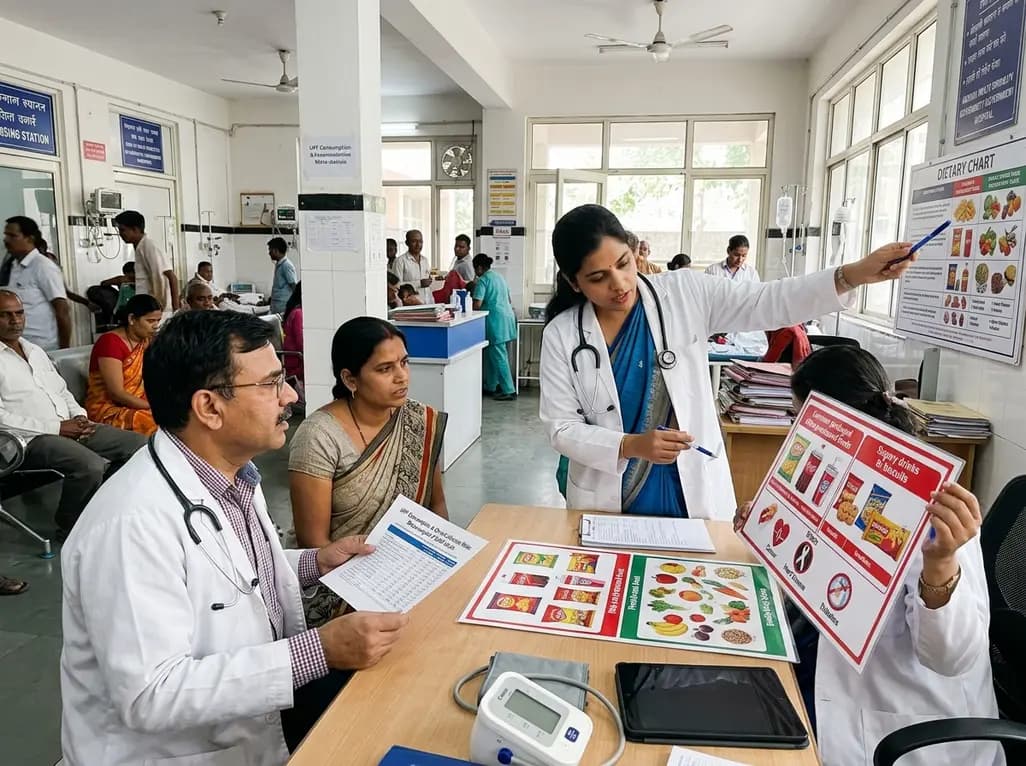
A landmark dose-response meta-analysis of 8.8 million adults reveals that high ultra-processed food intake significantly elevates risks for cardiovascular disease, cancer, diabetes, depression, and all-cause mortality, highlighting urgent needs for clinical lifestyle interventions.
Today
