.webp&w=384&q=75)

Loading, please wait...
Loading, please wait...
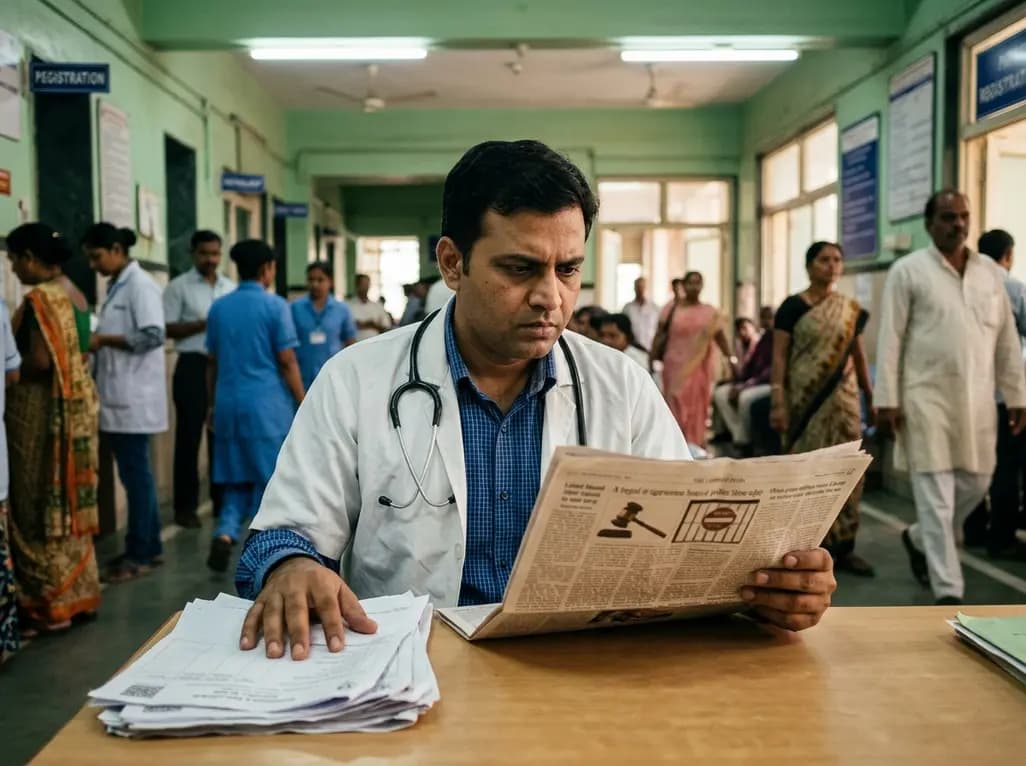
The Nagpur Bench of the Bombay High Court has sought clear answers from the Maharashtra government regarding the proliferation of illegal pathology laboratories across the state. The division bench emphasized that inaccurate diagnostic test results can severely jeopardize patient safety and lead to catastrophic clinical errors. Consequently, the judiciary directed authorities to establish rigorous monitoring mechanisms and enforce decisive actions against unauthorized diagnostic centers.
During the hearing of a public interest litigation, the court expressed serious concern over the unchecked spread of unaccredited diagnostic centers. The petitioner highlighted that thousands of illegal pathology laboratories operate across Maharashtra without necessary medical oversight. Technicians holding basic diplomas or certificates currently run many of these facilities independently. However, statutory regulations mandate that qualified medical practitioners must supervise diagnostic testing.
The bench observed that diagnostic pathology forms the cornerstone of modern clinical decision-making. Therefore, unverified results directly compromise therapeutic interventions. The judges directed the state government to submit a detailed affidavit within one week. This affidavit must outline the exact procedures for identifying non-compliant laboratories and specify penal actions against violators. Furthermore, the court noted that administrative delays in regulating diagnostic providers harm vulnerable patients seeking reliable healthcare.
Accurate clinical pathology requires advanced medical training to interpret complex physiological and biochemical markers. Paramedical technicians possess technical skills for sample collection and equipment operation, but they lack comprehensive training in clinical correlation. When technicians issue diagnostic reports without medical supervision, the likelihood of analytical and post-analytical errors increases dramatically.
Moreover, false-positive or false-negative results distort clinical judgment. For instance, an incorrect hematology or biochemistry report can lead a physician to prescribe inappropriate medications. Similarly, misdiagnosed infectious diseases or erroneous metabolic panels delay critical interventions. Therefore, judicial intervention seeks to protect patients from substandard testing that could exacerbate their conditions. Reliable pathology reports remain essential for accurate staging, precise dosing, and timely clinical management across all medical specialties.
The legal proceedings underscored persistent regulatory ambiguities between state-level legislation and central health directives. Previously, state representatives stated that hospitals fall under the Bombay Nursing Homes Registration Act, whereas standalone laboratories lack specific monitoring under older state laws. Consequently, this enforcement gap has allowed unauthorized laboratories to flourish without routine inspections.
However, the state government informed the court that the Public Health Department is drafting a new regulatory framework. This framework aims to establish stringent registration standards and regular audits for all diagnostic establishments. The high court instructed the government to incorporate robust patient safeguards into the proposed rules. In addition, health authorities must create transparent accountability measures to deter unqualified operators from offering diagnostic services illegally.
The Supreme Court of India and statutory medical councils have previously established that diagnostic reports constitute medical practice. The apex court affirmed that laboratory reports require authentication and signatures from medical practitioners holding postgraduate qualifications in pathology, microbiology, or biochemistry. Thus, technicians holding only a diploma cannot validate diagnostic outcomes or operate independent centers.
Furthermore, professional bodies like the National Medical Commission emphasize that medical interpretation requires deep clinical knowledge. Operating diagnostic units without qualified personnel directly violates established medical jurisprudence. State enforcement agencies must therefore align local inspection protocols with national judicial rulings. Strict adherence to these qualification mandates ensures standardized diagnostic quality across urban clinics and rural healthcare outposts alike.
Treating physicians rely heavily on laboratory data to confirm clinical diagnoses, monitor chronic diseases, and evaluate treatment responses. When clinicians receive reports from unregulated facilities, diagnostic uncertainty increases significantly. Therefore, doctors must remain vigilant regarding the credibility and accreditation of laboratories analyzing their patient samples.
Additionally, medical practitioners face potential medicolegal liabilities if clinical decisions depend on inaccurate results from unaccredited providers. Ensuring laboratory accountability protects both the physician and the patient from avoidable diagnostic hazards. Ultimately, robust regulatory enforcement will elevate the overall standard of diagnostic care, foster interprofessional trust, and promote better patient outcomes across the healthcare ecosystem.
Q1: Why did the Bombay High Court seek clarification on illegal pathology laboratories?
The court demanded clarity because thousands of unauthorized diagnostic centers operate across Maharashtra without qualified medical supervision. The judges emphasized that inaccurate test results compromise clinical treatment decisions, endanger patient safety, and require strict regulatory enforcement mechanisms.
Q2: Who is legally permitted to sign and validate pathology reports in India?
According to the Supreme Court of India and medical regulations, only registered medical practitioners possessing postgraduate qualifications in pathology, microbiology, or biochemistry can sign laboratory reports. Paramedical technicians holding diplomas or certificates cannot independently validate or issue test results.
Q3: What risks do unauthorized diagnostic laboratories pose to patient health?
Unsupervised laboratories present major risks of analytical and clerical errors, resulting in false-positive or false-negative diagnoses. These inaccurate results can lead physicians to prescribe incorrect medications, mismanage chronic conditions, or delay life-saving therapies.
Disclaimer: This content is for informational and educational purposes only. It does not constitute medical advice or replace professional judgment. Refer to the latest local and national guidelines for clinical practice.
References

Read summarized clinical updates, watch expert medical content, and earn CME certifications right from your smartphone.
Open your smartphone camera to scan and install.





The Bombay High Court has sought a detailed affidavit from Maharashtra regarding the regulation of unauthorized diagnostic centers run by unqualified technicians. Inaccurate reports directly threaten clinical decisions, patient safety, and medical quality standards across healthcare practices in the state.
last month

Subcutaneous infliximab provides stable steady-state pharmacokinetics and reduces immunogenicity in inflammatory bowel disease. This clinical review explores pivotal trial evidence, therapeutic drug monitoring recalibration, immunomodulator de-escalation, and real-world switching strategies.
Today
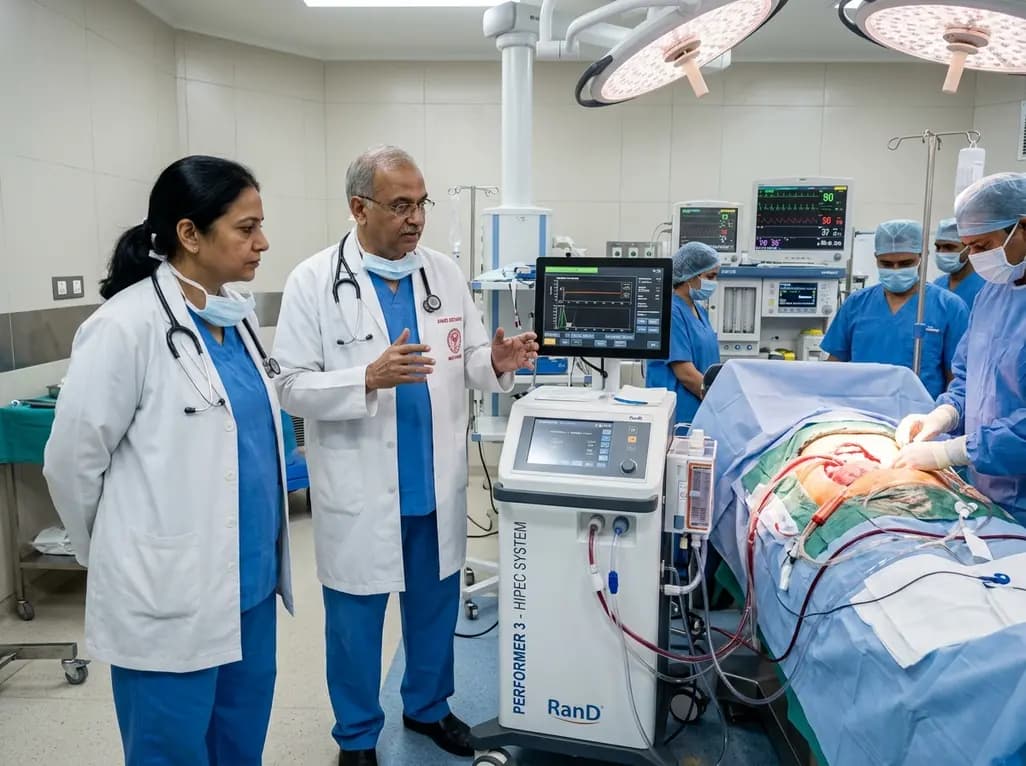
AIIMS Bathinda has inaugurated a specialized peritoneal oncology service featuring the RanD Performer 3 HIPEC platform. The facility offers cytoreductive surgery alongside hyperthermic intraperitoneal chemotherapy, transforming regional management for advanced ovarian, colorectal, and appendiceal malignancies.
Today

A cross-sectional study reveals that hypertension knowledge, illness perceptions, depression, and substance use significantly predict self-care behaviors. Addressing mental health and cognitive beliefs in primary care is crucial for optimal blood pressure control and cardiovascular disease prevention.
Today
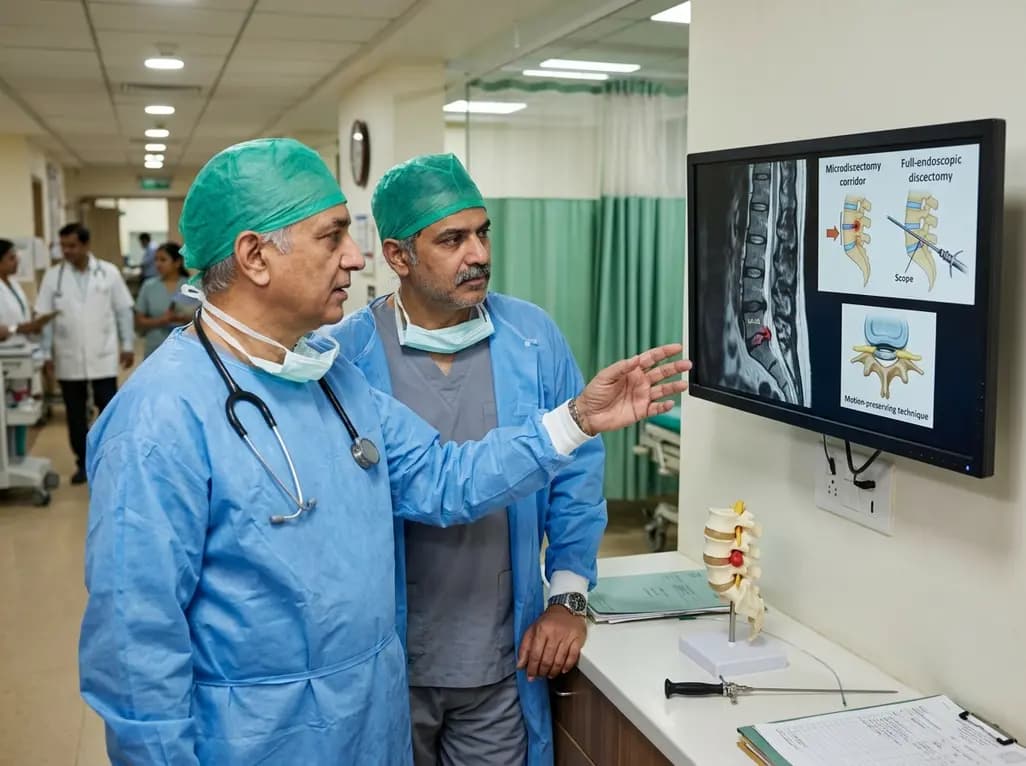
This clinical overview examines recent advancements in lumbar disc herniation surgery, comparing microscopic and full-endoscopic discectomy while highlighting biportal techniques and emerging motion-preserving innovations for spine specialists.
Today

A breakthrough study reveals that loss of SELENOT in hypothalamic POMC neurons triggers premature cellular senescence, ATF6α stress activation, and ER calcium depletion, linking neuroendocrine decay to metabolic disease.
Today
