.webp&w=384&q=75)

Loading, please wait...
Loading, please wait...
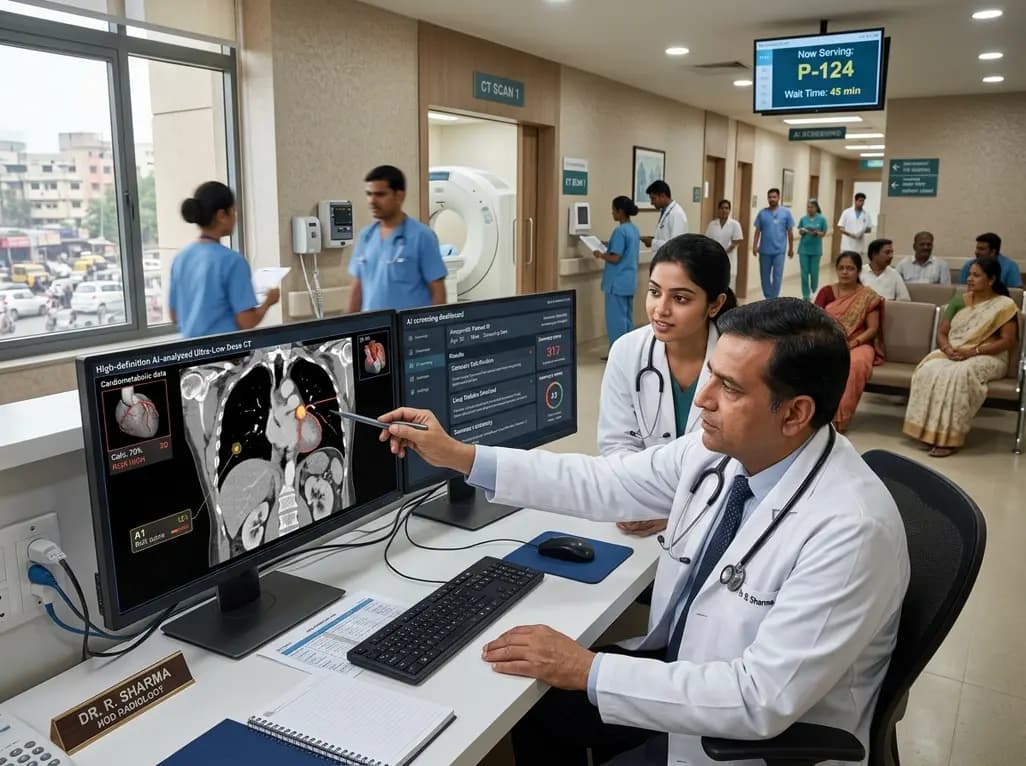
Modern healthcare systems face severe challenges as chronic non-communicable diseases escalate globally. Today, advanced AI health screening is fundamentally altering the traditional medical sequence by detecting risk factors before clinical symptoms manifest.
Conventional tertiary healthcare delivery models focus almost exclusively on acute episodic care. Consequently, hospitals allocate substantial resources to treating the small percentage of individuals who are already symptomatic. However, this reactionary structure often overlooks asymptomatic individuals who harbor silent pathological risks. Medical practitioners in high-volume settings frequently lack the clinical bandwidth to perform exhaustive preventative workups for healthy cohorts. Therefore, dedicated screening institutions provide an indispensable public health bridge.
By leveraging deep learning algorithms, diagnostic facilities can evaluate thousands of imaging data points rapidly without compromising diagnostic quality. Furthermore, machine intelligence helps eliminate diagnostic fatigue during repetitive visual evaluations. These algorithmic tools process extensive physiological data across broader demographics efficiently. As a result, clinical teams can identify subclinical tissue changes long before irreversible organ injury develops. Incorporating artificial intelligence allows clinicians to extend preventative surveillance across expansive outpatient populations while safeguarding tertiary hospital capacity.
Many devastating chronic conditions develop silently over several years without overt functional deficits. Specifically, early atherosclerosis, pulmonary nodules, hepatic steatosis, and metabolic osteopenia remain asymptomatic during early disease stages. Modern AI health screening addresses these silent presentations by uniting automated software with ultra-low-dose computed tomography protocols. Consequently, patients receive diagnostic evaluation with radiation exposure profiles comparable to routine background radiation levels.
Advanced deep learning software reliably reconstructs low-dose volumetric scans to quantify anatomical biomarkers. For example, neural networks calculate coronary artery calcium burdens, visceral adipose tissue volumes, and bone mineral density variations with high reproducibility. Moreover, the algorithmic analysis spots occult pulmonary abnormalities and early hepatic steatosis that manual scans might minimize. These objective quantitative measurements provide medical teams with rich clinical markers to calibrate patient-specific treatment interventions. Ultimately, objective imaging data empowers proactive clinical counseling before acute cardiovascular or metabolic complications occur.
Diagnostic efficiency depends heavily on reducing friction throughout the patient care continuum. Historically, comprehensive outpatient screening required disconnected appointments scheduled across multiple clinical laboratories and imaging suites. In contrast, modern AI-enabled centers combine phlebotomy, ultra-low-dose radiological imaging, automated algorithmic reconstruction, and final doctor consultations into a synchronized workflow. Consequently, individuals complete an exhaustive head-to-toe screening session in approximately 120 minutes.
Automated platforms immediately extract and process DICOM datasets the moment scanners finish acquisition. Additionally, the software generates standardized radiological reports using structured reporting templates. This automated integration removes operational backlogs between radiology suites and consultation rooms. Furthermore, standardized protocols minimize inter-observer measurement discrepancies between different diagnostic facilities. Clinicians can review validated visual heatmaps alongside real-time biochemical metrics during the primary evaluation. Thus, the accelerated diagnostic turnaround delivers immediate clinical guidance without sacrificing meticulous investigative rigor.
Integrating artificial intelligence into diagnostic imaging raises essential questions regarding diagnostic accountability. Importantly, machine learning algorithms serve strictly as augmentative tools rather than autonomous diagnostic engines. Highly qualified radiologists and physicians must validate every machine-generated finding within the appropriate clinical context. While deep learning models excel at detecting textural anomalies, human physicians supply necessary contextual reasoning and holistic clinical synthesis.
Moreover, empathetic communication remains a distinctly human responsibility in modern medicine. When algorithmic tools flag suspicious findings, experienced doctors interpret the clinical significance for the patient directly. They translate abstract calcium scores or parenchymal densities into personalized lifestyle or pharmacological interventions. Therefore, the physician-patient relationship remains the central anchor of clinical care. Ultimately, artificial intelligence accelerates data interpretation, but experienced clinical judgment governs all medical decisions and therapeutic roadmaps.
The long-term value of preventative screening extends far beyond single snapshot assessments. In fact, real-world data repositories demonstrate that sequential screening yields profound insights into individual disease progression. As digital health databases mature, longitudinal machine learning models can track subtle tissue fluctuations across annual examinations. Consequently, physicians can identify subtle trajectory shifts in arterial calcification or liver attenuation that warrant earlier lifestyle modifications.
Furthermore, combining multi-omic biomarker analyses with high-resolution radiological data will sharpen risk prediction algorithms. Corporate wellness programs and health insurance providers increasingly recognize the economic utility of early risk stratification. By preventing catastrophic vascular events and advanced malignancies, health systems lower aggregate expenditures substantially. Thus, institutional expansion of intelligent screening models across India signals an essential paradigm shift toward predictive, personalized, and proactive healthcare delivery.
Q1: How does an AI health screening differ from a standard routine executive health checkup?
Traditional executive checkups rely primarily on standard blood panels, resting electrocardiograms, and basic abdominal ultrasound examinations. In contrast, advanced screening incorporates ultra-low-dose computed tomography paired with deep learning algorithms. This approach quantifies visceral fat, arterial calcification, and early pulmonary nodules accurately within a coordinated two-hour appointment.
Q2: Is radiation exposure from ultra-low-dose screening CT safe for annual preventative evaluations?
Yes, modern ultra-low-dose CT protocols utilize specialized deep learning reconstruction techniques to reduce radiation exposure substantially. The effective dose is comparable to routine background environmental radiation. Consequently, these imaging protocols enable safe, regular surveillance for high-risk lifestyle conditions without delivering the high radiation loads associated with standard diagnostic CT imaging.
Q3: Does artificial intelligence replace the radiologist or physician during health screening?
No, artificial intelligence functions strictly as an augmentative tool that assists clinicians with image reconstruction, pattern recognition, and preliminary measurements. Qualified radiologists and physicians review every algorithmic finding against biochemical results. The final clinical interpretation, risk diagnosis, and therapeutic consultation remain entirely directed by licensed medical professionals.
Disclaimer: This content is for informational and educational purposes only. It does not constitute medical advice or replace professional judgment. Refer to the latest local and national guidelines for clinical practice.
References

Read summarized clinical updates, watch expert medical content, and earn CME certifications right from your smartphone.
Open your smartphone camera to scan and install.





Discover how AI-assisted imaging and ultra-low-dose CT are transforming preventive health checkups in India. By identifying silent cardiometabolic and pulmonary risks early, structured clinical workflows and physician oversight deliver accurate, comprehensive health assessments within a two-hour window.
Today

A multicenter cohort study reveals real-world adherence to IL-17, IL-23, and IL-12/23 biologics in moderate-to-severe psoriasis exceeds 94%. Older age, female sex, and IL-23 inhibitors independently predict adherence rates of 90% or greater, offering key practical guidance for managing psoriatic disease.
Today
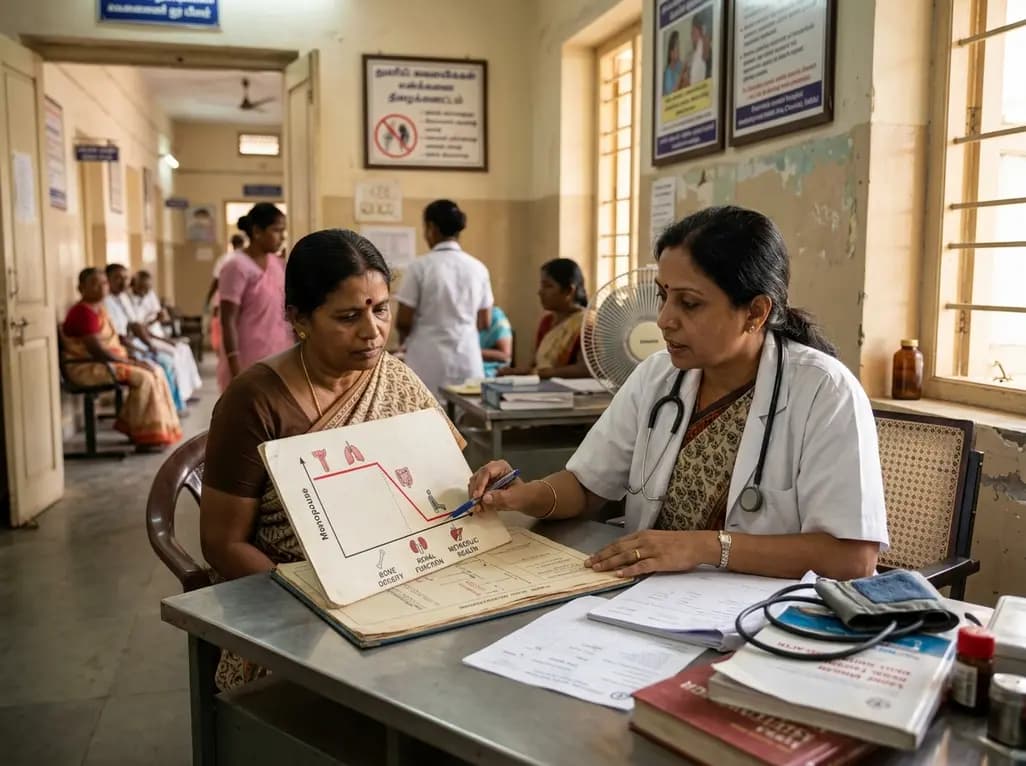
Recent research challenges the traditional view of menopause as a slow transition, demonstrating an abrupt physiological cliff across metabolic, renal, and bone markers. Understanding these rapid multi-organ shifts allows clinicians to optimize early screening, lifestyle guidance, and personalized hormone therapy.
Today
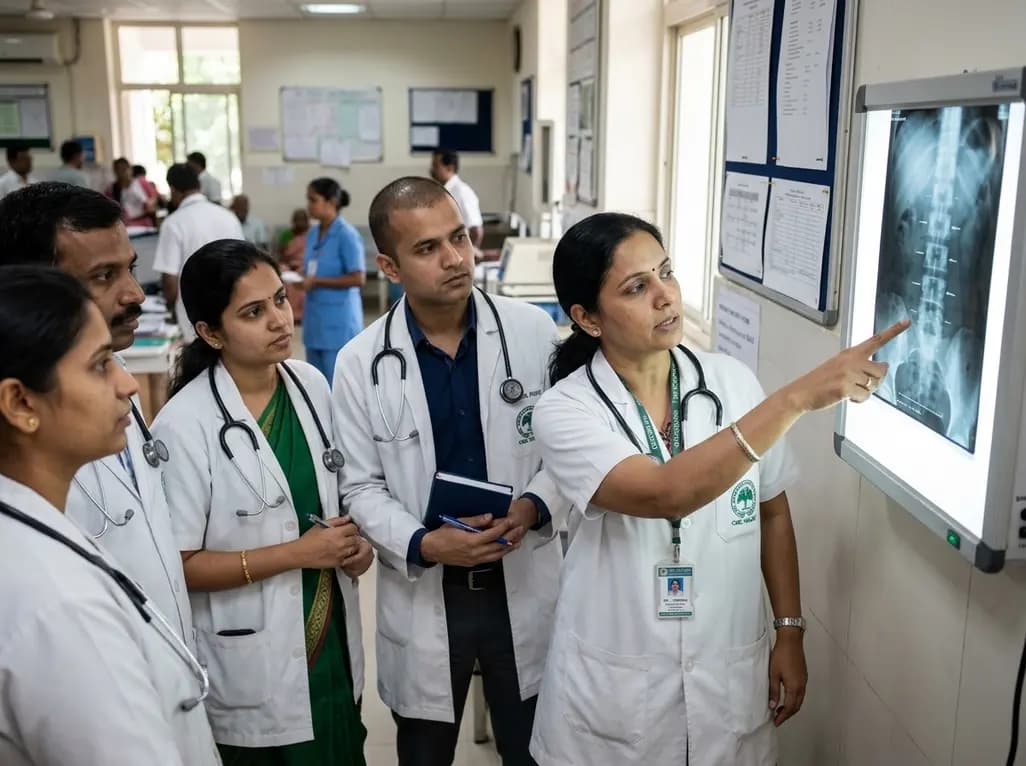
A comprehensive umbrella review of 22 meta-analyses and 286,584 adults reveals that calcium supplementation modestly increases bone mineral density and reduces vertebral fractures, but does not decrease hip or wrist fracture risks.
Today
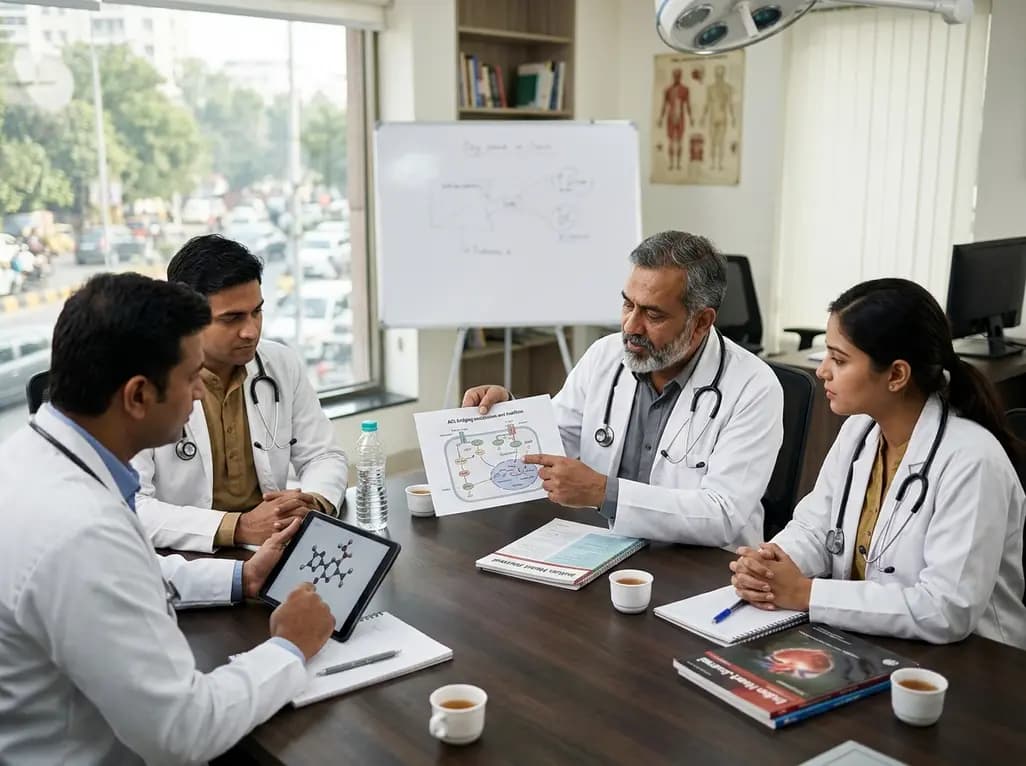
ATP-citrate lyase (ACLY) bridges energy metabolism and epigenetic regulation by generating acetyl-CoA. This review explores ACLY biology, its disease relevance across cardiometabolic disorders and oncology, and current clinical developments surrounding ACLY inhibitors like bempedoic acid.
Today
