.webp&w=384&q=75)

Loading, please wait...
Loading, please wait...
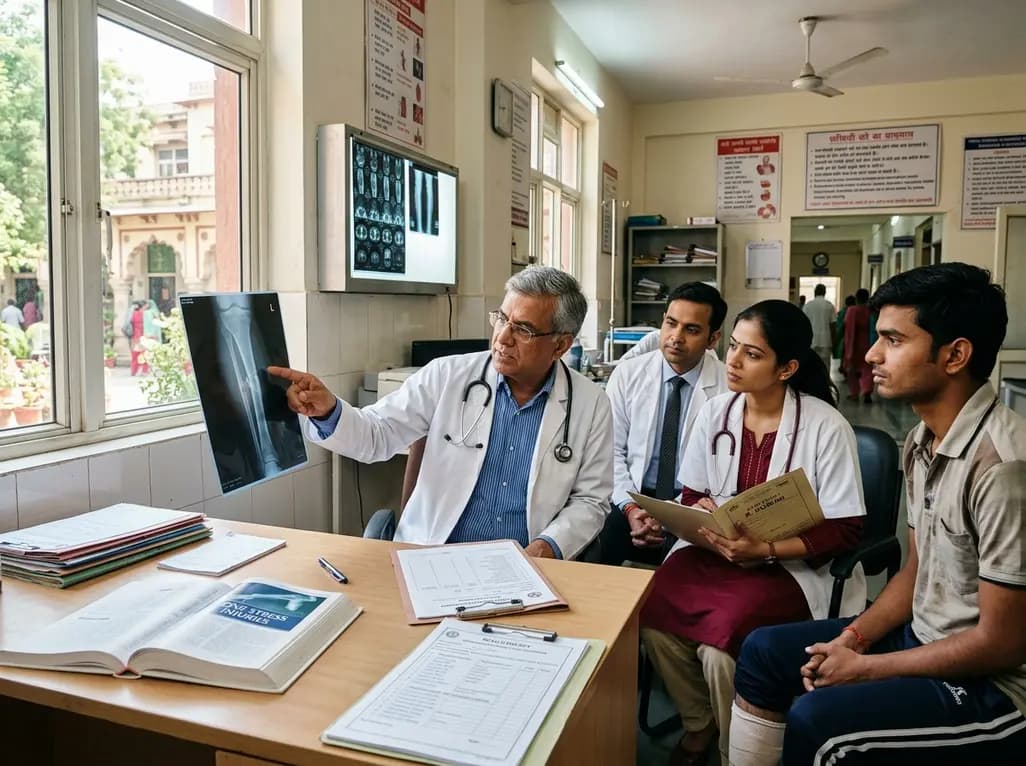
Overuse musculoskeletal conditions represent a major healthcare and operational challenge in athletic and defense settings. Specifically, bone stress injuries occur frequently during high-intensity physical conditioning, affecting between 5% and 21% of military recruits during initial entry training. These conditions emerge when repetitive mechanical microdamage outpaces localized skeletal remodeling and repair. Consequently, structural microcracks accumulate within cortical or trabecular bone, progressing from early periosteal stress reactions to overt cortical fractures. Traditionally, clinicians have evaluated bone stress injuries through a narrow biomedical lens. They focused predominantly on biological risk factors such as biological sex, low bone mineral density, previous injury history, and sudden increases in running mileage. However, pure biomechanical approaches frequently fail to explain why some recruits experience prolonged disability and high attrition rates while others recover rapidly. As military healthcare leaders recognize the multifaceted nature of musculoskeletal trauma, whole-person paradigms are gaining momentum. The innovative COMprehensive BSI Assessment and Treatment - Recovery (COMBAT-R) model addresses this critical gap. By establishing a longitudinal biopsychosocial continuum, this framework connects mechanical tissue strain with psychological health, cognitive appraisals, and neuroendocrine pathways. Ultimately, recognizing this clinical complexity allows medical teams to design more comprehensive, individualized rehabilitation protocols.
Musculoskeletal rehabilitation often overlooks the profound physiological influence of mental and emotional strain. When a recruit or athlete sustains an overuse trauma, psychological distress frequently follows. For instance, low baseline psychological hardiness, depression, heightened kinesiophobia, and negative recovery expectations trigger an escalating cycle of decline. Furthermore, persistent psychological distress stimulates the hypothalamic-pituitary-adrenal axis, leading to sustained elevations in circulating cortisol. Elevated systemic cortisol impairs osteoblast proliferation, promotes osteoclastic resorption, and delays structural collagen synthesis at the fracture site. Consequently, psychological stress actively interferes with biological skeletal remodeling. In addition, pain-related fear and movement avoidance alter motor recruitment patterns. These abnormal biomechanical strategies place aberrant localized loads across healing bone segments. Meanwhile, fear-avoidance beliefs lead to disuse osteopenia, physical deconditioning, and social isolation. Therefore, unaddressed psychological vulnerability directly contributes to poor tissue healing, recurrent symptoms, and premature medical discharge. Clinicians must recognize that biological failure rarely happens in isolation from psychological stress. By mapping these bidirectional interactions, healthcare providers can intervene early to interrupt this destructive cascade before irreversible functional deterioration takes hold.
The COMBAT-R model structures clinical assessment and management across three distinct, time-sensitive resilience phases. First, preventative resilience takes place prior to physical training. During this phase, sports medicine teams conduct baseline screening to detect modifiable vulnerability factors. Clinicians evaluate nutritional status, baseline physical fitness, bone mineral density, and sleep hygiene alongside psychological coping strategies and distress tolerance. Second, response resilience operates during the active training continuum. As physical intensity escalates, trainees encounter high physical fatigue and emotional demands. Therefore, continuous monitoring helps instructors and medical officers identify early markers of skeletal overload and acute mental distress before structural breakdown manifests. Third, recovery resilience begins immediately following the diagnosis of a bone stress injury. This critical phase shifts the clinical focus from acute symptom management to holistic tissue restoration and psychological reconditioning. Medical personnel deliver tailored rehabilitation protocols that integrate progressive mechanical loading with psychological coping tools. Accordingly, dividing the continuum into these three synchronized phases ensures that clinicians deliver the right intervention at the precise stage of injury vulnerability. This structured progression supports sustainable recovery and mitigates long-term career attrition.
Physical therapy protocols for skeletal overload typically prioritize non-weight-bearing periods, gradual cross-training, and progressive reloading. However, the COMBAT-R model highlights the essential role of targeted psychosocial interventions as valuable clinical adjuncts. Specifically, Pain Neuroscience Education helps patients understand that pain signals do not solely reflect acute tissue damage. By reframing pain as a complex nervous system alarm, this approach effectively reduces kinesiophobia and catastrophizing during the reloading phase. In addition, clinicians can integrate Acceptance and Commitment Therapy into daily orthopedic workflows. This modality encourages individuals to accept uncomfortable bodily sensations while pursuing meaningful, value-driven rehabilitation goals. Consequently, trainees maintain positive self-efficacy and active participation even when facing physical setbacks. Moreover, structured cognitive reframing addresses low recovery expectations and diminishes fear-avoidance behaviors. Physical therapists and orthopedic surgeons do not need specialized psychological degrees to implement these foundational communication tools. When rehabilitation specialists combine standard mechanical loading progressions with cognitive principles, patients achieve superior compliance, reduced symptom chronicity, and lower reinjury rates. Thus, embedding psychosocial techniques directly into physical rehabilitation elevates standard musculoskeletal care.
Successfully translating the COMBAT-R framework into clinical practice requires coordinated interdisciplinary collaboration. Orthopedic specialists, sports physicians, physical therapists, and performance staff must communicate through a unified diagnostic and therapeutic language. When a patient presents with localized bone tenderness and confirmed magnetic resonance imaging findings, initial management must combine accurate tissue staging with brief psychosocial screening questionnaires. For example, clinicians should evaluate pain catastrophizing, kinesiophobia, and perceived stress during the initial evaluation. Furthermore, return-to-play and return-to-duty criteria must expand beyond painless palpation and radiographic union. Clinicians must also verify psychological readiness, movement confidence, and emotional resilience prior to full operational clearance. In addition, graded running reintroduction must pair incremental mechanical loading with structured sleep and nutritional optimization. Because bone remodeling responds dynamically to systemic metabolic balance, maintaining adequate caloric and calcium intake remains vital. By systematically combining biological metrics with psychological readiness markers, clinicians can make objective, risk-mitigated clearance decisions. Ultimately, this comprehensive biopsychosocial approach preserves physical capabilities, prevents recurrent stress fractures, and significantly reduces avoidable medical discharges across demanding occupational environments.
Bone stress injuries represent a continuum of structural skeletal damage resulting from repetitive, submaximal mechanical loading without adequate recovery. When cumulative strain exceeds the bone's biological capacity for remodeling, microdamage accumulates rapidly. Consequently, the condition progresses from periosteal inflammation and bone marrow edema to microfractures and complete cortical fractures. High-impact marching, sudden mileage spikes, and poor baseline bone health accelerate this destructive mechanical process significantly.
Traditional biomedical models focus exclusively on structural bone load, anatomy, and nutrition, ignoring mental factors that dictate patient outcomes. However, psychological distress, fear of reinjury, and depression elevate systemic cortisol levels, which directly impairs biological osteogenesis. Furthermore, negative cognitive beliefs reduce patient compliance with rehabilitation protocols and drive premature medical discharge. Incorporating psychosocial screening and education ensures comprehensive healing and sustained return-to-activity success across high-demand populations.
Pain Neuroscience Education reframes pain perception, helping patients realize that discomfort during rehabilitation does not necessarily signal active tissue destruction. This understanding reduces fear-avoidance behaviors and kinesiophobia during progressive reloading phases. Meanwhile, Acceptance and Commitment Therapy fosters psychological flexibility, empowering patients to engage in active rehabilitation despite temporary physical discomfort. Together, these evidence-based modalities improve therapeutic adherence, reduce symptom chronicity, and optimize functional outcomes.
Disclaimer: This content is for informational and educational purposes only. It is not intended to be a substitute for professional medical advice, diagnosis, or treatment. Always seek the advice of your physician or other qualified health provider with any questions you may have regarding a medical condition. Refer to the latest local and national guidelines for clinical practice.
References

Read summarized clinical updates, watch expert medical content, and earn CME certifications right from your smartphone.
Open your smartphone camera to scan and install.





Bone stress injuries significantly impact military recruits and athletes. The COMBAT-R model introduces a comprehensive biopsychosocial framework that integrates screening, resilience phases, and psychological interventions alongside physical rehabilitation to optimize bone healing.
last month
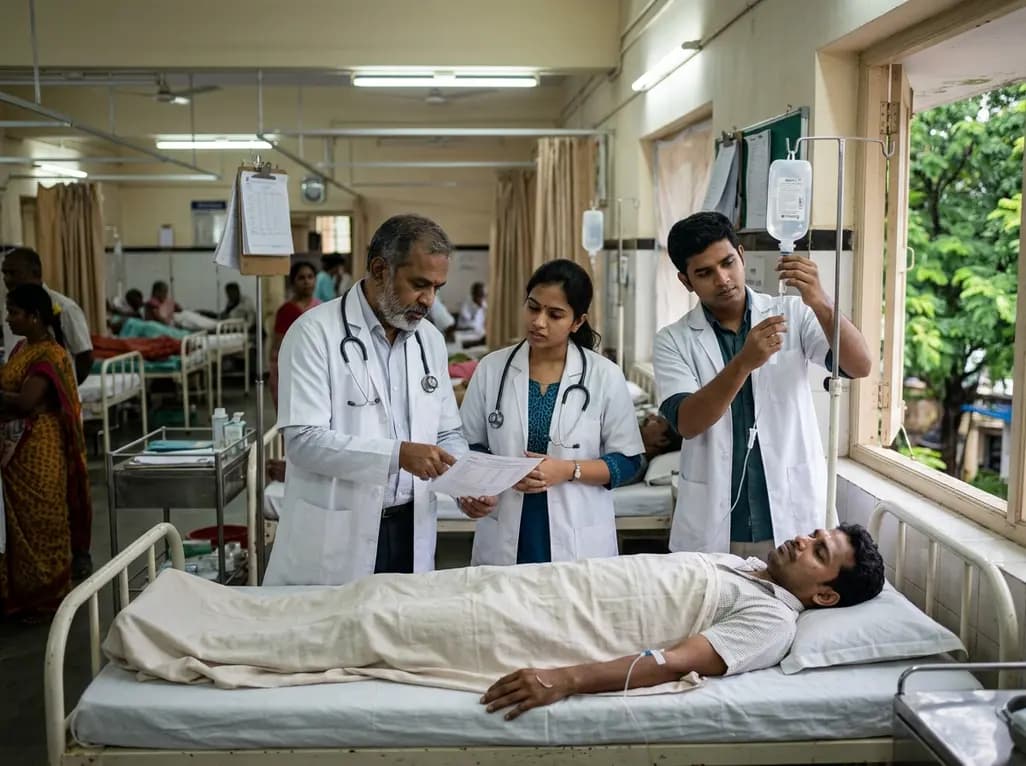
With post-monsoon dengue surges threatening South Asian health systems, physicians must refine triage and management. This guide covers vital warning signs, plasma leakage detection, crystalloid titration, and vector containment strategies to prevent mortality during seasonal arboviral epidemics.
Today

Findings from Project Viva indicate that sustained postpartum weight retention, rather than excessive gestational weight gain alone, directly worsens women's mid-life cardiovascular health, degrading blood pressure and glycemic parameters decades after delivery.
Today
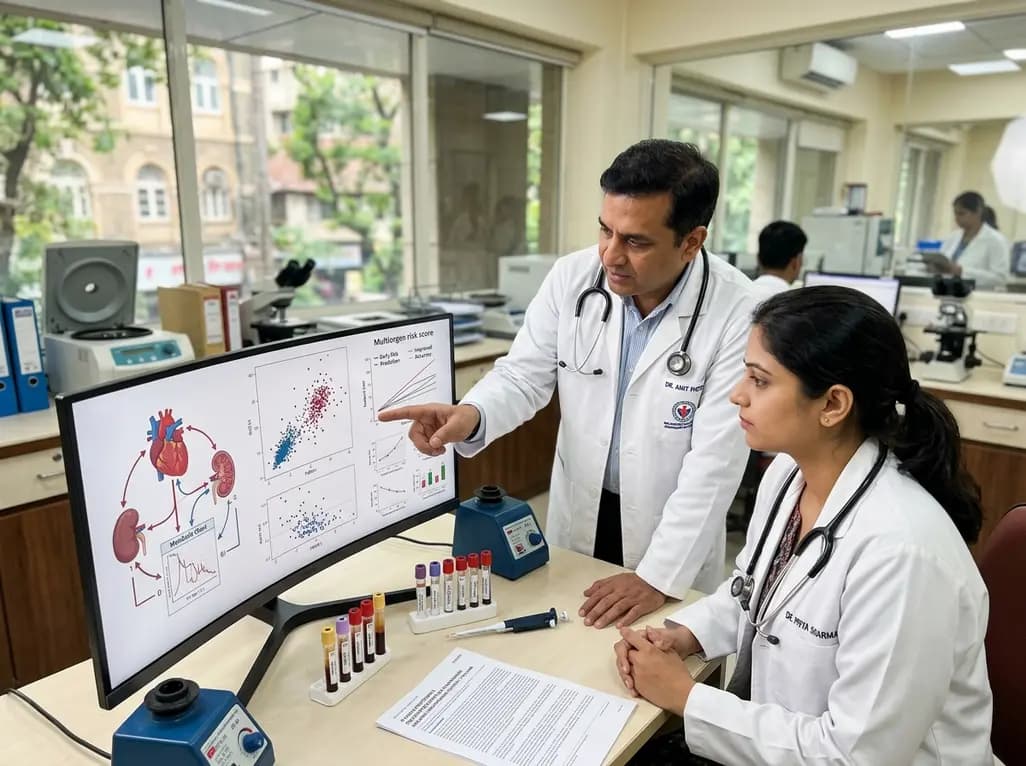
A large UK Biobank study reveals that plasma proteomic signatures capture preclinical organ damage and improve multiorgan risk prediction across early CKM syndrome stages 0 to 2 beyond traditional PREVENT clinical models.
Today
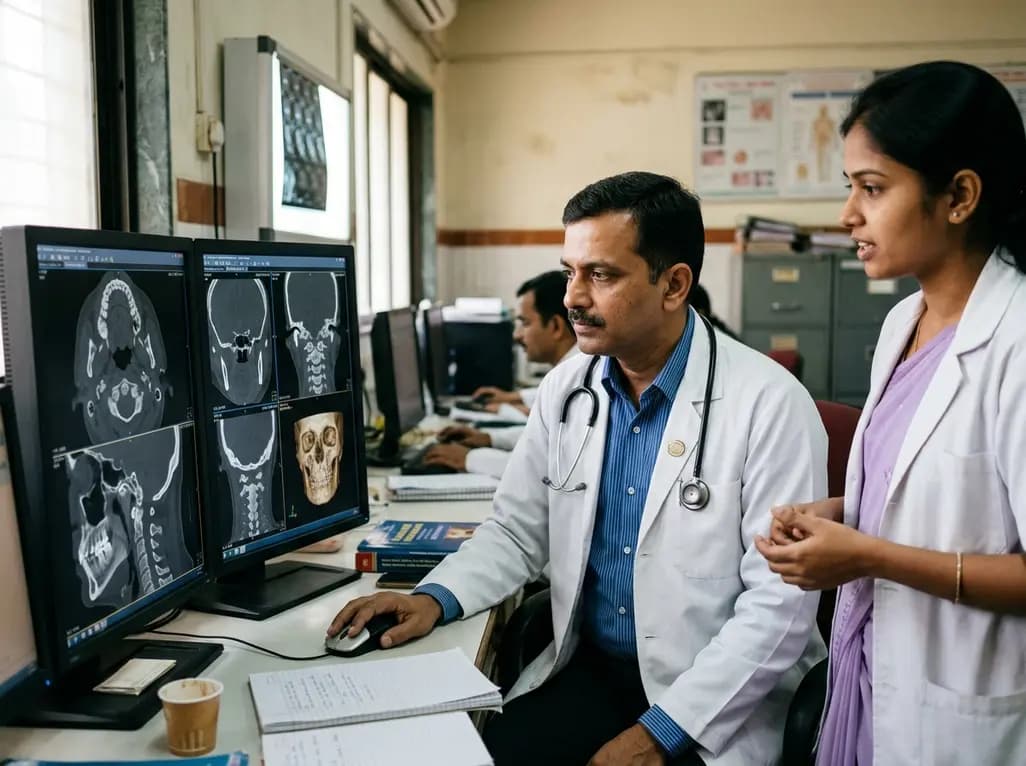
A retrospective CBCT study reveals that superior TMJ space asymmetry correlates moderately with occipital condyle-atlas-axis asymmetry in unilateral TMJ osteoarthritis, highlighting an imaging correlate between jaw biomechanics and upper cervical alignment rather than a standalone diagnostic marker.
Today

A Bayesian multilevel meta-analysis reveals that aerobic training combined with moderate carbohydrate restriction modestly lowers HbA1c in type 2 diabetes. However, sparse data and very low certainty leave incremental benefits over exercise or diet alone unproven, highlighting the need for individualized care.
Today
