

Loading, please wait...
Loading, please wait...

Precision oncology demands innovative delivery platforms that eliminate malignant cells while sparing healthy host tissues. Recently, biomimetic magnetic nanocarriers have emerged as transformative vehicles for targeted gene editing and non-invasive cancer theranostics. Solid tumors create physiological obstacles that hinder conventional chemotherapeutic drugs and naked nucleic acids. Furthermore, rapid enzymatic degradation and reticuloendothelial clearance severely restrict the bioavailability of systemically administered CRISPR/Cas9 plasmids. To address these pharmacokinetic challenges, bioengineers combine superparamagnetic nanoparticle cores with natural cellular membranes. Consequently, these hybrid carriers avoid immune surveillance and shuttle therapeutic molecules directly into neoplastic lesions. In breast cancer, where biological heterogeneity causes therapeutic resistance, targeted gene disruption provides exceptional therapeutic specificity. Therefore, coupling magnetic cores with biological cloaking represents a pivotal advance in cancer nanomedicine. In addition, these multifunctional vectors combine therapeutic gene modification with real-time diagnostic imaging. Clinicians can track delivery dynamics and monitor therapeutic response without invasive tissue biopsies. Moreover, the formulation lowers the overall drug exposure needed to achieve tumor suppression. Thus, biomimetic magnetic nanocarriers offer unprecedented therapeutic possibilities for oncology.
The structural composition of this nanoplatform ensures durable cargo protection and prolonged intravascular circulation. At its foundation, the vector utilizes a superparamagnetic iron oxide nanoparticle core to electrostatically bind genome-editing plasmids. These magnetic cores display high loading capacities, exceptional colloidal stability, and favorable magnetic resonance profiles. However, synthetic nanoparticles often encounter immediate recognition by circulating phagocytes, which clears them prematurely. To prevent this rapid mononuclear phagocyte clearance, investigators coat each iron oxide core with erythrocyte membranes. Red blood cells inherently present surface molecules, including CD47, which signal self-tolerance to the innate immune system. Therefore, erythrocyte-cloaked nanoparticles evade macrophage engulfment and maintain extended circulation half-lives. Furthermore, the intact membrane bilayer protects the fragile plasmid DNA from plasma endonucleases. In contrast to synthetic polymers, natural cell membranes offer outstanding biocompatibility without inducing harmful systemic inflammation. In addition, the magnetic core responds predictably to external magnetic gradients, permitting site-directed guidance. Consequently, this engineering approach creates a stable biomimetic shield that delivers fragile genetic components intact to neoplastic tissue. Thus, the hybrid design preserves functional plasmid integrity during transit.
Passive biodistribution through vascular permeability cannot guarantee sufficient tumor specificity for clinical genome manipulation. Therefore, investigators functionalize the biomimetic erythrocyte membrane with AS1411 aptamers to drive active cellular targeting. AS1411 is a synthetic single-stranded DNA aptamer that binds cell-surface nucleolin with exceptional affinity. Normal quiescent cells sequester nucleolin strictly inside the nuclear compartment. In contrast, proliferating breast cancer cells express aberrant quantities of nucleolin across their outer plasma membranes. Consequently, AS1411 functions as a molecular homing device that selectively guides nanocarriers to malignant cells. Once the aptamer binds surface nucleolin, it stimulates receptor-mediated endocytosis and promotes cytosolic entry. Furthermore, the aptamer maintains strong binding affinity following membrane insertion, ensuring precise cancer uptake. Fluorescence microscopy and flow cytometry confirmed significantly higher reporter gene expression in targeted 4T1 cells compared to untargeted controls. Similarly, immunoblot analyses revealed superior delivery efficiency with the aptamer-functionalized formulation. Accordingly, this ligand-directed mechanism enhances cancer cell uptake while minimizing off-target deposition in normal organs. Thus, active aptamer targeting provides an indispensable safety layer for clinical translation.
This multifunctional platform seamlessly unites real-time magnetic resonance imaging with CRISPR-mediated gene disruption. Superparamagnetic iron oxide nanoparticles perturb local magnetic environments, generating strong negative contrast on T2-weighted MRI sequences. Consequently, the nanocarrier produces marked signal hypointensity precisely within the tumor parenchyma after systemic delivery. Radiologists can track nanocarrier accumulation non-invasively and confirm adequate intratumoral delivery before clinical evaluation. Moreover, this diagnostic feedback allows oncologists to verify spatial localization rather than relying purely on surrogate biomarkers. In contrast to conventional systemic therapies, theranostic nanoparticles provide immediate radiographic verification of tumor delivery. At the same time, the delivered CRISPR/Cas9 plasmid disrupts the Wilms tumor 1 oncogene. WT1 overexpression frequently occurs in aggressive breast carcinoma phenotypes, where it drives cellular proliferation and inhibits apoptosis. In vivo murine experiments demonstrated substantial tumor-growth suppression following targeted nanocarrier administration. Furthermore, ex vivo fluorescence imaging confirmed elevated reporter activity restricted to neoplastic tissue. Accordingly, targeted WT1 disruption disables key oncogenic pathways while leaving healthy tissues undamaged. Consequently, physicians acquire comprehensive anatomical and therapeutic data during a single diagnostic session. Thus, this integrated theranostic modality establishes simultaneous imaging and molecular therapeutic control.
While preclinical findings demonstrate remarkable efficacy, several translational considerations require thorough exploration prior to clinical adoption. First, researchers must establish reproducible gene-editing efficiency across heterogenous patient-derived tumor models. Long-term genomic monitoring remains necessary to quantify potential off-target cleavages and verify genetic stability. Although red blood cell cloaking minimizes immunogenicity, allogeneic membrane sources could theoretically induce minor blood-group alloimmunization. Therefore, clinical translation necessitates standardized autologous harvesting protocols or universal erythrocyte membrane derivation under strict regulatory controls. Second, clinicians must evaluate the long-term metabolic clearance of degraded iron oxide nanoparticles in human patients. In addition, multidisciplinary collaboration between medical oncologists, radiologists, and molecular geneticists will accelerate rigorous clinical trials. However, the modular architecture of this biomimetic platform permits rapid adaptation to alternative therapeutic targets. Clinicians can replace the guide RNA or the targeting aptamer to treat different solid tumors. Consequently, this theranostic vector illustrates the immense potential of bio-inspired nanotechnology in modern precision medicine. Therefore, ongoing preclinical validation paves the way toward future clinical trials. As clinical trials advance, these multifunctional nanocarriers may revolutionize personalized oncologic therapy in tertiary cancer centers.
Biomimetic magnetic nanocarriers significantly enhance gene delivery by shielding genetic payloads from systemic clearance and enzymatic degradation. Furthermore, erythrocyte membrane coating provides immune evasion, prolonging systemic circulation in vivo. Simultaneously, surface-conjugated aptamers such as AS1411 actively bind to nucleolin receptors overexpressed on malignant cells. Consequently, this targeted mechanism increases tumor accumulation, facilitates cell internalization, and minimizes collateral toxicity to healthy tissues during oncologic interventions.
The Wilms tumor 1 gene functions as a notable oncogene in several solid malignancies, including aggressive breast cancer phenotypes. Therefore, WT1 overexpression promotes cell proliferation, sustains survival pathways, and contributes significantly to therapeutic resistance. However, traditional small-molecule inhibitors often fail to modulate such nuclear transcription factors effectively. By utilizing CRISPR/Cas9 disruption, researchers can achieve direct transcriptional repression, halting oncogenic signaling and triggering apoptosis in malignant breast tissue.
Superparamagnetic iron oxide nanoparticles serve as the platform's core, offering potent negative contrast enhancement on T2-weighted magnetic resonance imaging. Consequently, clinicians and researchers can monitor vector biodistribution and tumor accumulation non-invasively in real time. Moreover, this diagnostic capability bridges therapy and imaging into a unified theranostic modality. As a result, clinicians may evaluate therapeutic localization and assess tumor responsiveness before, during, and after gene-editing procedures.
Disclaimer: This content is for informational and educational purposes only... Refer to the latest local and national guidelines for clinical practice.
References
Sameiyan E et al. Biomimetic magnetic nanocarriers for theranostic CRISPR/Cas9 delivery: targeting WT1 in a murine model of breast cancer. J Mater Chem B. 2026 Nov 25. doi: 10.1039/d6tb01278g. PMID: 43080227.
Hu CMJ, Zhang L, Aryal S, Cheung C, Fang RH, Zhang L. Erythrocyte membrane-camouflaged polymeric nanoparticles as a biomimetic delivery platform. Proc Natl Acad Sci U S A. 2011;108(27):10980-10985.
Luk BT, Zhang L. Cell membrane-camouflaged nanoparticles for drug delivery. J Control Release. 2015;220(Pt B):600-607.

Read summarized clinical updates, watch expert medical content, and earn CME certifications right from your smartphone.
Open your smartphone camera to scan and install.





Preclinical research demonstrates that biomimetic magnetic nanocarriers loaded with CRISPR/Cas9 plasmids can target WT1 in breast cancer. Cloaked in red blood cell membranes with AS1411 aptamers, this theranostic vector inhibits tumor growth while providing enhanced MRI contrast for precise oncologic tracking.
Today

Researchers have engineered dual adenosine-modulating nanoparticles that systematically deliver CD73 and FTO inhibitors. This nanomedicine platform dismantles extracellular adenosine and intracellular m6A checkpoints, restoring cytotoxic CD8+ T cell immunity and preventing post-surgical cancer metastasis.
Today

A qualitative study examines the barriers and opportunities surrounding HPV vaccine awareness and uptake in Bangladesh. The findings reveal key adolescent knowledge gaps, socio-cultural hesitancies, and healthcare delivery hurdles, providing vital lessons for cervical cancer prevention programs across South Asia.
Today

Discover how structured coaching, mentoring, and sponsorship frameworks sustain congenital cardiologists across their careers, enhancing technical competence, well-being, and equity.
Today

A recent Canadian study evaluates the relationship between hormonal contraceptive use, sport discipline, and volumetric bone density in elite female athletes. Using HR-pQCT, researchers found no clinically meaningful deficits, offering reassuring evidence for sports medicine and gynecology clinicians.
Today
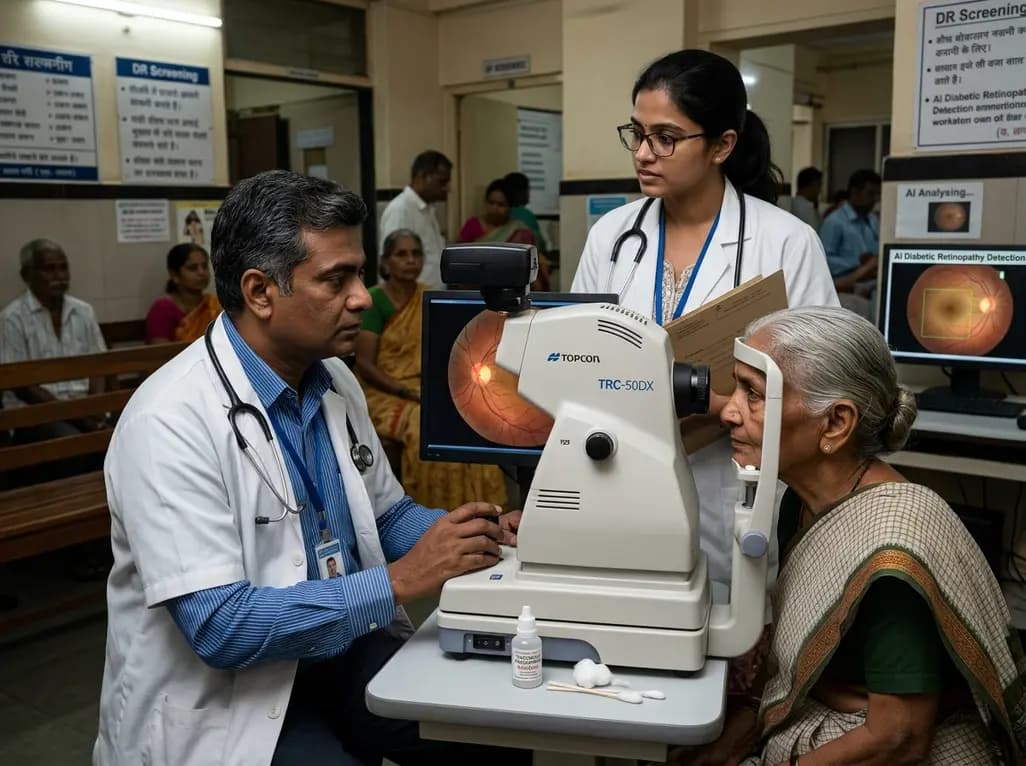
A clinical evaluation in India reveals that pupillary dilation significantly improves image gradeability from 67% to 90% in older adults undergoing AI diabetic retinopathy detection. Pharmacological mydriasis overcomes senile miosis and media opacities, enhancing early diagnostic yield and screening reliability.
Today
