

Loading, please wait...
Loading, please wait...
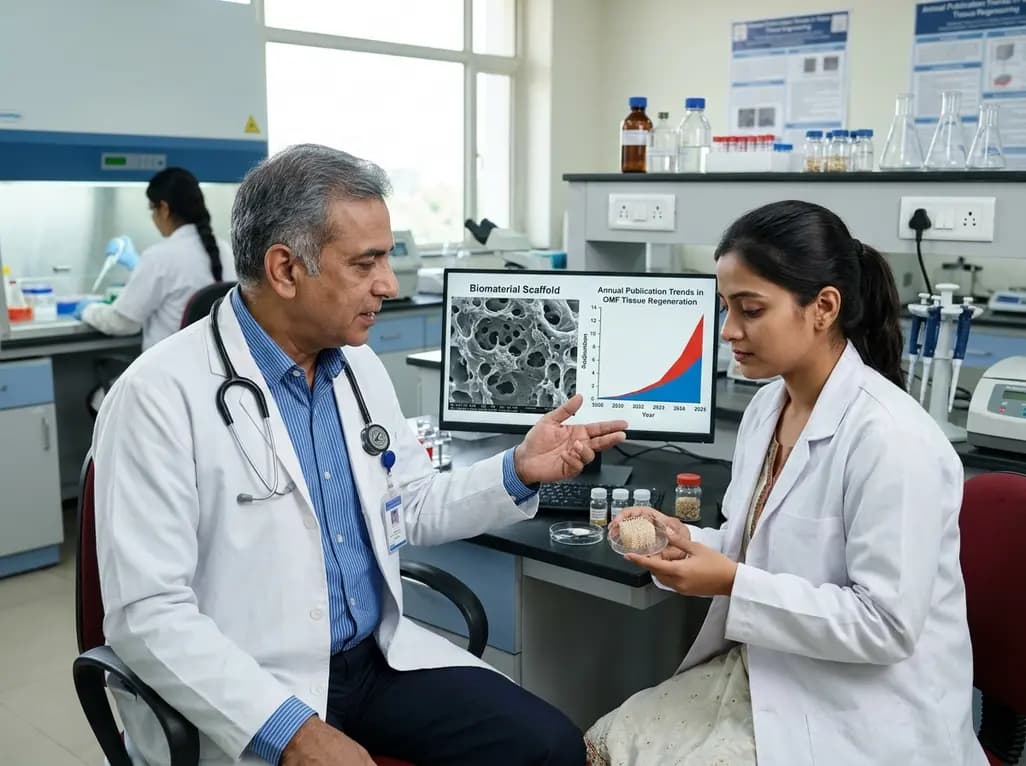
Modern reconstructive surgery relies heavily on advanced biomaterials to restore complex oral structure and clinical function. Consequently, maxillofacial tissue regeneration has emerged as a premier field within contemporary restorative dentistry and reconstructive surgery. Clinicians regularly face significant obstacles when treating extensive bone loss resulting from facial trauma, oncological resection, or severe periodontal disease. Historically, autologous bone grafting represented the standard therapeutic strategy for skeletal reconstruction. However, autografts carry substantial clinical drawbacks, including donor-site morbidity, limited harvesting volume, and prolonged patient recovery times. Therefore, researchers worldwide have dedicated immense effort toward engineering synthetic biomaterials that actively stimulate host osteogenesis. A recent bibliometric study analyzed 1,159 publications spanning 1991 to 2025 indexed within the Web of Science Core Collection. Notably, the findings revealed an exponential surge in scientific publications, particularly after 2020. This upward trajectory reflects rapid academic expansion, deeper molecular insights, and growing commercial investment in craniofacial regenerative technologies. Computational mapping tools, including VOSviewer, CiteSpace, and Biblioshiny, successfully visualized the evolving intellectual structure of this specialty. Ultimately, the bibliometric evidence highlights a profound paradigm shift away from passive mechanical supports toward biologically instructive regenerative scaffolds.
The global research footprint illustrates vibrant international collaboration alongside focused institutional leadership in tissue engineering. Notably, China and the United States lead global scientific production, contributing the highest citation counts and institutional partnerships. These two countries have established dense collaborative networks that drive biomaterial innovation, computational modeling, and clinical translation. In addition, prominent academic centers across Europe and East Asia contribute significantly to advanced scaffold fabrication and cellular characterization. However, international research networks reveal distinct differences in research infrastructure, funding allocation, and regional healthcare priorities. Developing healthcare systems, including India, are expanding their scientific participation to address massive domestic reconstructive demands. In India, oral squamous cell carcinomas, severe vehicular trauma, and chronic periodontitis generate an urgent clinical need for cost-effective biomaterials. Therefore, strengthening domestic research capacity and joining international collaborative consortiums represent essential steps for Indian surgeons. Furthermore, co-authorship analyses demonstrate that groundbreaking advances require cross-disciplinary synergy among diverse scientific specialties. Bioengineers, material chemists, oral pathologists, and reconstructive surgeons must collaborate closely to ensure effective clinical adoption. Consequently, international partnerships are prioritizing rigorous translational validation over isolated laboratory experiments.
Keyword co-occurrence analysis indicates a strategic migration from inert grafting matrices toward smart responsive biomaterial platforms. Previously, reconstructive procedures relied heavily on static inorganic ceramics, such as beta-tricalcium phosphate and synthetic hydroxyapatite. Although conventional ceramic scaffolds provide osteoconductive architecture, they often exhibit slow degradation rates and minimal vascular ingrowth. In contrast, modern investigators focus extensively on hydrogels as versatile matrices that mimic natural extracellular environments. Hydrogels maintain superior water retention, customizable interconnected porosity, and exceptional biological compatibility for cellular attachment. Furthermore, injectable formulations allow clinicians to deliver regenerative materials into complex anatomical defects using minimally invasive surgical approaches. Because the oral environment presents dynamic masticatory stresses and microbial exposure, hydrogels offer distinct mechanical and biological advantages. Scientists can tailor responsive polymer networks to react intelligently to physiological temperature, enzymatic activity, or localized pH variations. Consequently, stimulus-responsive hydrogels can suppress localized inflammation while providing controlled sustained delivery of osteogenic growth factors. Thus, advanced hydrogels establish a protective regenerative niche that accelerates stem cell differentiation, angiogenesis, and functional tissue repair.
Advanced polymers and functional nanotechnology are driving the development of next-generation regenerative constructs in dental surgery. Specifically, chitosan has captured intense research interest because of its extraordinary chemical versatility and favorable biological profile. This natural biopolymer displays intrinsic antibacterial activity, excellent biodegradability, and superior biocompatibility within delicate oral mucosal tissues. Moreover, its reactive chemical structure allows facile blending with inorganic ceramics to enhance overall mechanical stability and osteoconductivity. Meanwhile, the strategic incorporation of nanoparticles marks another transformative milestone in craniofacial biomaterial engineering. Nanostructured bioceramics closely emulate natural bone mineral architecture, thereby accelerating osteoblast proliferation, biomineralization, and early capillary formation. In addition, polymeric and metallic nanoparticles serve as powerful carriers within localized drug delivery systems. These nano-carriers protect fragile therapeutics, including antimicrobial agents and signaling proteins, from aggressive salivary enzymes. Therefore, nanocarriers achieve controlled, sustained payload release directly at the injury site without producing systemic toxicity. Ultimately, combining chitosan hydrogels with bioactive nanoparticles produces multifunctional scaffolds that prevent bacterial infection while promoting rapid bone regeneration.
Despite impressive preclinical outcomes, translating advanced biomaterials into daily surgical practice presents significant biological and logistical hurdles. The oral cavity possesses a uniquely challenging environment characterized by diverse polymicrobial biofilms, continuous salivary flow, and masticatory loading. Consequently, regenerative constructs must maintain structural integrity while resisting microbial colonization and enzymatic breakdown. Furthermore, most preclinical investigations utilize healthy animal models that fail to simulate realistic human clinical conditions. In India, patients requiring reconstructive interventions frequently suffer from chronic comorbidities like uncontrolled diabetes, severe malnutrition, or heavy tobacco use. These systemic conditions alter local immune responses, diminish microvascular perfusion, and impair osteogenesis around newly placed biomaterials. Therefore, surgical researchers must evaluate regenerative platforms under compromised systemic conditions to verify practical clinical efficacy. Additionally, manufacturing scalability, long-term shelf stability, and regulatory approval under Indian medical device guidelines demand careful consideration. Maxillofacial surgeons and periodontists require affordable, off-the-shelf regenerative solutions that alleviate financial burdens on vulnerable patient populations. Thus, future research must prioritize pragmatic randomized clinical trials and cost-effective domestic fabrication to maximize community healthcare benefits.
The rapid expansion of this field stems from increasing clinical demands for functional and aesthetic craniofacial reconstruction following traumatic injury, oncological surgery, and periodontal disease. Furthermore, significant donor-site morbidity associated with conventional autografts has driven the search for reliable synthetic alternatives. In addition, recent breakthroughs in biomaterial synthesis, 3D bioprinting, and nanotechnology allow investigators to manufacture customized bioactive scaffolds that accelerate osteogenesis and soft-tissue healing.
Traditional bone grafts act mainly as passive space maintainers and frequently lack active biological signaling to promote rapid tissue restoration. In contrast, hydrogels and chitosan scaffolds replicate the natural extracellular matrix, facilitating cell adhesion, migration, and differentiation. Moreover, chitosan possesses natural antimicrobial properties against common oral pathogens, whereas injectable hydrogels fill irregular bone defects seamlessly. Consequently, these smart biomaterials minimize surgical trauma, suppress localized inflammation, and accelerate tissue integration.
Nanoparticle delivery platforms encapsulate delicate therapeutic compounds, such as antibiotics, anti-inflammatory agents, and osteogenic peptides, safeguarding them from aggressive salivary enzymes. Furthermore, these nanoscale vesicles ensure prolonged, targeted drug release directly into the damaged tissues without causing systemic adverse effects. As a result, nanoparticles effectively prevent bacterial biofilm colonization, stimulate localized blood vessel formation, and enhance osteoblast activity, ensuring predictable bone consolidation and superior surgical recovery.
Disclaimer: This content is for informational and educational purposes only... Refer to the latest local and national guidelines for clinical practice.
References

Read summarized clinical updates, watch expert medical content, and earn CME certifications right from your smartphone.
Open your smartphone camera to scan and install.





A comprehensive bibliometric analysis maps the rapid evolution of biomaterials in oral and maxillofacial tissue regeneration from 1991 to 2025. Research output surged after 2020, shifting focus from inert grafts to responsive hydrogels, chitosan scaffolds, nanoparticles, and targeted local drug delivery systems.
Today
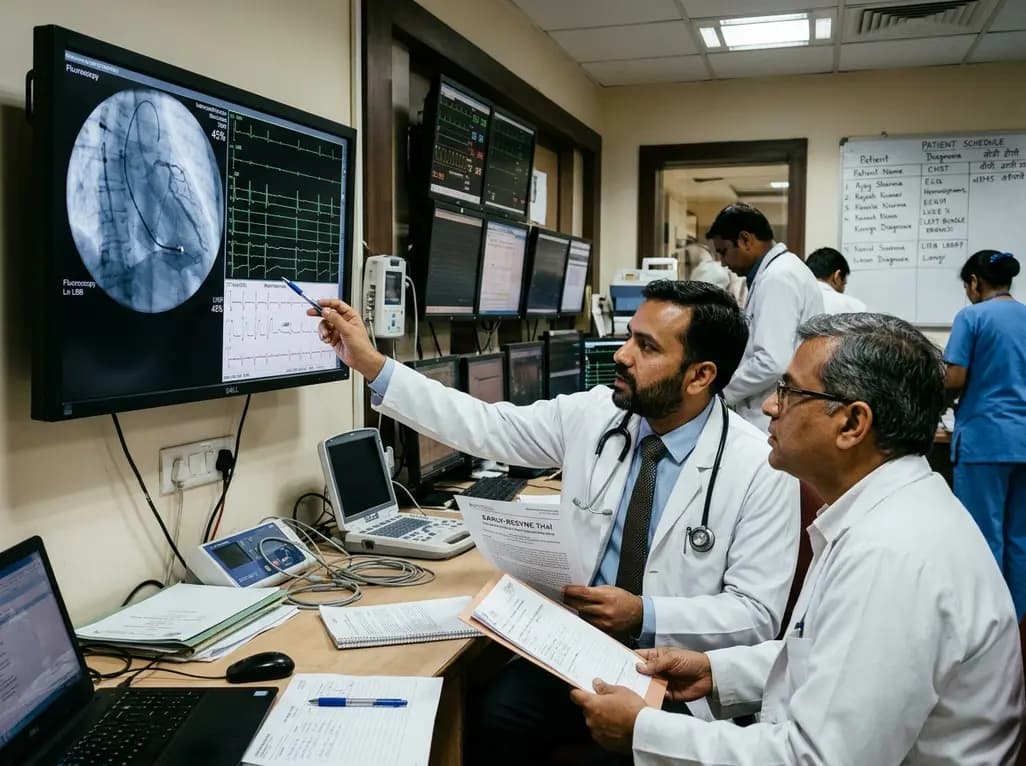
The randomized EARLY-RESYNC trial reveals that early left bundle branch pacing combined with guideline-directed medical therapy significantly improves LVEF and reduces LV end-systolic volume compared to medical therapy alone in patients with complete LBBB and mildly reduced ejection fraction (36%-50%).
Today
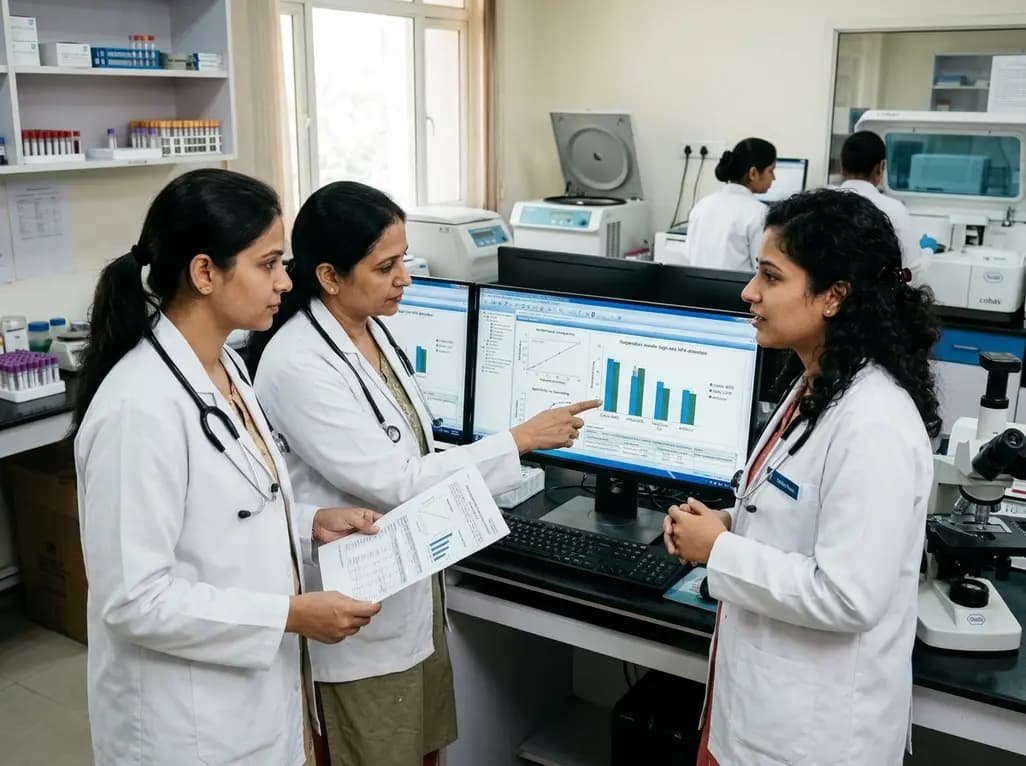
A comparative evaluation of INNO-LiPA, Cobas 4800, and Amplicor highlights significant assay-dependent variation in high-risk HPV detection, emphasizing the clinical distinction between analytical sensitivity and screening specificity.
Today
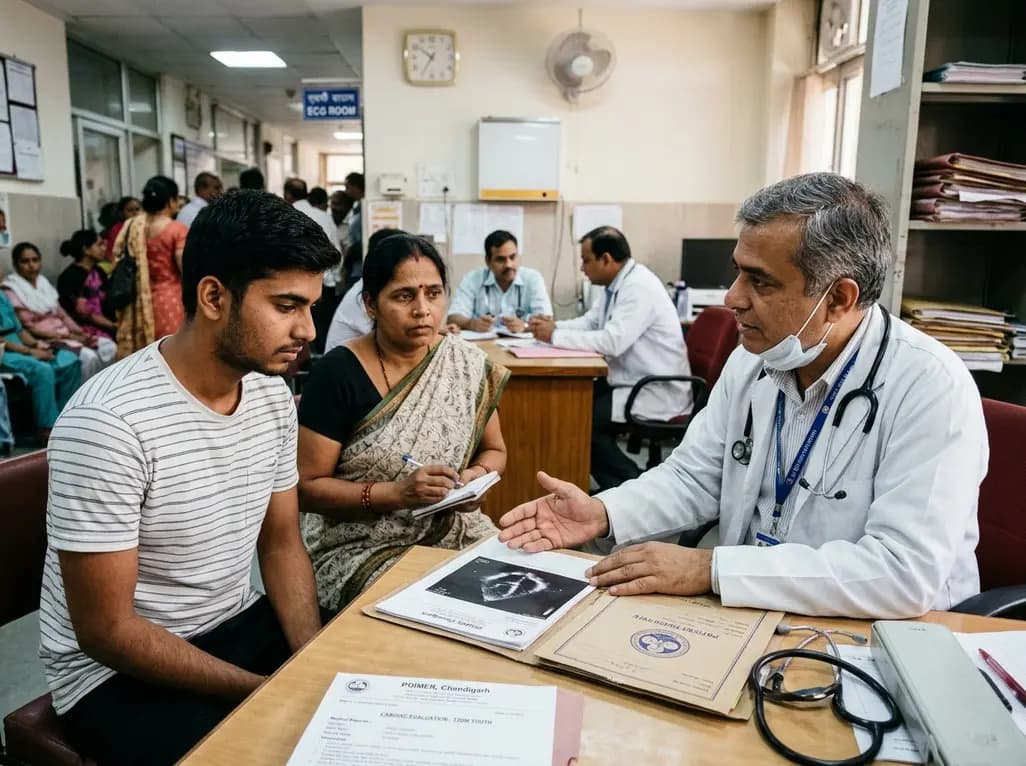
Recent data from PGIMER reveals that young adults diagnosed with type 2 diabetes face an aggressive disease trajectory. They encounter severe cardiovascular and microvascular damage within five years, occurring at higher rates than in type 1 diabetes despite lower mean blood glucose levels.
Today
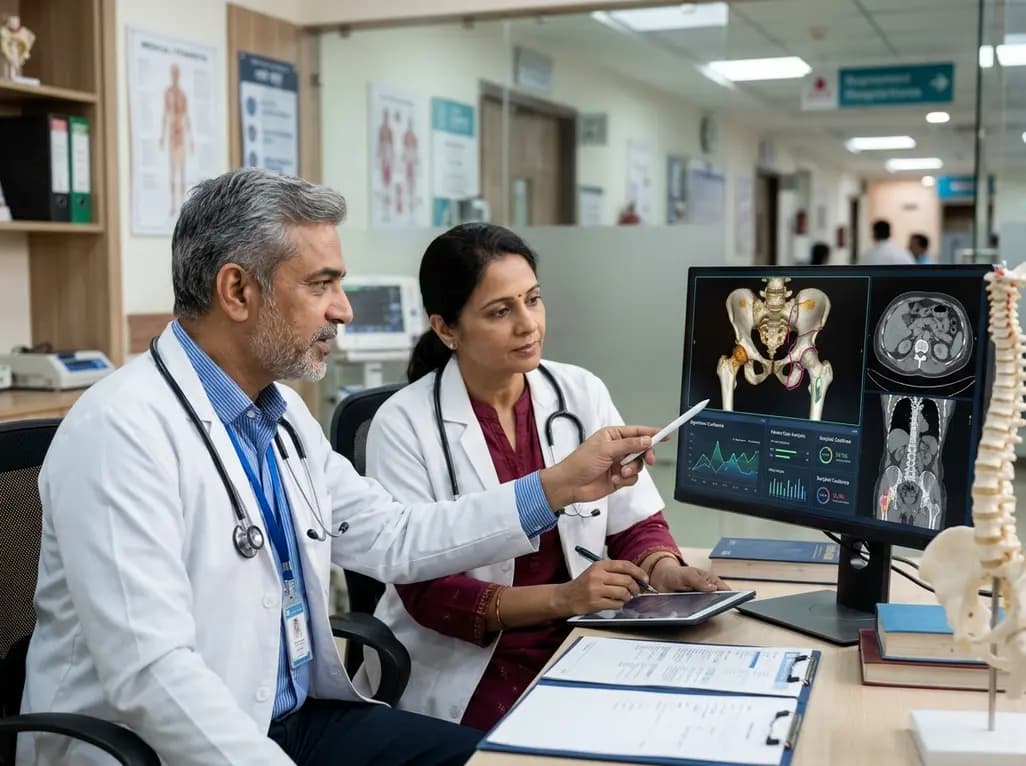
Discover the six core principles of responsible AI in orthopaedics, emphasizing algorithmic fairness, transparency, clinical reliability, and specialist oversight to safeguard patient trust and outcomes.
Today
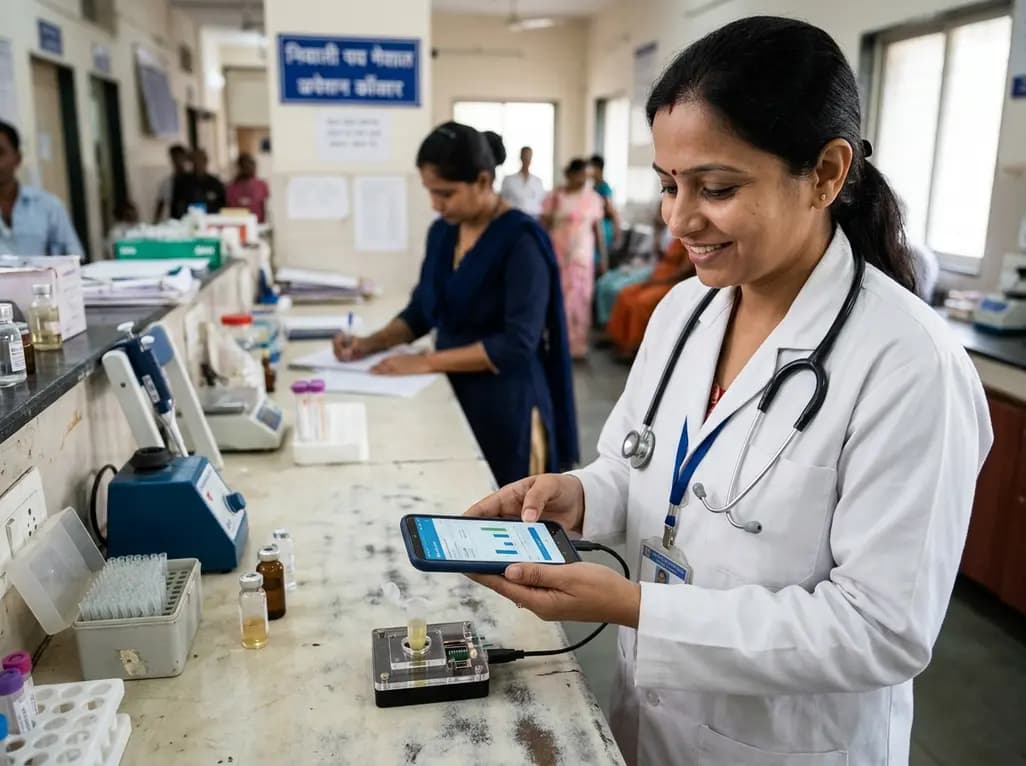
A novel smartphone-assisted biosensor utilizing molecularly imprinted polymers and catalytic nanozymes offers antibody-free, enzyme-free urinary microalbumin testing, enabling rapid, low-cost point-of-care screening for early chronic kidney disease.
Today
