.webp&w=384&q=75)

Loading, please wait...
Loading, please wait...

Scientists recently reported promising results for Biologic Ventricular Assist Tissue (BioVAT) in the New England Journal of Medicine. Therefore, this technology represents a significant step forward in regenerative medicine for cardiac repair. In this open-label trial, clinicians treated patients with heart failure using allografts of engineered heart muscle. Moreover, the trial specifically targeted individuals with a reduced left ventricular ejection fraction (LVEF) of 35% or less. Consequently, the researchers observed meaningful improvements in both heart structure and patient symptoms.
The study highlights how BioVAT effectively remuscularizes damaged cardiac tissue. For instance, the target heart-wall thickness increased by an average of 4.5 mm after transplantation. Furthermore, the patients\' quality of life improved considerably, showing a 15.3-point increase in KCCQ-OSS scores. Although three patients died during the study, the investigators found no deaths directly related to the surgical procedure itself. Because of these findings, BioVAT may eventually offer a viable alternative to mechanical assist devices. Nevertheless, long-term safety data remains essential before widespread clinical adoption in India.
Additionally, the trial demonstrated a mean increase in LVEF of 4.7 percentage points among the treated group. This improvement suggests that the stem-cell-derived cardiomyocytes successfully integrated into the host heart. In fact, most patients who completed the follow-up showed sustainable results at the three-month mark. Thus, the safe maximal dose of 20 engineered-heart-muscle units appears both feasible and effective for terminal heart failure patients.
BioVAT is a tissue-engineered product composed of cardiomyocytes and stromal cells derived from induced pluripotent stem cells. It acts as a biological patch to repair and strengthen the failing heart.
It increases the thickness of the heart wall and improves the heart\'s pumping ability. Consequently, patients experience better physical function and fewer symptoms of heart failure.
Currently, BioVAT remains in the clinical trial phase. While results are promising, it is not yet available for routine clinical use outside of research settings.
Disclaimer: This content is for informational and educational purposes only and does not constitute medical advice. Always seek the advice of a qualified healthcare provider with any questions regarding a medical condition. Refer to the latest local and national guidelines for clinical practice.
References
Zimmermann WH et al. Stem-Cell-Derived Biologic Ventricular Assist Tissue in Heart Failure. N Engl J Med. 2026 May 28. doi: 10.1056/NEJMoa2513525. PMID: 42202318.
ClinicalTrials.gov. BioVAT-HF: Safety and Efficacy of iPSC-derived Engineered Human Myocardium. NCT04396899.
FirstWord Pharma. BioVAT-HF Phase 1/2 Reveals First Evidence for Effective Heart Repair in Advanced Heart Failure. 2023 Nov 14.

Read summarized clinical updates, watch expert medical content, and earn CME certifications right from your smartphone.
Open your smartphone camera to scan and install.





A phase 1-2 study in NEJM shows BioVAT transplantation significantly increases heart wall thickness and ejection fraction in advanced heart failure patients...
4 months ago
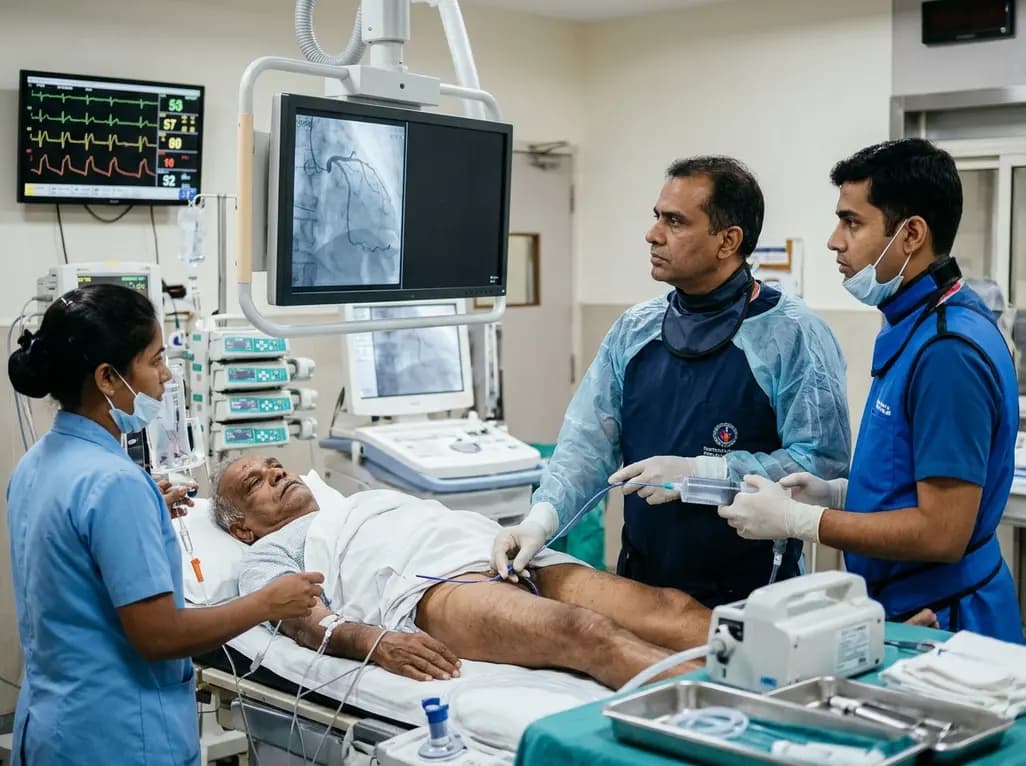
An elderly man with partially repaired Tetralogy of Fallot presented with STEMI caused by coronary embolism rather than atherosclerosis. Successful treatment with sustained mechanical aspiration thrombectomy underscores the vital need for high clinical vigilance in adult congenital heart disease.
Today

Demanding exhaustive hormonal profiling can inadvertently discourage clinical studies involving females. Methodological standards must align with the specific scientific question to expand, not restrict, equitable evidence for women.
Today
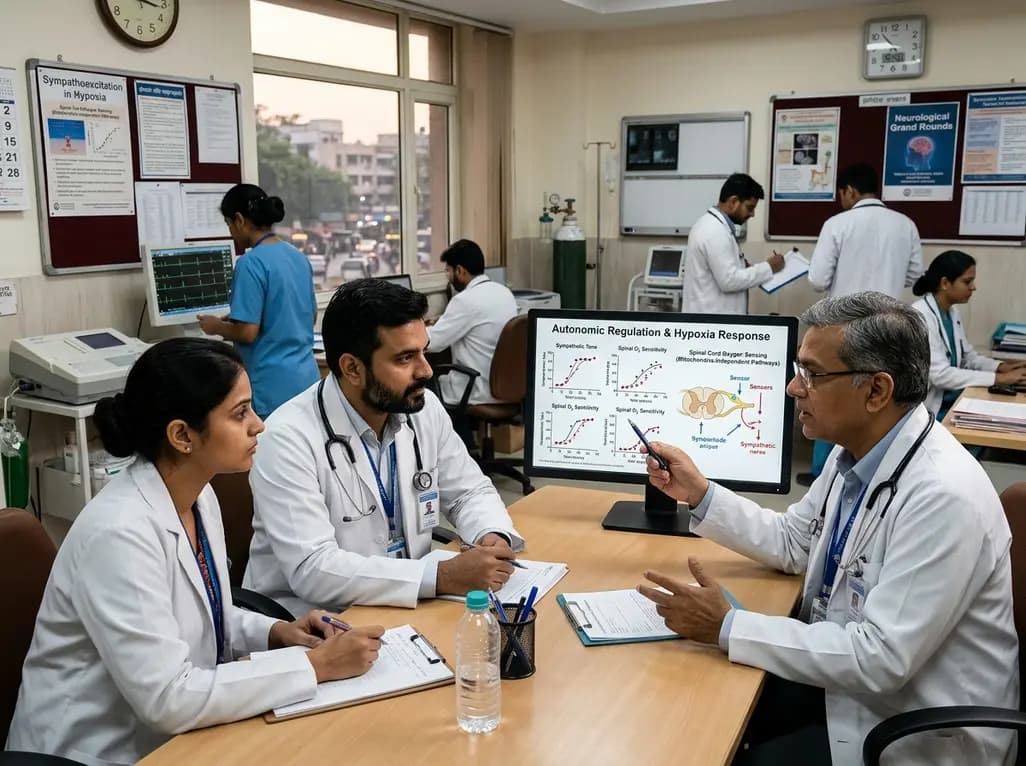
A recent study demonstrates that spinal oxygen sensors do not require mitochondrial electron transport to trigger sympathetic excitation during acute hypoxia, revealing new insights into how mitochondrial oxidative stress modulates autonomic tone in cardiovascular and neurological diseases.
Today
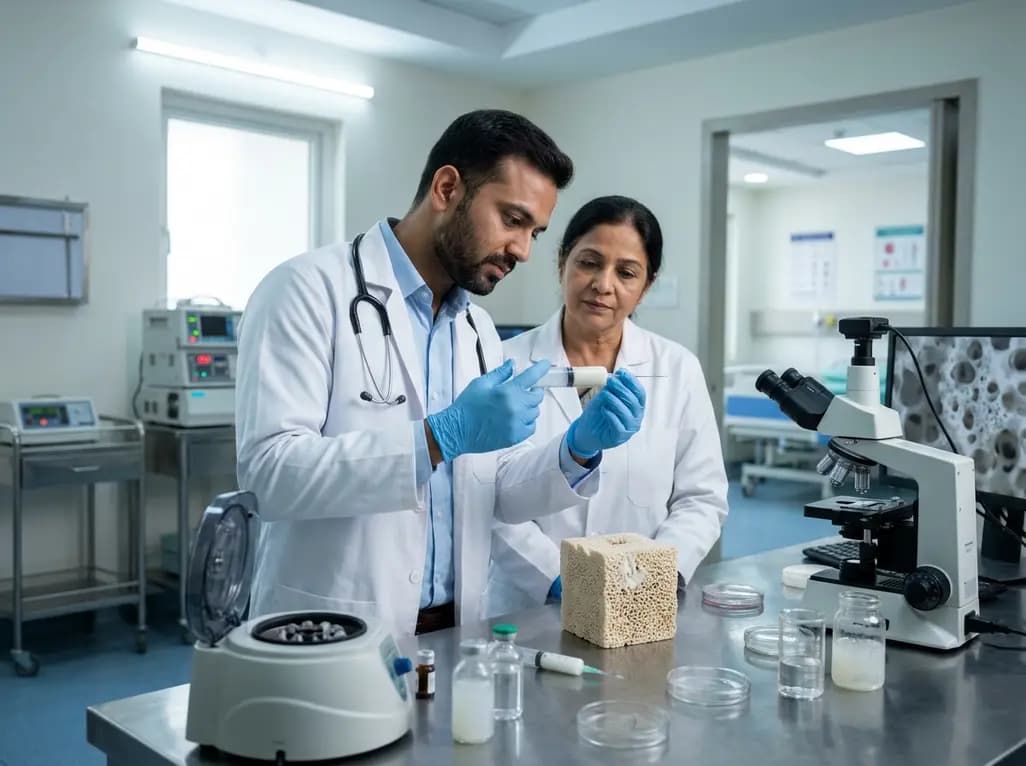
A novel calcium polyphosphate coacervate enables injectable bone implants with in situ hierarchical porosity via phase separation and gas foaming, significantly enhancing cell proliferation, energy metabolism, and osteogenic differentiation for minimally invasive bone defect repair.
Today
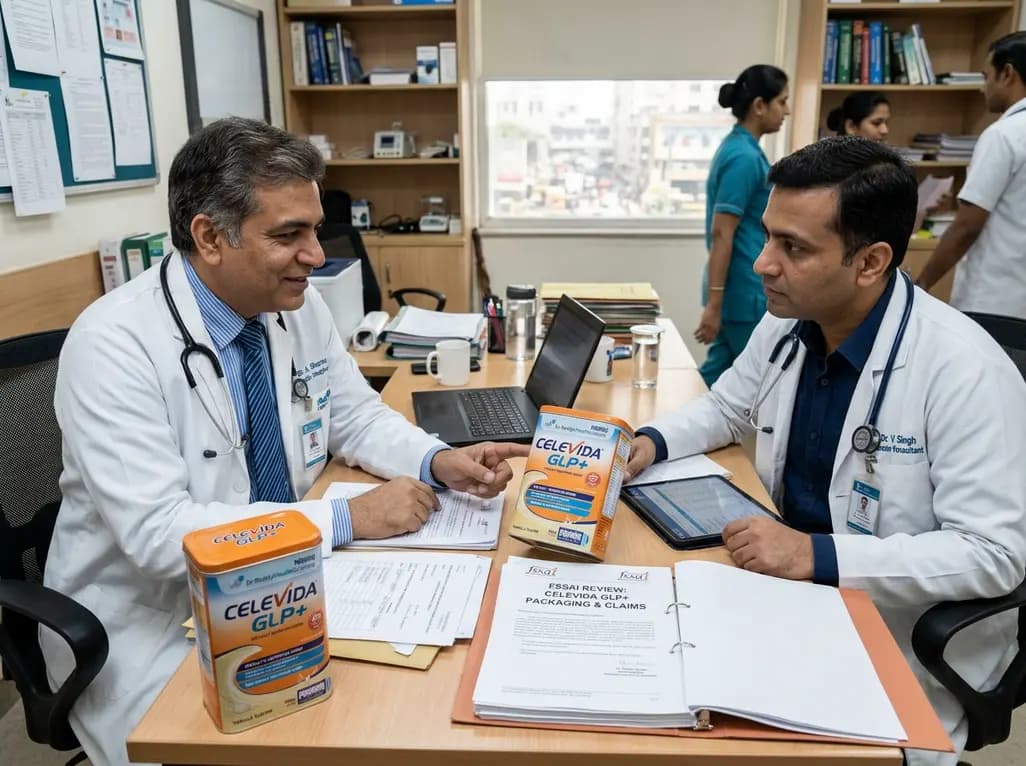
Following regulatory scrutiny from FSSAI regarding promotional representations and lean muscle preservation claims, Dr. Reddy's Laboratories and Nestlé Health Science are currently reviewing the branding and marketing strategy for their joint nutritional supplement Celevida GLP+.
Today
