

Loading, please wait...
Loading, please wait...
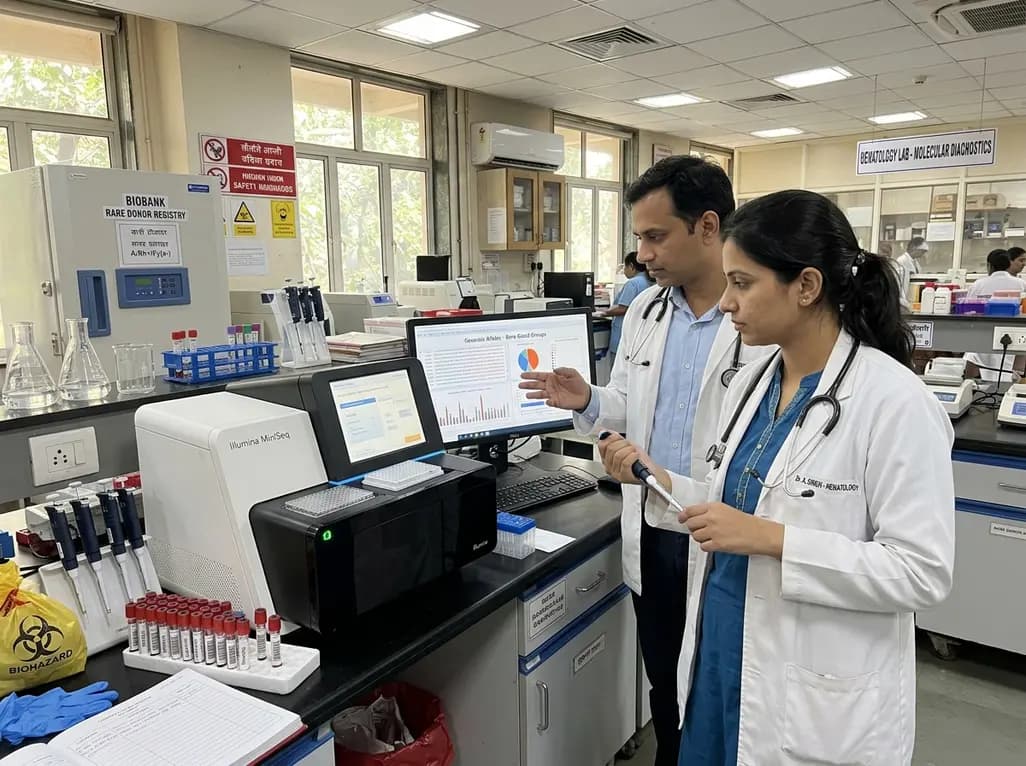
Safe hemotherapy depends heavily on immunological compatibility between recipient antibodies and donor erythrocyte surface antigens. Consequently, clinical teams face monumental hurdles when managing alloimmunized patients who require compatible units. Identifying rare blood group donors remains one of the most demanding tasks in modern transfusion medicine. Traditional donor screening relies on serological assays, yet rare reagents and manual workflows limit large-scale testing. Recent breakthroughs demonstrate that genomic screening of large biobank cohorts can circumvent these obstacles, creating reliable pipelines for specialized donor recruitment.
Transfusion services define rare red blood cell phenotypes either by the absence of a high-prevalence antigen or by the concurrent lack of multiple common antigens. Therefore, sourcing compatible red cell units for sensitized recipients often requires exhaustive regional or cross-border searches. Alloimmunization occurs frequently in chronically transfused cohorts, including individuals suffering from hemoglobinopathies like thalassemia major or sickle cell disease. Once a recipient forms alloantibodies against high-frequency antigens, routine blood stocks become completely unviable.
Furthermore, standard serological methods depend on scarce, expensive commercial antisera or polyclonal human sera salvaged from previously immunized patients. These reagents exhibit inherent batch variation and limited supply. In addition, manual serological screening demands significant labor and lacks the scalability required to type tens of thousands of active donors. Consequently, blood establishments have long struggled with low discovery rates for ultra-rare antigen phenotypes. This persistent scarcity directly compromises clinical preparedness during urgent transfusion episodes.
Modern national biobanks aggregate rich genomic repositories that transfusion researchers can systematically mine. Specifically, high-throughput genotyping microarrays and next-generation sequencing allow investigators to query dozens of blood group systems simultaneously. Rather than conducting sequential agglutination assays, bioinformatic algorithms can interrogate single nucleotide polymorphisms that define critical antigens. This genomic paradigm bypasses reagent bottlenecks completely.
A landmark investigation evaluated 56,997 voluntary blood donors registered within the Finnish Blood Service Biobank to address this challenge. Researchers screened comprehensive genome-wide data for rare variant profiles across diverse blood group systems. Subsequently, reference immunohematology laboratories verified the flagged candidates using validated serological and molecular reference methods. Crucially, the confirmatory testing demonstrated complete concordance between the genomic predictions and phenotypic profiles. The study successfully unveiled eighty-six newly identified rare blood donors, providing immediate proof that genomic screening reliably detects actionable erythrocyte variations at population scale.
Genomic donor identification achieves its greatest value when institutions align discovery efforts directly with actual clinical demand. To measure real-world transfusion needs, researchers interrogated longitudinal hospital information databases and regional blood bank records. Data from Helsinki University Hospital confirmed persistent clinical requirements for specific high-prevalence negative phenotypes. Moreover, the analysis illuminated specific donor shortfalls among non-Caucasian patient populations.
Genomic background varies markedly across world ancestries, causing substantial differences in red cell antigen prevalence. For instance, phenotypes such as Duffy-null or specific variant Rh antigens occur frequently in individuals of African heritage but remain exceptionally rare among Northern European populations. Consequently, biobank screening strategies must account for demographic shifts and ethnic diversity. Actively recruiting diverse donor populations into biobanks ensures registries can supply antigen-negative blood for patients with complex ancestral profiles. Thus, coupling genomic discovery with clinical demand data creates an adaptable framework for modern hemotherapy.
Patients who receive recurring transfusions carry an elevated lifetime risk of red cell alloimmunization. In populations with severe inherited anemias, alloimmunization rates can exceed twenty percent. These antibodies cause delayed hemolytic transfusion reactions, hyperhemolysis, and severe logistical delays during clinical care. Therefore, proactive extended antigen matching provides indispensable preventive benefits.
Biobank-derived donor registries empower reference laboratories to source compatible units long before elective procedures occur. Furthermore, when patients present with complex alloantibody mixtures, blood centers can rapidly pinpoint compatible units by searching pre-screened genomic databases. This approach eliminates the need to perform time-consuming serological workups under emergency constraints. Clinicians can subsequently initiate transfusions with minimal delay, dramatically reducing morbidity. In addition, rare donor databases enable international data sharing, allowing global networks to exchange life-saving units across borders when local inventories lack matching phenotypes.
The successful translation of biobank data into blood banking signals a broader transformation toward precision transfusion medicine. Nevertheless, deploying genomic screening on an ongoing basis requires robust computational architecture, stringent quality control, and secure donor consenting pathways. Biobanks must establish ethical workflows that permit secondary donor re-contact while maintaining donor autonomy and data privacy.
Additionally, transfusion services must combine genomic profiling with advanced cryopreservation programs. Because rare donors donate irregularly, freezing rare red cell units at ultra-low temperatures ensures long-term inventory resilience. As sequencing costs decline, blood services may eventually adopt universal donor genotyping at initial donation. Such proactive profiling will convert blood banking from a reactive, crisis-driven search model into a predictable, digitally cataloged supply system. Ultimately, integrating genomics into donor recruitment ensures that even the most complex alloimmunized patients receive prompt, life-saving hemotherapy.
Immunohematologists define a blood group as rare when an individual lacks a high-prevalence red cell antigen present in more than 99 percent of the general population. Alternatively, donors lacking multiple common antigens across several blood group systems also qualify as rare. Because compatible units remain exceptionally scarce, sourcing matching blood for alloimmunized individuals requires specialized domestic registries or international rare donor networks.
Serological testing depends heavily on rare, costly antisera that suffer from limited commercial availability and batch variability. In contrast, genomic screening interrogates hundreds of thousands of genetic variants simultaneously using microarrays or sequencing platforms. This high-throughput approach allows reference centers to screen massive donor cohorts rapidly without consuming scarce immunological reagents, delivering near-perfect concordance with confirmed physical red blood cell phenotypes.
Erythrocyte antigen frequencies vary substantially among different ancestral populations worldwide. Certain rare phenotypes, including the Duffy-null phenotype or specific partial Rh antigens, are widely prevalent in individuals of African ancestry but exceedingly uncommon among European cohorts. Consequently, transfusion registries must recruit diverse donor cohorts to ensure compatible red cell units remain accessible for multi-ethnic patient populations with chronic alloimmunization.
Disclaimer: This content is for informational and educational purposes only... Refer to the latest local and national guidelines for clinical practice.
References
Sareneva I et al. Identification of rare blood group donors from biobank data. Br J Haematol. 2026 Oct 18. doi: 10.1111/bjh.70893. PMID: 42893901.
Väre E, et al. Blood donor biobank as a resource in personalised biomedical genetic research. Transfus Med. 2021;31(6):449-458.
Yahalom V, et al. The International Society of Blood Transfusion Working Party on Rare Donors: 20 years of international collaboration. Transfus Med. 2020;30(3):175-182.

Read summarized clinical updates, watch expert medical content, and earn CME certifications right from your smartphone.
Open your smartphone camera to scan and install.





Discover how biobank genomic screening revolutionizes the identification of rare blood group donors, overcoming serological limits and enhancing transfusion safety.
Today
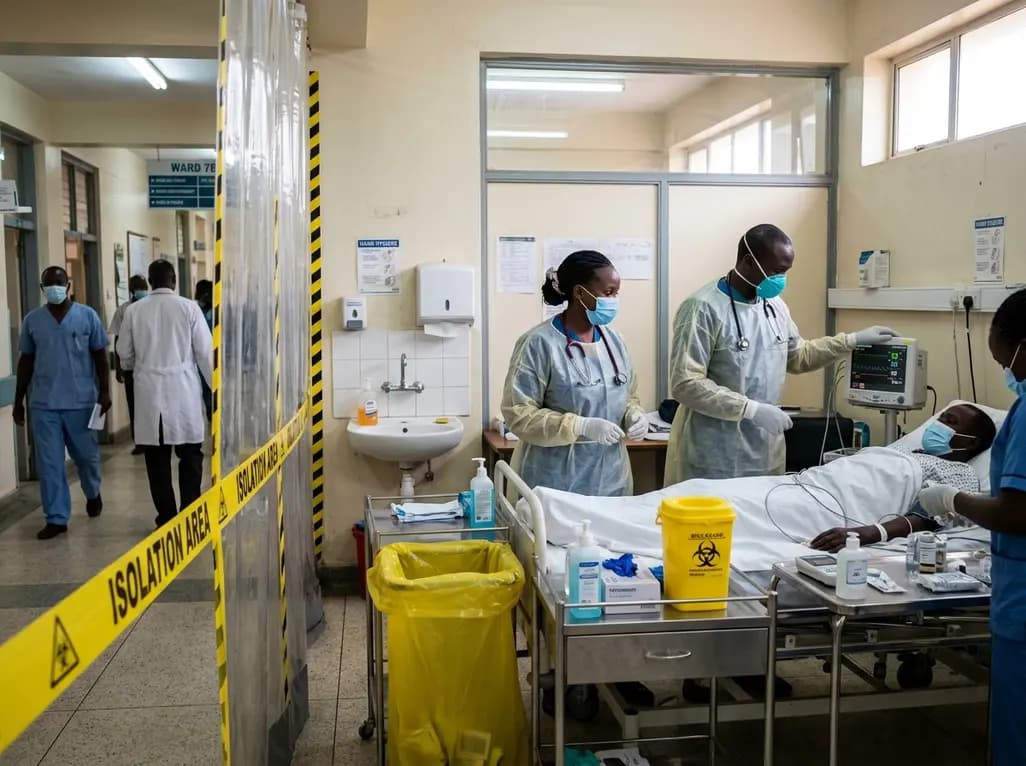
Kenya's confirmation of its eighth Ebola infection highlights the acute risk of secondary transmission in hospital environments. Clinicians must maintain high vigilance, enforce strict infection prevention protocols, and implement rapid triage mechanisms for viral hemorrhagic fevers across healthcare settings.
Today
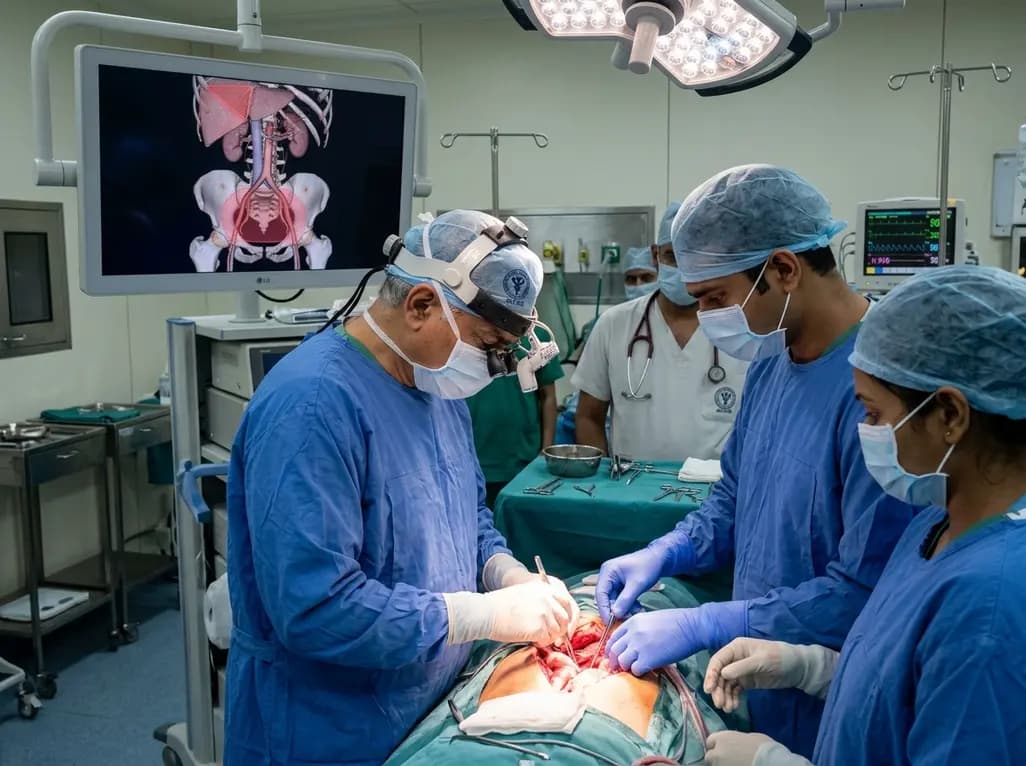
Surgical oncologists at AIIMS Delhi have mapped two critical anatomical landmarks: Ray's Zone in the deep pelvis and Ray's Hepatocaval Triangle near the liver. These predefined hazard boundaries guide dissection, dramatically reduce severe intraoperative bleeding, and preserve vital nerves and visceral organs.
Today
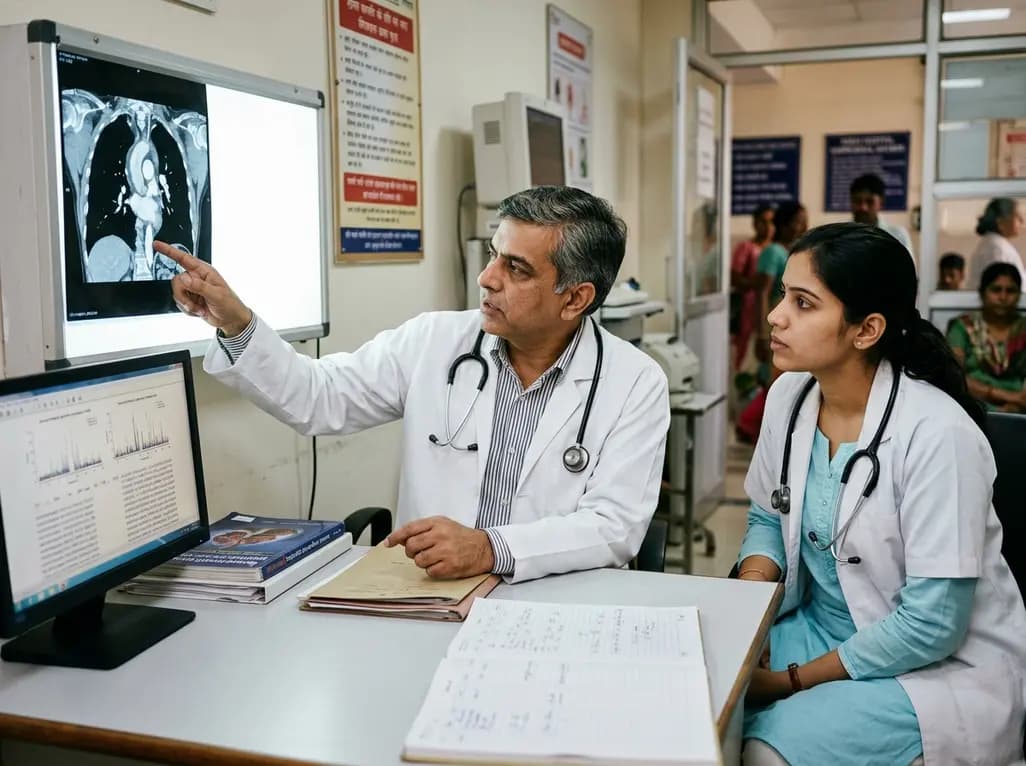
A study reveals that the MYLK c.4079G>A, p.(Gly1360Asp) variant is linked to high-penetrance heritable thoracic aortic disease and early-onset aortic dissection, showing a founder effect in Finnish cohorts. Findings emphasize early cascade screening and vigilant surveillance.
Yesterday
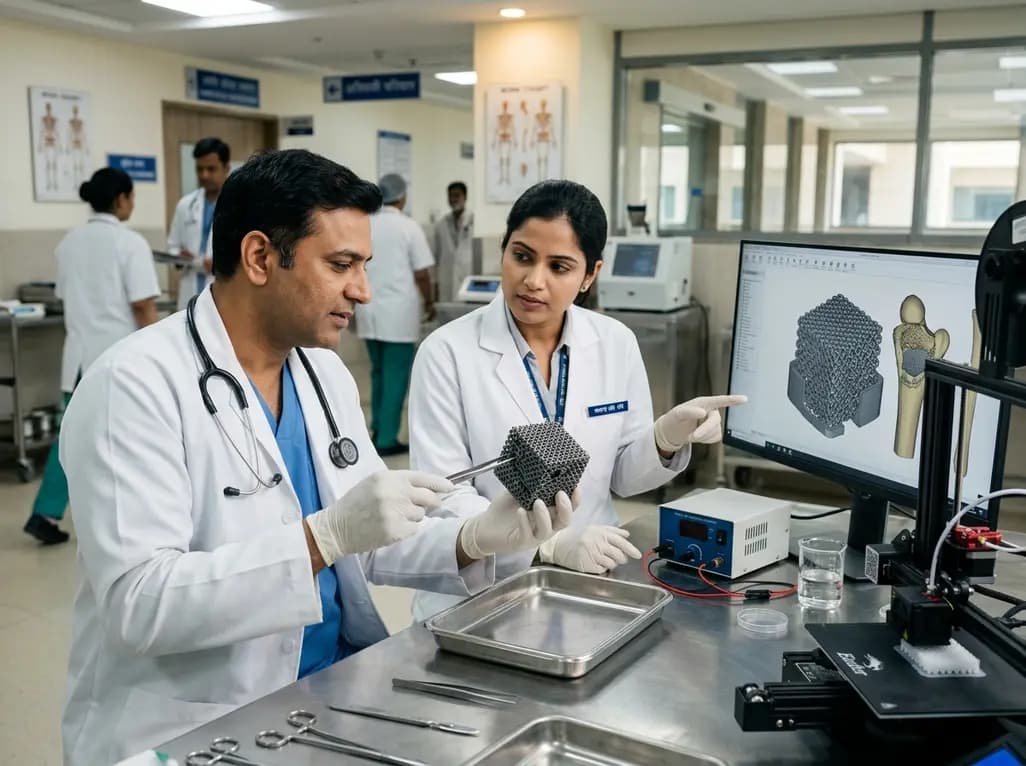
A novel sacrificial-template technique combines FDM polymer 3D printing and micro-arc oxidation to fabricate orientation-controlled porous titanium scaffolds. These bioactive constructs offer tailored stiffness, exceptional multidirectional load resistance, and robust osseointegration for bone defect repair.
Today

A novel label-free electrochemical biosensor utilizing magnetic nanocomposites enables ultrasensitive TERT C228T mutation detection (LOD: 0.67 pM) for rapid risk stratification in papillary thyroid cancer, offering promising point-of-care utility for endocrine oncology.
Today
