.webp&w=384&q=75)

Loading, please wait...
Loading, please wait...
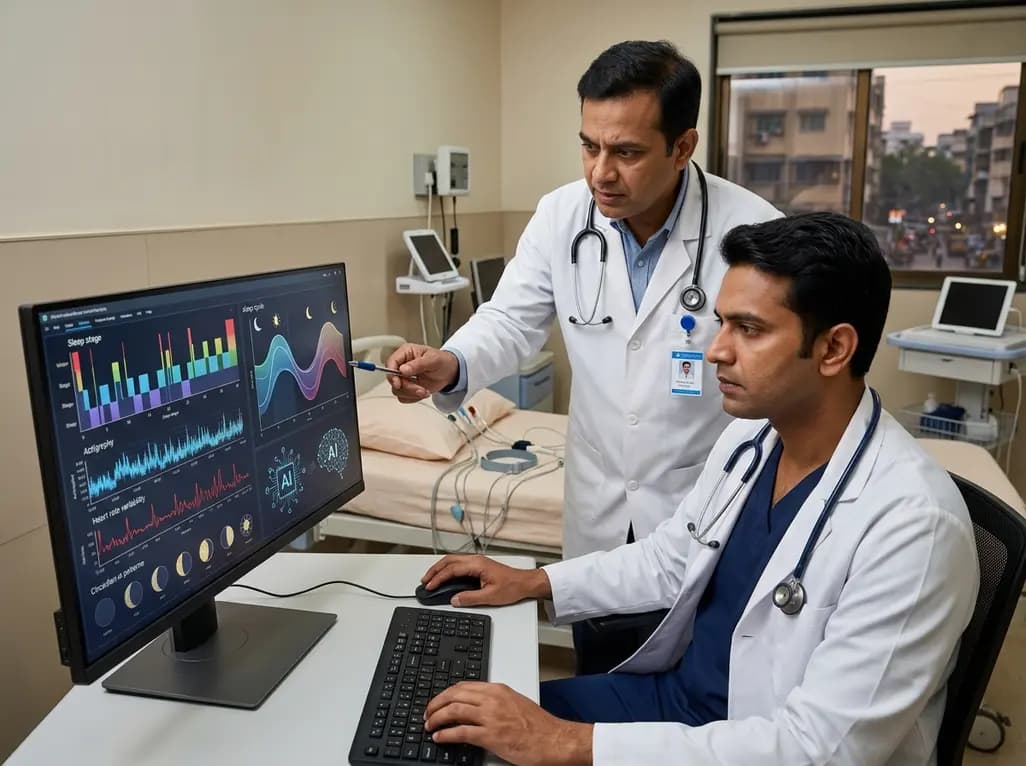
Disruptions in restorative rest and biological timing represent significant drivers of multi-organ chronic morbidity. The National Heart, Lung, and Blood Institute (NHLBI) convened a specialized workshop to address these clinical challenges. Experts evaluated how artificial intelligence and machine learning can advance research on sleep and circadian disorders. Consequently, modern digital health tools now allow investigators to analyze massive physiological and environmental datasets. These novel computational strategies transform our understanding of chronobiology. Furthermore, they help clinicians uncover subtle disease phenotypes that conventional diagnostic scoring often misses.
Historically, clinical sleep medicine relied almost exclusively on overnight in-laboratory polysomnography. Although polysomnography provides essential neurophysiological and cardiopulmonary data, it captures only a single, artificial window in time. Consequently, standard diagnostic metrics such as the apnea-hypopnea index fail to reflect long-term physiological variations. In addition, traditional assessments often overlook how daily social schedules and ambient environments disrupt human chronobiology.
Recent advances in data science offer unprecedented opportunities to bridge these diagnostic gaps. By integrating continuous bio-sensor streams, researchers capture longitudinal patterns across diverse populations. Machine learning models can now process continuous electroencephalographic signals, pulse oximetry data, and actigraphy trends simultaneously. Therefore, clinicians gain deeper insights into the biological heterogeneity underlying persistent insomnia, sleep apnea, and circadian desynchrony. Furthermore, these big data frameworks highlight the cumulative physiological toll of disrupted sleep on immune regulation and cellular repair. Ultimately, shifting from static scoring to continuous computational analysis enhances our ability to characterize complex sleep disturbances accurately.
Modern clinical data repositories house massive amounts of diverse health information. These repositories include electronic medical records, whole-genome sequences, wearable sensor feeds, and digital polysomnography recordings. However, conventional statistical methods struggle to synthesize such high-dimensional, heterogeneous information. Machine learning algorithms excel at identifying non-linear associations across disparate data sources. Consequently, artificial intelligence bridges the gap between molecular chronobiology and clinical phenotyping.
For example, deep learning neural networks can analyze raw nocturnal physiological signals to detect subtle micro-arousals and autonomic instability. Moreover, these algorithms uncover distinct cardiopulmonary endotypes that correlate with long-term vascular morbidity. In addition, machine learning models evaluate transcriptomic data to determine individual circadian clock phases from single blood samples. Thus, clinicians can assess circadian misalignment without requiring serial laboratory draws over twenty-four hours. Furthermore, automated signal processing reduces inter-observer variability in clinical sleep staging. As a result, artificial intelligence empowers multidisciplinary teams to develop targeted therapeutic strategies tailored to each patient's unique biological rhythms.
Sleep deficiencies and circadian rhythm misalignments actively contribute to systemic disease progression. Chronic sleep disruption alters neurohormonal signaling, increases systemic inflammation, and accelerates vascular endothelial dysfunction. Consequently, patients face elevated risks for hypertension, ischemic heart disease, metabolic syndrome, and progressive neurodegeneration. Big data analytics enable investigators to track these adverse trajectories across vast multi-center patient registries.
Importantly, computational frameworks elucidate how social determinants of health drive persistent sleep health disparities. Environmental stressors such as artificial light exposure, neighborhood noise pollution, and shift work schedules disproportionately affect vulnerable socioeconomic groups. Machine learning tools can integrate geospatial information with clinical health outcomes to identify community-level risk factors. Therefore, public health authorities can implement precise structural interventions. Furthermore, predictive algorithms identify high-risk individuals before irreversible end-organ damage occurs. By linking granular wearable metrics with longitudinal clinical outcomes, big data research helps clinicians address systemic health inequities effectively.
Consumer wearables and medical-grade remote monitoring devices have democratized longitudinal sleep tracking. Modern sensors track heart rate variability, skin temperature, peripheral blood oxygen saturation, and body motion across months of daily life. Consequently, clinicians are no longer restricted to snapshot evaluations in artificial hospital environments. Continuous passive data collection captures natural day-to-day fluctuations in sleep architecture and circadian stability.
However, remote monitoring generates vast volumes of noisy, unstructured data that require automated filtering. Advanced signal processing techniques and edge-computing algorithms filter movement artifacts while extracting reliable physiological markers. Additionally, machine learning algorithms can detect early exacerbations of obstructive sleep apnea or cardiopulmonary decompensation in home environments. Thus, remote digital tracking transforms routine outpatient monitoring into proactive clinical care. Furthermore, wearable devices facilitate large-scale decentralized clinical trials, allowing researchers to evaluate therapeutic interventions in natural settings. As digital health technologies mature, continuous physiological monitoring will serve as a cornerstone of personalized circadian medicine.
Translating big data discoveries into daily clinical workflows requires robust validation across diverse populations. Algorithms trained on homogeneous cohorts often fail when applied to broader, ethnically varied patient groups. Therefore, clinicians and data scientists must collaborate closely to ensure algorithmic fairness, generalizability, and transparency. Validated machine learning tools should support clinical decision-making rather than functioning as opaque black boxes.
Moreover, health systems must establish secure data-sharing frameworks that protect patient privacy while fostering research innovation. Regulatory agencies and professional medical societies are developing standardized benchmarks for artificial intelligence software. In clinical practice, algorithmic risk scores can alert physicians to patients who require prompt polysomnography or chronotherapy adjustments. Furthermore, seamless integration of analytical tools into electronic health record platforms streamlines clinical documentation. By addressing computational, ethical, and logistical challenges, the medical community can safely implement big data solutions to improve patient outcomes.
The convergence of big data analytics and chronobiology heralds a new era of precision chronomedicine. Future clinical paradigms will leverage artificial intelligence to determine the optimal timing for drug administration, maximizing therapeutic efficacy while minimizing adverse effects. For instance, chronotherapy algorithms can optimize the administration schedule for antihypertensive, chemotherapeutic, and immunosuppressive medications based on individual circadian phases.
Additionally, generative artificial intelligence and foundation models trained on extensive physiological biobanks will accelerate biomarker discovery. These foundation models can predict cognitive decline, metabolic deterioration, and cardiovascular events years before symptom onset. Consequently, preventive interventions can be initiated early in the disease course. Furthermore, ongoing interdisciplinary collaborations between computational engineers, pulmonologists, neurologists, and cardiologists will drive continuous clinical innovation. Ultimately, harnessing the power of big data will transform sleep medicine from a reactive discipline into a predictive, preventive, and personalized field.
Big data integrates continuous physiological monitoring, electronic health records, and multi-omics data through advanced machine learning algorithms. This approach enables clinicians to identify distinct disease subtypes, detect subtle neurophysiological patterns, and evaluate circadian misalignment more precisely than traditional static scoring metrics like the standard apnea-hypopnea index.
Wearable devices collect continuous, longitudinal physiological data, including heart rate variability, skin temperature, and motion, within natural sleep environments. These digital tools allow researchers and clinicians to track daily variations in sleep architecture over extended periods, providing real-world insights that single-night laboratory polysomnography cannot capture.
Artificial intelligence models can combine clinical datasets with geospatial, environmental, and socioeconomic data to pinpoint community-specific risk factors. Consequently, these analytical tools highlight how shift work, ambient noise, and environmental stressors disproportionately affect vulnerable populations, guiding targeted public health interventions to reduce sleep-related health disparities.
Disclaimer: This content is for informational and educational purposes only, and does not constitute medical advice or a substitute for professional clinical judgment. Treatments and interventions should be tailored to individual patients based on a comprehensive assessment. Refer to the latest local and national guidelines for clinical practice.
References

Read summarized clinical updates, watch expert medical content, and earn CME certifications right from your smartphone.
Open your smartphone camera to scan and install.





The NIH workshop highlights how big data, artificial intelligence, and machine learning are revolutionizing research into sleep and circadian disorders, enabling continuous remote monitoring, precision phenotyping, and novel mechanistic insights into long-term systemic health consequences.
4 weeks back

With post-monsoon dengue surges threatening South Asian health systems, physicians must refine triage and management. This guide covers vital warning signs, plasma leakage detection, crystalloid titration, and vector containment strategies to prevent mortality during seasonal arboviral epidemics.
Today

Findings from Project Viva indicate that sustained postpartum weight retention, rather than excessive gestational weight gain alone, directly worsens women's mid-life cardiovascular health, degrading blood pressure and glycemic parameters decades after delivery.
Today
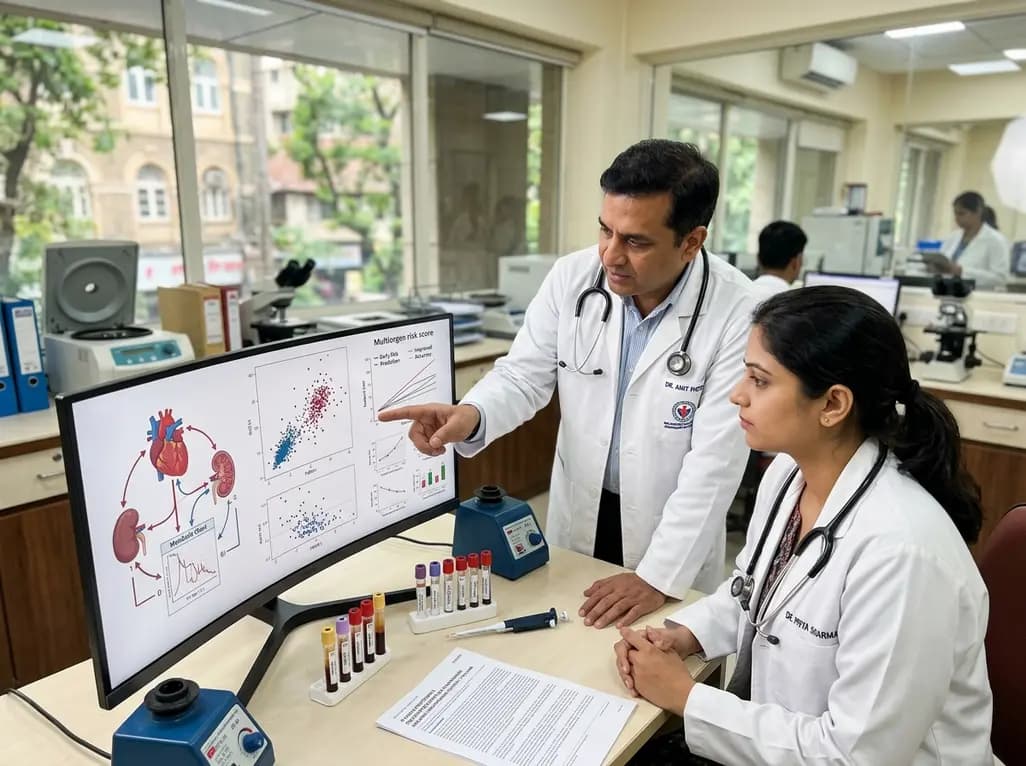
A large UK Biobank study reveals that plasma proteomic signatures capture preclinical organ damage and improve multiorgan risk prediction across early CKM syndrome stages 0 to 2 beyond traditional PREVENT clinical models.
Today
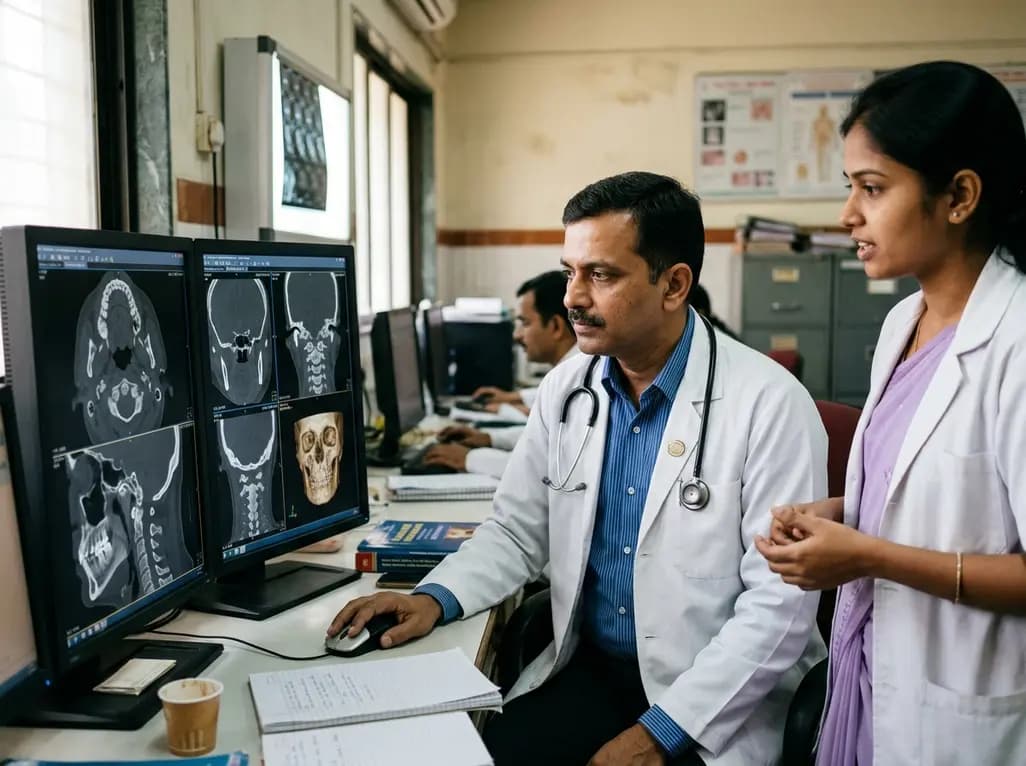
A retrospective CBCT study reveals that superior TMJ space asymmetry correlates moderately with occipital condyle-atlas-axis asymmetry in unilateral TMJ osteoarthritis, highlighting an imaging correlate between jaw biomechanics and upper cervical alignment rather than a standalone diagnostic marker.
Today

A Bayesian multilevel meta-analysis reveals that aerobic training combined with moderate carbohydrate restriction modestly lowers HbA1c in type 2 diabetes. However, sparse data and very low certainty leave incremental benefits over exercise or diet alone unproven, highlighting the need for individualized care.
Today
