.webp&w=384&q=75)

Loading, please wait...
Loading, please wait...
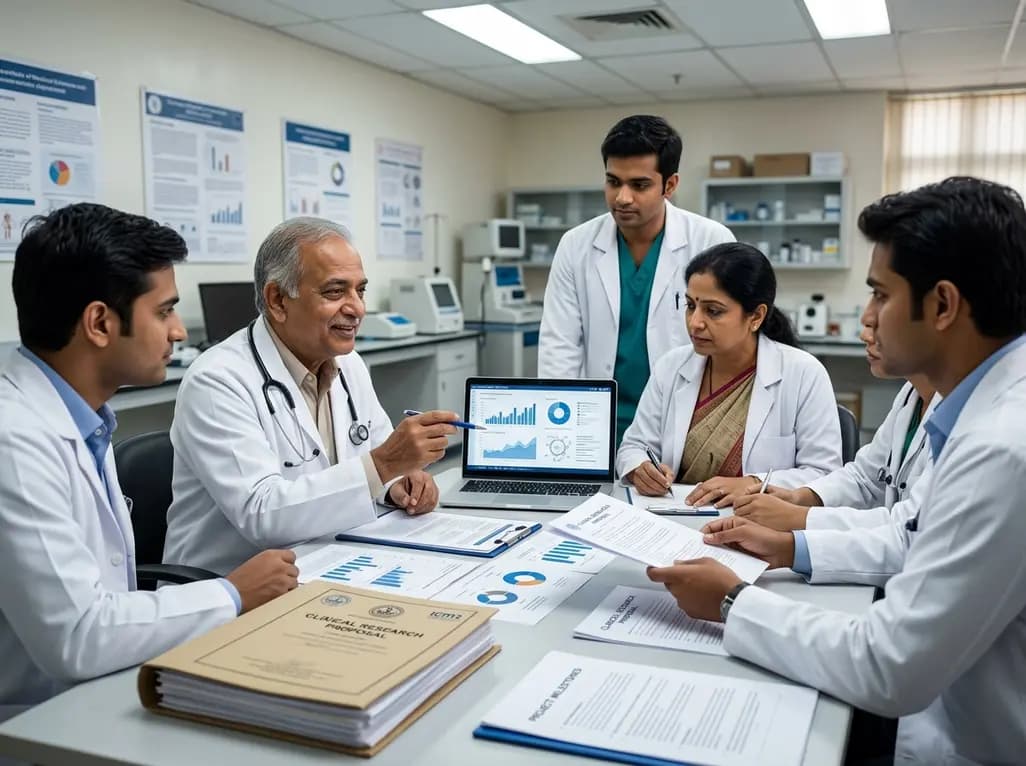
In a major milestone for indigenous healthcare innovation, the Institute of Medical Sciences at Banaras Hindu University has secured prestigious ICMR research grants totalling approximately fifteen crore rupees. These competitive awards under the specialized National Institutional Ranking Framework grant program will fund six high-impact biomedical investigations. Consequently, university clinicians and laboratory researchers will address urgent national health priorities across Uttar Pradesh and Northern India. Furthermore, this financial support facilitates an interdisciplinary bridge connecting clinical wards, advanced genomic laboratories, and biomedical engineering facilities.
Securing competitive ICMR research grants underscores the growing research momentum within premier Indian medical institutions. Banaras Hindu University faculty members submitted over two hundred project proposals across diverse funding agencies during the preceding six months. Therefore, this achievement reflects a structured institutional strategy aimed at fostering translation from bench to bedside. In addition, the initiative empowers clinician-scientists to investigate region-specific disease burdens using high-throughput experimental workflows.
Moreover, modern healthcare delivery demands robust indigenous evidence rather than sole reliance on Western epidemiological cohorts. Accordingly, multi-omics biomarker discovery and targeted clinical trials will occur simultaneously across participating departments. Hospital leadership confirmed that these strategic investments will upgrade clinical laboratories, train postgraduate fellows, and generate robust datasets. Ultimately, this academic expansion directly supports national capacity-building while strengthening daily patient care standards across the tertiary teaching hospital network.
The Gangetic belt in Northern India reports some of the highest global incidence rates of gallbladder cancer. Unfortunately, most patients present at late stages where surgical resection is no longer curative. Under these new research initiatives, investigators are establishing prospective screening cohorts to discover blood-based and tissue-specific multi-omic biomarkers. Consequently, clinicians aim to develop cost-effective diagnostic panels for early disease interception.
Similarly, precision oncology approaches will target advanced renal cell carcinoma to improve therapeutic stratification. Because renal tumors exhibit significant genetic heterogeneity, clinicians often face substantial therapeutic resistance when using conventional systemic therapies. Therefore, researchers will evaluate molecular subtyping, liquid biopsies, and pathway-targeted inhibitors tailored to regional demographics. In doing so, oncologists can individualize therapeutic regimens, minimize off-target toxicities, and significantly prolong progression-free survival in complex urological malignancies.
Antimicrobial resistance represents an escalating global health emergency, particularly within critical care units and intensive surgical wards. Hospital-acquired infections caused by multidrug-resistant pathogens frequently exhaust standard therapeutic regimens. To combat this threat, the newly funded projects will investigate pathogen genomics, novel small-molecule adjuvants, and rapid phenotypic susceptibility platforms. As a result, microbiologists and critical care specialists can curb empiric broad-spectrum antibiotic overuse.
Furthermore, the investigation explores precision antimicrobial stewardship protocols across inpatient departments. Clinicians will analyze resistance transmission vectors and monitor hospital resistome dynamics systematically. Consequently, these insights will help refine empirical treatment algorithms for severe nosocomial infections. By deploying advanced molecular diagnostics, healthcare teams can rapidly identify resistant bacterial clones, thereby preserving vital reserve antibiotic classes for truly refractory infections.
Pediatric septic shock remains a prominent cause of childhood morbidity and mortality in developing regions. Despite standard fluid resuscitation and vasoactive therapy, microvascular dysregulation often leads to rapid refractory organ failure. Therefore, researchers will conduct rigorous prospective cohort trials to evaluate microcirculatory perfusion markers and personalized hemodynamic protocols. Consequently, pediatric intensivists will gain actionable parameters to optimize timely resuscitation endpoints in vulnerable children.
Additionally, the research portfolio targets post-kala-azar dermal leishmaniasis, a chronic dermatological sequel of visceral leishmaniasis that sustains community transmission reservoirs. Because existing diagnostic techniques often require invasive tissue biopsies, developing sensitive point-of-care serological and molecular assays remains vital. Researchers will therefore validate non-invasive diagnostic tools suitable for rural outreach settings. This crucial work aligns directly with India's national roadmap for the sustained elimination of leishmaniasis.
Modern biomedical breakthroughs require sustained synergy between clinical specialists, basic molecular scientists, and computational bioengineers. Banaras Hindu University integrates the Institute of Medical Sciences, the Institute of Science, and collaborating engineering faculties on a single campus. Accordingly, this multidisciplinary structure provides an ideal environment for high-density biomarker mapping, artificial intelligence-driven data analysis, and medical device innovation.
Moreover, institutional leadership emphasizes that extramural grants elevate university academic rankings while serving public health needs. By modernizing laboratory analytical capabilities, the university attracts top-tier doctoral candidates and clinician-researchers into translational medicine. Furthermore, the resulting clinical data repositories will inform regional healthcare policy and clinical practice guidelines. Ultimately, this comprehensive research ecosystem bridges academic discovery with equitable, accessible patient care delivery throughout Northern India.
Q1: What specific disease areas are covered under these newly approved research projects?
The six approved projects focus on critical national healthcare priorities. These include biomarker discovery for early gallbladder cancer detection, precision oncology for renal cell carcinoma, novel therapeutics against antimicrobial resistance, clinical trial protocols for pediatric septic shock, and advanced diagnostic assays for post-kala-azar dermal leishmaniasis.
Q2: How will this funding enhance clinical patient care at the university hospital?
The grant funding supports cohort studies, precision clinical trials, and multi-omics laboratory infrastructure. Consequently, clinicians can rapidly translate laboratory discoveries into earlier diagnosis, individualized chemotherapy regimens, and improved hemodynamic protocols, directly upgrading diagnostic accuracy and therapeutic outcomes for hospital patients.
Q3: Why is gallbladder cancer research particularly crucial in the Northern Indian demographic?
The Gangetic belt reports an exceptionally high incidence of gallbladder cancer, where late clinical presentation leads to poor prognosis. Developing non-invasive multi-omic biomarkers enables early disease detection during treatable stages, thereby markedly improving surgical resectability rates and long-term patient survival outcomes.
Disclaimer: This content is for informational and educational purposes only. It does not constitute medical advice or replace professional judgment. Refer to the latest local and national guidelines for clinical practice.
References

Read summarized clinical updates, watch expert medical content, and earn CME certifications right from your smartphone.
Open your smartphone camera to scan and install.





The Institute of Medical Sciences at BHU has secured funding for six high-impact biomedical research projects worth ₹15 crore under the ICMR NIRF grant scheme. These clinical initiatives focus on gallbladder cancer, antimicrobial resistance, pediatric septic shock, and precision oncology in Uttar Pradesh.
last month

A recent study highlights that targeted ART administration knowledge and psychosocial factors, rather than broad self-management scores, determine viral suppression in adolescents living with HIV. Learn how targeted clinical interventions can bridge adherence gaps and improve long-term outcomes.
Today
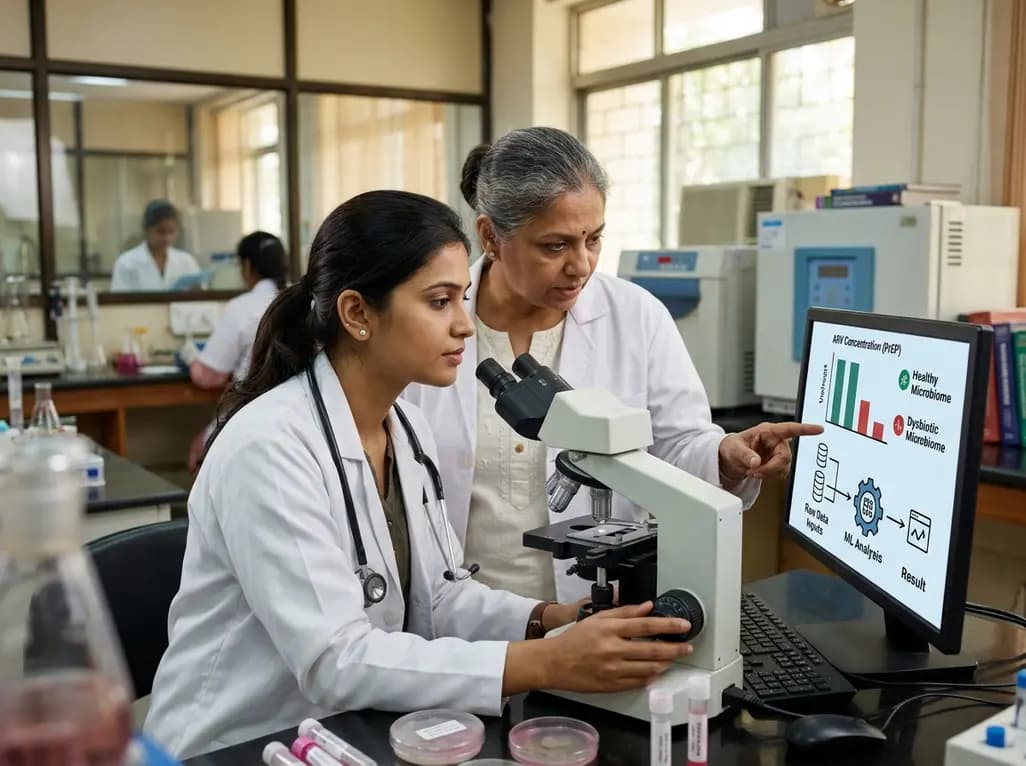
A pharmacometric and machine learning study reveals that specific vaginal bacteria alter cervical antiretroviral exposure, highlighting the need for precision HIV PrEP strategies.
Yesterday
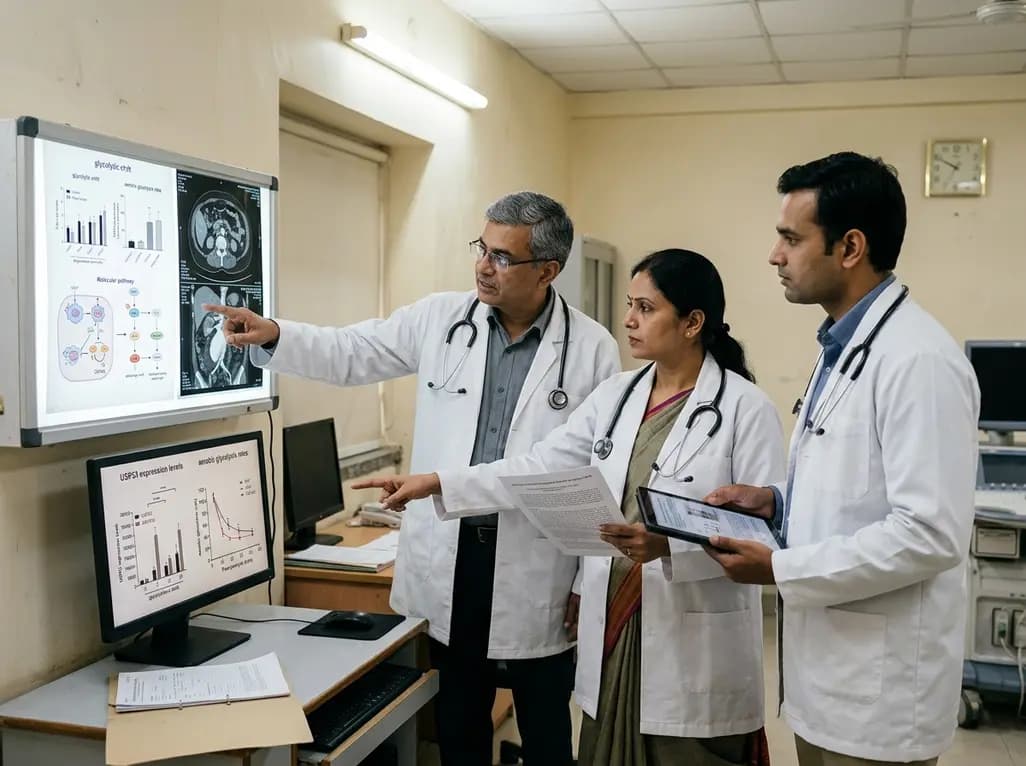
Abdominal aortic aneurysm rupture remains a catastrophic vascular emergency. Groundbreaking research reveals that USP53 accelerates aneurysm progression by reprogramming smooth muscle cell metabolism toward aerobic glycolysis, highlighting a promising target beyond conventional diameter-based surveillance.
Today
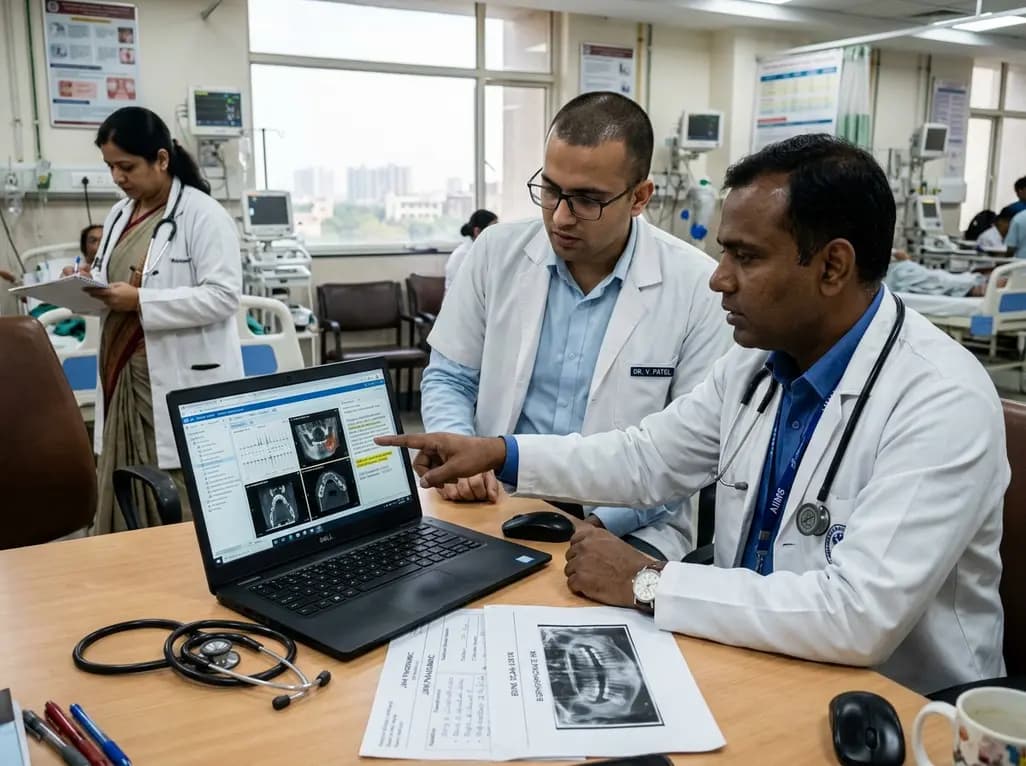
A breakthrough study leverages natural language processing to accurately identify incident medication-related osteonecrosis of the jaw and track antiresorptive drug holidays from clinical narratives in electronic health records, advancing osteoporosis pharmacovigilance and dental safety.
Today
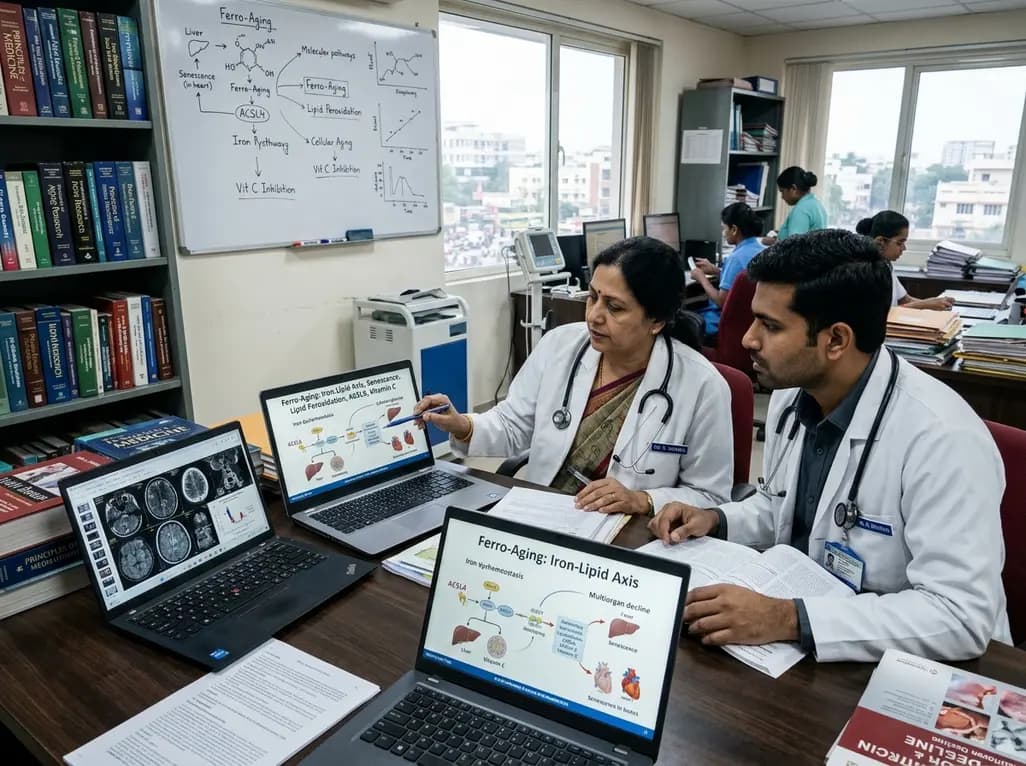
Recent research defines ferro-aging as a conserved iron-lipid axis driving organ decline across primates. Age-related iron dyshomeostasis stimulates ACSL4-mediated lipid peroxidation, promoting cellular senescence. Notably, vitamin C directly inhibits ACSL4, suppressing phospholipid oxidation and multi-organ decay.
Yesterday
