

Loading, please wait...
Loading, please wait...
Poor oral health significantly diminishes the quality of life, particularly among low socioeconomic groups. In 2018, the Barcelona City Council addressed this disparity by launching a free service for economically disadvantaged individuals. This study analyzes the Social Dentistry Program Impact and evaluates its efficacy in bridging the gap in healthcare access. For instance, individuals with limited financial resources often face insurmountable barriers to essential dental treatments.
Between 2018 and 2022, the service facilitated nearly 40,000 visits for over 4,400 individuals. Consequently, both patients and professionals reported substantial improvements in physical health and psychological stability. Furthermore, pain relief was the most immediate benefit cited by participants. However, the study also found that increased self-esteem played a critical role in patient recovery. Moreover, the accessibility and quality of professional care were highlighted as primary strengths of the initiative.
The intervention demonstrated that oral health is inextricably linked to mental well-being and social participation. Patients reported that improved dental aesthetics reduced shame and encouraged them to engage in social relationships again. Additionally, the service motivated individuals toward better self-care and overall health maintenance. Dental professionals strongly endorsed the program, emphasizing its necessity within a comprehensive public health framework. Therefore, the benefits of such programs clearly extend beyond the mouth, impacting broader social integration.
The findings suggest that sustained and expanded universal dental coverage is essential for public health. While Barcelona’s initiative is a notable success, similar interventions must be replicated globally to address systemic inequalities. Consequently, policymakers should prioritize integrating dental services into primary care. In conclusion, providing free dental care to vulnerable populations is a vital step toward achieving true health equity.
The program significantly boosts mental well-being by relieving chronic pain and improving dental aesthetics. This leads to higher self-esteem, reduced social anxiety, and increased motivation for social and professional participation.
The service is designed specifically for economically disadvantaged populations in Barcelona who face barriers to traditional dental care due to limited insurance or low income.
Professionals highlighted the service's ability to provide essential treatments that patients could not otherwise afford, noting a positive impact on both patient health outcomes and the professional satisfaction of the providers.
Disclaimer: This content is for informational and educational purposes only and does not constitute medical advice. It is not intended to be a substitute for professional medical advice, diagnosis, or treatment. Always seek the advice of your physician or other qualified health provider with any questions you may have regarding a medical condition. Refer to the latest local and national guidelines for clinical practice.
References
1. Brugueras S et al. Evaluation of the Barcelona Social Dentistry Service. Community Dent Health. 2026 Apr 24. doi: 10.1177/0265539X261447662. PMID: 42030544.
2. FDI World Dental Federation. Reaching the unreachable: How community-based oral health projects are transforming remote communities worldwide. 2026.
3. MDPI. Psychological and Social Effects of Oral Health and Dental Aesthetic in Adolescence and Early Adulthood: An Observational Study. 2021.
"
Read summarized clinical updates, watch expert medical content, and earn CME certifications right from your smartphone.
Open your smartphone camera to scan and install.





The Barcelona Social Dentistry Service markedly improves oral health, psychological well-being, and social integration for disadvantaged populations....
5 months ago
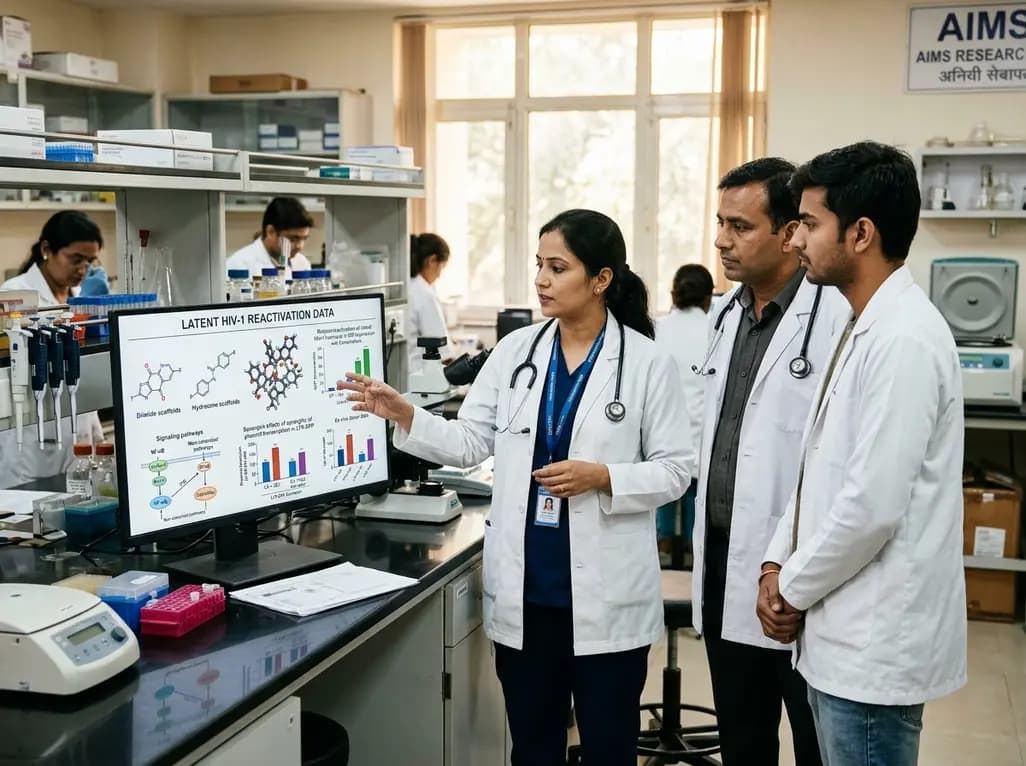
Novel diimide and hydrazone scaffolds, particularly compound #C4, synergistically reactivate latent HIV-1 when combined with JQ1 or PKC activators. Demonstrating donor-matched proviral transcription ex vivo and non-canonical signaling, these findings advance shock and kill strategies toward reservoir eradication.
Today
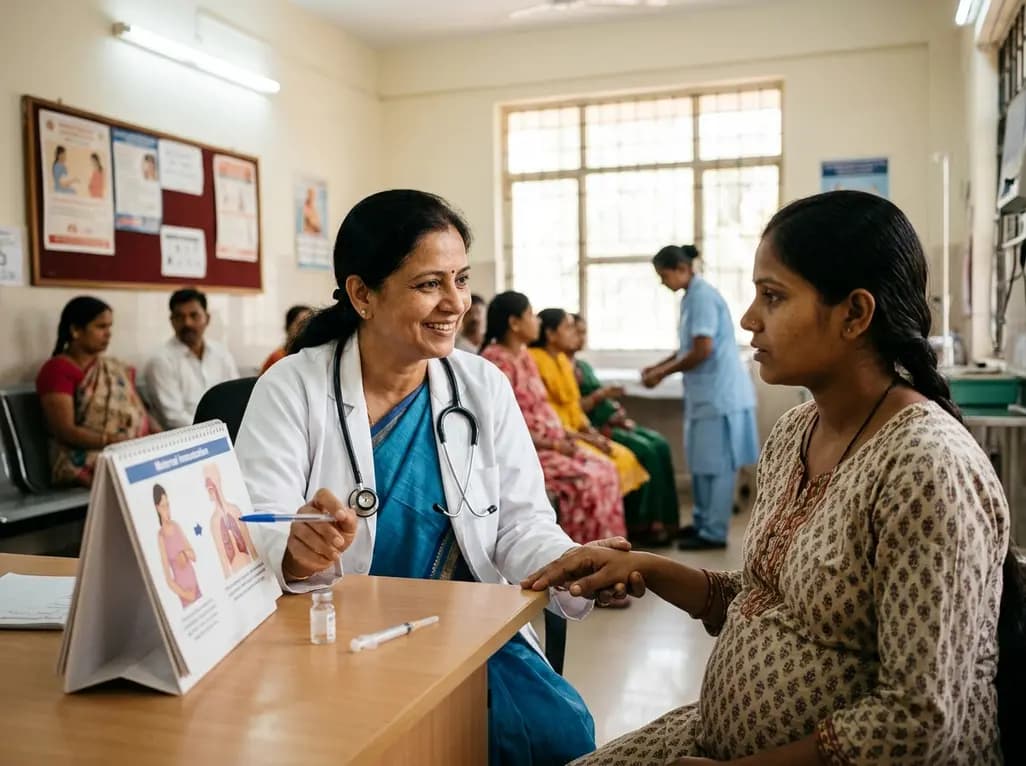
A cross-sectional study reveals that maternal RSV vaccination coverage reached only 43.7% in Argentina, with maternal vaccine knowledge being the sole independent predictor of uptake. Clinicians play a crucial role in eliminating informational and structural barriers to optimize infant health.
Today
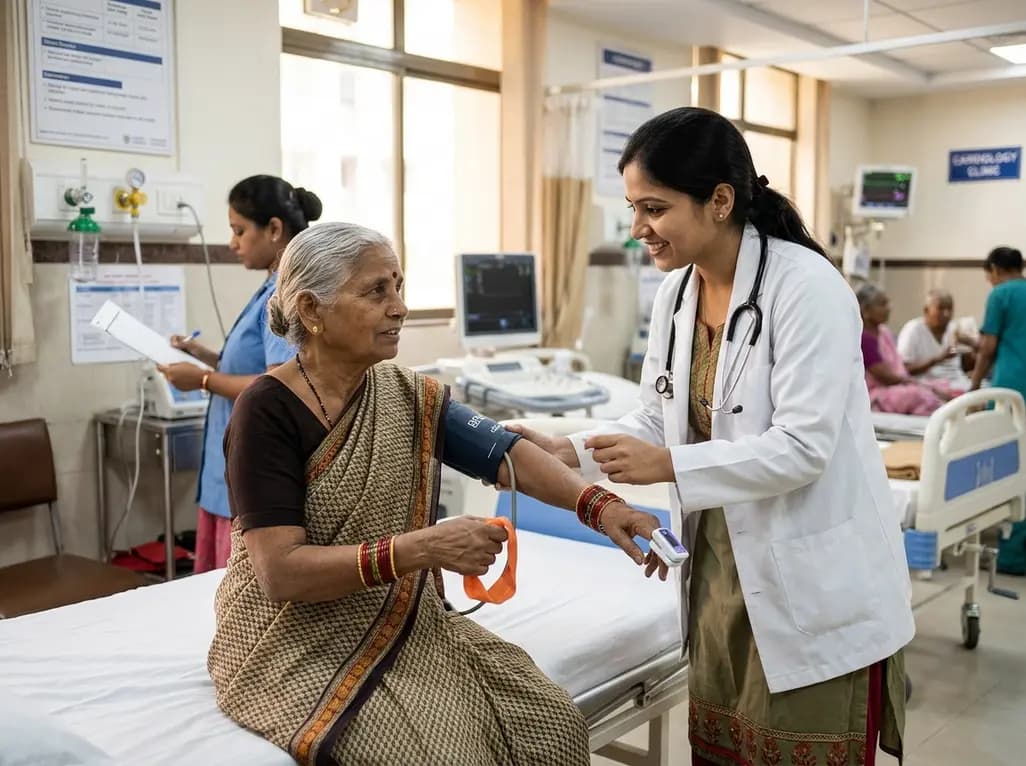
Review how tailored exercise programs benefit frail older patients with heart failure. Explore pathophysiological mechanisms, individualized training prescriptions, and strategies to overcome adherence barriers in clinical practice.
Yesterday

This comparative study evaluates posterior labral tears with and without glenohumeral instability, highlighting distinct demographic patterns, MRI underestimation in stable shoulders, and successful arthroscopic repair outcomes.
Yesterday
A clinical study demonstrates that early intervention with tocilizumab, either as monotherapy or bridged with corticosteroids, achieves significant proptosis reduction and resolves active inflammation in treatment-naive thyroid eye disease.
Yesterday
