.webp&w=384&q=75)

Loading, please wait...
Loading, please wait...
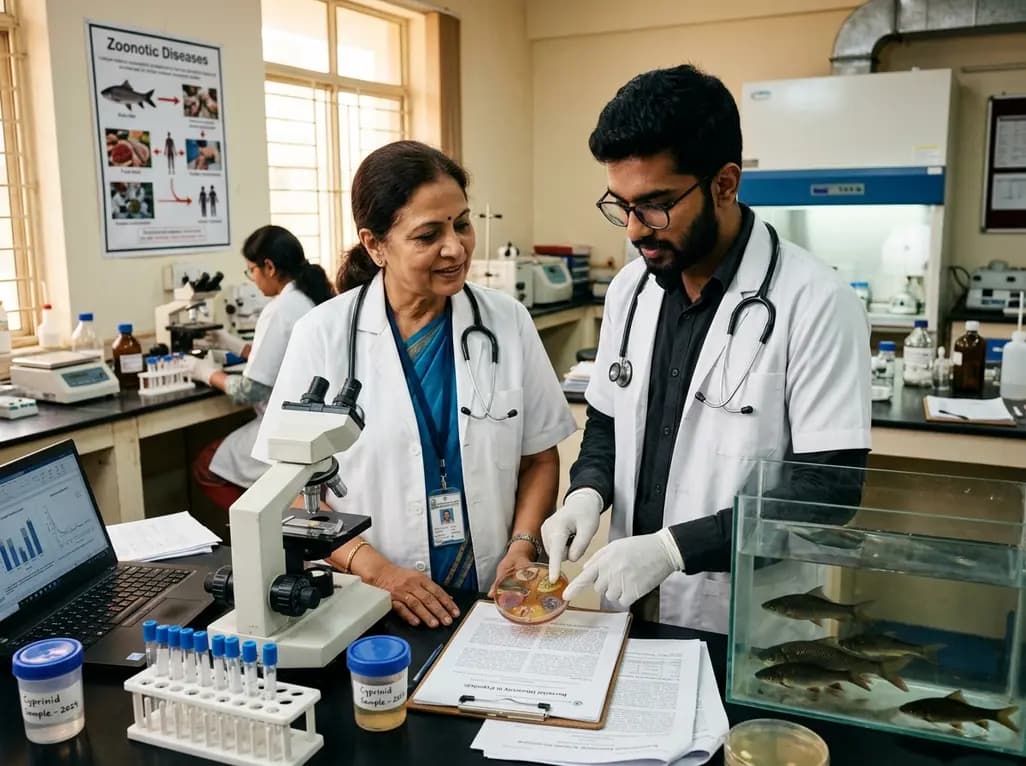
Aquaculture systems represent a primary dietary protein source across South Asia, supporting regional nutrition and economic stability. However, aquatic ecosystems frequently act as complex reservoirs for virulent microbial pathogens. A comprehensive surveillance study has characterized notable bacterial diversity isolated from naturally infected cyprinids, revealing the widespread distribution of bacterial pathogens in fish across regional water bodies. These findings illuminate significant diagnostic, therapeutic, and preventive considerations for clinicians treating foodborne illnesses, wound infections, and opportunistic systemic bacteremia.
The microbial survey evaluated 100 naturally infected freshwater cyprinids, including major commercial species such as Cyprinus carpio (Common Carp), Labeo rohita (Rohu), and Ctenopharyngodon idella (Grass Carp). Molecular characterization isolated 56 distinct bacterial species across nine distinct taxonomic families. Notably, Enterobacteriaceae and Aeromonadaceae emerged as the predominant microbial families within both superficial tissues and internal visceral organs. The dominant isolated genera included Enterobacter, Aeromonas, Klebsiella, Symbiopectobacterium, and Citrobacter species.
Furthermore, the investigation documented several bacterial species rarely identified within regional aquaculture environments. Researchers detected atypical isolates such as Rahnella contaminans, along with species of Yokenella and Morganella, across the gills, muscular tissue, and hepatic parenchyma of infected fish. Consequently, these findings indicate that aquatic reservoirs maintain an extensive diversity of opportunistic microorganisms. These organisms can breach natural mucosal barriers under environmental stress, leading to widespread systemic bacteremia in aquatic fauna and elevating exposure risks for human handlers.
The isolation of clinically relevant enterobacteria from edible fish musculature presents immediate public health concerns. When humans consume improperly cooked freshwater fish or handle infected raw specimens, pathogenic strains can colonize human gastrointestinal and soft tissue environments. Members of the genus Aeromonas, particularly Aeromonas hydrophila and Aeromonas veronii, frequently trigger acute gastroenteritis, biliary tract infections, necrotizing fasciitis, and secondary septicemia in vulnerable populations.
Similarly, opportunistic Enterobacteriaceae such as Klebsiella, Citrobacter, and Morganella morganii represent substantial clinical threats. For instance, Morganella morganii produces histidine decarboxylase, generating toxic histamine levels that trigger scombroid-like food poisoning upon ingestion of deteriorated tissues. Additionally, healthcare providers frequently encounter these opportunistic pathogens in nosocomial settings and secondary skin or soft tissue infections. Consequently, clinicians must maintain high suspicion when evaluating patients presenting with acute enteritis, cellulitis, or bacteremia following occupational exposure to aquaculture environments or recent consumption of freshwater fish.
In addition to human zoonotic hazards, high microbial burdens severely undermine aquatic livestock viability and productivity. Naturally infected cyprinids exhibited prominent clinical manifestations, including hemorrhagic septicemia, cutaneous ulcerations, abdominal dropsy, and extensive branchial necrosis. As a result, microbial invasion across the gills and intestinal lining disrupts osmotic regulation, suppresses respiratory exchange, and precipitates high mortality rates within commercial farming ponds.
Moreover, aquatic species such as Rohu and Grass Carp constitute the economic cornerstone of South Asian freshwater aquaculture. When environmental pollutants, poor water circulation, or temperature fluctuations stress fish populations, opportunistic bacteria exploit impaired host immunity. Consequently, subclinical infections rapidly evolve into severe epizootic outbreaks. Therefore, establishing rigorous water sanitation protocols, minimizing stocking density stress, and maintaining active biological filtration remain vital operational strategies to preserve aquatic animal health and prevent massive economic loss.
The interface between aquaculture microbiota and clinical medicine represents a critical focal point of the One Health framework. Historically, unmonitored antibiotic administration in commercial fish hatcheries has accelerated the selection of multidrug-resistant bacterial phenotypes. Enterobacteriaceae and Aeromonas strains isolated from aquatic environments routinely harbor plasmid-mediated resistance determinants against beta-lactams, fluoroquinolones, and aminoglycosides.
Furthermore, horizontal gene transfer readily facilitates the exchange of antimicrobial resistance genes between aquatic commensals and human pathogens. When resistant bacteria enter the human food supply chain, standard empirical therapeutic regimens for enteric and systemic infections become significantly compromised. Consequently, infectious disease specialists and public health authorities must advocate for strict antimicrobial stewardship across agricultural and aquaculture sectors. Coordinated national surveillance programs are essential to monitor resistance patterns and restrict the off-label application of critical human therapeutics in livestock husbandry.
Accurate clinical management of aquatic-acquired infections requires rapid pathogen identification and targeted antimicrobial therapy. Clinicians evaluating patients with severe localized wound infections or persistent diarrhea should obtain detailed occupational and dietary exposure histories. Standard stool cultures, blood cultures, and tissue aspirates should undergo automated biochemical profiling or matrix-assisted laser desorption ionization-time of flight mass spectrometry to ensure precise species-level identification.
Additionally, preventive consumer education plays an indispensable role in mitigating community-level transmission. Healthcare practitioners should counsel patients regarding safe food-handling practices, emphasizing the separation of raw aquatic products from ready-to-eat foods. Thorough thermal cooking fully denatures heat-labile enterotoxins and neutralizes vegetative bacterial cells. Furthermore, individuals with chronic liver disease, diabetes mellitus, or immunosuppression should wear protective gloves when processing raw freshwater fish to prevent transcutaneous inoculation of virulent aquatic pathogens.
Infected individuals typically present with acute watery diarrhea, severe abdominal cramping, nausea, vomiting, or low-grade fever following ingestion of undercooked fish. Transcutaneous inoculation through minor skin abrasions during fish cleaning or handling often produces rapid-onset cellulitis, localized hemorrhagic bullae, pain, and localized lymphadenitis. Immunocompromised hosts or individuals with underlying chronic hepatic disease face substantial risks of progressing to life-threatening septic shock.
Clinicians must thoroughly irrigate, debride, and swab aquatic-associated soft tissue injuries for definitive microbiological culture and antimicrobial susceptibility testing. Because aquatic pathogens frequently include virulent Aeromonas and enteric Gram-negative bacilli, empirical monotherapy with first-generation cephalosporins is usually inadequate. Clinicians should administer broad-spectrum empirical regimens covering resistant Gram-negative species, such as third-generation cephalosporins, fluoroquinolones, or doxycycline, while monitoring for rapidly advancing necrotizing soft-tissue infections.
Aquatic environments act as extensive mixing vessels where environmental bacteria, animal flora, and human runoff continuously interact. Widespread or uncontrolled antimicrobial exposure selects for multi-drug resistant strains and mobilizes mobile genetic elements such as plasmids and integrons. Consequently, resistant genes spread across bacterial families, compromising the efficacy of essential frontline antibiotics used to treat human enteric, urinary, and bloodstream infections.
Disclaimer: This content is for informational and educational purposes only. It does not constitute medical advice, diagnosis, or treatment recommendations. Clinical decisions should be guided by comprehensive clinical assessments, individual patient circumstances, and the professional judgment of qualified healthcare professionals. Refer to the latest local and national guidelines for clinical practice.
References
Rauf M et al. Notable bacterial diversity isolated from naturally infected fish in an understudied region of Pakistan. J Aquat Anim Health. 2026 Aug 17. doi: undefined. PMID: 42606406.
Janda JM, Abbott SL. The genus Aeromonas: taxonomy, pathogenicity, and infection. Clin Microbiol Rev. 2010;23(1):35-73.
Cabello FC et al. Antimicrobial use in aquaculture and the emergence of resistance: dynamic interactions between human, animal and environmental health. Environ Microbiol Rep. 2023;15(4):243-258.

Read summarized clinical updates, watch expert medical content, and earn CME certifications right from your smartphone.
Open your smartphone camera to scan and install.





A landmark study highlights remarkable bacterial diversity in naturally infected cyprinid fish, identifying enteric and opportunistic human pathogens that pose foodborne zoonotic risks across South Asia.
last month
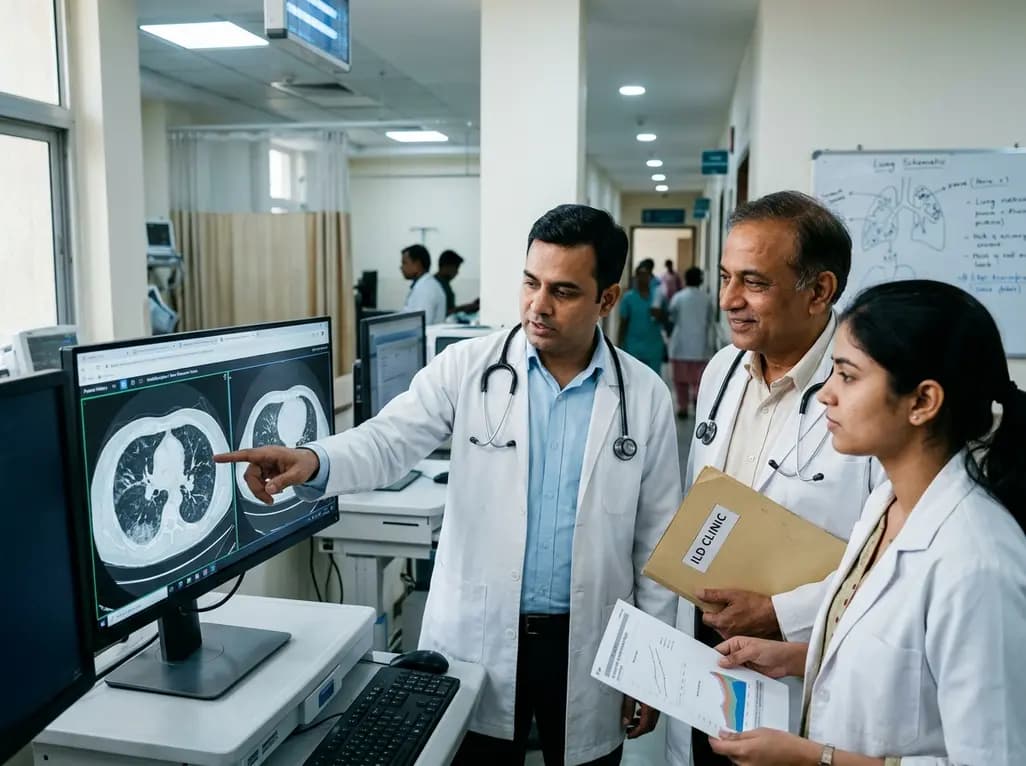
A nationwide English cohort study shows that interstitial lung diseases are no longer rare, with incidence jumping 30% and 200,000 active cases. This analysis highlights clinical implications for diagnosis, multi-disciplinary management, and global health priorities across respiratory and internal medicine.
Today

A nationwide South Korean study shows underreporting of smoking among women dropped from 57.4% to 36.4% between 2008 and 2021. However, over one-third of female smokers still conceal their habit, highlighting the critical role of cotinine verification in clinical risk assessment.
Today

PepsiCo and Monster Beverage have challenged the FSSAI ban on the energy drink label in Indian courts. While companies highlight supply disruptions, regulatory actions spotlight severe cardiovascular and metabolic risks associated with excessive caffeine, sugar, and taurine consumption, especially in adolescents.
Today
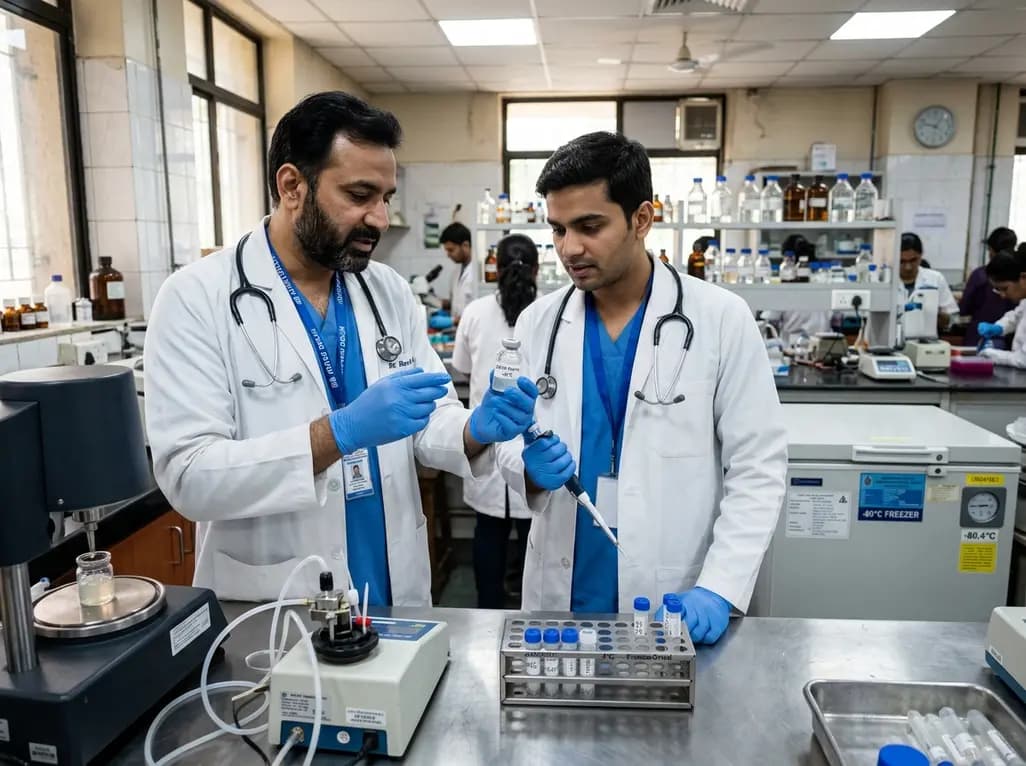
A new study evaluates the rheological stability of decellularized peripheral nerve matrix hydrogels under varied storage conditions. Findings show -80°C storage and freeze-drying preserve gelation kinetics and mechanical stiffness, offering key insights for shipping and translational clinical applications.
Today

A qualitative meta-synthesis highlights the complex interplay between gender dysphoria, minority stress, and eating disorders in transgender and gender-diverse individuals. Clinicians must recognize these distinct drivers to offer supportive, gender-affirming, and interdisciplinary eating disorder care.
Today
