

Loading, please wait...
Loading, please wait...

Diagnosing and managing a bacterial brain abscess in pregnancy presents one of the most formidable dilemmas in modern critical care and neurosurgery. Although intracranial suppuration occurs infrequently during gestation, the clinical consequences for both mother and fetus can prove catastrophic. Obstetric changes often mask early neurological signs because symptoms such as progressive headache, nausea, and vomiting mimic normal gestational discomfort or preeclampsia. A recent systematic review conducted across major global databases synthesized evidence from 18 pregnant patients. This analysis provides clinicians with invaluable insights into presentation patterns, surgical selection, antimicrobial regimens, and perinatal safety. Understanding these critical findings enables healthcare teams to intervene rapidly while protecting fetal viability.
The systematic review revealed that intracranial suppuration affects gravidas across various reproductive ages and gestational stages. In the evaluated cohort, the median maternal age was 26.0 years, and the median gestational age at diagnosis was 25.0 weeks. Consequently, presentations clustered predominantly around the late second and early third trimesters. Neurological deficits emerged in nearly 59% of evaluable patients, while all patients with available imaging demonstrated significant cerebral mass effect. Furthermore, clinicians observed seizures, focal motor weaknesses, cranial neuropathies, and altered sensorium among affected women. Because raised intracranial pressure can rapidly induce uncal herniation, early recognition remains vital. Clinicians must maintain a heightened index of suspicion whenever a pregnant patient develops refractory headaches accompanied by fever or focal neurological signs.
Establishing a prompt diagnosis requires immediate neuroimaging, yet clinicians frequently encounter trepidation regarding fetal radiation exposure. Non-contrast computed tomography provides rapid initial assessment; however, magnetic resonance imaging serves as the definitive gold standard. Magnetic resonance imaging clearly differentiates cerebritis from encapsulated purulent collections without exposing the developing fetus to ionizing radiation. In addition, diffusion-weighted imaging effectively distinguishes intracranial abscesses from cystic intracranial neoplasms. Systemic inflammatory markers, including leukocyte counts and C-reactive protein levels, frequently show elevation, but these laboratory findings lack specificity during pregnancy. Therefore, clinicians must prioritize definitive neuroimaging over observation when pregnant women manifest focal neurological signs or refractory headaches.
The review examined therapeutic pathways comprising open craniotomy, stereotactic needle aspiration, and exclusive medical therapy. Among the 18 patients analyzed, ten gravidas underwent open craniotomy, four received stereotactic aspiration, and four completed medical therapy alone. Craniotomy provided immediate decompression and extensive purulent evacuation, which proved advantageous for large lesions with significant mass effect. Conversely, stereotactic aspiration offered a minimally invasive alternative that minimized operative duration and anesthetic exposure. Both surgical approaches successfully yielded microbiological specimens, allowing precise pathogen identification. Crucially, the review did not establish a single superior surgical technique. Consequently, neurosurgeons must customize the operative strategy based on lesion volume, anatomic accessibility, surrounding edema, and acute herniation risks.
Antimicrobial therapy represents an indispensable cornerstone of intracranial abscess management during pregnancy. The review documented a median antimicrobial duration of 42 days, reflecting the prolonged treatment cycles necessary to sterilize cerebral parenchyma. Microbiological cultures identified causative organisms in 11 cases, with Streptococcus species emerging as the most frequent isolates. Accordingly, initial empirical antimicrobial regimens typically combined third-generation cephalosporins with metronidazole to target both oral streptococci and anaerobic bacteria. While choosing antibiotics, clinicians must balance maternal efficacy against potential teratogenicity and fetal toxicity. Fortunately, standard beta-lactams demonstrate favorable safety profiles throughout all trimesters. Once culture and susceptibility results return, teams must narrow antimicrobial therapy promptly to maximize bacterial clearance and prevent toxicity.
Neurological status improved by follow-up in 13 out of 18 patients, illustrating that favorable maternal recovery is achievable through prompt intervention. Nevertheless, serious perinatal complications occurred across the cohort. The investigators reported one maternal death, five preterm deliveries, one instance of fetal growth restriction, two pregnancy losses, and one neonatal death. Additionally, three neonates required intensive care unit admission. Intracranial mass effect and emergency cranial surgery can trigger spontaneous preterm labor, requiring judicious tocolysis and antenatal corticosteroids. Intracranial abscess itself does not automatically mandate an urgent cesarean delivery. In stable gravidas without uncal herniation, pregnancy continuation to term remains viable, underscoring the critical necessity of coordinated multidisciplinary planning.
Pregnant patients typically present with severe persistent headache, nausea, fever, vomiting, and focal neurological deficits. Furthermore, many women experience new-onset seizures, lethargy, or cranial nerve palsies. Because these clinical features closely resemble benign gestational complaints or preeclampsia, clinicians must maintain high diagnostic suspicion and order prompt neuroimaging.
The systematic review did not identify a single superior surgical technique. Instead, neurosurgeons individualize care by selecting open craniotomy for extensive lesions with marked mass effect or choosing stereotactic aspiration for deep-seated, smaller collections. Both operative interventions successfully achieve decompression and provide essential samples for culture-directed therapy.
Clinicians initiate broad-spectrum intravenous regimens combining third-generation cephalosporins with metronidazole, as these agents demonstrate high intracranial penetration and acceptable pregnancy safety profiles. Following stereotactic aspiration or surgical excision, teams immediately tailor antibiotic therapy according to identified microbial sensitivities, typically continuing targeted intravenous therapy for approximately six weeks.
Disclaimer: This content is for informational and educational purposes only. It is not intended to replace formal clinical decision-making or multidisciplinary consultation. Refer to the latest local and national guidelines for clinical practice.
References

Read summarized clinical updates, watch expert medical content, and earn CME certifications right from your smartphone.
Open your smartphone camera to scan and install.





Managing a bacterial brain abscess during pregnancy presents formidable clinical challenges. A recent systematic review analyzes 18 cases, highlighting presentation, surgical strategies, antibiotic regimens, and maternal-fetal outcomes to guide multidisciplinary teams.
Today

A validation study evaluates the consumer-grade InBody Dial H30 bioelectrical impedance device against a 3-compartment criterion in recreationally active adults, revealing a slight overestimation in body fat percentage and underestimation in fat-free mass alongside notable individual limits of agreement.
Today

A nationwide survey reveals substantial knowledge gaps among general practitioners regarding fetal pathology and autopsy. Enhanced training and interdisciplinary communication are vital to guide stillbirth evaluation, clarify autopsy consent, and improve preconception counseling for bereaved parents.
Today
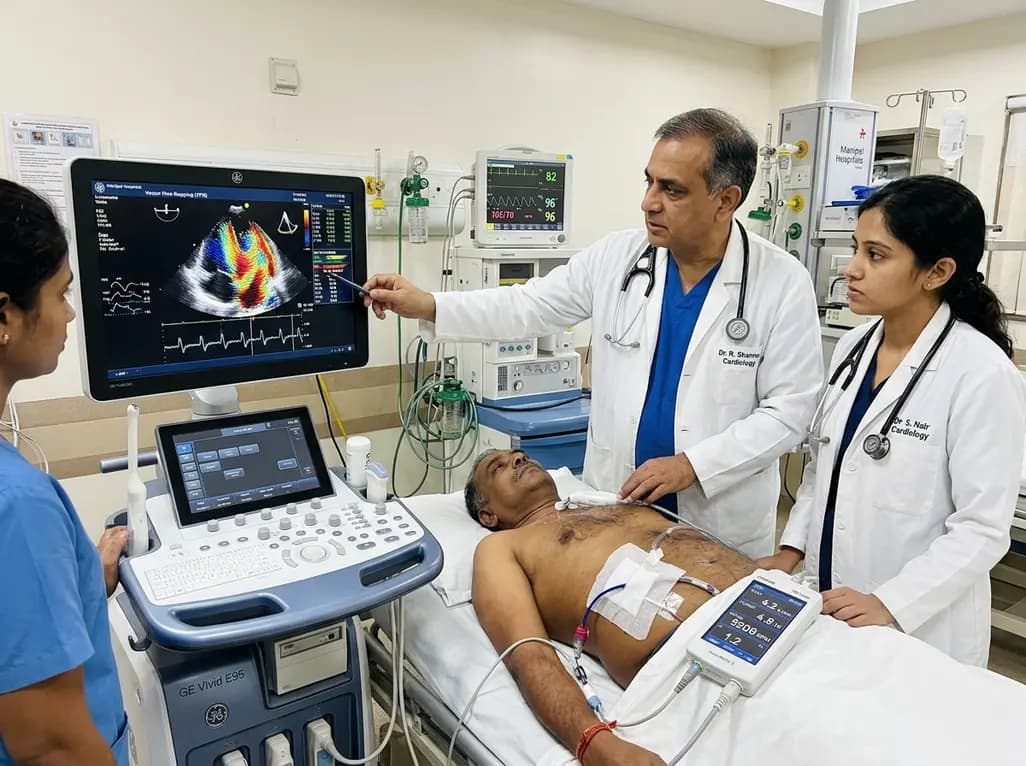
A pilot study shows that transesophageal echocardiography with vector flow mapping measures intraventricular energy loss in HeartMate 3 LVAD recipients. Energy loss significantly correlates with controller-displayed pump flow, offering clinicians deeper insights into ventricular unloading and intracardiac fluid mechanics.
Today

A comparative study demonstrates that simple and complex labral tears achieve comparable functional outcomes and low recurrence rates following arthroscopic stabilization for anterior shoulder instability, despite differing clinical presentations and dislocation histories.
Today

A nationwide analysis shows that inpatient lifestyle counseling for type 2 diabetes remains remarkably underutilized despite modest gains. Clinicians must bridge persistent demographic disparities and integrate structured dietary and exercise counseling into routine hospital discharge workflows.
Today
