.webp&w=384&q=75)

Loading, please wait...
Loading, please wait...

Naive B cells must undergo a rapid transition from a quiet state to a highly active one to protect the body. This process requires B cell metabolic reprogramming, a fundamental shift in how cells acquire and use nutrients. Recent research highlights how Lipopolysaccharide (LPS), a common bacterial trigger, stimulates specific metabolic pathways to fuel this change. Furthermore, by understanding these mechanisms, clinicians can better grasp the complexities of immune responses and potential therapeutic targets for inflammatory diseases.
Engagement of Toll-like receptor 4 (TLR4) by LPS induces significant changes in the B cell proteome. Specifically, researchers observed an increased expression of amino acid transporters and enzymes responsible for cholesterol biosynthesis. Moreover, the large neutral amino acid transporter, SLC7A5, emerges as a critical player. When scientists conditionally deleted Slc7a5 in murine models, they observed a significant impairment in B cell proliferation. Consequently, this suggests that amino acid uptake is not just a byproduct of activation but a requirement for it.
Similarly, cholesterol metabolism plays an equally vital role. LPS stimulation elevates intracellular cholesterol levels, which are necessary for membrane synthesis and signaling. Additionally, inhibiting HMG-CoA reductase, the rate-limiting enzyme in cholesterol production, effectively blocks B cell proliferation. Notably, this requirement for cholesterol and protein prenylation is consistent across various activation pathways, including TLR7, TLR9, CD40, and the B cell receptor. Therefore, these metabolic pathways represent universal checkpoints for B cell fitness.
Ultimately, the discovery that metabolic rewiring is essential for B cell activation has broad implications. In the context of infection, these pathways ensure that the immune system can rapidly generate antibody-secreting cells. However, in autoimmune conditions, these same pathways might become overactive. For example, the use of HMG-CoA reductase inhibitors may have immunomodulatory effects beyond their lipid-lowering properties. Overall, this research provides a molecular basis for exploring metabolic inhibitors in the management of hyper-inflammatory or autoimmune states.
SLC7A5 acts as a major transporter for essential amino acids. Its upregulation ensures that activated B cells have the necessary building blocks for protein synthesis and rapid cell division.
Yes. Beyond structural support, cholesterol metabolism supports protein prenylation, which is necessary for the function of signaling proteins that drive cell growth and survival.
No. Research shows that similar metabolic reprogramming occurs regardless of the stimulus, whether it involves viral DNA (TLR9), T-cell help (CD40), or direct antigen recognition via the B cell receptor.
Disclaimer: This content is for informational and educational purposes only. It does not constitute medical advice or a professional relationship. Refer to the latest local and national guidelines for clinical practice.
References
Cheung DMS et al. Lipopolysaccharide stimulates dynamic changes in B cell metabolism to promote proliferation. Elife. 2026 May 21. doi: undefined. PMID: 42166216.
Cheung DMS et al. SLC7A5 regulates B cell metabolism and plasma cell differentiation independent of leucine transport. J Immunol. 2026 Mar 17;215(3):vkaf328.
Alivernini S et al. Statin therapy and autoimmune disease: from protein prenylation to immunomodulation. Nat Rev Rheumatol. 2023;19(4):215-228.

Read summarized clinical updates, watch expert medical content, and earn CME certifications right from your smartphone.
Open your smartphone camera to scan and install.





A study reveals that B cell activation requires metabolic reprogramming of amino acid uptake and cholesterol synthesis to support rapid proliferation....
4 months ago
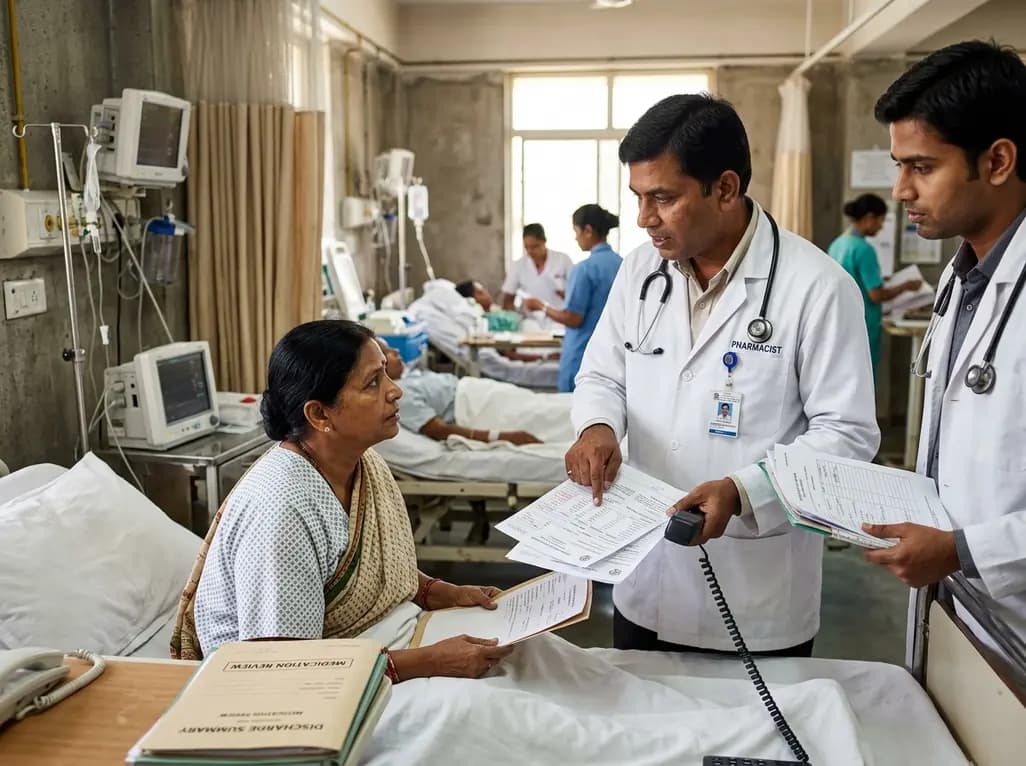
A retrospective cohort study demonstrates that comprehensive pharmacy transitions of care—including admission medication history, discharge review, and 72-hour telephone follow-up—significantly reduced 30-day readmission rates in acute care patients, highlighting the value of pharmacist-led clinical interventions.
Today
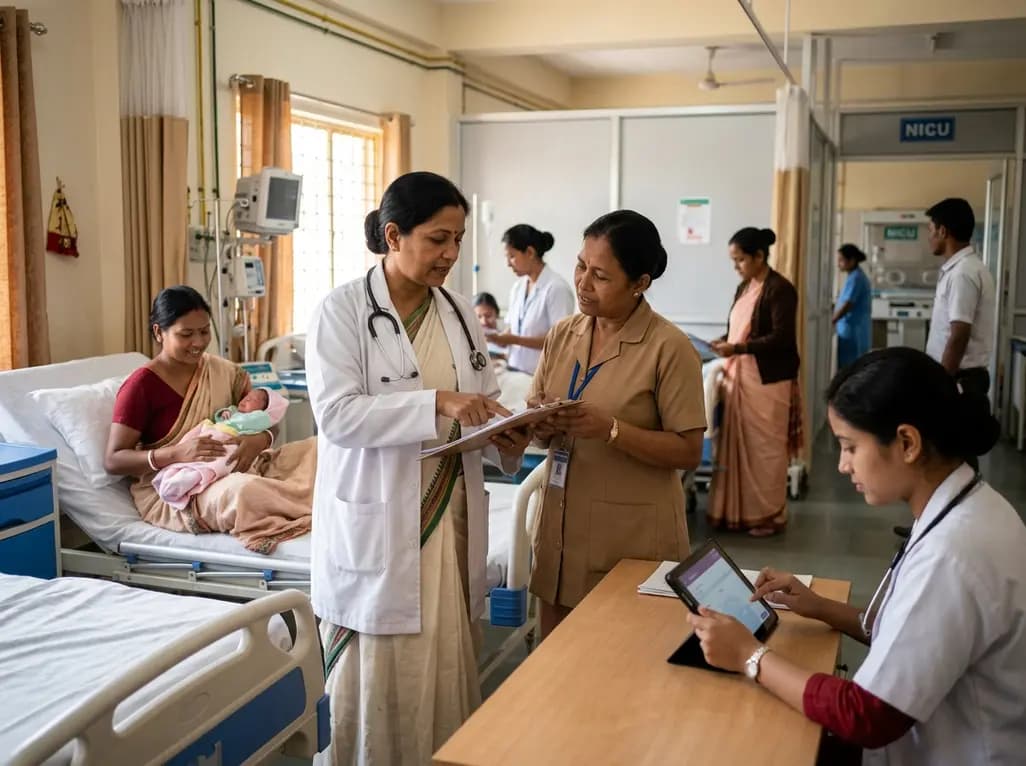
Meghalaya recorded a historic 55% reduction in maternal deaths, dropping from 244 to 107 over five years. Through the MOTHER app, dedicated transit homes, and expanded infrastructure like the 150-bed Tura Maternity Hospital with its first public NICU, the state demonstrates an effective public health model.
Today

Explore modern perioperative management protocols for clinical xenotransplantation. Learn how costimulation blockade, anti-inflammatory perfusion, and coagulopathy rescue overcome interspecies hurdles.
Today

A cross-sectional study reveals that sarcopenic obesity independently increases functional impairment and severe disc degeneration in patients with degenerative lumbar spinal stenosis, highlighting the need for body composition assessment.
Today
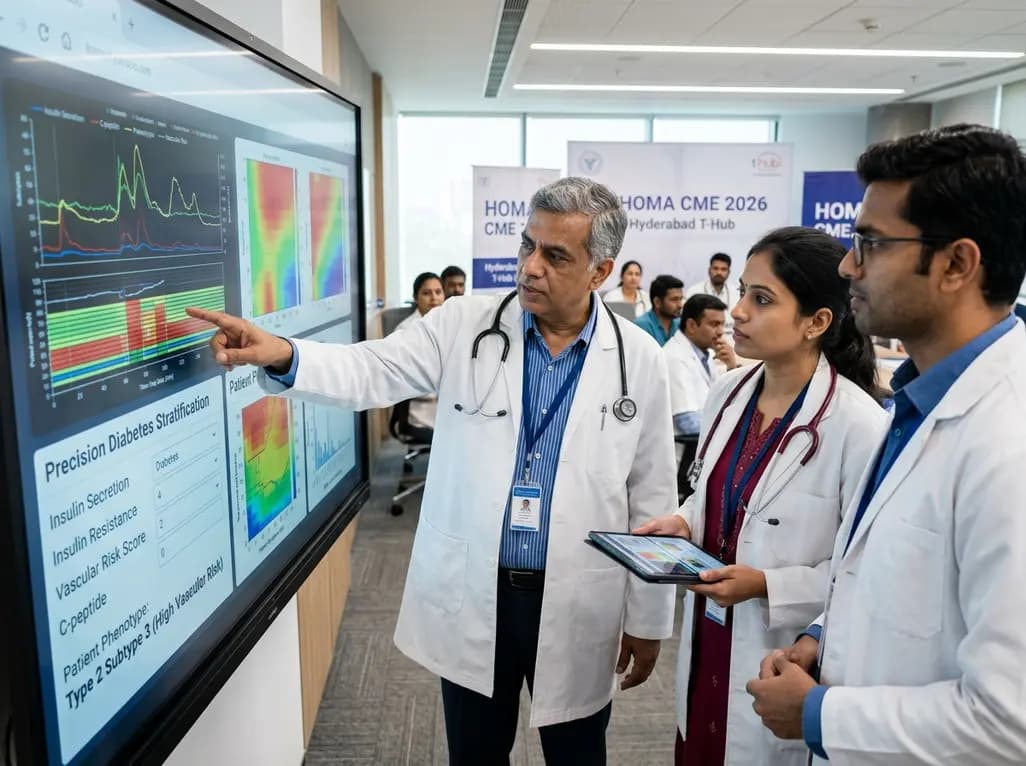
At Homa CME 2026 at Hyderabad's T-Hub, healthcare leaders emphasized moving beyond routine metrics through digital calculators and precision stratification. Discover why characterizing individual insulin secretion, resistance patterns, and vascular risks transforms chronic metabolic care in India.
Today
