.webp&w=384&q=75)

Loading, please wait...
Loading, please wait...
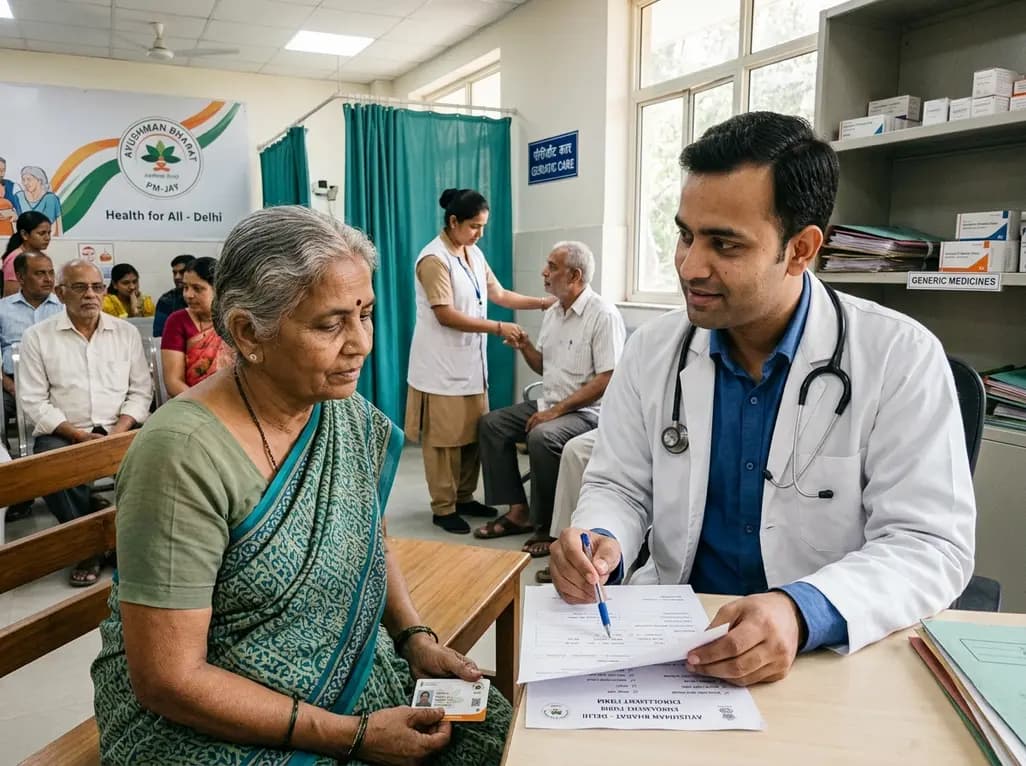
The rollout of universal healthcare schemes in the National Capital Territory of Delhi represents a major structural shift in clinical delivery and public health administration. Recent official data highlights that Ayushman Bharat registrations have rapidly crossed the nine-lakh milestone across the metropolis. In addition, hospitals have settled approximately 85,000 claims valued at Rs 118 crore under this framework. Consequently, primary care physicians must understand how these administrative benchmarks influence clinical practice. Specifically, these numbers alter tertiary referrals, geriatric care delivery, and hospital bed occupancy across Delhi.
Historically, the central Ayushman Bharat scheme provided an annual inpatient cover of Rs 5 lakh per family. However, the Delhi government has introduced an equivalent matching top-up of Rs 5 lakh. Therefore, eligible beneficiaries in the capital command a comprehensive financial protection limit of Rs 10 lakh per person. This substantial sum provides crucial relief for tertiary interventions requiring intensive medical care. Clinicians can perform complex procedures like cardiac revascularization, neurosurgery, and oncological therapies without delay. Furthermore, tertiary clinicians frequently encounter catastrophic out-of-pocket costs that force families to discontinue necessary care. With this enhanced financial cushion, multispecialty hospitals can admit severe cases without subjecting households to destitution. In addition, the seamless cashless mechanism minimizes pre-authorization delays during emergency admissions. Administrative teams and clinicians must establish reliable internal workflows for prompt document submission. Moreover, hospital financial counselors can guide vulnerable families through available packages before scheduled operations begin. Thus, transparent package allocation avoids unexpected post-operative billing disputes for both patients and clinicians. As a result, participating hospitals experience predictable reimbursements and improved patient retention during prolonged intensive care stays.
A pivotal development within the scheme involves the citywide rollout of the Ayushman Vaya Vandana Yojana. Specifically, nearly three lakh elderly residents in Delhi have now enrolled under this dedicated geriatric track. Unlike standard means-tested schemes, this program extends universal coverage to every citizen aged 70 years and above. Furthermore, eligibility applies uniformly regardless of household income or socioeconomic bracket. Consequently, senior citizens receive a distinct financial protection ceiling that protects their family unit's floater pool. Moreover, geriatric practitioners recognize that aging cohorts face complex multimorbidity patterns. These common conditions include advanced osteoarthritis, chronic obstructive pulmonary disease, and stroke sequelae. Because these chronic states demand frequent hospital admissions, comprehensive coverage proves indispensable. Clinicians can now recommend joint arthroplasty, pacemaker implantation, or intensive rehabilitation without financial hesitation. In addition, simplifying enrollment through Aadhaar-based biometric verification enables rapid bedside registration for acutely ill elderly patients. Therefore, healthcare facilities must train frontline staff to initiate rapid card generation upon patient arrival.
Hospital-level care achieves lasting success only when anchored by a sturdy primary healthcare network. To meet this objective, authorities have already operationalized approximately 415 Ayushman Arogya Mandirs across Delhi. Moreover, administrators are actively working toward an ultimate target of 1,100 functional facilities. These clinics serve as primary health hubs, offering continuous preventive screening, diagnostic workups, and health education. Furthermore, community medical officers lead proactive screening drives for non-communicable diseases. Specifically, they identify essential hypertension, type 2 diabetes mellitus, and common cancers in early stages. Early therapeutic intervention halts microvascular and macrovascular complications before patients require emergency tertiary care. Additionally, these mandirs establish a structured gatekeeping mechanism that guides patient movement through designated referral corridors. When an ambulatory clinician detects severe disease, the patient transfers smoothly to an empanelled hospital. In addition, routine point-of-care laboratory testing at these centers accelerates clinical decision-making for common ambulatory complaints. Consequently, tertiary hospitals experience fewer overcrowded outpatient wards, enabling specialists to focus on complex pathologies.
Affordable pharmacotherapy forms an indispensable pillar of chronic disease management in clinical practice. In urban settings, out-of-pocket pharmacy expenditures traditionally represent more than sixty percent of routine outpatient healthcare costs. Fortunately, Delhi’s network of Pradhan Mantri Bhartiya Janaushadhi Kendras offers essential medicines at substantially reduced rates. These quality generic formulations retail at prices nearly 90% lower than commercial alternatives. Therefore, physicians across internal medicine, cardiology, and endocrinology should adopt generic prescribing practices to optimize adherence. When patients can afford long-term supplies of antihypertensives, oral hypoglycemics, and statins, compliance rates rise noticeably. Moreover, improved compliance directly reduces rates of diabetic ketoacidosis, acute coronary syndromes, and end-stage renal disease. Stringent bioequivalence testing through central laboratories maintains the clinical safety and efficacy of these generic drugs. Consequently, doctors can prescribe these low-cost formulations with complete clinical confidence. In addition, hospital teams should direct convalescent patients toward Jan Aushadhi kiosks to avoid therapy interruptions after discharge.
The rapid expansion of the public insurance net brings notable operational shifts for hospital administrators. With over Rs 118 crore already disbursed across 85,000 claims in Delhi, revenue cycle teams must maintain high documentation standards. Specifically, claims adjudication systems utilize rigorous automated fraud detection engines managed by the State Health Agency. Furthermore, clinical specialists must document clear indications for secondary and tertiary care packages before initiating elective procedures. For instance, diagnostic imaging, pathology reports, and pre-anesthetic clearance sheets must accompany each digital package request. Failure to upload mandatory clinical evidence can lead to administrative claim rejections or delayed settlements. Conversely, hospitals that align their electronic records with National Health Authority claim guidelines secure rapid reimbursements. Additionally, clinicians should track evolving package revisions, as updated national guidelines introduce revised implant rates and package expansions. Therefore, regular clinical coding audits help empanelled hospitals maintain regulatory compliance while minimizing claim rejection frequencies. Ultimately, active participation in these structured insurance networks expands patient reach while ensuring sustainable institutional revenue.
As subsidized coverage expands across urban populations, medical teams must adapt clinical pathways for multimorbid patients. Many newly registered beneficiaries previously avoided clinical consultations due to fears of catastrophic hospital costs. Consequently, patients often present at advanced disease stages, bearing concurrent chronic medical conditions. These complex presentations frequently combine diabetic nephropathy, peripheral vascular disease, and severe nutritional deficiencies. Therefore, hospital teams should institute multidisciplinary admission reviews involving internists, surgical specialists, and medical social workers. By conducting early comprehensive geriatric assessments, clinical teams can detect latent cognitive deficits and polypharmacy risks. Moreover, coordinated hospital teams can verify eligibility under supplementary welfare programs, such as nutritional subsidies or housing initiatives. Additionally, streamlined discharge planning ensures that patients transition smoothly back into the community with scheduled primary follow-ups. In conclusion, integrating hospital-based clinical interventions with continuous community care maximizes long-term survival for vulnerable citizens.
Q1: What are the eligibility criteria and benefit ceilings under the expanded Ayushman Bharat scheme in Delhi?
Eligible families in Delhi receive an aggregate annual inpatient cover of Rs 10 lakh. This total combines the central allocation of Rs 5 lakh with a matching top-up from the Delhi government. Consequently, coverage extends across cashless secondary and tertiary hospitalizations in empanelled healthcare facilities nationwide. Furthermore, benefits include diagnostic testing, intensive care admissions, and advanced surgical procedures for all registered household members.
Q2: How does the Ayushman Vaya Vandana Yojana support geriatric patient care?
The Ayushman Vaya Vandana Yojana offers dedicated cashless inpatient healthcare coverage of Rs 5 lakh annually. Specifically, this cover protects every senior citizen aged 70 years and older across India. Crucially, enrollment does not depend on socioeconomic status or family income. The scheme functions as a distinct individual entitlement. Therefore, medical treatments for elderly individuals do not exhaust the shared health insurance reserve of their family.
Q3: What role do Ayushman Arogya Mandirs play in the clinical referral system?
Ayushman Arogya Mandirs serve as foundational primary care facilities offering preventive screening, diagnostic investigations, and ongoing disease management. Ambulatory clinicians at these centers identify chronic conditions like hypertension and diabetes early. When patients require advanced medical or surgical interventions, these centers coordinate seamless referrals to secondary and tertiary hospitals. Consequently, this structured referral mechanism prevents unnecessary emergency room overcrowding and ensures timely clinical treatment.
Disclaimer: This content is for informational and educational purposes only. It does not constitute medical advice or replace professional judgment. Refer to the latest local and national guidelines for clinical practice.
References

Read summarized clinical updates, watch expert medical content, and earn CME certifications right from your smartphone.
Open your smartphone camera to scan and install.





Universal healthcare access in Delhi expands rapidly with over nine lakh citizens enrolled, Rs 118 crore settled in claims, and dedicated geriatric coverage for senior citizens aged 70 and above. Upgraded primary health centers and generic drugs provide comprehensive clinical protection.
Today
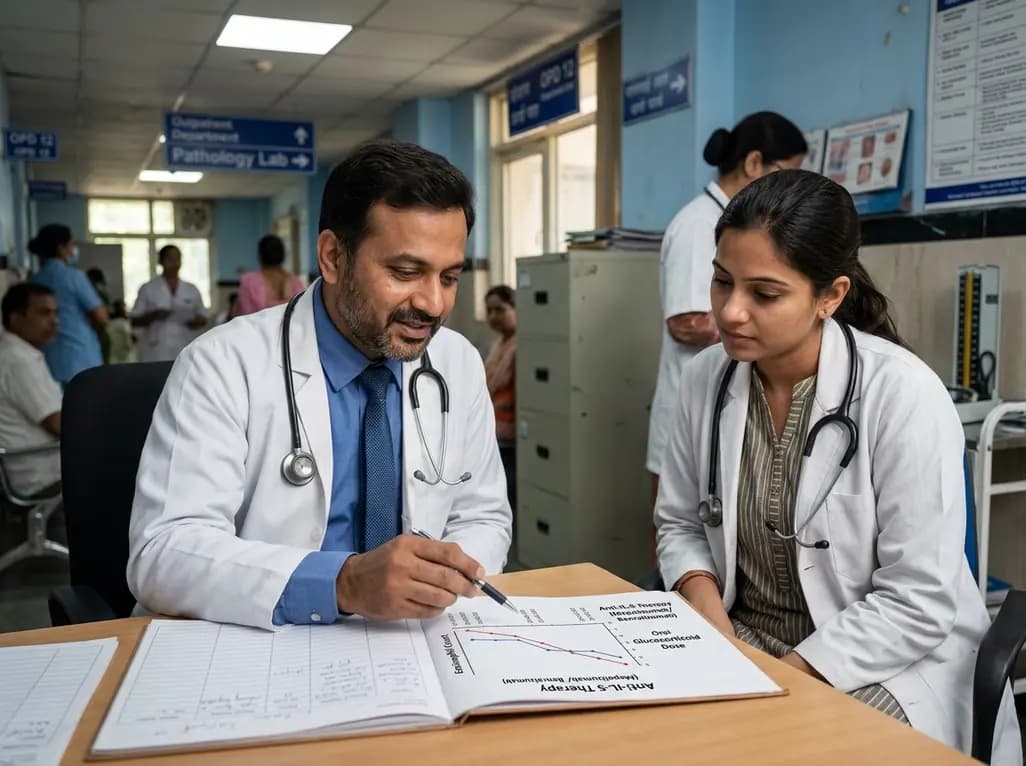
Real-world evidence demonstrates that anti-IL-5 monoclonal antibodies mepolizumab and benralizumab significantly reduce oral glucocorticoid dependence and peripheral eosinophil counts in eosinophilic granulomatosis with polyangiitis (EGPA), enabling complete steroid discontinuation in nearly half of patients.
Today

A comparative analysis of labor induction with vaginal misoprostol in individuals with and without severe obesity, highlighting pharmacokinetic differences, labor duration, dosing, and intrapartum safety.
Today
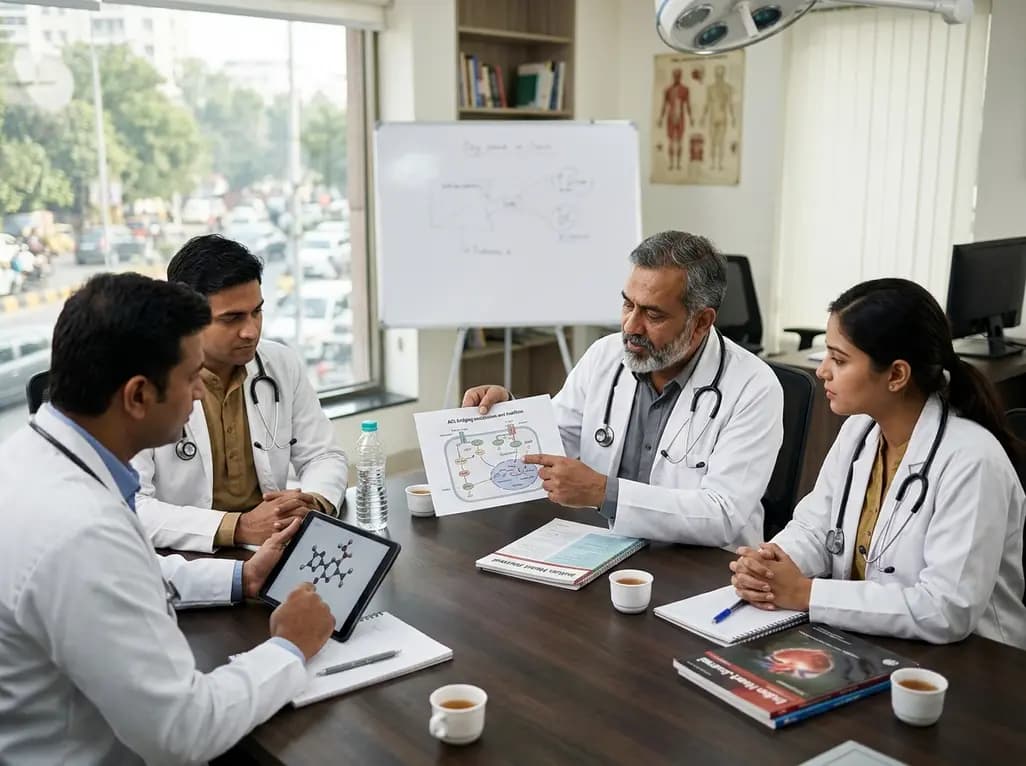
ATP-citrate lyase (ACLY) bridges energy metabolism and epigenetic regulation by generating acetyl-CoA. This review explores ACLY biology, its disease relevance across cardiometabolic disorders and oncology, and current clinical developments surrounding ACLY inhibitors like bempedoic acid.
Today
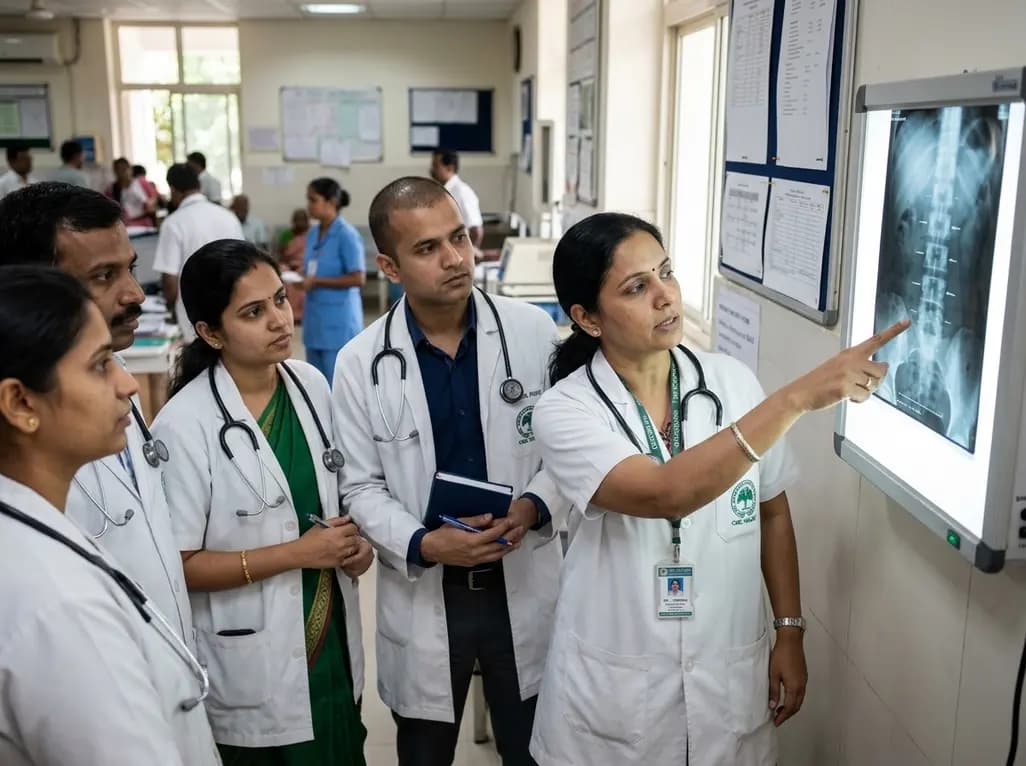
A comprehensive umbrella review of 22 meta-analyses and 286,584 adults reveals that calcium supplementation modestly increases bone mineral density and reduces vertebral fractures, but does not decrease hip or wrist fracture risks.
Today
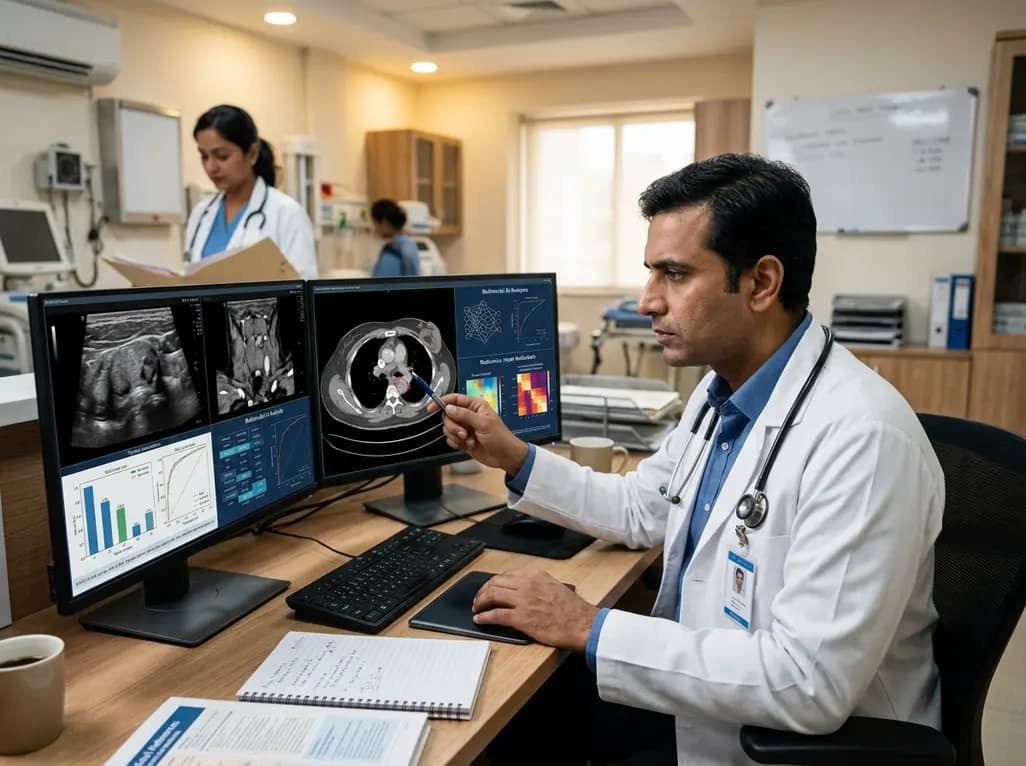
A multimodal AI model integrating ultrasound deep learning, CT perivascular adipose tissue radiomics, and clinical risk factors accurately predicts central lymph node metastasis in papillary thyroid carcinoma, providing clinicians with a non-invasive tool to optimize pre-operative surgical decisions.
Today
