.webp&w=384&q=75)

Loading, please wait...
Loading, please wait...
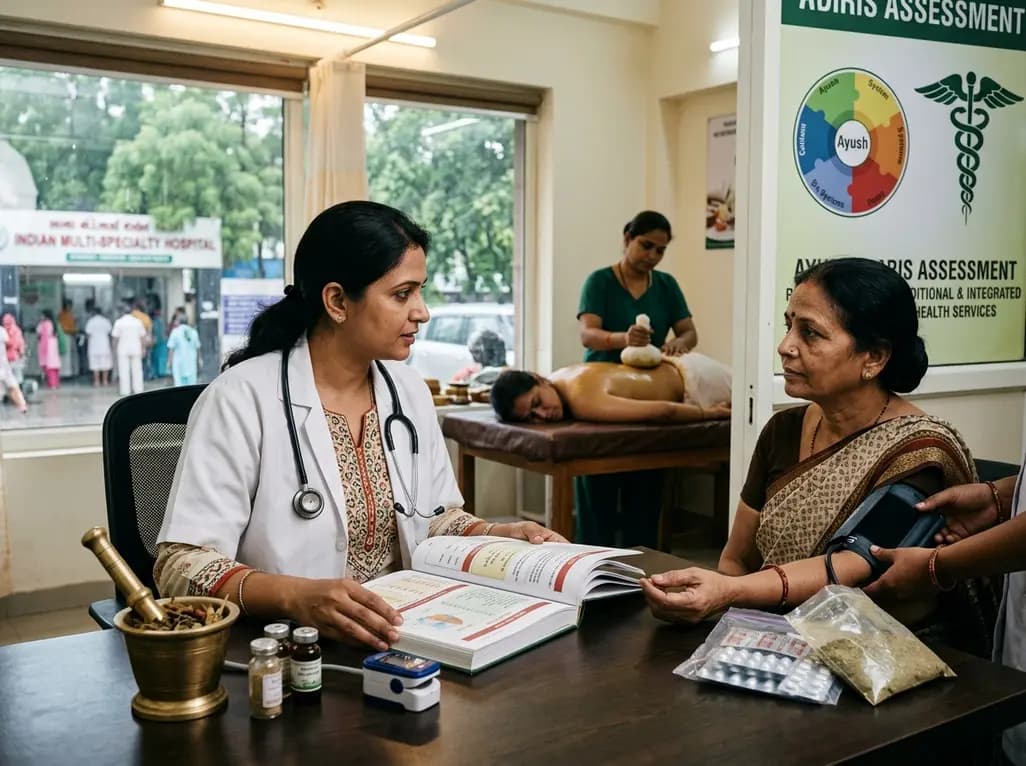
The rapid evolution of traditional medicine is actively reshaping healthcare delivery across India. Recent empirical data reveals that the Ayush services sector represents an expanding economic and clinical pillar of national wellness. Consequently, this formal assessment offers critical clinical and administrative insights for healthcare practitioners, hospital leaders, and public health planners. By examining workforce demographics, revenue models, and clinical integration, medical professionals can better understand evolving patient preferences and collaborative therapeutic opportunities.
The Research and Information System for Developing Countries recently released a comprehensive benchmark assessment of traditional systems. Specifically, this nationwide survey covered nearly sixteen thousand healthcare establishments across six traditional medical disciplines. The assessment established that the industry achieved a sixteen point nine percent annual growth rate between fiscal years 2023 and 2025. Consequently, the total service valuation attained thirty-six point nine two billion dollars.
This substantial economic footprint illustrates how traditional therapies complement modern medical facilities in primary care delivery. Furthermore, government initiatives continue to integrate traditional practitioners into mainstream public health strategies. Clinicians increasingly encounter patients who combine conventional therapies with traditional protocols. Therefore, medical professionals must understand the institutional frameworks that govern these complementary clinical practices.
Additionally, policymakers emphasize standardized quality measures to ensure clinical safety and efficacy. Vaidya Rajesh Kotecha underscored that digital infrastructure and robust institutional networks will enhance service scale. Consequently, standardized diagnostic protocols and regulated training programs are upgrading patient management across all tiers. Medical directors should note these shifts as integrative care models gain broader institutional acceptance across urban centers.
The latest workforce statistics demonstrate exceptional strides in gender inclusion and professional empowerment. Overall, women constitute forty-three percent of the one point seven six million livelihoods supported across the domain. Moreover, female representation exceeds fifty percent across several structured healthcare settings.
Specifically, women account for fifty-three percent of staff in traditional hospital facilities. In day-care therapy centers, female practitioners and technicians represent fifty-seven percent of the personnel. Furthermore, educational institutions employ fifty-eight percent women across academic and research roles. In specialized wellness retreats and therapeutic spas, female personnel comprise more than sixty percent of the entire workforce.
Consequently, this pronounced female participation strengthens grassroots healthcare delivery and inclusive economic mobility. Union Ayush Minister Prataprao Jadhav observed that expanding traditional facilities opens sustainable avenues for skill building and entrepreneurship. Furthermore, allied health disciplines like panchakarma therapy and clinical dietetics recruit large numbers of trained women. In turn, primary clinics benefit from empathetic patient interactions and culturally congruent community support. Therefore, medical administrators should recognize how female leadership and clinical participation foster resilient institutional healthcare environments.
Primary outpatient facilities generate the overwhelming majority of traditional healthcare revenue. Standalone neighborhood clinics generate sixteen point two one billion dollars, representing nearly forty-four percent of sectoral earnings. Furthermore, specialized day-care treatment centers contribute ten point one three billion dollars to the clinical economy. Together, these two primary formats generate over seventy-one percent of total service revenues.
Moreover, local and standalone clinics provide livelihoods for more than one million healthcare workers. This decentralized distribution ensures accessible symptomatic relief for rural and suburban populations. In addition, Ayurveda remains the dominant clinical discipline, generating seventeen point seven three billion dollars alone. This figure constitutes approximately forty-eight percent of the comprehensive service market.
Consequently, family physicians and general practitioners frequently collaborate with these outpatient centers. Community members often utilize localized clinics for musculoskeletal pain, metabolic complaints, and chronic inflammatory disorders. Therefore, understanding referral dynamics and treatment patterns helps medical doctors coordinate comprehensive chronic disease management. In contrast to capital-intensive tertiary facilities, these nimble outpatient units sustain extensive local engagement. As a result, community-level clinics anchor both economic vitality and basic therapeutic accessibility.
Public appetite for proactive health maintenance has ignited rapid growth within lifestyle interventions. Specifically, the dedicated wellness segment registered an annual compound growth rate exceeding twenty-one percent. Yoga centers demonstrated remarkable momentum, documenting a seventy-five percent revenue surge over just two years. This surge underscores a fundamental societal transition toward preventive medicine and stress reduction.
Modern physicians frequently encounter lifestyle-related chronic conditions, including hypertension, obesity, and depressive disorders. Consequently, many conventional specialists now recommend structured mindfulness practices and supervised physical therapy as adjunctive measures. Holistic wellness centers provide standardized programs that emphasize lifestyle regulation, therapeutic nutrition, and supervised physical rehabilitation. Furthermore, these supportive therapies enhance patient self-efficacy and long-term treatment adherence.
Additionally, interdisciplinary collaboration between conventional physicians and qualified wellness instructors is increasing. Clinical evidence supports the role of regular yoga in modulating autonomic tone and improving cardiovascular outcomes. Therefore, doctors can leverage certified wellness practitioners to support sustained behavioral changes in chronic disease patients. As preventive care gains traction, clinical facilities that integrate structured wellness regimens offer superior holistic outcomes. Consequently, preventive healthcare platforms represent an indispensable component of contemporary population health strategy.
Cross-border medical tourism represents an increasingly lucrative clinical avenue for Indian healthcare providers. During fiscal year 2025, medical value travel generated one point seven seven billion dollars in revenue. Although international patients represent only five percent of total clinical volume, they generate up to a quarter of hospital earnings. Furthermore, foreign travelers undertake extended inpatient stays spanning five to eleven days for comprehensive rejuvenation and rehabilitation.
Consequently, international patients frequently seek integrated care for chronic autoimmune diseases, neuromuscular conditions, and stress rehabilitation. Standardized clinical accreditations and transparent clinical guidelines are crucial to maintaining international confidence. Therefore, hospital administrators must establish rigorous hygiene protocols, clear evidence summaries, and multilingual clinical coordination. In addition, institutional collaborations with global insurers can streamline inbound medical travel logistics.
Looking ahead, economists project the entire traditional services domain will reach between 216 and 318 billion dollars by 2047. This expansion aligns closely with national economic objectives under the Viksit Bharat developmental initiative. Ultimately, achieving this growth requires structured scientific trials, robust digital health integration, and stringent regulatory oversight. Medical professionals will play a central role in steering this transition toward scientifically validated, multidisciplinary clinical care.
Q1: What is the current economic size and projected valuation of India's Ayush services sector?
Recent national assessments estimate that the industry achieved a valuation of 36.92 billion dollars in fiscal year 2025. Furthermore, the sector expanded at an annual compound rate of nearly 17 percent. Projections indicate that continued infrastructure enhancement and international outreach could scale the market to between 216 and 318 billion dollars by 2047, aligning directly with long-term national development goals.
Q2: How significant is female employment within traditional medical and wellness establishments?
Women represent 43 percent of the 1.76 million workers across the overall industry. However, female participation exceeds 50 percent across structured institutional environments. Specifically, women comprise 53 percent of hospital staff, 57 percent of day-care clinic personnel, 58 percent of educational institute employees, and more than 60 percent of wellness resort and spa staff, illustrating substantial female professional leadership.
Q3: How does medical value travel contribute to revenue generation in traditional hospitals?
Medical value travel generated approximately 1.77 billion dollars in revenue during fiscal year 2025. Although international travelers constitute only around 5 percent of overall patient volume, they contribute 15 to 25 percent of total hospital revenues. International patients typically engage in intensive residential therapies lasting between 5 and 11 days, particularly seeking relief for chronic disorders, rehabilitation, and preventative lifestyle restoration.
Disclaimer: This content is for informational and educational purposes only. It does not constitute medical advice or replace professional judgment. Refer to the latest local and national guidelines for clinical practice.
References

Read summarized clinical updates, watch expert medical content, and earn CME certifications right from your smartphone.
Open your smartphone camera to scan and install.





A recent RIS assessment reveals that traditional medicine services generate $36.92 billion and sustain 1.76 million livelihoods in India. With women comprising 43% of workers and over 50% in organized clinical units, outpatient clinics and preventive wellness are driving unprecedented healthcare integration.
Today
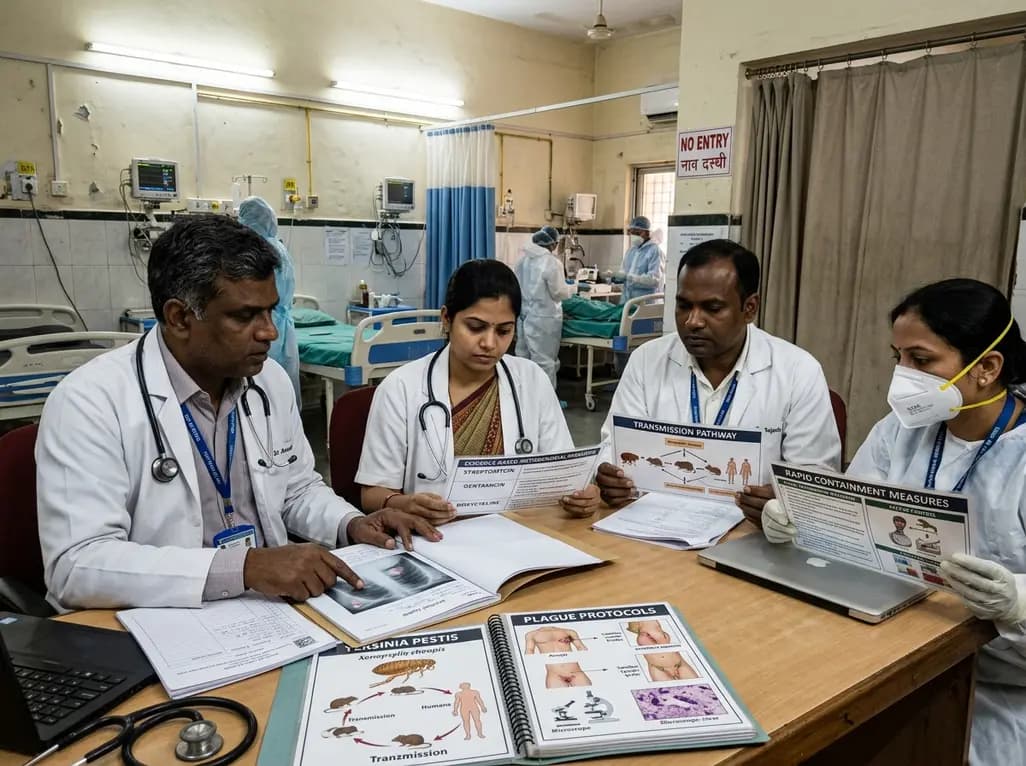
Explore the clinical features, transmission routes, and diagnostic evaluation of bubonic plague. Review evidence-based antimicrobial regimens and public health measures for rapid containment.
Today
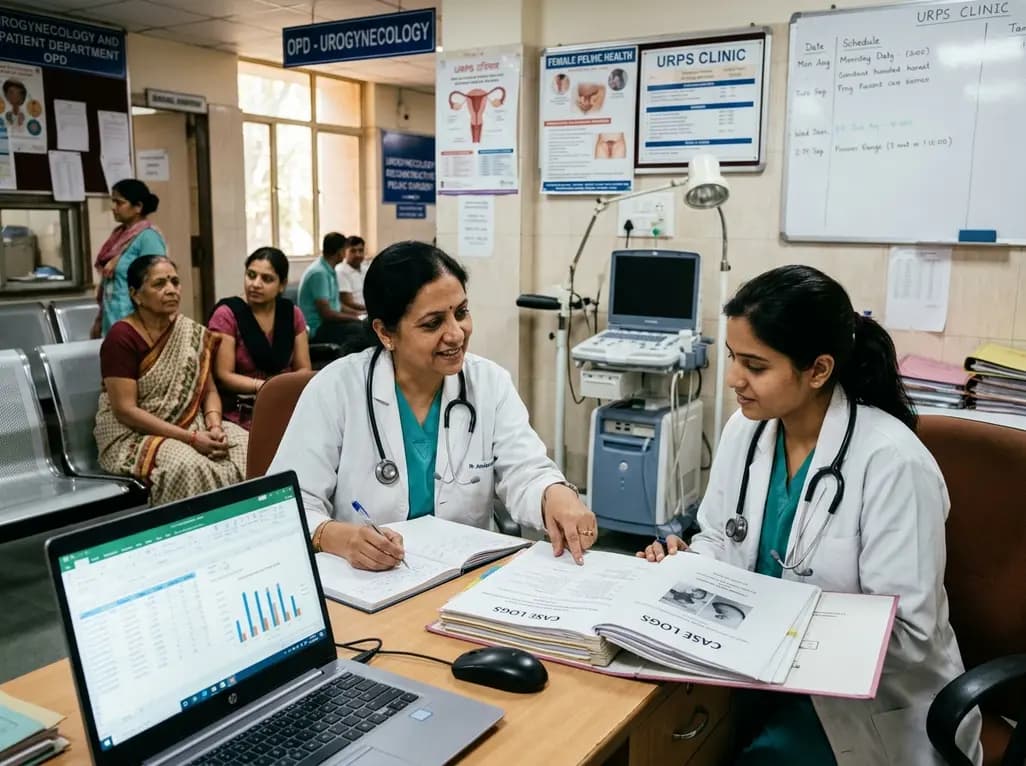
A ten-year cohort study of ABU case logs reveals that URPS fellowship training significantly drives higher annual case volumes, advanced surgical complexity, and increased female representation in pelvic floor reconstruction, underscoring the vital need for structured subspecialty training.
Today
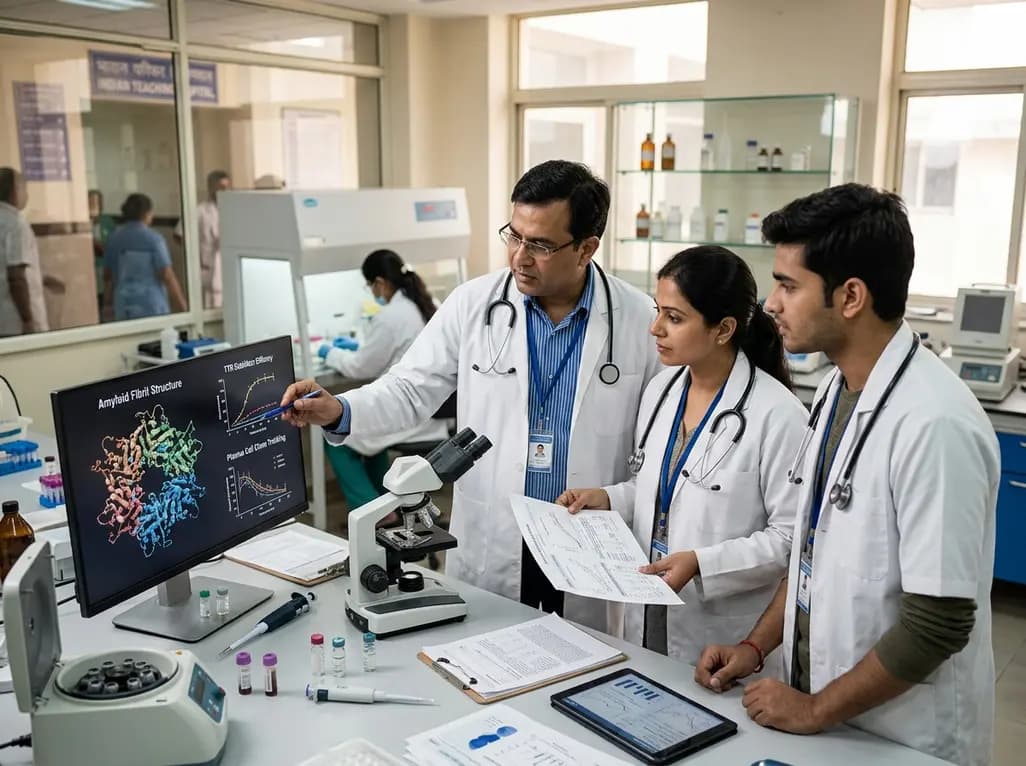
Systemic amyloidosis management is undergoing a therapeutic revolution. This clinical review synthesizes updates from the International Society of Amyloidosis, detailing novel plasma cell therapies, TTR stabilizers, silencers, translational models, and artificial intelligence in drug development.
Today
Posttraumatic pisotriquetral instability is a rare wrist injury causing severe hypothenar pain and weakness. Explore clinical examination, imaging, and pisiformectomy.
Today
A comprehensive review analyzes periconceptional GLP-1 receptor agonist exposure, revealing reassuring data on congenital anomalies and adverse perinatal outcomes while emphasizing the need for cautious patient counseling.
Yesterday
