.webp&w=384&q=75)

Loading, please wait...
Loading, please wait...

The number of cancer survivors in India is rising significantly. Consequently, healthcare providers must address long-term outcomes like employment and AYA cancer survivors productivity. Recent research highlights that these young individuals face unique hurdles when returning to the workforce. This study specifically compares work productivity between survivors and healthy controls.
The researchers utilized the Work Productivity and Activity Impairment Questionnaire to gather data. This tool indexed general health and its direct impact on professional life. Interestingly, AYA survivors reported missing significantly more work hours due to health issues compared to non-cancer controls. Furthermore, survivors rated their overall health more negatively than their peers. This negative perception directly correlated with decreased efficiency on the job.
A critical finding involves the correlation between self-reported quality of life and work performance. Specifically, poorer quality of life scores predicted greater health-related impairment at work. In addition, cognitive functioning emerged as a primary driver for professional success. For the AYA group, cognitive challenges had a much stronger association with productivity than for the healthy controls. Therefore, clinicians should prioritize cognitive assessments during follow-up care.
Interventions are necessary to facilitate a smoother return to employment for this demographic. Identifying these needs early can prevent long-term financial toxicity for survivors. Moreover, age-tailored support programs can help bridge the gap between treatment and professional reintegration. Overall, characterizing these outcomes is a critical step in modern oncology to ensure that survival translates into a high quality of professional and personal life.
AYA survivors often report missing more work hours due to health complications compared to their healthy peers. Additionally, their perceived health status negatively influences their daily productivity levels.
Cognitive functioning is a major predictor of productivity for AYA survivors. In fact, cognitive impairments like memory or concentration issues impact work more significantly in this group than in the general population.
Disclaimer: This content is for informational and educational purposes only. It does not constitute professional medical advice, diagnosis, or treatment. Always seek the advice of your physician or other qualified health provider with any questions you may have regarding a medical condition. Refer to the latest local and national guidelines for clinical practice.
References
Small BJ et al. Impact of Quality of Life on Work Productivity Among Adolescent and Young Adult Cancer Survivors. J Adolesc Young Adult Oncol. 2026 Feb 28. doi: 10.1177/21565333261425870. PMID: 41761856.
Prasad PK, et al. Impact of Cancer on Work and Education Among Adolescent and Young Adult Cancer Survivors. J Clin Oncol. 2015;33(22):2467-2475.
Dewar R, et al. Characterizing Cancer-Related Cognitive Impairment Among Adolescent and Young Adult Cancer Survivors. J Cancer Surviv. 2021;15(3):355-364.

Read summarized clinical updates, watch expert medical content, and earn CME certifications right from your smartphone.
Open your smartphone camera to scan and install.





A study highlights how quality of life and cognitive function significantly impact work productivity in adolescent and young adult cancer survivors....
7 months ago
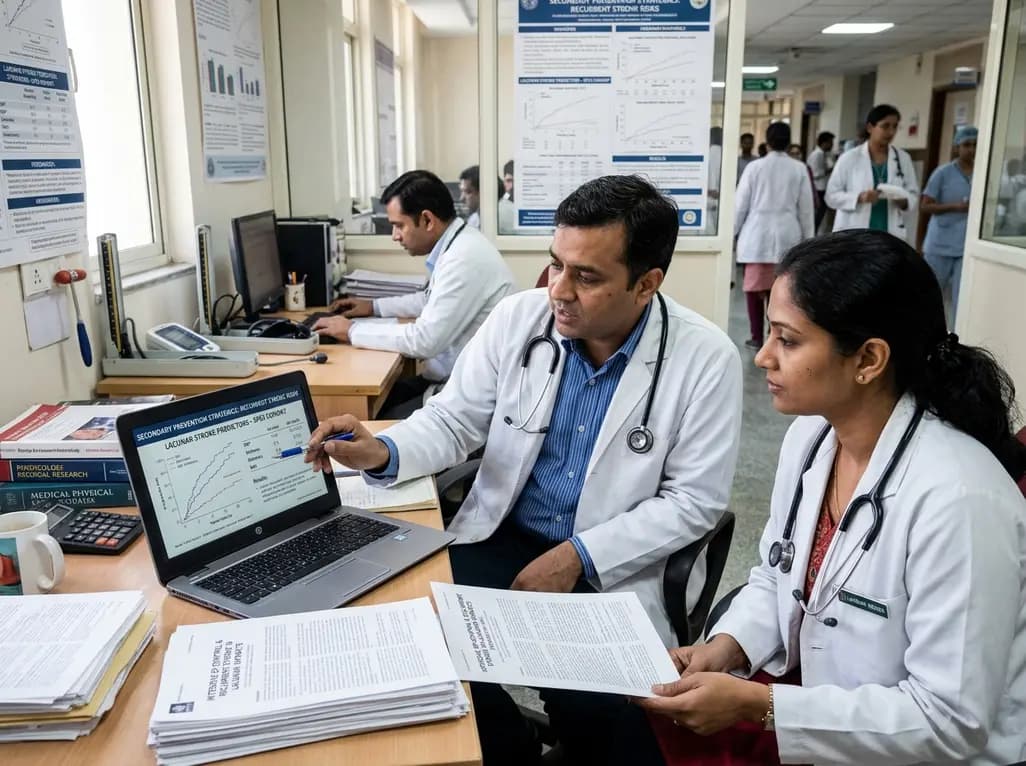
Explore vital recurrent stroke predictors in lacunar stroke patients managed with intensive blood pressure lowering. This analysis examines trial findings from SPS3 to uncover residual vascular risks, metabolic factors, and targeted secondary prevention strategies for high-risk neurological patients.
Today
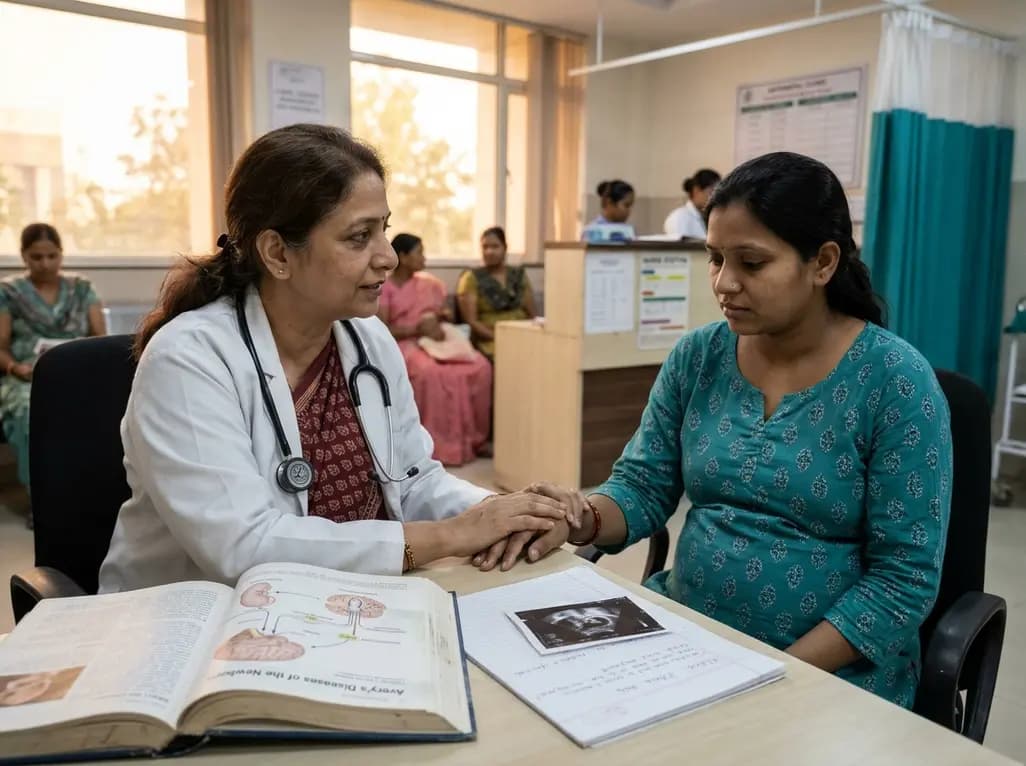
A comprehensive scoping review synthesises evidence linking prenatal maternal mental health to long-term offspring neurodevelopment, evaluating neuroendocrine, inflammatory, and epigenetic pathways while highlighting clinical screening and future research priorities.
Today

The Directorate General of Health Services directs Indian states to halt the hazardous reuse and reprocessing of single-use medical devices. Discover regulatory implications under the Drugs and Cosmetics Act, critical infection risks, legal liabilities, and operational changes required across clinical specialties.
Today
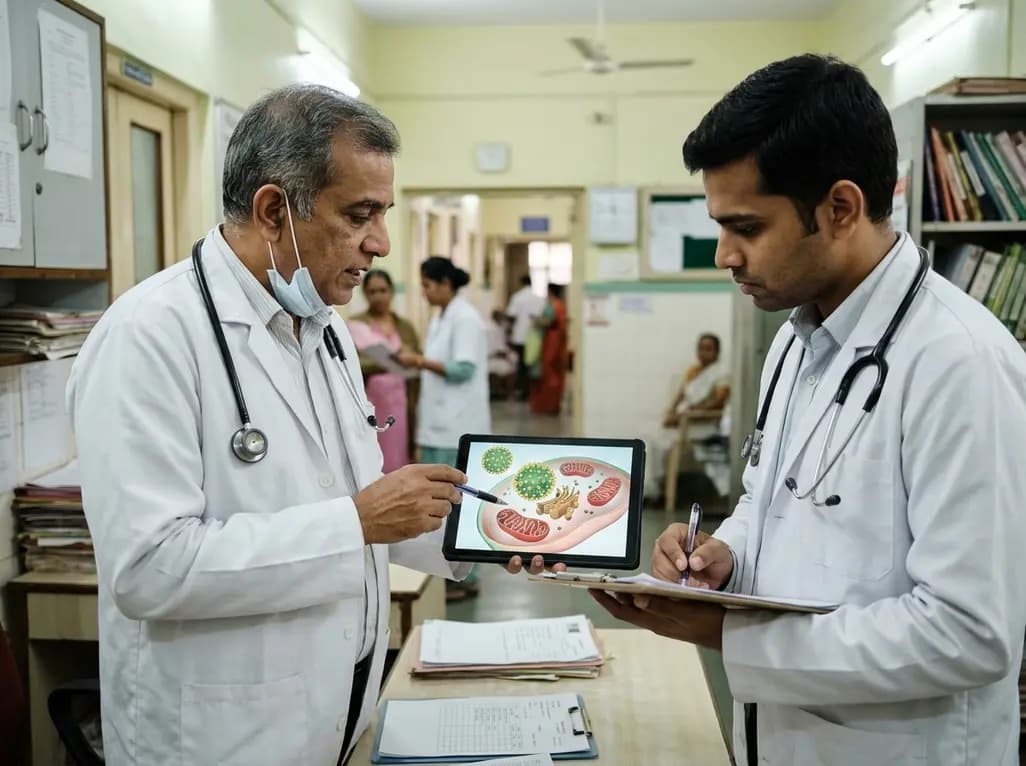
Mitochondria-targeted nanoparticles self-assembled from EGCG and L-glutamic acid effectively restore mitochondrial homeostasis, suppress synovial inflammation, and attenuate chondrocyte senescence in osteoarthritis, offering a promising disease-modifying nanotherapy.
Today

India is advancing preventive healthcare by integrating genomics, artificial intelligence, and quantum technologies. With the SANGAM programme sequencing one million Indian genomes, clinicians can unlock personalized therapies, detect cardiometabolic risks early, and curb the burden of diabetes and heart disease.
Today
