.webp&w=384&q=75)

Loading, please wait...
Loading, please wait...

Modern healthcare systems face persistent challenges in outpatient safety and administrative efficiency. In high-volume outpatient clinics, patient misidentification causes critical medication errors, diagnostic delays, and adverse procedural events. Consequently, innovative digital health solutions are emerging to address these operational hazards. In this context, augmented reality glasses equipped with waveguide optics and facial recognition technology provide a promising wearable alternative. By instantly projecting demographic and clinical records onto the clinician’s line of sight, this technology streamlines patient verification without disrupting face-to-face physician-patient engagement.
Clinicians frequently juggle documentation demands while attempting to maintain empathetic rapport with patients. Therefore, hands-free wearable computing addresses a fundamental operational friction in modern medicine. In a recent pilot evaluation conducted by researchers at a single medical center, 14 urologists tested prototype smart eyewear engineered by Cellid Inc. The tested device integrates miniature front-facing cameras, advanced deep learning algorithms, and microscopic optical waveguides.
Furthermore, the prototype system identifies preregistered mock patients in real time as they enter the consultation space. Optical waveguides project relevant patient identifiers, primary clinical diagnoses, and critical alerts directly onto the right display lens. As a result, physicians can confirm vital data before initiating sensitive examinations or invasive interventions. In addition, this direct visualization reduces screen-switching behaviors that often impair the therapeutic alliance. By shifting cognitive attention back toward the patient, smart eyewear establishes an intuitive bridge between digital records and clinical touchpoints.
Physician adoption represents the most significant barrier when introducing wearable hardware into existing workflows. Nevertheless, survey results demonstrated robust enthusiasm among the participating urology specialists. Specifically, 79 percent of respondents noted that the device actively assisted them in performing scheduled clinical procedures. Moreover, 86 percent of the participants affirmed that instant biometric verification significantly enhanced overall patient safety.
Similarly, clinicians reported rapid intuitive adaptation to the head-mounted interface during simulated outpatient encounters. Nearly 79 percent expressed genuine willingness to incorporate this hands-free verification platform into their future clinical routines. Furthermore, the participants commended the rapid responsiveness of the facial recognition engine during patient interactions. Instead of demanding complex manual commands, the software instantly recognized facial profiles under ambient examination lighting. Consequently, these encouraging findings highlight that frontline specialists recognize clear clinical value when digital health tools directly address safety vulnerabilities.
Waveguide optics offer distinct physical advantages over conventional prism-based displays in medical smart eyewear. In particular, planar optical waveguides maintain a compact form factor and preserve surrounding peripheral vision. Participants in the simulated trial praised their ability to observe environmental cues without visual obstruction. Thus, specialists conducted physical examinations while remaining fully aware of their clinical surroundings.
However, display readability presented an important operational challenge in this initial prototype. Notably, 62 percent of respondents reported that the projected patient data was slightly difficult to read on the lens. Ambient room illumination and monocular focal competition likely contributed to this subjective visual strain. In addition, roughly 31 percent of participants reported feeling somewhat tired from eye strain after the simulated session. Therefore, future optical iterations must optimize contrast ratios, dynamic brightness scaling, and text rendering. By resolving these focal limitations, developers can minimize accommodation fatigue and support seamless reading during intensive consultation schedules.
Device comfort directly dictates whether healthcare workers will wear head-mounted hardware throughout demanding outpatient shifts. In this trial, approximately 23 percent of surveyed physicians considered the prototype slightly heavy across the bridge of the nose. Fortunately, adverse systemic symptoms remained minimal, with only one participant reporting transient nausea and mild headache.
Nevertheless, a prominent mechanical barrier emerged among doctors who already rely on corrective eyewear. Specifically, four out of five prescription glass wearers experienced substantial difficulty fitting the prototype frame comfortably over their personal lenses. Consequently, stacking dual frames creates uncomfortable pressure points and disrupts the precise optical alignment needed for facial recognition. To overcome this friction, engineers must develop modular clip-on designs or integrated prescription lens inserts. Furthermore, reducing total frame weight through lightweight magnesium alloys will eliminate nasal fatigue. Addressing these mechanical constraints ensures equitable comfort for diverse clinical staff members.
Biometric verification holds profound promise for outpatient healthcare delivery across Indian medical centers. High outpatient footfalls in government medical colleges and corporate hospitals often overwhelm traditional manual registration desks. Under such intense clinical pressure, patient mix-ups and chart discrepancies can lead to incorrect pharmacological administration or duplicated investigations. Deploying hands-free biometric glasses can safeguard patient safety while accelerating consultation turnaround times.
However, successful adoption across Indian healthcare ecosystems demands adherence to stringent regulatory frameworks. Clinicians and hospital administrators must align facial recognition systems with the Digital Personal Data Protection Act and the Ayushman Bharat Digital Mission guidelines. For instance, facilities must secure explicit patient consent before capturing facial biometric encodings. In addition, institutions must implement localized on-device processing to prevent unauthorized cloud data transmission. Healthcare leaders must also invest in comprehensive training programs to familiarize senior practitioners with wearable computing. When combined with rigorous data governance, wearable augmented reality will significantly elevate clinical precision and patient trust.
The device utilizes an integrated miniature camera coupled with deep learning facial recognition algorithms. When a clinician looks at an individual, the system matches facial landmarks against a secure preregistered database. Subsequently, the waveguide optics project vital demographic details, active diagnoses, and clinical warnings directly onto the lens display. Consequently, physicians verify identity instantly without interrupting clinical engagement or diverting attention toward separate desktop monitors.
Most physicians tolerate the wearable technology well, though some report mild, transient discomfort during extended clinical use. For example, nearly one-third of evaluated clinicians experience slight eye fatigue after prolonged viewing. In addition, physical weight can cause focal pressure on the nasal bridge. Rarely, users notice brief headaches or nausea. Furthermore, doctors who already wear corrective spectacles frequently report mechanical friction when mounting the device over their glasses.
Integration is technically viable through standardized Application Programming Interfaces and Fast Healthcare Interoperability Resources standards. In India, hospitals can connect smart wearable interfaces directly with the Ayushman Bharat Digital Mission architecture. Consequently, patient registries and consent managers communicate seamlessly with biometric recognition engines. However, healthcare institutions must first establish robust data encryption protocols, secure local networks, and explicit consent frameworks to protect sensitive personal health information.
Disclaimer: This content is for informational and educational purposes only and does not constitute medical advice. It cannot substitute for professional clinical judgment or institutional protocols. Refer to the latest local and national guidelines for clinical practice.
References

Read summarized clinical updates, watch expert medical content, and earn CME certifications right from your smartphone.
Open your smartphone camera to scan and install.





A simulated trial reveals that augmented reality glasses with facial recognition and waveguide optics improve patient verification and safety. Most clinicians expressed willingness to adopt the tool, though optical legibility and ergonomic fit over prescription eyewear require engineering refinement.
Today
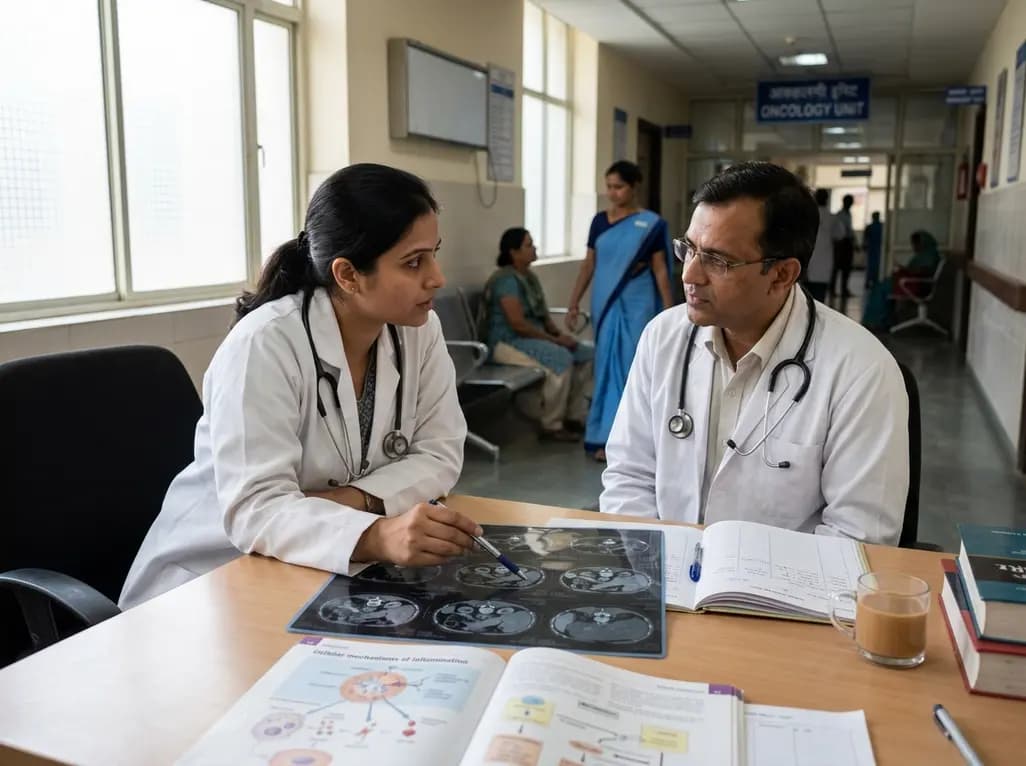
Pancreatic cancer cachexia affects over 80% of patients, driving severe muscle wasting, systemic inflammation, and treatment intolerance. This review highlights key pathophysiological drivers, exocrine insufficiency, objective CT imaging, and emerging therapies like GDF-15 inhibitors to improve clinical outcomes.
Today

A scoping review reveals how pregnancy affects phonation through laryngeal edema and reduced phonation time rather than major acoustic pitch alterations. Learn how to identify, evaluate, and manage vocal symptoms in expectant mothers.
Today
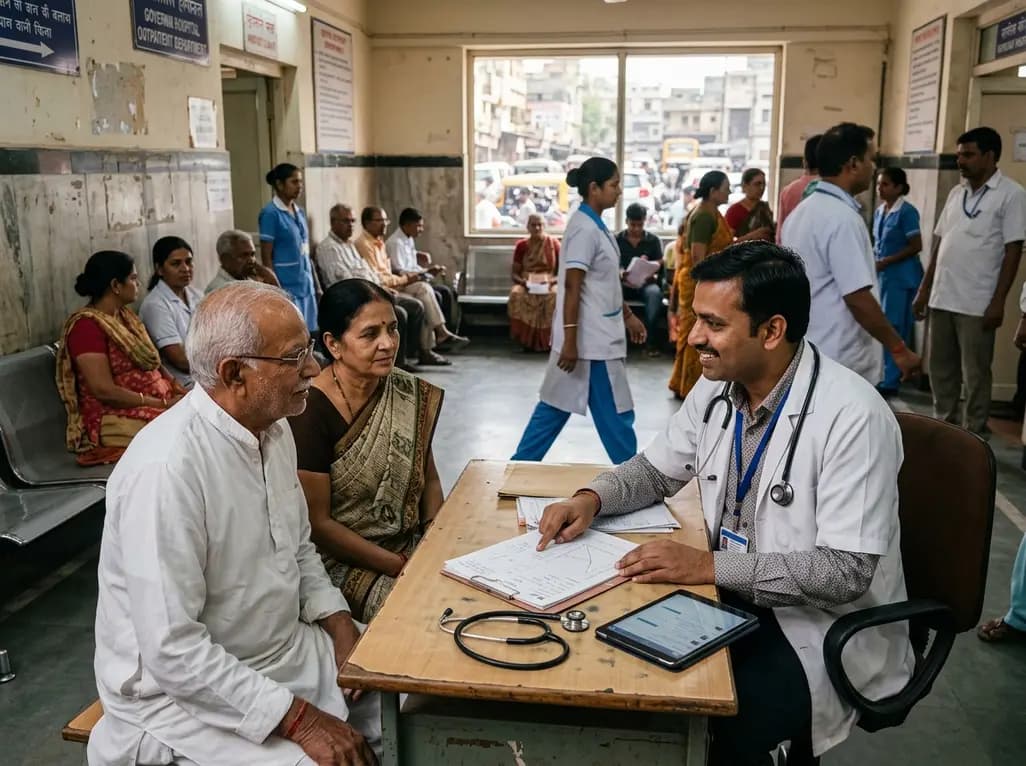
According to WHO data, average lifespan reached 73.3 years in 2023, recovering from pandemic lows. However, healthy life expectancy lags at 62.8 years due to surging noncommunicable conditions like cardiovascular disease and dementia, demanding proactive primary screening and sustained chronic care.
Today
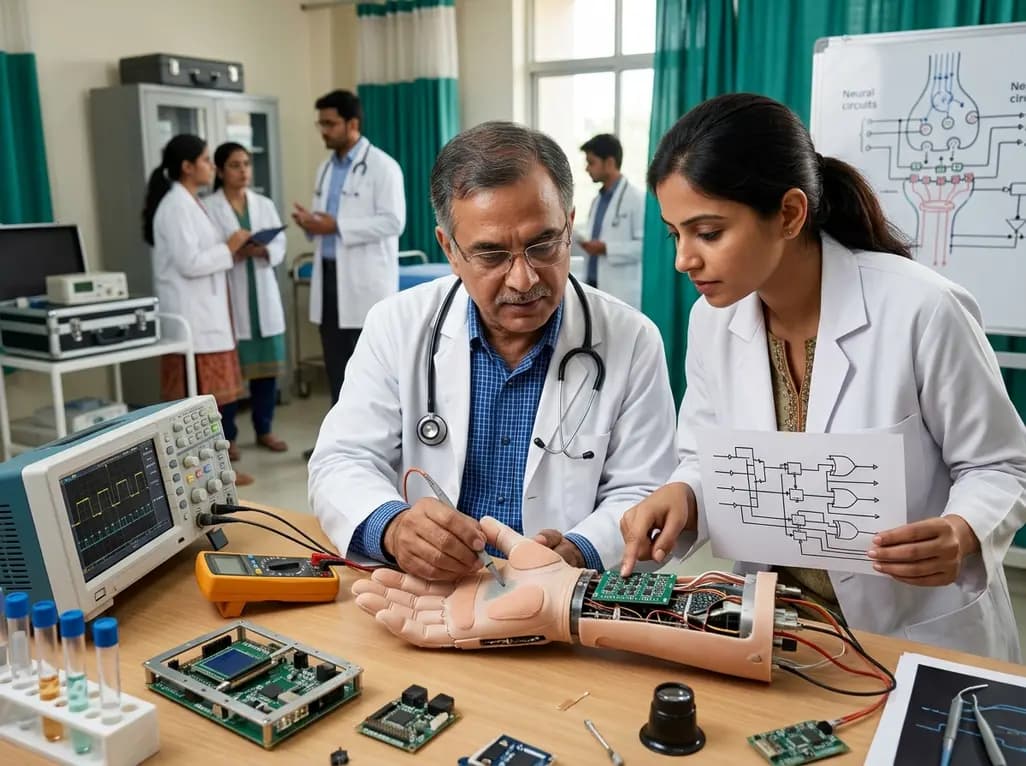
Researchers have engineered an artificial sensory-pain integrated receptor using a multi-threshold organic synaptic transistor. The system distinguishes benign touch from noxious stimuli, enabling safer, more responsive prosthetic limbs with built-in memory and simplified hardware architecture.
Today
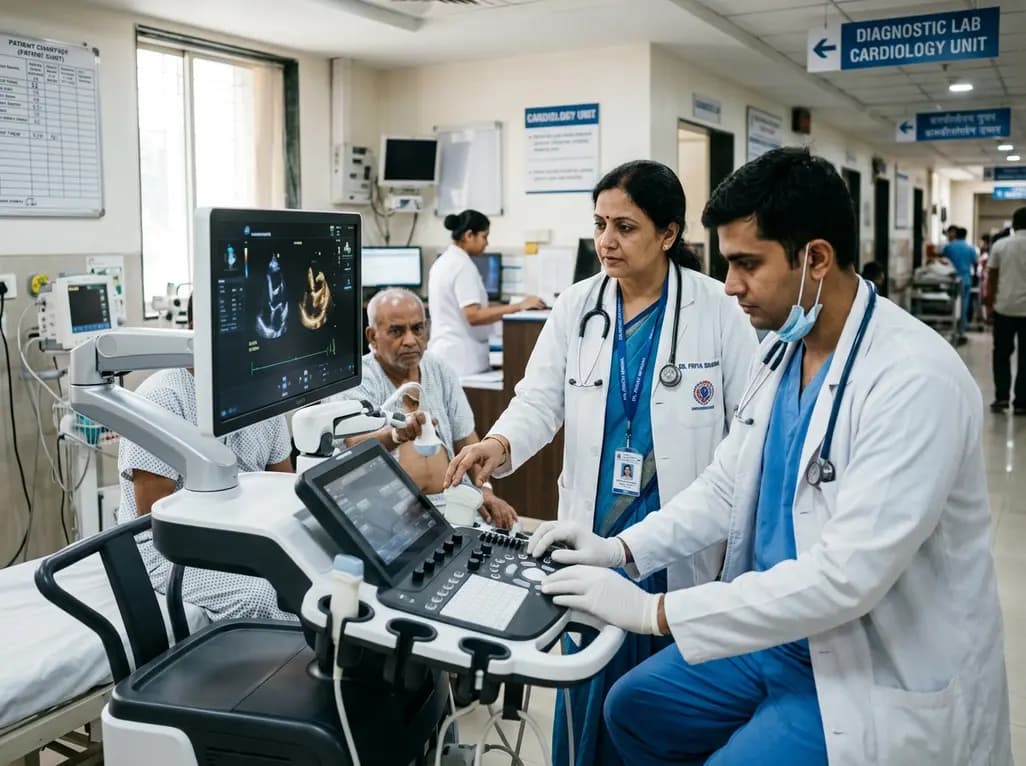
Medical robotics is transitioning beyond operative suites into diagnostics, cardiology, and endocrinology. Explore how innovations in tele-robotics, AI integration, and nanomedicine are overcoming geographical barriers and transforming precision healthcare delivery across India's evolving disease landscape.
Today
