

Loading, please wait...
Loading, please wait...
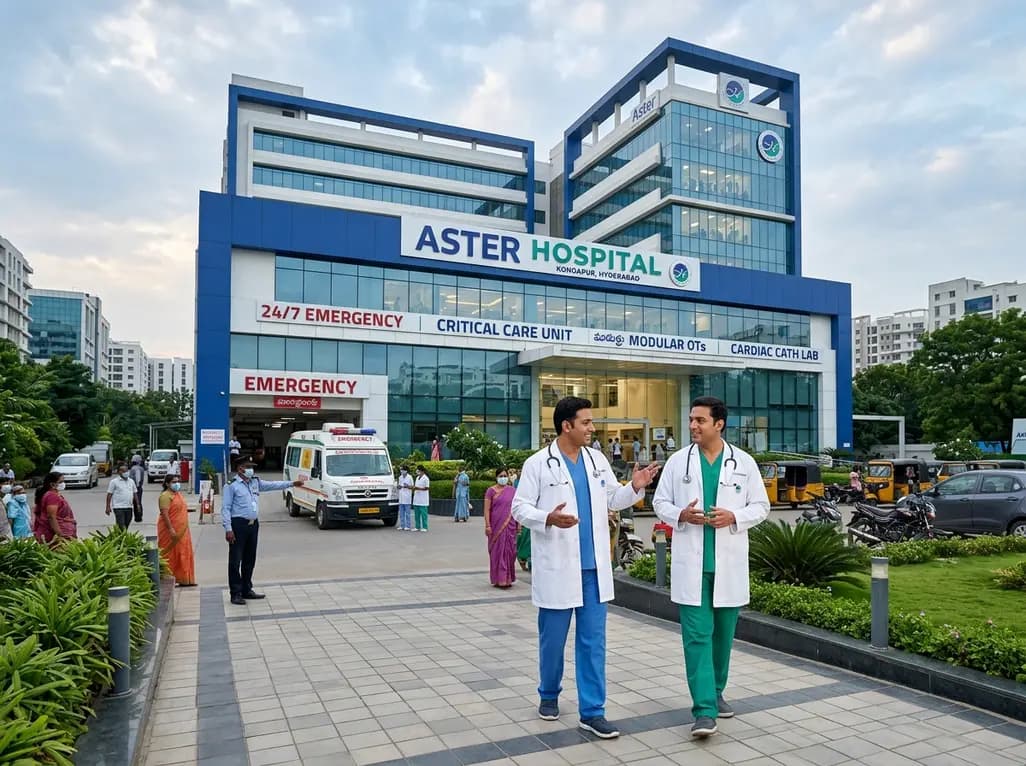
Aster DM Quality Care Limited has unveiled its ambitious plan to establish an advanced multispecialty hospital in Hyderabad by March 2027. Specifically, this greenfield project represents an investment of ₹500 crore in the Kondapur corridor. The healthcare group aims to address the rising clinical demand across Telangana's bustling information technology hub. Consequently, this development expands tertiary healthcare infrastructure in western Hyderabad. The planned facility spans over 3 lakh square feet, offering comprehensive clinical services. Furthermore, this strategic addition will increase the group's regional footprint significantly. Healthcare professionals recognize that such institutional investments improve local referral networks and enhance overall patient outcomes.
The upcoming Kondapur project marks Aster DM Quality Care's eighth hospital within the Hyderabad metropolitan area. Consequently, this facility will raise the network's total bed capacity in the city to over 1,700 beds. In addition, the initiative aligns with the group's broader national investment roadmap. Executive Chairman Dr. Azad Moopen announced a planned expenditure of approximately ₹4,000 crore over the next two years. Therefore, the enterprise aims to add between 4,000 and 4,400 beds across India. This ambitious roadmap will eventually elevate the group's total network capacity beyond 15,000 beds. Moreover, the leadership intends to pursue a balanced combination of brownfield upgrades, selective greenfield constructions, and strategic acquisitions. Regional administrators view Telangana and Andhra Pradesh as critical geographic zones for healthcare growth. As a result, the healthcare provider continues to allocate substantial capital toward high-density suburban corridors. Urban expansion in Kondapur creates immense demand for organized tertiary medical care. Thus, clinicians and hospital administrators expect this project to relieve substantial patient load from existing downtown medical centres.
Modern intensive care units require sophisticated structural engineering alongside rapid diagnostic workflows. Notably, the new Kondapur facility dedicates 100 of its 300 beds exclusively to critical care medicine. This deliberate allocation addresses the escalating demand for high-dependency monitoring in modern clinical practice. Furthermore, the hospital features ten modular operating theatres designed with laminar airflow systems. These modular environments strictly reduce surgical site infections during complex procedures. In addition, the facility incorporates advanced mechanical circulatory support, including Extracorporeal Membrane Oxygenation (ECMO) capabilities. ECMO offers life-saving cardiopulmonary stabilization for patients experiencing refractory respiratory failure or cardiogenic shock. Therefore, critical care teams can manage severe acute respiratory distress syndrome and complex post-cardiac arrest recovery. Dedicated intensivist coverage will run continuously within these specialized intensive care units. Consequently, the facility ensures prompt resuscitation protocols for critically ill individuals. Modern monitoring architecture also supports tele-ICU integration for remote expert consultation. Accordingly, medical teams can deliver continuous evidence-based interventions without workflow interruptions.
Comprehensive interventional suites form the cornerstone of modern tertiary cardiovascular care. For this reason, the facility integrates an advanced Cardiac Catheterization Laboratory equipped with intravascular ultrasound (IVUS). Cardiologists routinely utilize IVUS to visualize coronary arterial walls with extreme precision. Consequently, interventional specialists can optimize stent sizing and ensure complete lesion coverage during percutaneous coronary interventions. Similarly, the hospital provides advanced pulmonary medicine services through endobronchial ultrasound (EBUS). Pulmonologists employ EBUS-guided transbronchial needle aspiration to sample mediastinal and hilar lymph nodes. Importantly, this minimally invasive modality accelerates the staging of thoracic malignancies and granulomatous disorders. Patients avoid unnecessary diagnostic thoracotomies through these accurate outpatient procedures. Furthermore, interventional pulmonology suites accommodate rapid on-site cytologic evaluations. Medical specialists can establish definitive tissue diagnoses during a single clinical session. Therefore, clinical teams formulate personalized oncologic and anti-infective treatment regimens much faster. In addition, the integration of these sophisticated tools reflects modern standards in multidisciplinary disease management.
Comprehensive diagnostic capabilities dictate the therapeutic success of modern gastroenterology and hepatology departments. Therefore, the hospital houses a dedicated endoscopy suite capable of performing Endoscopic Retrograde Cholangiopancreatography (ERCP). Gastroenterologists utilize ERCP to manage complex biliary tract obstructions, choledocholithiasis, and pancreatic ductal pathologies. Moreover, clinicians can deploy therapeutic biliary stents safely without open surgical exploration. In addition to endoscopic advances, the hospital deploys state-of-the-art diagnostic radiology modalities. Advanced computed tomography (CT) scanners and high-field magnetic resonance imaging (MRI) platforms provide rapid anatomical evaluations. These cross-sectional imaging systems generate high-resolution vascular and parenchymal reconstructions within minutes. Consequently, radiologists and emergency physicians can detect hyperacute ischemic strokes and major trauma early. Furthermore, cross-sectional imaging protocols streamline pre-surgical planning across multiple surgical disciplines. Referring physicians receive immediate digital reports through secure cloud-based picture archiving systems. Accordingly, medical staff avoid diagnostic delays during time-sensitive clinical emergencies. This diagnostic integration ensures smooth clinical transitions between emergency departments and operative theatres.
Rapid urbanization in western Hyderabad drives steady population influx into technology corridors. However, acute trauma management and stroke care often suffer due to traffic congestion across downtown transit routes. Therefore, placing a 24/7 emergency care center in Kondapur provides vital geographic proximity for acute medical incidents. Emergency medicine physicians can initiate time-critical thrombolysis for stroke and primary angioplasty for myocardial infarctions. Furthermore, dedicated triage pathways sort ambulatory patients from emergent trauma cases efficiently. The hospital design also features luxury patient suites alongside standard inpatient wards. Thus, the administration accommodates varied patient demographics while maintaining rigorous infection control protocols. In addition, regional clinicians gain access to structured referral pathways for difficult clinical cases. Private practitioners can transfer unstable patients smoothly into high-dependency units without bureaucratic hurdles. Consequently, the institution strengthens collaborative networks among community healthcare providers across Telangana. Healthcare planners expect this medical infrastructure to elevate suburban emergency response standards significantly. Ultimately, modern tertiary investments ensure equitable regional access to life-saving clinical interventions.
Q1: What are the primary clinical capabilities of the new Aster hospital in Kondapur?
The Kondapur facility provides comprehensive multispecialty care, including 100 dedicated critical care beds, 10 modular operating theatres, and 24/7 emergency services. Additionally, the hospital houses advanced diagnostic and therapeutic technologies. These include an advanced Cath Lab, high-resolution CT, MRI, ECMO support, IVUS, EBUS, and ERCP systems. Consequently, clinicians can manage complex cardiopulmonary, gastrointestinal, and oncologic conditions under one roof with rapid diagnostic turnaround.
Q2: When will the Aster DM Quality Care Kondapur hospital begin operations?
Aster DM Quality Care Limited plans to commission the 300-bed Kondapur facility in March 2027. The project represents a ₹500-crore greenfield investment spanning 3 lakh square feet. Furthermore, this upcoming center will become the group's eighth hospital in Hyderabad. As a result, the provider's cumulative bed capacity within the metropolitan area will exceed 1,700 beds, greatly expanding regional healthcare accessibility.
Q3: How does this project fit into Aster DM Quality Care's nationwide expansion roadmap?
The Kondapur hospital forms a vital component of the group's ₹4,000-crore national expansion plan across India over two years. Specifically, the enterprise aims to add between 4,000 and 4,400 beds nationwide. Therefore, total network capacity will surpass 15,000 beds through brownfield hospital expansions, selective greenfield units, and strategic acquisitions. The company prioritizes Telangana and Andhra Pradesh as critical growth regions for advanced tertiary care.
Disclaimer: This content is for informational and educational purposes only. It does not constitute medical advice or replace professional judgment. Refer to the latest local and national guidelines for clinical practice.
References

Read summarized clinical updates, watch expert medical content, and earn CME certifications right from your smartphone.
Open your smartphone camera to scan and install.





Aster DM Quality Care is building a ₹500-crore tertiary healthcare facility in Kondapur. Scheduled to open in March 2027, this unit delivers 300 beds, 100 critical care suites, 10 modular operating theatres, and advanced diagnostic capabilities like ECMO and Cath Lab to bolster emergency care in Hyderabad.
Today

Australia's 2024 vaccine safety surveillance report details adverse events following immunisation, noting an uptick tied to Shingrix while confirming overall program safety.
Today
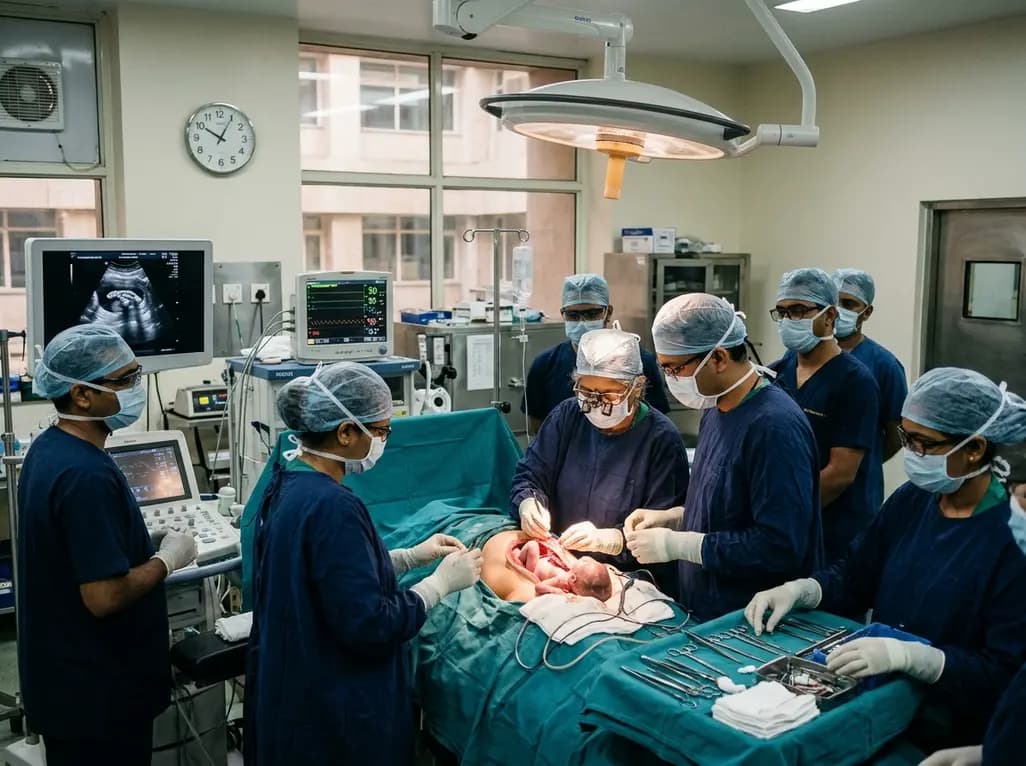
Doctors at AIIMS New Delhi have achieved a historic milestone by performing India's first open prenatal myelomeningocele repair on a 25-week unborn fetus. This landmark multidisciplinary procedure provides vital neuroprotective benefits, lowers hydrocephalus risks, and transforms maternal-fetal medicine nationwide.
Today
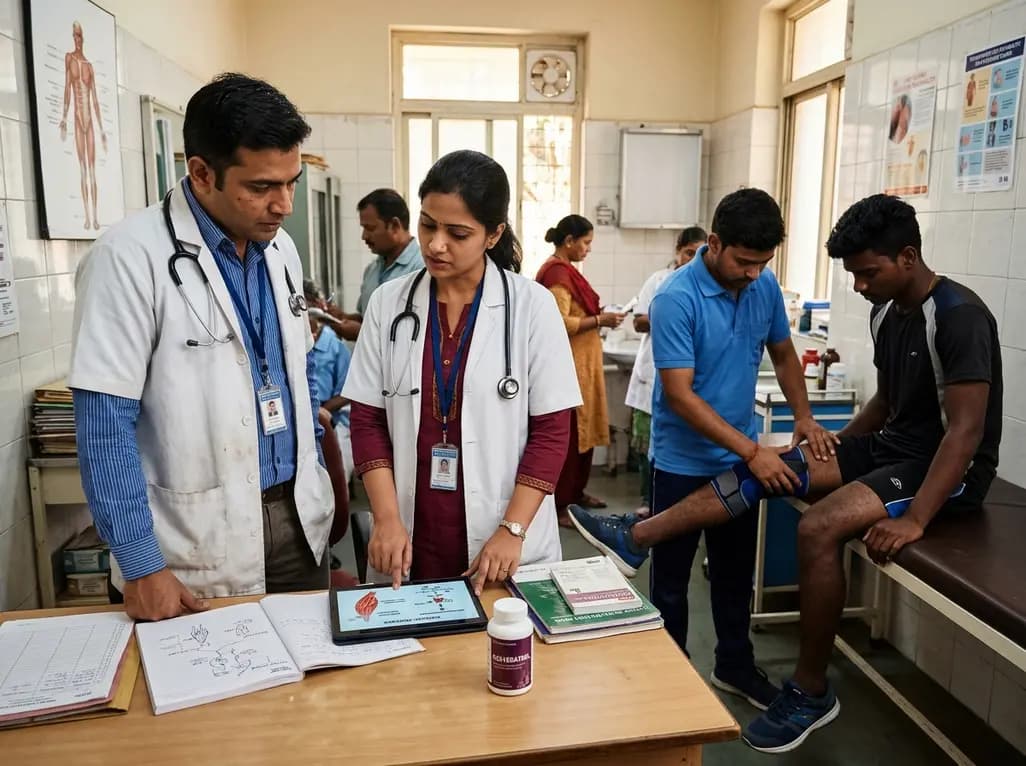
A clinical overview of resveratrol supplementation in mitigating exercise-induced muscle damage. This narrative review explores physiological mechanisms, reductions in soreness markers like creatine kinase, dosage strategies, and bioavailability enhancements for sports medicine and nutrition practitioners.
Today
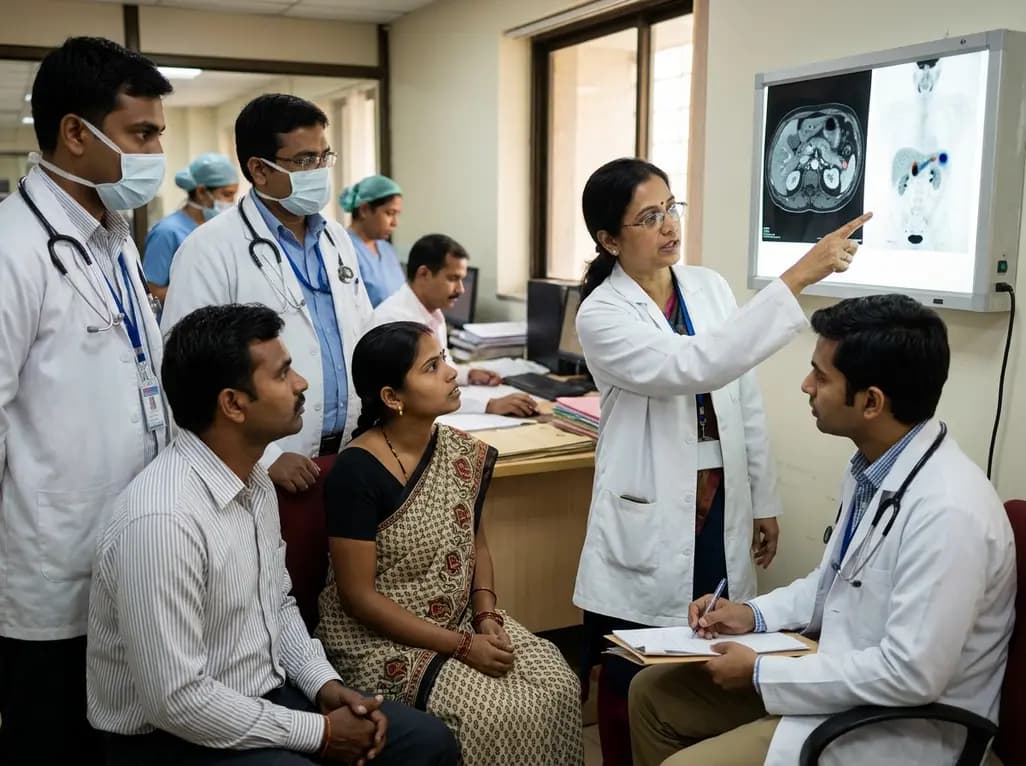
Childhood insulinoma is a rare cause of recurrent hyperinsulinemic hypoglycemia that often eludes early diagnosis. Advanced GLP-1 receptor-targeted PET/CT imaging using 68Ga-exendin-4 complements anatomic MRI to localize occult pancreatic lesions, facilitating focused, curative surgical enucleation.
Today
