.webp&w=384&q=75)

Loading, please wait...
Loading, please wait...
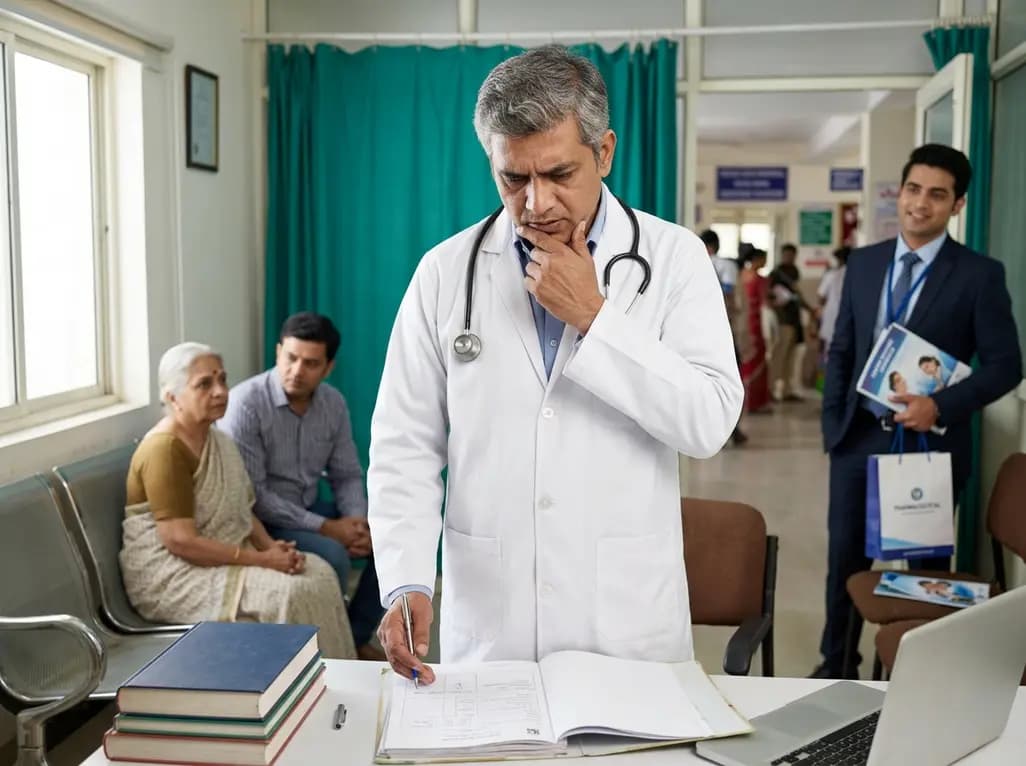
Assam Chief Minister Himanta Biswa Sarma recently inspected key construction sites to review major state-funded projects. He emphasized that building a modern Assam healthcare infrastructure remains a primary objective of his administration. Consequently, the state is investing heavily in tertiary care facilities. These upgrades will directly enhance local patient care and medical education. During his visit to the Gauhati Medical College and Hospital, the Chief Minister reiterated his commitment. He stated that world-class facilities are fundamental to ensuring accessible and quality healthcare. Thus, these projects represent a massive leap forward for the state.
Furthermore, the administration plans to establish twenty-four medical colleges by 2029. This ambitious roadmap will address the shortage of medical professionals. By doing so, the government aims to elevate clinical training standards. Ultimately, this expansion will reduce the burden on existing medical centers. It will also provide localized treatment options for millions of residents. Therefore, these ongoing developments represent a historic milestone in regional public health. Doctors across the country are watching these advancements closely. These projects will create outstanding opportunities for medical research and clinical collaboration.
The most ambitious component of this infrastructure drive is the massive redevelopment plan for GMCH. Currently, the state is executing a multi-crore transformation project. This project will turn Gauhati Medical College and Hospital into a leading medical campus. To achieve this, the Chief Minister inspected the proposed site for a brand-new hospital. This upcoming 3,000-bed building is envisioned as a regional powerhouse. It will significantly expand capacity for clinical research and advanced tertiary care.
Additionally, the facility will feature highly specialized departments and modern operating theatres. During his review, senior officials briefed the Chief Minister on the design roadmap. The project also involves the demolition of older structures. This will make way for a streamlined, highly functional campus layout. Consequently, the upgraded GMCH will eventually boast a total capacity of 5,000 beds. This includes the new 3,000-bed general hospital and the existing 2,000-bed cancer hospital. This monumental scale ensures the hospital can handle complex cases from across Northeast India. It will serve as a premier referral center for diverse clinical specialties.
Beyond general services, the state is prioritizing specialized healthcare for maternal and pediatric populations. Specifically, the construction of an 800-bed Mother and Child Care Hospital is a major milestone. This facility will offer advanced pediatric treatments and comprehensive maternal care. It will also feature modern neonatal intensive care units. Furthermore, several critical super-specialty departments will soon relocate to this new building. These departments include pediatric cardiology, pediatric neurology, and advanced kidney transplantation.
According to official reports, the facility meets international standards of clinical safety. The integration of maternal and pediatric care under one roof will streamline workflows. As a result, families will no longer need to travel to other states for procedures. Additionally, this development provides postgraduate students with exceptional clinical training opportunities. By focusing on maternal health, the state is actively reducing neonatal mortality rates. Therefore, this project represents a vital pillar of the broader healthcare reform strategy. It ensures that patients receive world-class medical attention close to home. This focus on specialized care will significantly elevate regional health outcomes.
While GMCH undergoes a major facelift, Guwahati is preparing its second medical college. Pragjyotishpur Medical College and Hospital will alleviate the heavy patient load on existing facilities. During his weekend visit, the Chief Minister reviewed progress of the new 500-bed hospital building. This facility represents a highly progressive, tech-driven approach to modern clinical care. Notably, PMCH has already started offering essential outpatient department services. The government expects the entire hospital campus to become fully functional very soon.
Initially, the institution will offer one hundred MBBS seats to local students. Furthermore, PMCH will provide advanced postgraduate training in crucial medical fields. These include orthopedics, obstetrics, and other high-demand clinical specialties. In a high-level meeting, officials discussed civil works and faculty quarters. The Chief Minister directed everyone to maintain the highest standards of transparency and quality. Consequently, this medical college will form a key pillar of Guwahati's expanding healthcare ecosystem. It will foster a robust environment for clinical excellence and medical education in the state. The campus will also feature modern sports infrastructure to support student well-being.
To ensure a seamless distribution of services, Mahendra Mohan Choudhury Hospital is undergoing a massive structural upgrade. This upgraded hospital will serve as Guwahati's primary hub for super-specialty healthcare. Once completed, key departments like cardiology and neurology will transition to this modern facility. Centralizing these complex services will create highly efficient clinical pathways. Furthermore, this restructuring will prevent overcrowding at Gauhati Medical College.
Managing such large-scale projects requires strict administrative oversight and timely execution. During his inspections, the Chief Minister directed executing agencies to work in close coordination. Since these public health projects affect millions of lives, construction delays cannot be tolerated. Additionally, the state is leveraging advanced digital systems to streamline administrative workflows. This includes a new management platform for medical college employees. By combining modern facilities with robust digital solutions, Assam is building a resilient clinical ecosystem. Ultimately, these completed projects will establish Guwahati as a premier medical hub. Therefore, maintaining strict accountability remains the government's highest priority. This ensures that the state's clinical demands are successfully met for decades to come. Local doctors have welcomed this strategic transition to improve specialized clinical focus.
Q1: What are the key details of the upcoming Gauhati Medical College and Hospital expansion?
The state government plans to transform the Gauhati Medical College and Hospital campus into one of India's largest healthcare facilities. The core project involves constructing a state-of-the-art, 3,000-bed hospital building. Additionally, with the existing cancer care hospital and dedicated mother and child care center, the total capacity of GMCH will eventually reach 5,000 beds. This upgrade will significantly enhance local patient care, advanced research capabilities, and clinical training.
Q2: How will the Pragjyotishpur Medical College and Hospital benefit medical education in Assam?
Pragjyotishpur Medical College and Hospital serves as Guwahati's second major medical college. The newly completed facility will offer one hundred MBBS seats for aspiring doctors, expanding local medical education capacity. Furthermore, the institution plans to offer advanced postgraduate courses in key clinical specialties, including orthopedics and obstetrics. This development will provide exceptional hands-on training opportunities, helping to address the regional shortage of specialized medical professionals.
Q3: What role will Mahendra Mohan Choudhury Hospital play in the new healthcare system?
Mahendra Mohan Choudhury Hospital is being upgraded into a centralized hub for super-specialty medical care. Consequently, high-end departments from both GMCH and PMCH, such as cardiology, neurology, and liver transplant services, will relocate to this modern facility. This strategic restructuring prevents overcrowding at general tertiary care hospitals. It also ensures that patients requiring complex surgical interventions receive focused, highly specialized treatment from experienced medical teams.
Disclaimer: This content is for informational and educational purposes only. It does not constitute medical advice or replace professional judgment. Refer to the latest local and national guidelines for clinical practice.
References

Read summarized clinical updates, watch expert medical content, and earn CME certifications right from your smartphone.
Open your smartphone camera to scan and install.





Assam Chief Minister Himanta Biswa Sarma recently reviewed the progress of major health infrastructure projects at GMCH and PMCH. The state is transforming Gauhati Medical College and Hospital into a 5,000-bed facility, while establishing Pragjyotishpur Medical College to boost medical education and patient care.
3 months ago

Discover the crucial role of glymphatic dysfunction in stroke, where perivascular clearance failure and neuroinflammation exacerbate cerebral edema and post-stroke brain injury.
Today

A prenatal case highlights severe glutaric acidemia type II presenting as bilateral hyperechoic cystic kidneys at 18 weeks. Whole-exome sequencing revealed a novel homozygous ETFDH frameshift variant, demonstrating the power of rapid genetic testing in fetal renal anomalies.
Today

Review how tailored exercise programs benefit frail older patients with heart failure. Explore pathophysiological mechanisms, individualized training prescriptions, and strategies to overcome adherence barriers in clinical practice.
Yesterday

This comparative study evaluates posterior labral tears with and without glenohumeral instability, highlighting distinct demographic patterns, MRI underestimation in stable shoulders, and successful arthroscopic repair outcomes.
Yesterday

A clinical study demonstrates that early intervention with tocilizumab, either as monotherapy or bridged with corticosteroids, achieves significant proptosis reduction and resolves active inflammation in treatment-naive thyroid eye disease.
Yesterday
