

Loading, please wait...
Loading, please wait...
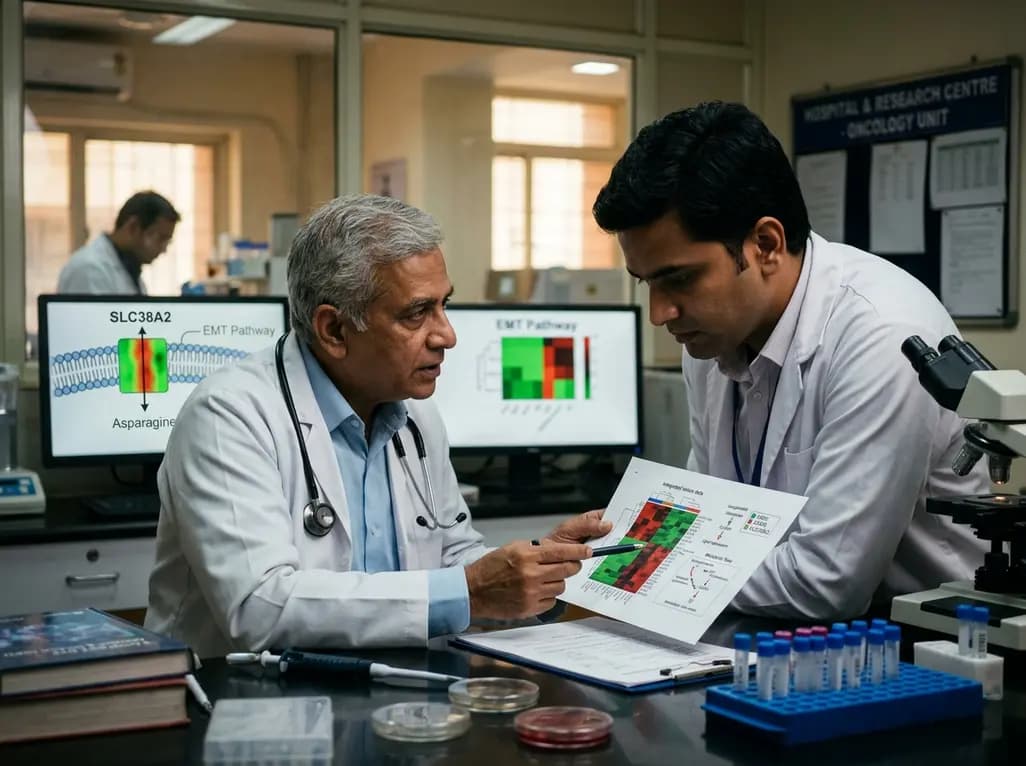
Metabolic reprogramming represents a recognized hallmark of gastrointestinal malignancies. In esophageal squamous cell carcinoma, specialized metabolic adaptations sustain rapid tumor proliferation, local invasion, and therapeutic resistance. While altered glucose metabolism and glutamine addiction received substantial attention, researchers now emphasize the role of distinct non-essential amino acids. Specifically, the newly discovered asparagine-SLC38A2 axis provides critical insight into the aggressive pathobiology of esophageal tumors. Clinicians encounter esophageal cancer predominantly as squamous cell carcinoma across high-incidence regions like northern and northeastern India. Patients frequently present at advanced stages with extensive locoregional spread, severe dysphagia, and poor nutritional reserves. Consequently, discovering functional metabolic drivers remains essential for identifying reliable biomarkers and actionable therapeutic vulnerabilities. Recent scientific investigations utilize multi-omics profiling and functional genomics to map these metabolic dependencies systematically. These rigorous studies demonstrate that extracellular amino acid availability directly coordinates cellular fitness and stromal interactions. Therefore, dissecting these nutrient pathways opens valuable avenues for precision oncology. Understanding how malignant esophageal cells acquire and utilize asparagine clarifies the biochemical mechanisms driving recurrence. Ultimately, clarifying these interactions provides meaningful opportunities to refine diagnostic risk stratification and design targeted interventions.
Epidemiological studies often struggle to establish true causality between circulating serum metabolites and gastrointestinal malignancy risk. Confounding lifestyle variables, dietary inaccuracies, and reverse causation frequently distort observational nutritional findings in clinical cohorts. To overcome these pervasive limitations, investigators implemented a two-sample Mendelian randomization approach utilizing large-scale genome-wide association datasets from Japanese populations. Because genetic alleles segregate randomly at conception, this genetic method functions analogously to a natural randomized controlled trial. Notably, the genetic analysis revealed suggestive evidence linking higher genetically proxied circulating asparagine levels with an increased risk of esophageal squamous cell carcinoma. Furthermore, this association remained robust across multiple sensitivity analyses designed to exclude horizontal pleiotropy. These genetic findings imply that systemically elevated asparagine directly contributes to esophageal carcinogenesis rather than merely mirroring secondary tumor-associated cachexia. Clinicians treating high-incidence populations should recognize that systemic nutrient abundance shapes the oncogenic landscape long before clinical presentation occurs. Thus, circulating amino acid profiles may eventually inform targeted surveillance algorithms for high-risk individuals. As genetic epidemiology advances, identifying such metabolic determinants will sharpen early screening programs and prevention strategies.
Single-cell transcriptomic profiling reveals marked functional heterogeneity across the esophageal squamous cell carcinoma cellular landscape. Interestingly, the cellular machinery governing asparagine metabolism divides labor between specialized cellular compartments. Researchers observed that asparagine biosynthetic enzymes, including asparagine synthetase, concentrate predominantly within proliferative epithelial tumor cells. Conversely, the neutral amino acid transporter SLC38A2 shows pronounced upregulation within invasive epithelial subsets and cancer-associated fibroblasts. SLC38A2, also designated as sodium-coupled neutral amino acid transporter 2, mediates the rapid uptake of neutral amino acids under metabolic stress. Moreover, single-cell analyses confirm that invasive malignant cells selectively upregulate this transporter during active extracellular matrix invasion. This spatial compartmentalization indicates that rapidly dividing cells synthesize intrinsic asparagine, while migratory cells depend upon SLC38A2-mediated nutrient scavenging. In addition, cancer-associated fibroblasts utilize SLC38A2 to sustain reciprocal metabolic cross-talk with adjacent tumor cells. These distinct cellular expression patterns illustrate how the esophageal tumor microenvironment coordinates nutrient acquisition to promote local invasion. Consequently, targeting transporter-mediated uptake may disrupt this collaborative metabolic network across both malignant cells and supportive stromal compartments.
Beyond serving as a passive nutrient conduit, SLC38A2 directly shapes aggressive malignant phenotypes in esophageal cancer. Comprehensive transcriptomic investigations connect elevated SLC38A2 expression with distinct oncogenic gene programs. Specifically, tumors expressing high SLC38A2 levels display pronounced activation of epithelial-to-mesenchymal transition signatures, promoting cellular detachment and motility. Furthermore, these tumors exhibit prominent upregulation of extracellular matrix remodeling pathways that facilitate basement membrane breakdown and vascular dissemination. In vitro functional validation demonstrates that exogenous asparagine supplementation directly stimulates SLC38A2 expression in cultured esophageal cancer cells. Consequently, this signaling loop accelerates cell proliferation, enhances migratory capacity, and drives cancer-associated fibroblast migration into surrounding tissues. Additionally, high SLC38A2 expression correlates strongly with immunosuppressive gene signatures in the surrounding tumor stroma. By competing aggressively for essential local amino acids, invasive cancer cells can deplete critical nutrients required for robust effector T-cell function. Therefore, the transporter actively fosters an immune-evasive niche while remodeling structural matrix components. Understanding these multifaceted interactions highlights how amino acid transport fuels aggressive local invasion and systemic metastasis in esophageal malignancies.
Clinical correlation analyses confirm that molecular alterations in SLC38A2 harbor substantial prognostic importance in esophageal squamous cell carcinoma. Notably, clinical survival curves demonstrate that patients exhibiting pronounced SLC38A2 overexpression suffer significantly worse overall survival. This adverse prognostic association underscores the clinical value of evaluating metabolic transport markers during initial diagnostic staging. Currently, oncologists rely heavily on anatomic tumor-node-metastasis staging to predict patient trajectories and therapeutic responses. However, extensive molecular heterogeneity often leads to divergent clinical outcomes among patients presenting with identical clinical stages. Incorporating SLC38A2 immunohistochemical assessment into routine biopsy evaluation could identify patients at heightened risk of rapid recurrence. Moreover, therapeutically blocking the asparagine-SLC38A2 axis presents an intriguing strategy to overcome chemotherapy resistance. Because tumor-associated fibroblasts also depend upon this transporter, pharmacological inhibition could simultaneously impair malignant cells and disrupt supportive stroma. Future translational studies must evaluate whether small-molecule transporter inhibitors or dietary asparagine restriction can enhance standard chemoradiotherapy regimens. Ultimately, translating these laboratory insights into clinical trials could provide much-needed therapeutic alternatives for patients facing this lethal malignancy.
The asparagine-SLC38A2 axis couples nutrient sensing with aggressive tumor cell behavior in esophageal squamous cell carcinoma. Proliferative epithelial tumor cells actively synthesize asparagine, whereas invasive malignant cells and cancer-associated fibroblasts upregulate the transporter SLC38A2 to scavenge circulating amino acids. Elevated asparagine exposure further induces SLC38A2 expression, driving cellular proliferation, epithelial-to-mesenchymal transition, and extracellular matrix remodeling. Simultaneously, this metabolic consumption depletes local nutrients, fostering an immunosuppressive tumor microenvironment that shields spreading tumor cells.
Observational epidemiological studies frequently suffer from nutritional confounding variables and reverse causality caused by subclinical cancer cachexia. In contrast, two-sample Mendelian randomization uses germline genetic variants that proxy lifelong circulating metabolite concentrations. Because these genetic alleles distribute randomly during gametogenesis, they minimize traditional confounding factors and preclude reverse causation. Consequently, this approach provides compelling evidence that elevated circulating asparagine directly participates in esophageal cancer pathogenesis, establishing a reliable foundation for future preventive interventions.
Targeting SLC38A2 represents a compelling therapeutic strategy because elevated expression correlates with poor overall survival and invasive progression. Pharmacological inhibitors blocking SLC38A2 function could cut off essential nutrient influx, selectively starving cancer cells. Moreover, because cancer-associated fibroblasts also depend upon SLC38A2, inhibition may disrupt supportive stromal signaling and suppress matrix remodeling. Preclinical studies are currently exploring small-molecule transporter inhibitors and dietary asparagine restriction, which might synergize effectively with standard chemotherapy or immunotherapy regimens.
Disclaimer: This content is for informational and educational purposes only and does not constitute medical advice, diagnosis, or treatment. Qualified healthcare professionals should make all clinical decisions based on individual patient assessments and institutional protocols. Refer to the latest local and national guidelines for clinical practice.
References

Read summarized clinical updates, watch expert medical content, and earn CME certifications right from your smartphone.
Open your smartphone camera to scan and install.





Integrative genomic and functional analyses reveal that the asparagine-SLC38A2 axis promotes esophageal squamous cell carcinoma progression. High SLC38A2 expression drives EMT, matrix remodeling, and worse survival, highlighting a promising metabolic vulnerability for targeted oncology interventions.
Today

A retrospective CAHAL study comparing Amplatzer and Occlutech devices in 413 patients found no significant difference in moderate-to-large residual shunt rates at 6 months follow-up after percutaneous PFO closure, supporting clinical equivalence between both platforms.
Today
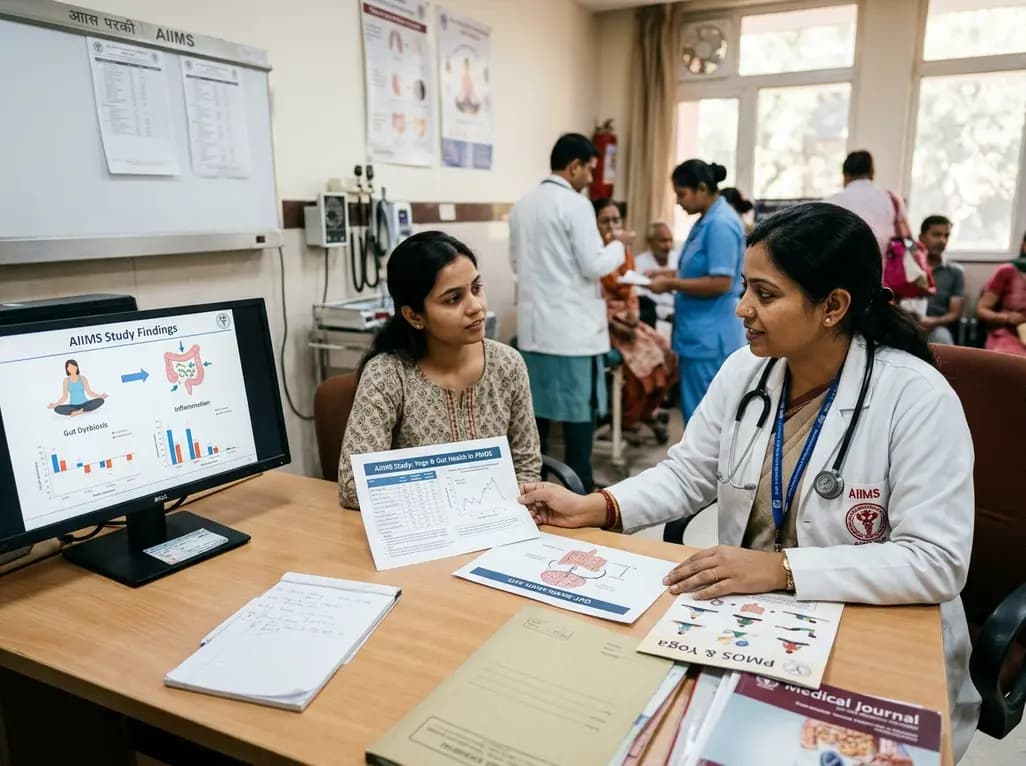
AIIMS researchers suggest yoga may alleviate gut dysbiosis in Polyendocrine Metabolic Ovarian Syndrome (PMOS) by modulating the gut-brain axis, lowering chronic inflammation, and enhancing parasympathetic tone to support metabolic and hormonal equilibrium.
Today
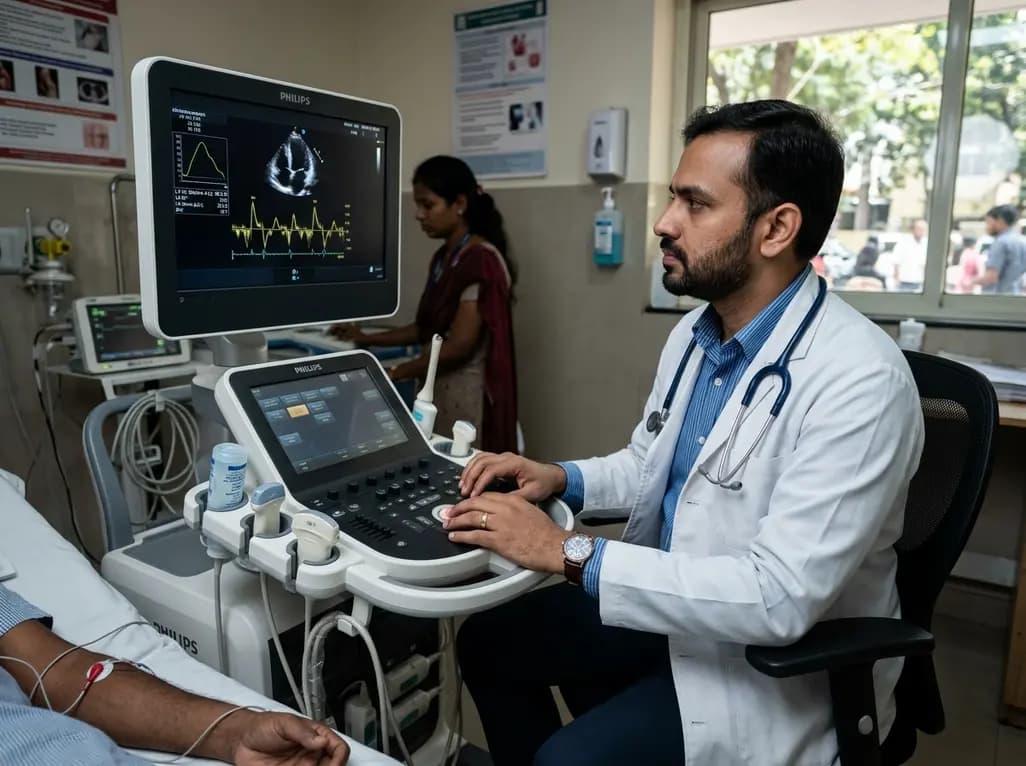
A structured practical guide to left atrial echocardiographic assessment covering biplane volumetry, phasic physiology, speckle-tracking strain, and hemodynamic filling pressure estimation for routine cardiovascular practice.
Today

Age-related spinal kyphosis is driven by vertebral fragility, disc degeneration, and paraspinal muscle dysfunction. Coexisting with locomotive syndrome and frailty, its management requires combined anti-osteoporotic therapy, spinal extensor rehabilitation, and comprehensive nutritional optimization.
Today

A longitudinal feasibility pilot study highlights that combining polygenic risk score disclosure with in-person lifestyle counseling significantly enhances genomic literacy in individuals at risk for type 2 diabetes, overcoming educational disparities and reinforcing patient motivation.
Today
