

Loading, please wait...
Loading, please wait...

Cardiovascular evaluation remains a persistent challenge for patients living in underserved rural communities. Geographic isolation and hospital closures frequently restrict local access to noninvasive diagnostics. Consequently, healthcare systems must develop innovative protocols to deliver remote cardiology services directly to rural populations. Cardiac stress testing serves as an indispensable tool for diagnosing obstructive coronary disease. However, small critical access facilities rarely employ onsite cardiologists to oversee these demanding procedures. To resolve this barrier, clinical teams established collaborative telemedicine partnerships between advanced practice registered nurses and remote cardiologists. Advanced practice registered nurses conduct the exercise stress testing locally, while board-certified cardiologists deliver remote telemedicine supervision. Therefore, patients receive comprehensive diagnostic evaluations without traveling to distant urban medical centers. This collaborative workflow effectively resolves regional care disparities. Furthermore, the model optimizes local healthcare resources while maintaining stringent patient safety.
Patient safety represents the core priority for noninvasive diagnostic programs operating without an onsite specialist. Therefore, clinical teams must institute formalized risk stratification protocols prior to every stress evaluation. Practitioners screen patients systematically to exclude individuals exhibiting unstable coronary syndromes, acute decompensation, or severe valvular disorders. Furthermore, clinical workflows establish immediate supervision and emergency escalation pathways before testing commences. During each test, the advanced practice provider assesses real-time hemodynamics, continuous electrocardiographic tracings, and physical symptoms at the bedside. Simultaneously, a remote cardiologist maintains telemedicine connectivity to examine baseline records and resolve diagnostic queries. If adverse hemodynamic shifts or complex arrhythmias emerge, clinicians activate established emergency protocols immediately. In addition, predefined transfer arrangements facilitate prompt evacuation to tertiary cardiac facilities whenever necessary. Consequently, rural clinics deliver dependable noninvasive testing while eliminating preventable procedural risks for vulnerable individuals.
Structured telemedicine protocols yield substantial improvements in diagnostic volume and cardiovascular disease detection. Recent clinical findings demonstrate that establishing collaborative stress testing expanded total test volume by 62.9 percent, rising from 140 to 228 procedures. More importantly, this enhanced testing capacity significantly improved disease identification. Angiographic confirmation rates for obstructive coronary artery disease doubled from 2.0 percent to 4.0 percent following program adoption. Consequently, clinicians identified critical coronary lesions much earlier during clinical evaluation. Because rural individuals often experience delayed diagnoses, timely evaluation prevents acute coronary syndromes and irreversible ischemic damage. Furthermore, prompt detection enables early therapeutic intervention, including percutaneous revascularization and targeted secondary medical prevention. Physicians can rapidly initiate lipid-lowering therapies and antiplatelet regimens to stabilize vulnerable coronary plaques. Thus, expanding noninvasive diagnostic capabilities fundamentally improves clinical trajectories for rural cardiovascular patients.
Comprehensive cardiac care extends beyond initial diagnosis to encompass structured secondary prevention. Functional exercise stress testing provides essential prognostic data, establishing safe exercise boundaries prior to cardiac rehabilitation. Fortunately, implementing the collaborative tele-cardiology program maintained high completion rates for pre-rehabilitation exercise stress assessments. Patients completed baseline functional evaluations locally, enabling clinicians to prescribe individualized exercise protocols effectively. In addition, patient enrollment in cardiac rehabilitation programs remained consistently robust after program implementation. Supervised cardiac rehabilitation lowers cardiovascular mortality, enhances functional independence, and reduces hospital readmissions. However, rural patients frequently drop out of rehabilitation programs when travel burdens become excessive. By delivering diagnostic assessments and rehabilitation locally, the collaborative model eliminates major logistical hurdles. Patients reliably attend scheduled exercise sessions, access dietary education, and sustain vital behavioral changes. Therefore, local diagnostic access preserves continuity of care and supports successful long-term recovery.
Patient satisfaction and economic viability dictate whether decentralized healthcare programs succeed over time. When introducing telemedicine innovations, patient trust remains essential for long-term clinical acceptance. Notably, the collaborative telemedicine stress testing program achieved a remarkable 92.2 percent 'likelihood to recommend' rating. Patients expressed tremendous appreciation for accessing specialized diagnostic services without enduring exhausting travel. Furthermore, local testing significantly reduced transportation costs, lost wages, and emotional strain for rural families. From an operational viewpoint, the program reinforced the institutional sustainability of the critical access hospital. By retaining noninvasive cardiac testing locally, the rural facility generated vital clinical revenue and optimized equipment usage. Moreover, the collaborative workflow elevated local clinical competencies among nursing staff. Community physicians received rapid diagnostic reports, allowing immediate treatment adjustments. Consequently, the collaborative initiative strengthened professional trust across regional networks, providing an effective model for rural healthcare delivery.
The demonstrated success of collaborative tele-cardiology offers valuable insights for health systems worldwide. Rural and underserved regions globally struggle with acute specialist shortages and rising burdens of atherosclerotic disease. In low- and middle-income countries, including semi-urban and rural areas of India, cardiovascular morbidity escalates while specialized cardiology centers remain distant. Therefore, adopting task-sharing models supported by tele-supervision offers an impactful clinical solution. Trained medical officers and specialized nurses can safely conduct standardized exercise protocols under real-time specialist oversight. As a result, peripheral facilities can uncover obstructive coronary artery disease before patients present with fatal myocardial infarctions. Furthermore, formalized escalation pathways preserve diagnostic precision and patient safety across remote healthcare environments. Regional health networks can leverage shared digital platforms, transmitting real-time electrocardiograms directly to supervising cardiologists. Ultimately, integrating collaborative clinical protocols with telemedicine bridges geographic divides, democratizing cardiovascular diagnostics and improving patient survival worldwide.
Collaborative models combine on-site advanced clinical expertise with remote specialist tele-supervision to maintain rigorous safety standards. The on-site advanced practice provider executes standardized patient screening, continuous hemodynamic monitoring, and immediate bedside symptom assessment. Concurrently, an off-site board-certified cardiologist reviews diagnostic data in real time through high-speed telecommunications. Predefined escalation pathways and emergency transfer protocols ensure immediate intervention if complications arise, providing hospital-grade diagnostic precision without requiring an onsite cardiologist.
Telemedicine stress testing doubles obstructive coronary artery disease detection by removing geographic and scheduling barriers that typically delay patient care. When rural facilities provide local access to noninvasive diagnostics, total testing volumes increase substantially. Consequently, clinicians evaluate symptomatic patients earlier in their disease course rather than waiting for unstable events. More timely testing identifies significant ischemia and prompts confirmatory coronary angiography, effectively doubling the diagnostic yield for anatomically severe coronary lesions.
Functional exercise stress testing serves as an essential gatekeeper for safe cardiac rehabilitation enrollment. It objectively quantifies functional exercise capacity, detects residual myocardial ischemia, and establishes individualized target heart rate ranges. By completing these assessments locally, rural patients transition seamlessly into supervised cardiac rehabilitation without navigating long journeys. This continuity maintains exceptionally high rehabilitation adherence, optimizes cardiovascular endurance, lowers readmission rates, and improves long-term survival for rural individuals recovering from coronary events.
Disclaimer: This content is for informational and educational purposes only... Refer to the latest local and national guidelines for clinical practice.
References

Read summarized clinical updates, watch expert medical content, and earn CME certifications right from your smartphone.
Open your smartphone camera to scan and install.





A collaborative APRN-physician telemedicine model significantly expands access to cardiac stress testing in rural hospitals, doubling obstructive coronary disease detection and maintaining high cardiac rehabilitation enrollment.
Today

A large cohort study demonstrates that fetal growth restriction in a first pregnancy raises maternal cardiovascular risk within five years postpartum, including elevated rates of heart failure, stroke, and myocardial infarction. Clinicians must initiate proactive postpartum screening and cardiovascular prevention.
Yesterday
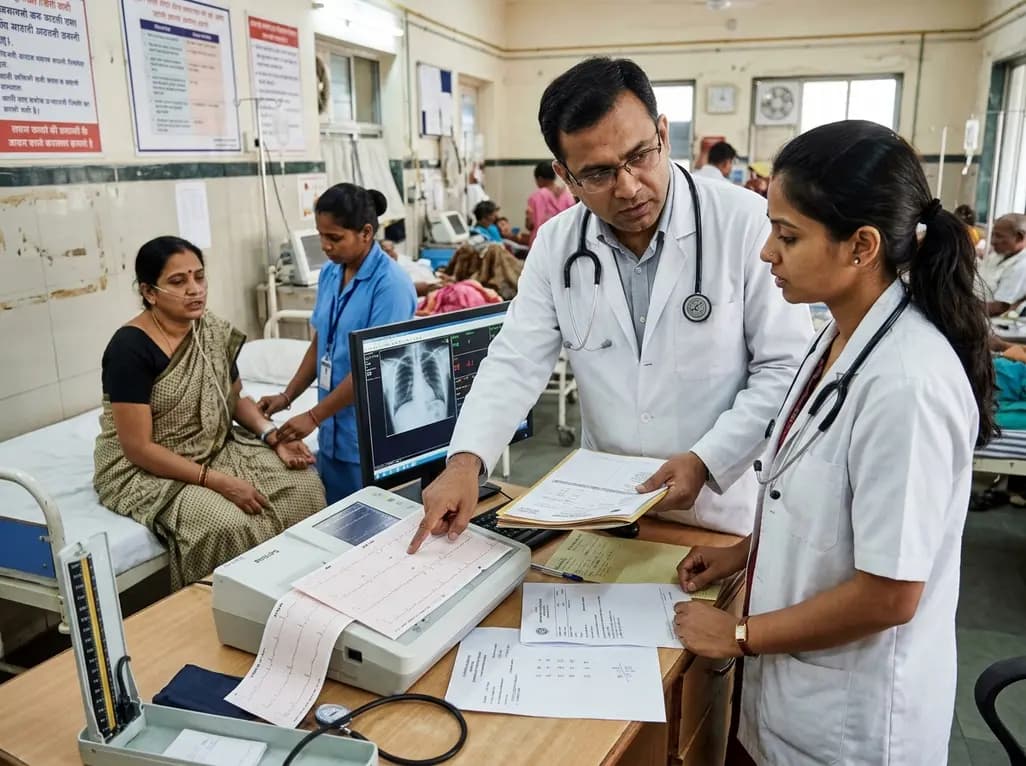
A timely pulmonary embolism diagnosis remains a major clinical challenge in urgent care. Nonspecific symptoms like dyspnea can disguise acute right heart strain. Recognizing subtle ECG signs such as S1Q3T3 and applying structured scoring tools enable early detection and lifesaving emergency management.
Today

A paired cadaveric study compared triple and quintuple percutaneous Achilles tendon lengthening. While quintuple hemisection showed numerically greater elongation, differences were not statistically significant.
Yesterday
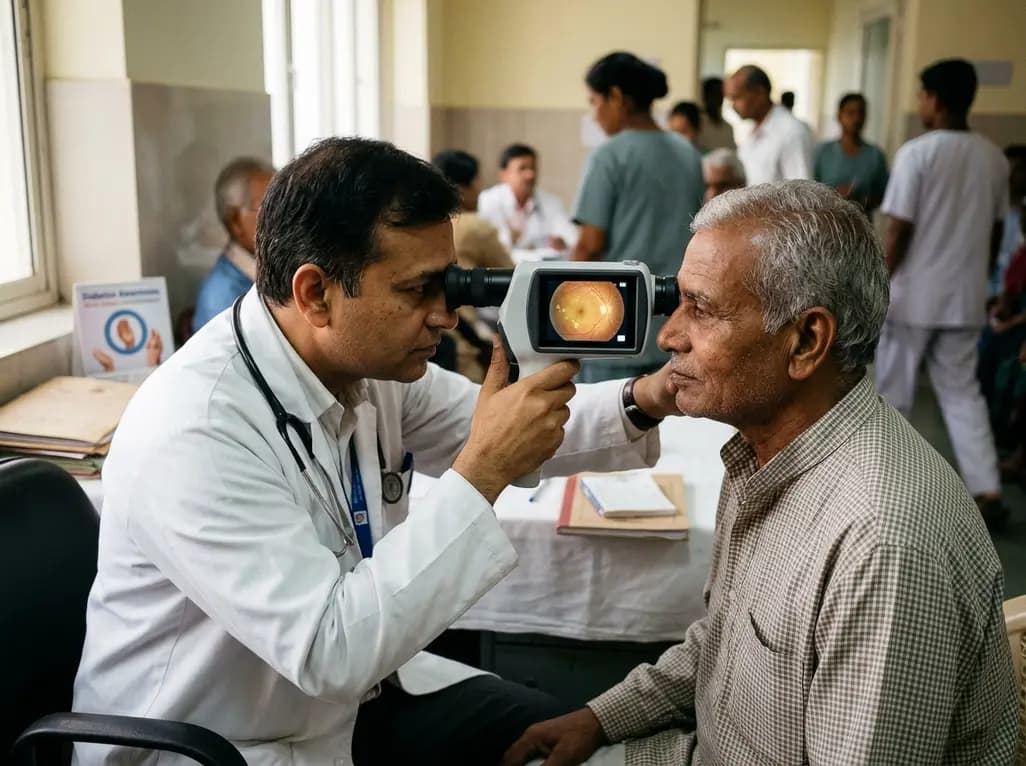
Diabetic retinopathy remains a leading cause of preventable visual impairment. This review outlines key strategies for screening, systemic risk factor control, advanced diagnostic imaging, and timely specialist referrals within primary and multidisciplinary care models.
Today
