.webp&w=384&q=75)

Loading, please wait...
Loading, please wait...
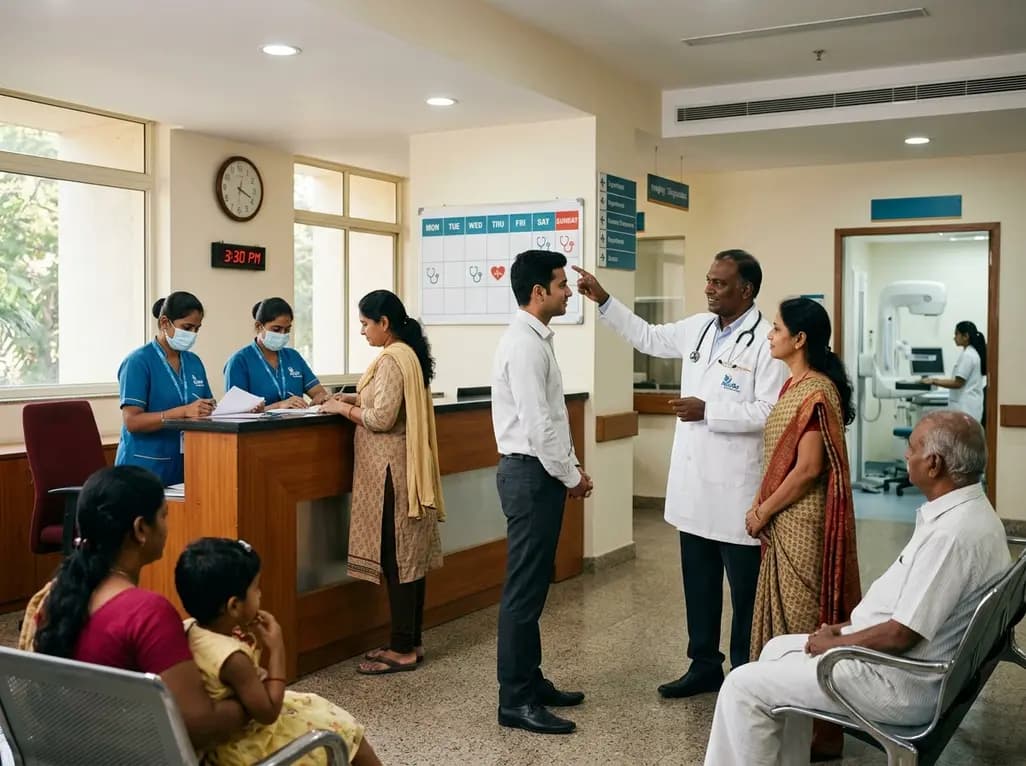
In a major operational shift within the Indian private healthcare ecosystem, Apollo Hospitals has officially launched its nationwide initiative titled 'Always Open. Always Here.' This landmark healthcare strategy introduces comprehensive seven-day OPD services across its vast hospital network in India. Consequently, patients can now schedule routine outpatient consultations, comprehensive diagnostic imaging, preventive health screenings, follow-up evaluations, and planned minor clinical procedures on Sundays. While emergency departments and intensive care units have consistently functioned round the clock, outpatient departments in private and public hospitals across the country have historically remained closed on Sundays. Therefore, expanding routine clinical care into the weekend represents a critical transformation designed to improve healthcare convenience and address long-standing access barriers for working citizens.
For decades, standard hospital outpatient departments across India have adhered strictly to six-day operating schedules. Consequently, working professionals, business owners, and family caregivers often struggle to balance demanding weekday work responsibilities with vital medical appointments. Because of these scheduling conflicts, many patients repeatedly delay critical clinical visits, routine laboratory investigations, and medical reviews until acute symptoms emerge. Apollo Hospitals aims to dismantle these scheduling constraints by integrating outpatient departments into regular Sunday routines. Through this structured expansion, patients gain seamless access to primary care physicians and multi-specialty consultants without taking leave from workplace duties. Furthermore, families can now coordinate multi-departmental consultations and baseline preventive check-ups on a single weekend visit. Therefore, extending operational timings to seven days a week optimizes patient flow and reduces overcrowding during peak weekday hours. Healthcare administrators and clinical leads anticipate that this operational flexibility will markedly decrease missed appointments, enhance patient satisfaction, and foster proactive healthcare engagement among urban and semi-urban populations.
Recent epidemiological assessments indicate a dramatic rise in non-communicable diseases (NCDs) across India, notably among younger and middle-aged demographics. Apollo's recent Health of the Nation data highlighted that millions of asymptomatic individuals live with undetected metabolic disorders, including early-stage hypertension, dyslipidemia, and type 2 diabetes mellitus. Specifically, screening data revealed that nearly 26 percent of evaluated individuals were hypertensive and 23 percent were diabetic despite having no noticeable symptoms. Consequently, relying exclusively on symptom-triggered clinical care often delays essential therapeutic interventions until irreversible organ damage occurs. Routine Sunday outpatient availability directly supports early detection protocols by encouraging healthy and at-risk individuals to undergo periodic screening tests. Moreover, early identification of lifestyle-related metabolic disorders allows clinicians to initiate timely pharmacotherapy and lifestyle modifications. By providing uninterrupted diagnostic imaging, clinical pathology testing, and specialist counseling on Sundays, the initiative helps identify asymptomatic disease states before serious cardiovascular, renal, or metabolic complications develop. Thus, Sunday outpatient access serves as an indispensable tool for long-term population health management.
Implementing a full-scale seven-day outpatient operational model across 76 hospitals and more than 10,400 beds demands robust administrative restructuring and strategic human resource planning. Prior to this nationwide rollout, Apollo Hospitals successfully evaluated the model through a rigorous three-month pilot study to gauge clinical feasibility, patient uptake, and staff adaptability. Consequently, the organization has implemented rotated duty rosters, balanced shift schedules, and integrated digital hospital information systems to maintain continuous clinical readiness. Furthermore, the group is leveraging its expansive workforce of medical officers, nursing personnel, allied health professionals, and administrative coordinators to ensure optimal patient care without compromising staff well-being. Work flexibility and adequate rest periods remain integral to sustaining clinician productivity and preventing occupational burnout among medical specialists. In addition, digital registration platforms, electronic medical records, and centralized appointment booking applications streamline patient flow across all seven days. As a result, hospitals can efficiently accommodate increased outpatient volume while preserving high clinical standards and maintaining seamless departmental workflows.
Preventive healthcare forms the cornerstone of effective modern clinical practice and long-term morbidity reduction. However, preventive wellness packages and comprehensive executive health checks often require several continuous hours to complete comprehensive laboratory, radiological, and specialist reviews. Weekday time constraints frequently discourage patients from completing these thorough health evaluations. By extending preventive health check-up packages to Sundays, tertiary medical centers empower families to prioritize disease prevention collectively. Furthermore, patients recovering from major surgeries or managing complex chronic illnesses frequently require frequent post-discharge follow-ups. Sunday specialist OPDs ensure that post-operative wound reviews, medication titration visits, and rehabilitation evaluations occur without unnecessary delays. In addition, prompt access to outpatient laboratory tests and radiological imaging on weekends prevents unnecessary visits to emergency departments for non-emergent complaints. Therefore, the continuous availability of routine clinical services preserves clinical continuity, strengthens the patient-physician relationship, and reinforces proactive preventive healthcare habits among diverse patient demographics.
The transition toward an uninterrupted outpatient operational model sets an important benchmark for tertiary healthcare infrastructure across the subcontinent. Established in Chennai in 1983, Apollo Hospitals has grown into one of the country's most prominent healthcare enterprises, operating extensive pharmacy chains, diagnostic hubs, and digital telehealth platforms. By becoming the first corporate hospital chain to implement institutional seven-day outpatient services at scale, the organization challenges traditional administrative paradigms that govern hospital management. Furthermore, this systemic shift maximizes the return on clinical capital assets, including high-end diagnostic imaging equipment and advanced laboratory platforms that otherwise remain underutilized on weekends. As private healthcare networks increasingly adopt patient-centric care delivery models, other corporate and independent healthcare institutions may follow suit by restructuring their weekend service offerings. Ultimately, expanding outpatient accessibility transforms healthcare delivery into a continuous, reliable service that aligns seamlessly with the lifestyle demands of modern society.
Q1: What specific clinical services are available under the Sunday outpatient initiative?
Under this initiative, patients can access outpatient multi-specialty consultations, routine diagnostic imaging, clinical laboratory tests, preventive health screening packages, and scheduled follow-up visits. Furthermore, patients can undergo minor elective procedures and wound care reviews on Sundays, ensuring comprehensive clinical support beyond standard emergency department operations across all participating network hospitals.
Q2: Why did Apollo Hospitals decide to expand routine outpatient services to Sundays?
The hospital network introduced Sunday services to eliminate scheduling barriers for working individuals and caregivers who cannot attend weekday appointments. Additionally, data from recent health screenings showed substantial rates of undetected, asymptomatic chronic conditions like hypertension and diabetes. Providing Sunday consultations encourages timely preventive screenings and consistent disease management without requiring workplace leave.
Q3: How does the hospital group manage doctor scheduling and prevent staff burnout?
Apollo Hospitals has restructured operational rosters by utilizing rotated shift patterns, staggered duty schedules, and advanced digital hospital management systems. By leveraging its large clinical and administrative workforce, the organization balances patient volumes on weekends while providing mandatory rest periods, work flexibility, and sustainable working hours for doctors, nurses, and allied staff.
Disclaimer: This content is for informational and educational purposes only. It does not constitute medical advice or replace professional judgment. Refer to the latest local and national guidelines for clinical practice.
References

Read summarized clinical updates, watch expert medical content, and earn CME certifications right from your smartphone.
Open your smartphone camera to scan and install.





Apollo Hospitals has expanded routine outpatient department services, diagnostic imaging, and preventive health screenings to all seven days of the week under its 'Always Open. Always Here.' program, helping working individuals and families access specialist medical care and early chronic disease detection on Sundays.
last month
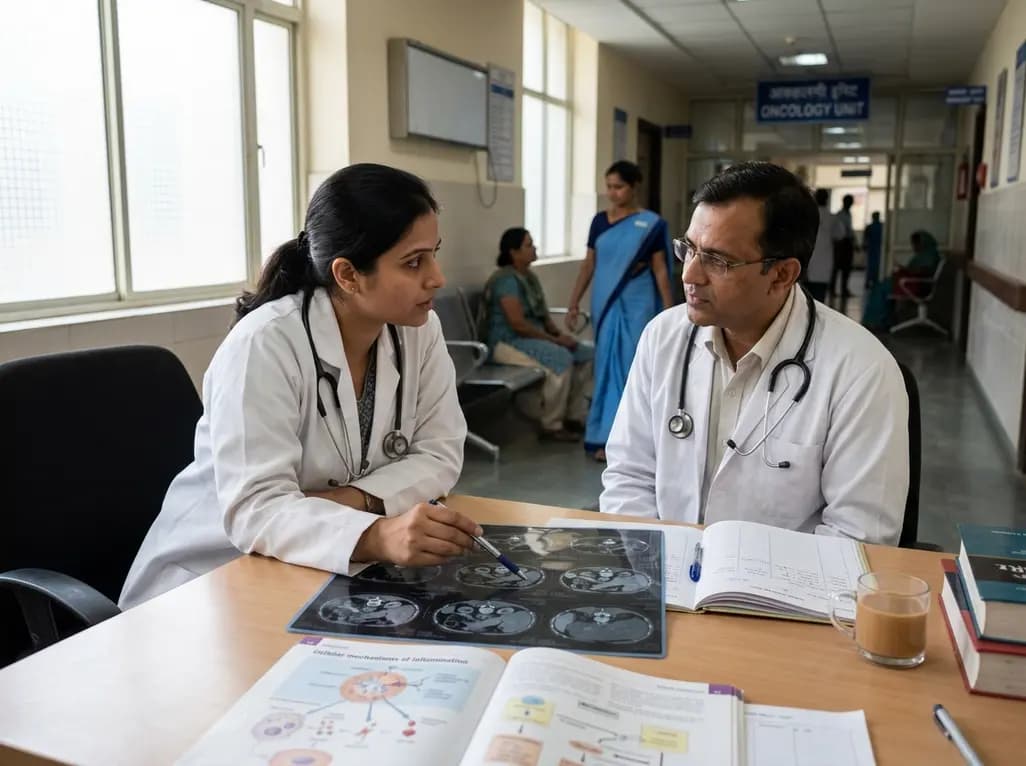
Pancreatic cancer cachexia affects over 80% of patients, driving severe muscle wasting, systemic inflammation, and treatment intolerance. This review highlights key pathophysiological drivers, exocrine insufficiency, objective CT imaging, and emerging therapies like GDF-15 inhibitors to improve clinical outcomes.
Today
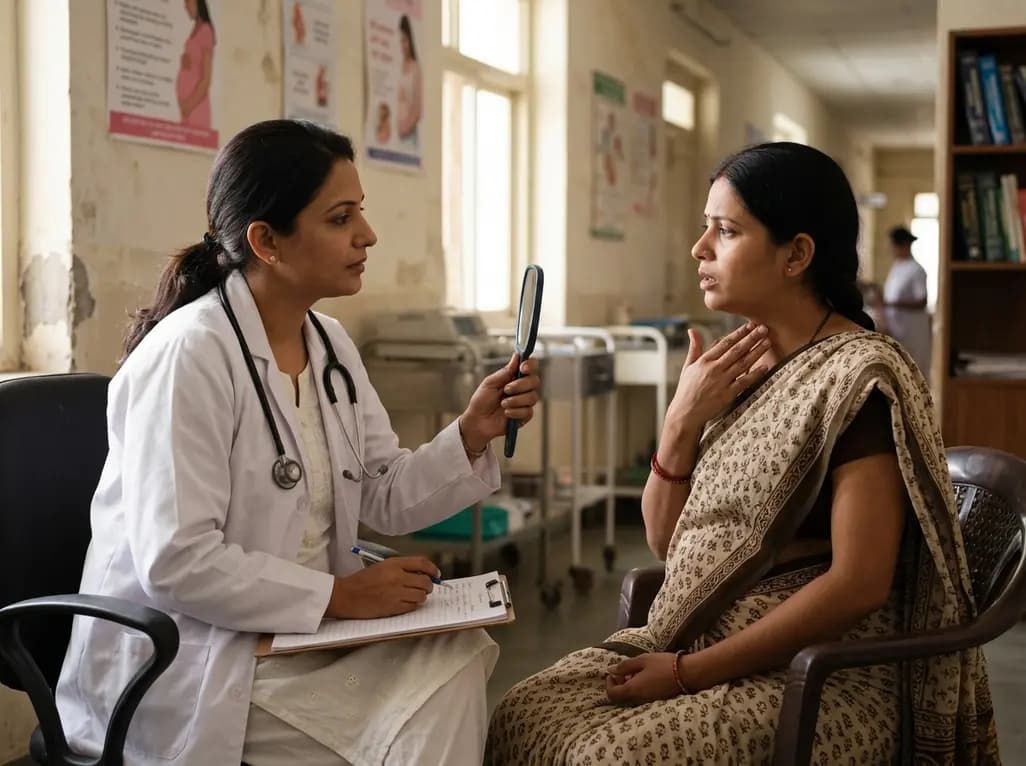
A scoping review reveals how pregnancy affects phonation through laryngeal edema and reduced phonation time rather than major acoustic pitch alterations. Learn how to identify, evaluate, and manage vocal symptoms in expectant mothers.
Today
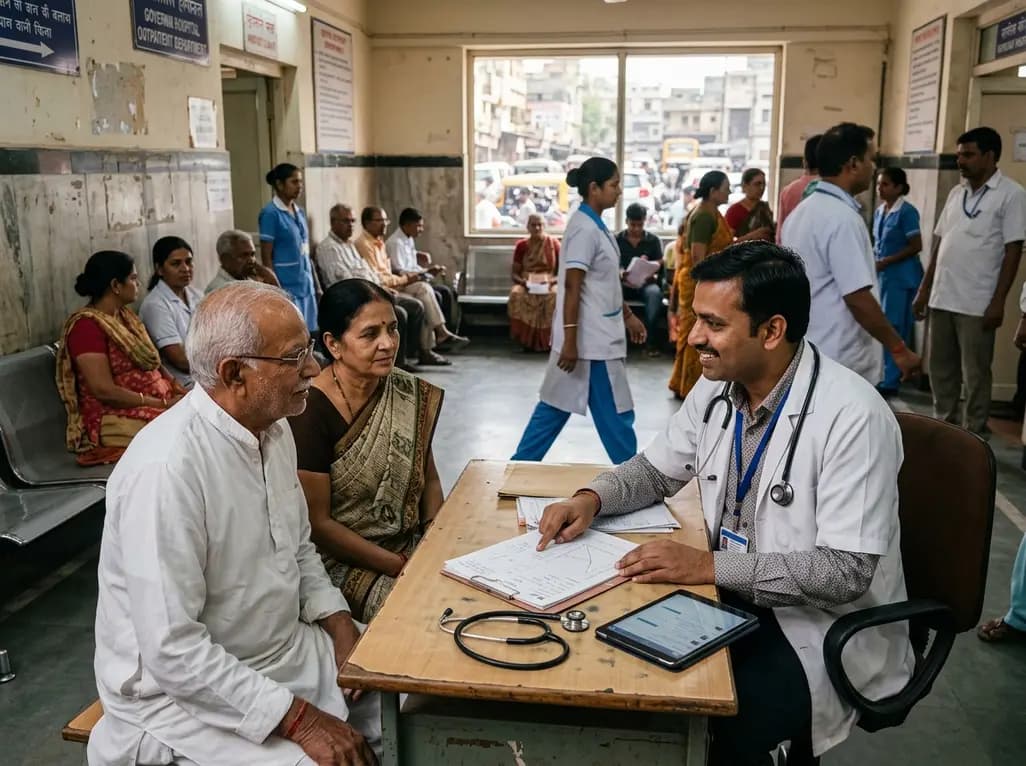
According to WHO data, average lifespan reached 73.3 years in 2023, recovering from pandemic lows. However, healthy life expectancy lags at 62.8 years due to surging noncommunicable conditions like cardiovascular disease and dementia, demanding proactive primary screening and sustained chronic care.
Today
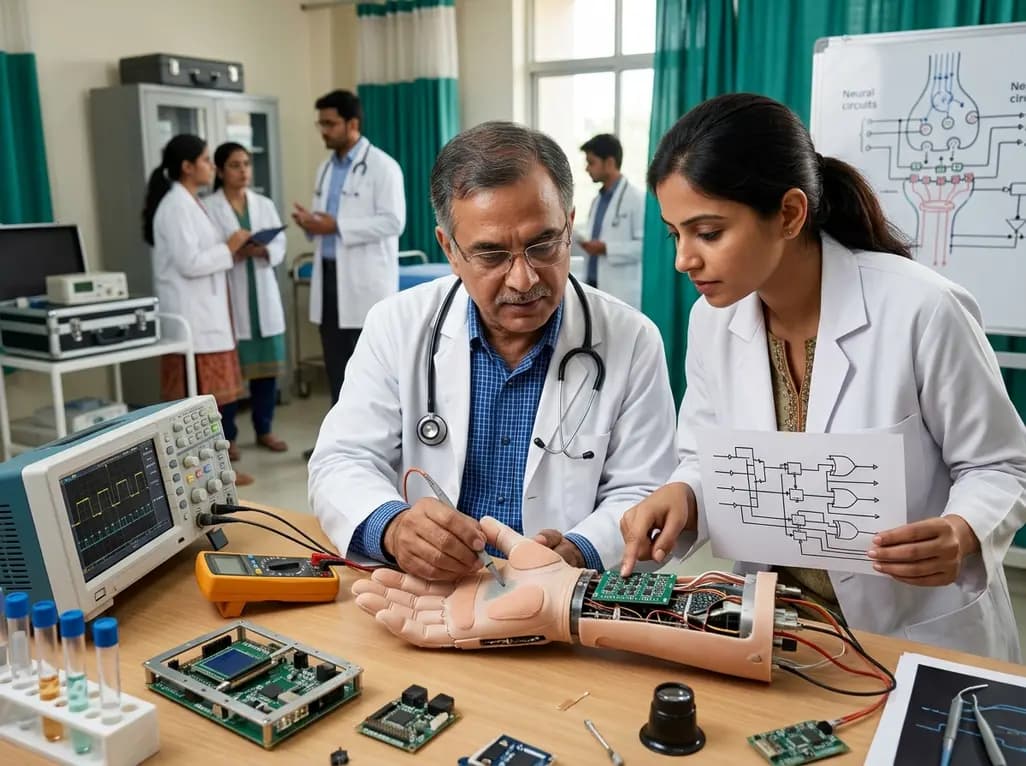
Researchers have engineered an artificial sensory-pain integrated receptor using a multi-threshold organic synaptic transistor. The system distinguishes benign touch from noxious stimuli, enabling safer, more responsive prosthetic limbs with built-in memory and simplified hardware architecture.
Today
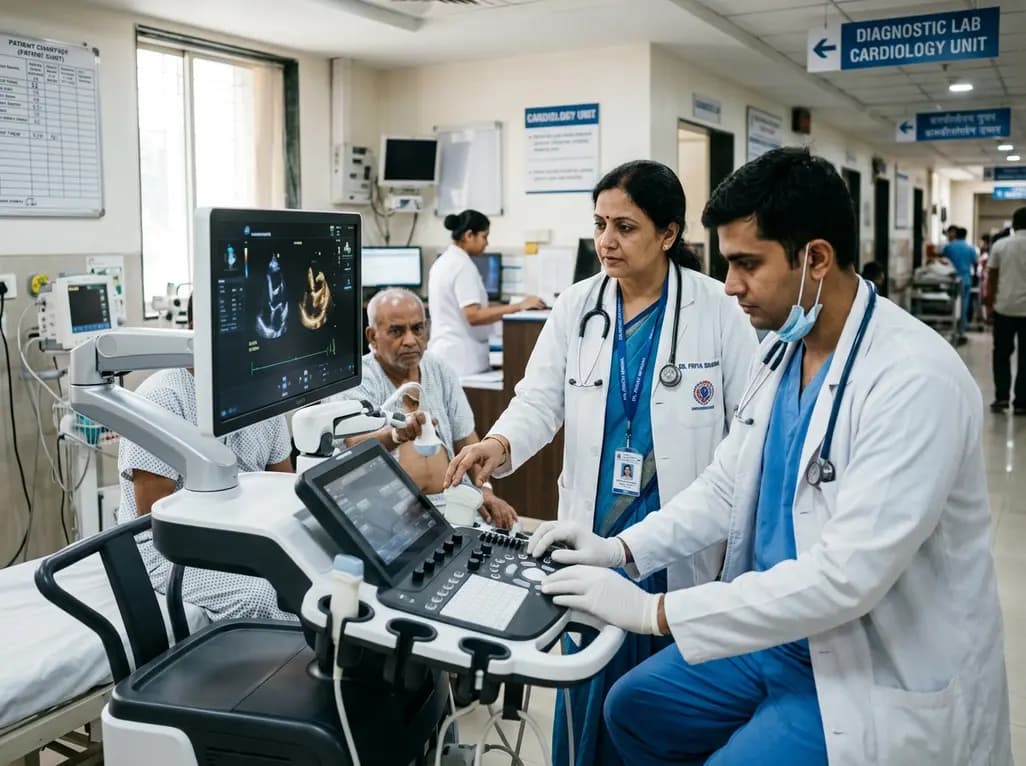
Medical robotics is transitioning beyond operative suites into diagnostics, cardiology, and endocrinology. Explore how innovations in tele-robotics, AI integration, and nanomedicine are overcoming geographical barriers and transforming precision healthcare delivery across India's evolving disease landscape.
Today
