

Loading, please wait...
Loading, please wait...

This was an individual participant data meta-analysis of four randomised trials. It compared anticoagulants with aspirin after embolic stroke of undetermined source (ESUS). The trials included 13,970 participants. 6,989 received anticoagulants. Recurrent stroke did not differ between groups (aHR 0.94; 95% CI 0.78–1.14). Major bleeding also did not differ significantly (aHR 1.21; 95% CI 0.52–2.80). No subgroup showed a benefit with anticoagulation. The authors concluded that anticoagulation did not reduce recurrent stroke after ESUS compared with aspirin. Major bleeding did not differ significantly between the two treatments.

Read summarized clinical updates, watch expert medical content, and earn CME certifications right from your smartphone.
Open your smartphone camera to scan and install.





This was an individual participant data meta-analysis of four randomised trials. It compared anticoagulants with aspirin after embolic stroke of undetermined source (ESUS). The trials included 13,970 participants. 6,989 received anticoagulants. Recurrent stroke did not differ between groups (aHR 0.94; 95% CI 0.78–1.14). Major bleeding also did not differ significantly (aHR 1.21; 95% CI 0.52–2.80). No subgroup showed a benefit with anticoagulation. The authors concluded that anticoagulation did not reduce recurrent stroke after ESUS compared with aspirin. Major bleeding did not differ significantly between the two treatments.
Today

A prospective phase IIa trial investigated TSG-01, an agent rich in secondary ginsenosides, for chronic heart failure in coronary artery disease. While NYHA functional class did not differ, TSG-01 significantly improved ejection fraction in digoxin-free patients with a favorable safety profile across all groups.
Today
Amniotic fluid cell-free DNA offers a rapid alternative to cultured amniocytes in prenatal testing. With high yield, lack of maternal contamination, and full concordance across microarrays and exome sequencing, it dramatically cuts diagnostic turnaround time.
Today
Knocking out the adipocyte ETB receptor attenuates high-fat diet-induced dyslipidemia, lowering LDL, cholesterol, and free fatty acids while preserving lipid oxidation gene expression in visceral adipose tissue.
Today
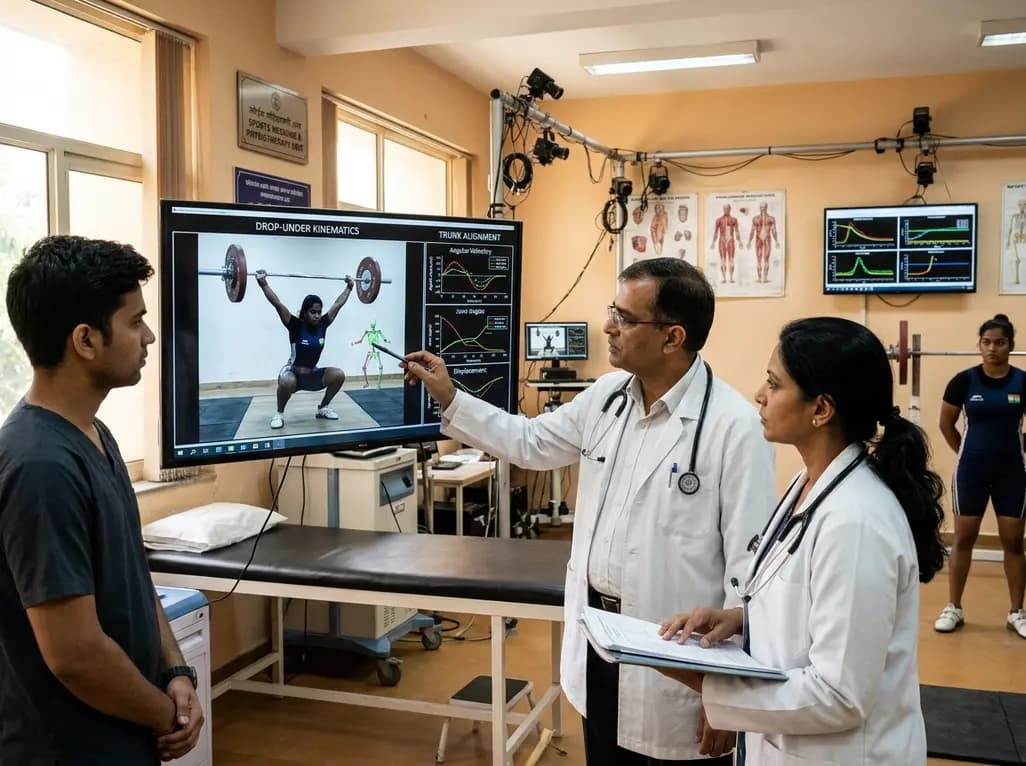
A systematic review of 15 studies and 574 competitive weightlifters establishes normative benchmarks for snatch drop-under kinematics, highlighting turnover speed, horizontal displacement, and trunk alignment to optimize performance and prevent overhead injuries.
Today
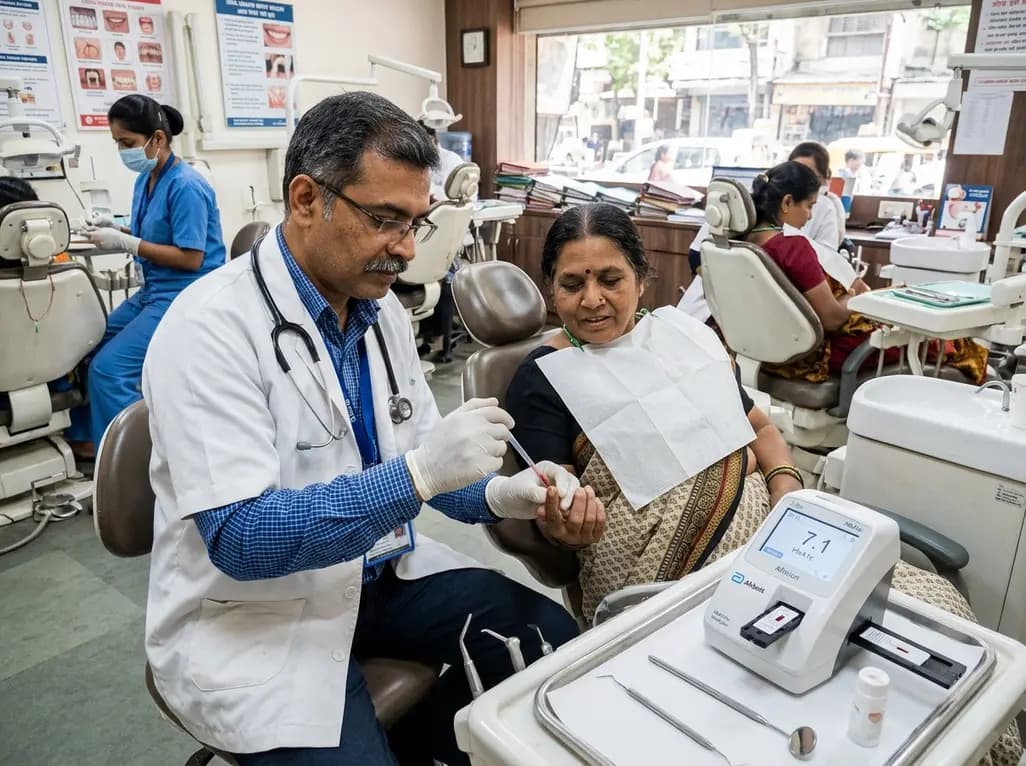
A cross-sectional study shows point-of-care HbA1c screening in dental settings detects elevated glycemia in 27.3% of adults. Over 60% of these patients had no prior glycemic concerns, especially those disconnected from primary care, highlighting the dental chair as an opportunistic screening site.
Today
