.webp&w=384&q=75)

Loading, please wait...
Loading, please wait...

Researchers have developed new antibacterial food packaging films (C@CuSAP) to tackle environmental concerns and food spoilage. Initially, conventional plastic films lacked sustainability and antimicrobial activity. Moreover, they failed to prevent rapid bacterial growth in fresh produce. Consequently, scientists sought eco-friendly alternatives. Therefore, they created a multifunctional composite film by incorporating copper sulfide nanoparticles into a cellulose-based matrix. Specifically, these films use carboxymethyl cellulose (CMC) to stabilize copper sulfide nanoparticles (CMC-CuS NPs). This innovation demonstrates significant potential for enhancing food security and safety.
The development of these films involves integrating CMC-CuS NPs into a poly(vinyl alcohol) and dialdehyde cellulose matrix. Furthermore, the resulting material exhibits excellent mechanical properties. For instance, the film shows a tensile strength of 7599 N/m and a burst strength of 470.3 kPa. Additionally, the film is hydrophobic, with a contact angle of 93.2°. Consequently, this characteristic helps repel moisture and prevents spoilage. Thus, the combination of strength and water resistance makes it a robust alternative to plastic. However, its most unique feature remains its active response to light.
One of the most impressive features of these antibacterial food packaging films is their photothermal efficiency. When exposed to near-infrared (NIR) light, the film reaches 190.7 °C within just 33 seconds. This rapid heating effectively eliminates dangerous pathogens. Specifically, antibacterial evaluations revealed a 99% inhibition rate against common bacteria like E. coli and S. aureus. In addition, the technology extended the shelf life of fresh cherries by six days. Overall, this eco-friendly approach reduces food waste while maintaining high safety standards.
Biodegradable materials are now crucial for a cleaner environment. The C@CuSAP film addresses the urgent demand for sustainable and active packaging solutions. Researchers believe this technology could soon transform how we store perishable goods. Furthermore, it ensures high standards of microbial safety without using toxic chemicals. Thus, it offers a dual benefit for both consumers and the planet. This study paves the way for advanced, non-toxic food preservation methods in the near future.
These films incorporate copper sulfide nanoparticles that respond to light. When exposed to near-infrared light, they generate heat that kills 99% of surface bacteria like E. coli.
Yes, the films are biodegradable. They utilize carboxymethyl cellulose and other plant-based materials to replace traditional, non-recyclable plastics.
Yes. Studies show that using these photothermal films can extend the shelf life of fresh fruit, such as cherries, by up to six days compared to conventional methods.
Disclaimer: This content is for informational and educational purposes only. It does not constitute medical advice or endorsement of specific products. Refer to the latest local and national guidelines for clinical practice.
References
Yang G et al. Carboxymethyl Cellulose-Stabilized Copper Sulfide Nanoparticles-Based Photothermal Composite Films: Integrating Hydrophobicity, Biodegradability, and Antibacterial Activity for Long-Term Food Preservation. Biomacromolecules. 2026 Feb 19. doi: 10.1021/acs.biomac.6c00051. PMID: 41711107.
Lee S et al. Copper-based nanoparticles for biopolymer-based functional films in food packaging applications. Comprehensive Reviews in Food Science and Food Safety. 2023;22(3):2013-2041. doi: 10.1111/1541-4337.13136.

Read summarized clinical updates, watch expert medical content, and earn CME certifications right from your smartphone.
Open your smartphone camera to scan and install.





Researchers develop C@CuSAP, a biodegradable, hydrophobic film that uses photothermal activity to kill bacteria and extend the shelf life of fresh produce....
8 months ago

Co-administering antiseizure medications and DOACs frequently causes pharmacokinetic interactions, subtherapeutic drug levels, and thromboembolic failures. This review highlights enzyme induction risks, unpredictable outcomes with levetiracetam, and the vital role of therapeutic drug monitoring.
Today

Demanding exhaustive hormonal profiling can inadvertently discourage clinical studies involving females. Methodological standards must align with the specific scientific question to expand, not restrict, equitable evidence for women.
Today
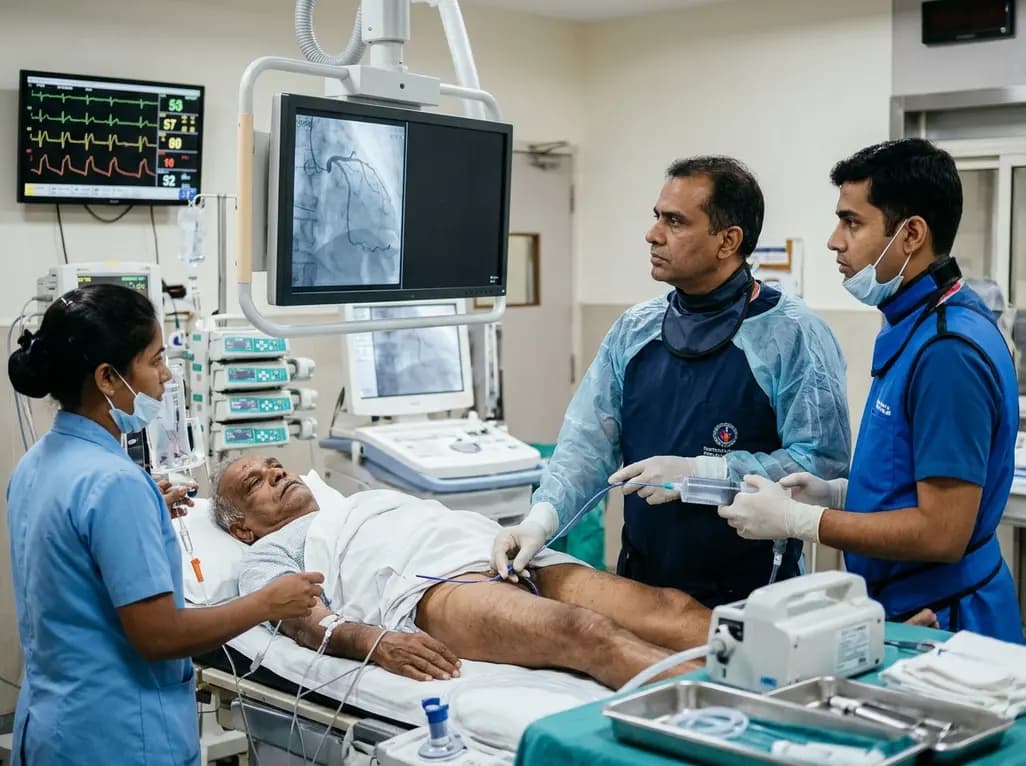
An elderly man with partially repaired Tetralogy of Fallot presented with STEMI caused by coronary embolism rather than atherosclerosis. Successful treatment with sustained mechanical aspiration thrombectomy underscores the vital need for high clinical vigilance in adult congenital heart disease.
Today

A comparative review of tension band wiring and intramedullary screw fixation in thumb metacarpophalangeal arthrodesis, evaluating union rates, hardware complications, and clinical outcomes.
Today

Following regulatory scrutiny from FSSAI regarding promotional representations and lean muscle preservation claims, Dr. Reddy's Laboratories and Nestlé Health Science are currently reviewing the branding and marketing strategy for their joint nutritional supplement Celevida GLP+.
Today
