.webp&w=384&q=75)

Loading, please wait...
Loading, please wait...
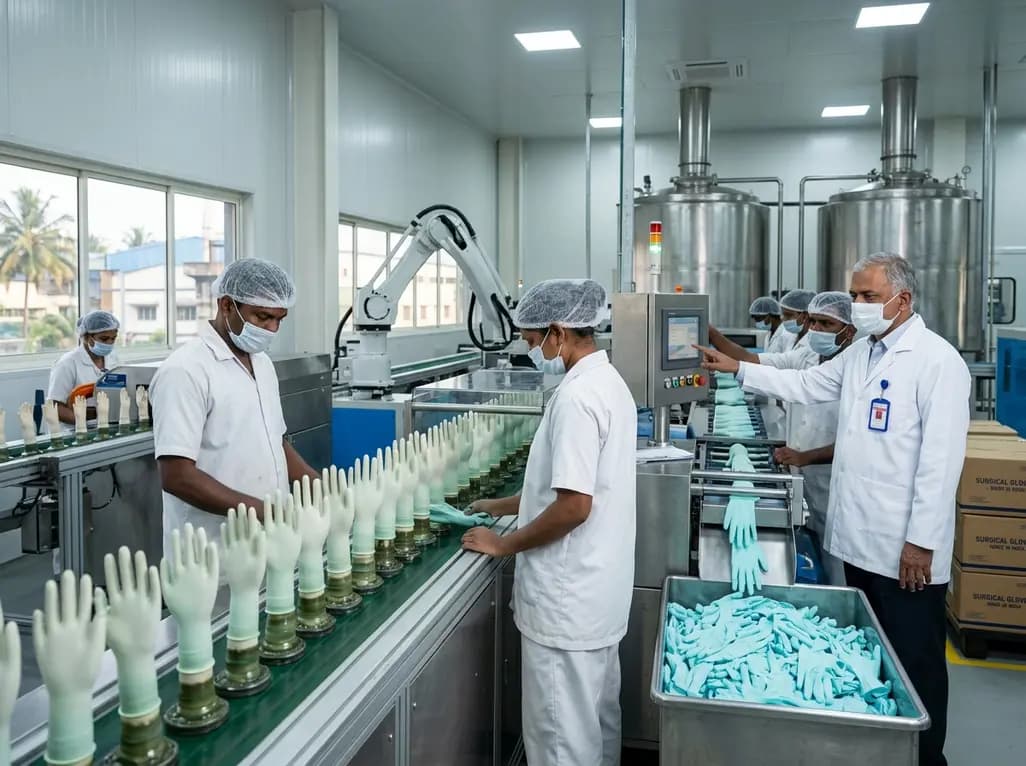
Global safety solutions provider Ansell Limited announced a sixty-million-dollar investment in India to build an advanced production facility. Consequently, the project addresses growing domestic demand for surgical gloves and supports export corridors to North America and Europe. Furthermore, this expansion highlights rising global confidence in India's medical device ecosystem and healthcare delivery infrastructure. For Indian surgeons and healthcare administrators, dependable local manufacturing offers significant clinical advantages. Specifically, certified barrier protection reduces supply vulnerabilities and enhances infection prevention protocols across operating theatres. Therefore, expanding local medical manufacturing represents a critical milestone for Indian perioperative safety.
In recent years, the Indian healthcare sector has undergone unprecedented structural modernization. Consequently, hospital networks and surgical specialty centres require steady access to medical consumables. The establishment of domestic manufacturing helps eliminate chronic dependence on overseas supply routes. Therefore, local production stabilizes inventory levels for tertiary hospitals and regional nursing homes alike. In addition, prompt product availability prevents procedural delays and ensures uncompromised patient scheduling.
Moreover, high surgical throughput in Indian operating rooms demands stringent quality assurance. When international manufacturers invest locally, domestic institutions gain direct access to global standard equipment. As a result, procurement teams secure certified products without navigating unpredictable freight disruptions or currency volatility. Furthermore, local manufacturing hubs encourage competitive pricing models across tier-two and tier-three healthcare centers. Hence, clinicians working in resource-constrained settings can maintain elevated infection control practices. Ultimately, this industrial investment bridges regional supply gaps, ensuring equitable access to sterile barrier technologies. Additionally, domestic distribution networks fulfill urgent hospital orders with shorter transit times. This operational agility reinforces surgical safety protocols during emergency situations and elective procedures alike. Moreover, dependable access ensures that operating suites maintain uninterrupted emergency preparedness around the clock.
Surgical site infections represent a substantial clinical and financial burden for healthcare institutions. Therefore, maintaining sterile barrier integrity remains a foundational tenet of modern perioperative care. High-quality gloves prevent bidirectional pathogen transmission between surgical staff and patient tissues during invasive procedures. However, micro-perforations frequently occur during complex or prolonged operations without immediate clinical awareness. Consequently, clinical guidelines strongly advocate for standardized glove replacement protocols during extensive operations.
Furthermore, routine double-gloving offers documented protection against mechanical breaches and bloodborne pathogen transmission. Clinical trials consistently demonstrate that wearing two protective layers significantly reduces inner glove puncture rates. In response, modern manufacturers design contrasting undergloves that clearly signal outer barrier disruption through rapid colour changes. Thus, surgical personnel can identify punctures instantly and replace compromised gloves before contamination occurs. Moreover, adherence to established barrier guidelines lowers postoperative morbidity and accelerates wound healing. By ensuring consistent barrier durability, standardized operating room consumables protect both clinical teams and vulnerable patients. Additionally, reducing intraoperative contamination curbs the spread of antimicrobial-resistant pathogens within surgical units. Hence, robust physical barriers serve as an indispensable defense in hospital infection control.
Although natural rubber latex provides superior elasticity, occupational latex allergies remain a major clinical concern. Repeated exposure can trigger contact dermatitis, asthma, or life-threatening systemic anaphylaxis among healthcare personnel. Similarly, sensitized surgical patients face severe perioperative immunological reactions when exposed to latex proteins. Consequently, modern surgical facilities actively transition toward hypoallergenic materials, such as polyisoprene, neoprene, and polychloroprene.
Furthermore, synthetic formulations now replicate the natural tactile feedback and tensile strength of traditional latex. Polyisoprene gloves, for example, deliver excellent elasticity and conform naturally to the surgeon's hand. Therefore, synthetic alternatives effectively eliminate type I allergic responses without sacrificing manual dexterity. Additionally, modern manufacturing processes reduce residual chemical accelerators that frequently trigger type IV hypersensitivity reactions. As a result, operating room teams can execute demanding microvascular, ophthalmic, and orthopedic procedures with confidence. Thus, expanding domestic manufacturing lines to produce advanced synthetic barriers represents a vital clinical advancement. Consequently, healthcare workers with sensitive skin experience greater comfort throughout long shifts. Moreover, hospital-wide latex-safe environments significantly reduce acute allergic complications during major operative interventions.
Surgeons frequently perform delicate, high-precision procedures that last multiple hours. Under these conditions, hand fatigue and musculoskeletal discomfort can impair fine motor dexterity. Therefore, ergonomic engineering has become an indispensable element in the fabrication of modern surgical attire. Advanced glove designs incorporate anatomical curvatures and tapered fingers to accommodate natural resting hand posture. Consequently, these structural enhancements alleviate sustained muscular tension across the thenar and hypothenar compartments.
Moreover, tactile sensitivity remains paramount during intricate neurosurgical, cardiovascular, and plastic reconstructive procedures. When barrier thickness is engineered precisely, tactile feedback from delicate anatomical planes is completely preserved. At the same time, specialized micro-textured surfaces optimize grip stability on fine instruments, even in wet surgical fields. As a result, surgeons maintain firm control while manipulating fine sutures, tissue forceps, and micro-scissors. Furthermore, modern synthetic compounds adapt rapidly to body temperature, ensuring a comfortable fit throughout extended operative interventions. Ultimately, ergonomic enhancements reduce physical strain, supporting surgical performance and procedural accuracy. Hence, thoughtfully designed protective wear directly benefits surgeon longevity and patient operative outcomes.
Global healthcare disruptions during recent crises revealed severe vulnerabilities in international medical consumable supply chains. Consequently, healthcare authorities in India have prioritized domestic self-reliance in essential medical technologies. By producing surgical consumables within national borders, healthcare facilities shield themselves against export restrictions and border closures. Therefore, domestic production capacity guarantees uninterrupted clinical workflows for critical acute care hospitals.
Furthermore, regulatory bodies like the Central Drugs Standard Control Organisation enforce rigorous manufacturing compliance standards. Manufacturers must demonstrate strict adherence to sterility assurance levels, acceptable quality limits for pinholes, and biocompatibility criteria. Additionally, alignment with standards like ISO 13485 and ASTM specifications enables facilities to supply top-tier export markets. This dual-market approach ensures that domestic hospitals receive identical, uncompromised quality as leading global medical centers. As a result, Indian clinicians can rely on locally manufactured barrier solutions that meet uncompromising safety metrics. Hence, domestic infrastructure investments fortify national public health readiness and elevate standards of patient care. In addition, localized quality testing guarantees rapid verification of sterile medical supplies before distribution.
Q1: Why is double-gloving recommended during surgical procedures?
Double-gloving provides a critical safety redundancy against accidental sharps injuries and intraoperative micro-perforations. Research indicates that wearing two pairs of gloves reduces the risk of inner glove breach by over seventy percent. Furthermore, many modern systems incorporate indicator undergloves that visually highlight punctures immediately through colour contrast. Consequently, surgeons can detect and replace compromised barriers swiftly, thereby mitigating infection risks for staff and patients.
Q2: How do synthetic surgical gloves compare to natural rubber latex gloves?
Modern synthetic gloves, particularly those manufactured from polyisoprene or polychloroprene, deliver tensile strength and tactile sensitivity comparable to latex. Crucially, these synthetic alternatives completely eliminate exposure to natural latex proteins, preventing severe type I allergic reactions. Furthermore, advanced manufacturing techniques minimize chemical accelerators, effectively reducing type IV allergic contact dermatitis. Therefore, synthetic gloves provide an exceptional balance of safety, comfort, and barrier durability during surgery.
Q3: How often should surgical gloves be changed during long operative cases?
Clinical practice guidelines generally recommend changing surgical gloves every ninety to one hundred and twenty minutes during extended procedures. Material fatigue, hydration, and repeated mechanical friction significantly increase glove permeability and micro-tear incidence over time. Therefore, scheduled routine glove changes maintain sterile barrier integrity throughout prolonged surgical cases. Additionally, gloves must be replaced immediately if a puncture is suspected, after contacting contaminated areas, or before handling permanent implants.
Disclaimer: This content is for informational and educational purposes only. It does not constitute medical advice or replace professional judgment. Refer to the latest local and national guidelines for clinical practice.
References

Read summarized clinical updates, watch expert medical content, and earn CME certifications right from your smartphone.
Open your smartphone camera to scan and install.





Ansell Limited is establishing a 60 million dollar manufacturing plant in India to scale the production of surgical gloves. This landmark facility boosts domestic infection prevention, reduces reliance on overseas medical imports, and delivers high-grade synthetic and latex barrier protection for operating theatres.
Today
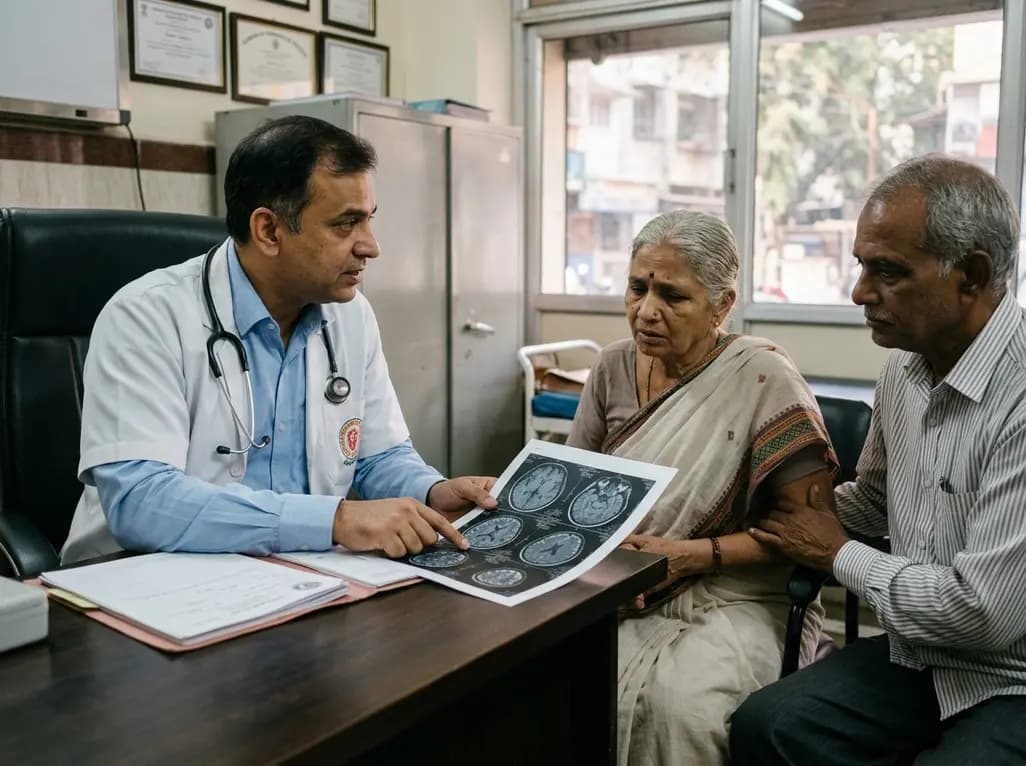
With dementia cases in India projected to double, clinicians must recognize neurodegenerative decline before irreversible neuron loss occurs. This review explores differential diagnostic strategies for memory loss, the growing disease burden, and the targeted application of newly approved anti-amyloid therapies.
Today

A school-based intervention using the Health Action Process Approach (HAPA) significantly enhanced adolescents' perceived benefits of consulting healthcare providers and promoted proactive menstrual health behaviors, offering key clinical insights for managing adolescent dysmenorrhea and endometriosis.
Today
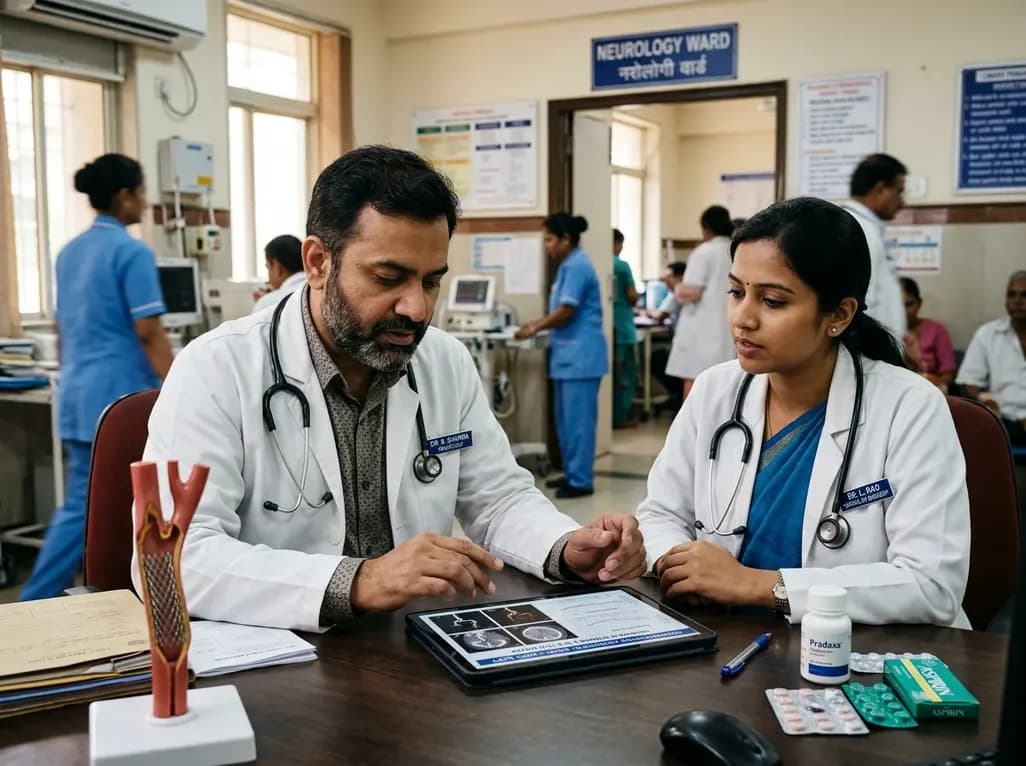
A multicenter propensity-matched study evaluated DOAC plus single versus dual antiplatelet therapy after carotid artery stenting. Findings revealed comparable intracranial hemorrhage and ischemic stroke rates, supporting DOAC plus SAPT as a viable antithrombotic strategy in high-risk patients.
Today
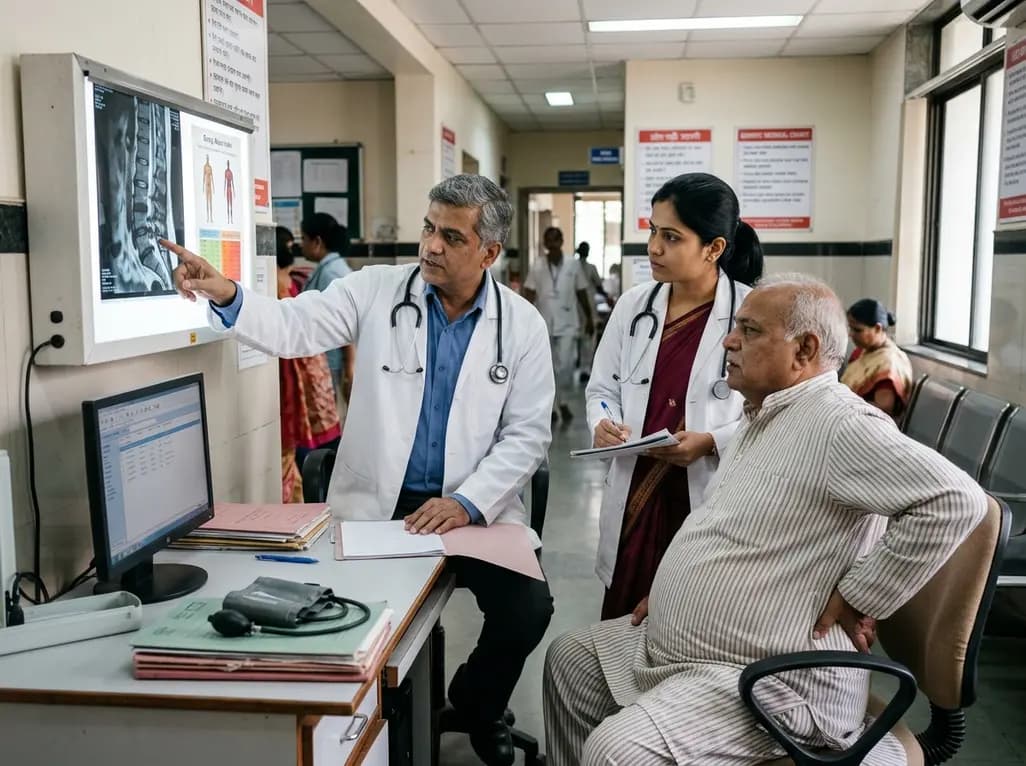
A cross-sectional study reveals that sarcopenic obesity independently increases functional impairment and severe disc degeneration in patients with degenerative lumbar spinal stenosis, highlighting the need for body composition assessment.
Today
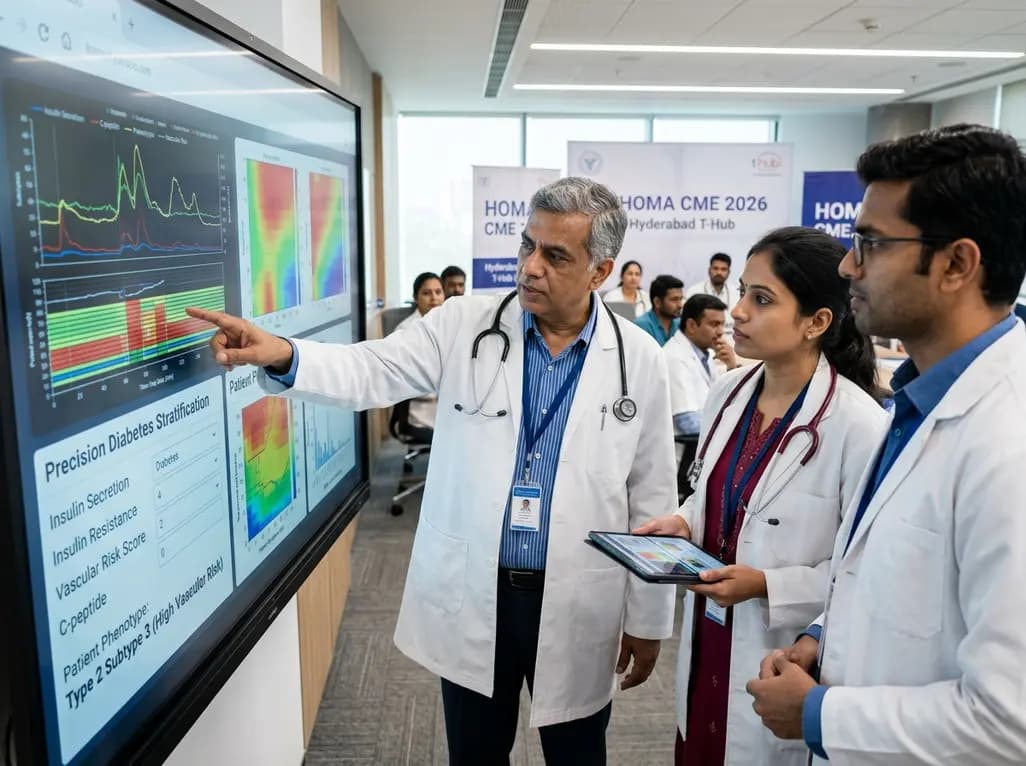
At Homa CME 2026 at Hyderabad's T-Hub, healthcare leaders emphasized moving beyond routine metrics through digital calculators and precision stratification. Discover why characterizing individual insulin secretion, resistance patterns, and vascular risks transforms chronic metabolic care in India.
Yesterday
