

Loading, please wait...
Loading, please wait...

Anorexia nervosa represents a severe psychiatric illness characterized by extreme starvation, endocrine dysfunction, and multi-organ failure. Chronic malnutrition frequently converts this disorder into an acute internal medicine emergency. Clinicians across intensive care, general medicine, and psychiatry must recognize the medical hazards that accompany rapid clinical deterioration. Structured somatic risk stratification and cautious nutritional rehabilitation remain critical for patient survival. Furthermore, managing anorexia nervosa refeeding demands coordinated somatic stabilization alongside psychosomatic support. Consequently, modern interdisciplinary protocols establish standardized caloric thresholds, laboratory monitoring, and collaborative care pathways.
Determining the appropriate level of care represents the first vital step in acute management. Inpatient admission becomes necessary when patients exhibit severe somatic instability, precipitous weight loss, or persistent failure of outpatient nutritional therapy. Specifically, vital sign abnormalities require prompt triage to monitored hospital beds. Clinicians evaluate profound bradycardia below 40 beats per minute, marked hypotension with systolic pressure below 90 mmHg, and body temperature under 35.5 degrees Celsius. In addition, marked electrolyte derangements or severe dehydration warrant immediate hospital admission.
Furthermore, physicians evaluate cardiac rhythm disturbances and prolonged corrected QT intervals to prevent fatal ventricular arrhythmias. Marked muscle wasting, hepatic transaminitis, and severe hematological cytopenias also signal advanced end-organ compromise. When patients demonstrate severe physiological exhaustion, general medical wards cannot offer adequate safety. Therefore, the multidisciplinary team must decide between an internal medicine ward, a specialized psychosomatic unit, or an intensive care bed based on the required monitoring level. Patients presenting with extreme hemodynamic instability require continuous telemetry and nursing vigilance in high-dependency units. Consequently, accurate risk stratification ensures rapid stabilization and prevents catastrophic inpatient mortality.
Historically, clinical guidelines advised initiating nutritional therapy at very low energy levels to prevent refeeding syndrome. However, recent evidence suggests that extreme caloric restriction often leads to severe underfeeding syndrome and prolonged hospital stays. Contemporary recommendations from the German Association of the Scientific Medical Societies (AWMF) S3 guideline propose an initial daily energy intake of approximately 2000 kilocalories. This target translates to roughly 40 to 50 kcal per kilogram of body weight daily in monitored inpatient settings.
Consequently, modern protocols advocate a proactive approach coupled with vigilant somatic monitoring. Healthcare teams increase nutritional intake steadily by approximately 200 kilocalories per day. This structured progression aims for a predictable weekly weight gain of 500 to 1500 grams. Meanwhile, dietitians tailor macronutrient proportions to avoid excessive initial carbohydrate loads. Restricting refined carbohydrates helps attenuate sudden hyperinsulinemia, which triggers dangerous intracellular electrolyte shifts. Furthermore, physicians must individualize these baseline energy recommendations for patients presenting with extreme malnutrition and body mass index values below 13 kg/m². In these high-risk cohorts, clinicians start caloric delivery more conservatively under round-the-clock monitoring. Thus, evidence-based refeeding protocols strike a crucial balance between weight restoration and safety.
Refeeding syndrome represents a potentially lethal metabolic complication that occurs upon reintroducing carbohydrates following prolonged starvation. During chronic fasting, the body adapts by downregulating basal metabolism and switching primary fuel utilization from glucose to fatty acids and ketone bodies. Consequently, intracellular stores of phosphorus, potassium, and magnesium become severely depleted, even when initial serum levels appear normal.
When nutritional rehabilitation begins, carbohydrates induce rapid endogenous insulin secretion. This insulin surge drives glucose, phosphate, potassium, and magnesium across cell membranes into the intracellular compartment. As a result, circulating concentrations of these essential ions drop precipitously. Severe hypophosphatemia impairs adenosine triphosphate production, compromising cellular energy metabolism. Therefore, affected patients can develop fatal cardiac arrhythmias, acute congestive heart failure, acute respiratory failure, and rhabdomyolysis. In addition, the synthesis of thiamine-dependent enzymes increases exponentially, precipitating acute Wernicke encephalopathy if thiamine stores are low. To prevent these complications, clinicians must check baseline serum electrolytes and initiate prophylactic thiamine before feeding. Moreover, teams must monitor electrolyte concentrations regularly and correct emerging deficits promptly.
Choosing the proper route of administration remains a cornerstone of successful nutritional rehabilitation. Clinical consensus strongly prioritizes oral nutrition over artificial feeding modalities whenever feasible. Oral meals allow patients to rebuild natural eating habits and foster long-term behavioral recovery. When patients struggle to complete solid meals, clinical teams introduce nutritionally complete liquid formulas to bridge caloric deficits safely. These oral nutritional supplements provide concentrated energy, essential fatty acids, and micronutrients without imposing overwhelming volume burdens.
However, certain clinical presentations preclude exclusive oral rehabilitation. Enteral tube feeding via a small-bore nasogastric tube becomes essential when patients exhibit severe medical instability, continuous food refusal, or unmanageable postprandial gastrointestinal distress. Nasogastric nutrition delivers continuous or nocturnal feeds, reducing gastric distension and minimizing metabolic volatility. In contrast, clinicians strictly avoid parenteral nutrition in typical clinical scenarios. Total parenteral nutrition carries substantial hazards, including bloodstream infections, thrombophlebitis, and erratic fluid shifts. Consequently, parenteral nutrition remains strictly reserved for life-threatening emergencies where the gastrointestinal tract is entirely nonfunctional, such as paralytic ileus. Thus, clinicians methodically progress from oral feeding to enteral support, protecting patient safety at every step.
Successful treatment of severe anorexia nervosa demands cohesive collaboration across diverse medical specialties. Because the disorder straddles profound psychological pathology and acute internal medicine emergencies, solitary management models inevitably fail. The core team brings together internists, psychiatrists, clinical psychologists, specialized dietitians, and dedicated nursing personnel. Furthermore, transparent communication among these specialists guarantees that somatic stabilization proceeds simultaneously with psychotherapeutic engagement.
Internists supervise metabolic parameters, cardiovascular function, and fluid balance throughout the initial refeeding phase. Concurrently, psychosomatic and psychiatric specialists address underlying cognitions, severe body image distortions, and comorbid psychiatric disorders. In addition, experienced psychiatric nurses maintain structured meal support and manage patient distress after eating. Specialized dietitians constantly adjust caloric prescriptions to match ongoing metabolic recovery and physical activity allowances. When conflict arises regarding feeding compliance, interdisciplinary consensus prevents therapeutic fragmentation and ensures consistent boundaries. Regular team huddles enable clinicians to anticipate behavioral resistance and adapt somatic care plans collaboratively. Consequently, integrating somatic medicine with psychotherapeutic care establishes a robust foundation for lasting clinical remission.
Achieving initial hemodynamic stability represents merely the opening phase of a lengthy recovery process. Following the acute refeeding window, clinicians must monitor for delayed medical complications and end-organ recovery. Bone mineral density loss, leading to early osteopenia or severe osteoporosis, represents a pervasive consequence of chronic malnutrition. Therefore, medical teams schedule dual-energy X-ray absorptiometry scans and consider calcium, vitamin D, and endocrine optimization.
In addition, physicians monitor hematological parameters closely as bone marrow hypoplasia gradually resolves with adequate nutritional repletion. Transaminase elevations, common during both starvation and refeeding steatosis, typically normalize as metabolic homeostasis stabilizes. Gastrointestinal motility disorders, such as delayed gastric emptying and severe constipation, also improve progressively as somatic restoration advances. Furthermore, out-of-hospital transition planning requires strong links between inpatient medical wards, day hospitals, and outpatient eating disorder specialists. Maintaining regular follow-up visits prevents relapsing weight loss and ensures sustained metabolic recovery. Ultimately, structured surveillance safeguards clinical gains, transforming acute crisis intervention into durable healing.
Refeeding syndrome develops when prolonged starvation shifts metabolism from glucose oxidation to ketone and fat catabolism. Consequently, reintroducing carbohydrates stimulates rapid insulin release. This hormonal surge prompts cells to uptake circulating phosphate, potassium, and magnesium rapidly. Furthermore, the synthesis of adenosine triphosphate and phosphorylated intermediates depletes serum phosphate. Therefore, severe intracellular shifts cause acute hypophosphatemia, cardiac arrhythmias, neuromuscular weakness, and acute pulmonary decompensation without timely prophylactic supplementation.
Historical protocols enforced extremely conservative caloric prescriptions to prevent refeeding syndrome. However, recent evidence reveals that excessively low energy prescriptions induce severe underfeeding syndrome, prolonged hospitalization, and worsening catabolic state. Modern protocols, including German AWMF guidelines, support initiating nutritional therapy around 2000 kcal daily or 40 to 50 kcal/kg. Moreover, clinicians safely prevent electrolyte collapse through rigorous biochemical monitoring and prophylactic electrolyte replacement, which secures steady physiological recovery without elevating clinical complications.
Clinicians prioritize oral meals and sip feeds as primary nutritional interventions. Nevertheless, enteral tube feeding becomes necessary when patients demonstrate severe medical instability, continuous refusal of adequate nutrition, or persistent failure to meet daily caloric targets. In addition, nasogastric feeding provides continuous controlled nutrient delivery, which minimizes severe postprandial distress. However, teams should introduce tube feeding cooperatively rather than punitively, transitioning back to normal oral intake as quickly as medical and psychological stability permits.
Disclaimer: This content is for informational and educational purposes only and does not substitute for professional clinical judgment, diagnosis, or individualized patient care. Healthcare providers must evaluate individual patient parameters and refer to the latest local and national guidelines for clinical practice.
References

Read summarized clinical updates, watch expert medical content, and earn CME certifications right from your smartphone.
Open your smartphone camera to scan and install.





Explore established interdisciplinary guidelines for acute anorexia nervosa refeeding, somatic risk assessment, caloric targets, and medical stabilization in severely malnourished patients.
Today
Overexpression of glycoprotein nonmetastatic melanoma protein B (GPNMB) mediates resistance to CDK4/6 inhibitors like abemaciclib and palbociclib in ER+ breast cancer through integrin-driven AKT/ERK signaling. Targeting GPNMB with antibody-drug conjugates like glembatumumab vedotin may overcome this resistance.
Today
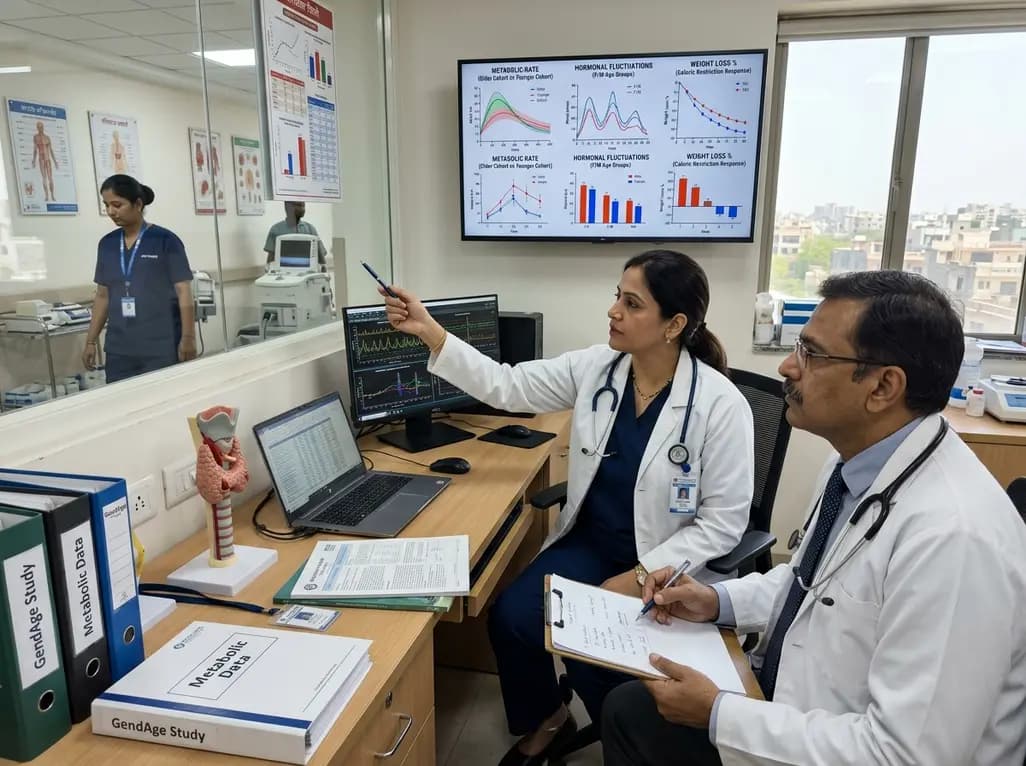
The GendAge weight loss study investigates how sex hormones, age, and menopausal status modulate caloric restriction response. By comparing metabolic adaptations across younger and older cohorts, this controlled feeding trial aims to refine precision dietary guidance for effective obesity management.
Today
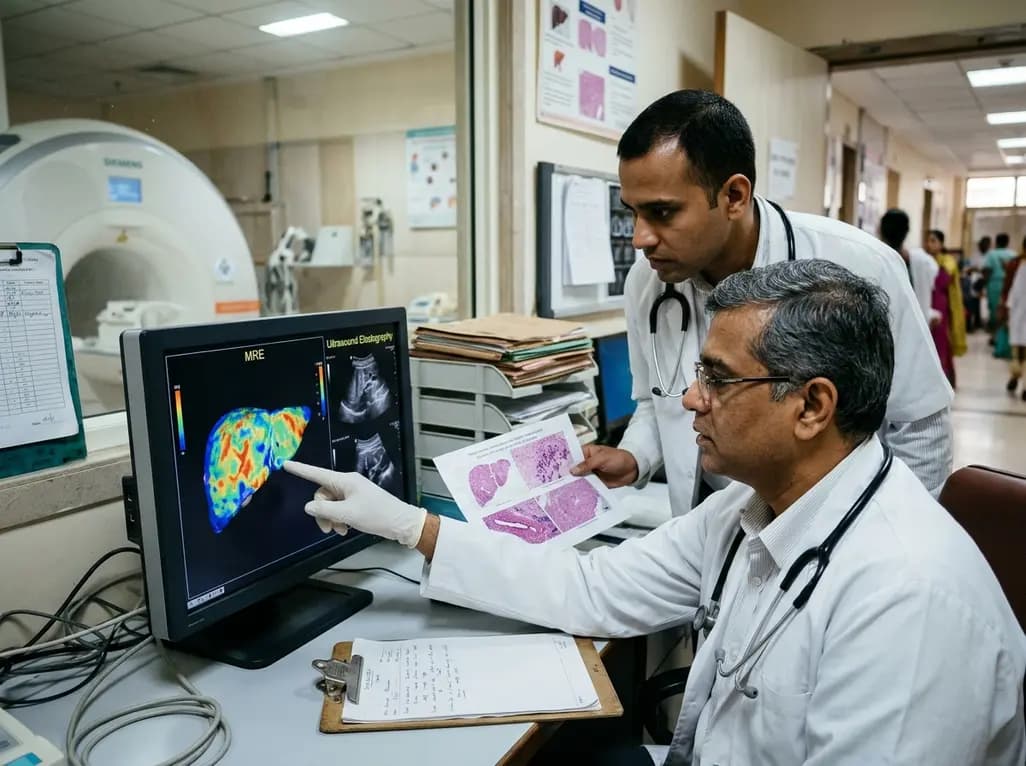
A comparative study reveals magnetic resonance elastography outperforms ultrasound elastography in assessing liver fibrosis in Fontan-associated liver disease, demonstrating stronger histological agreement and superior discrimination.
Today
A systematic review and meta-analysis highlights the substantial impact of plyometric jump training on jump performance, reactive strength, and landing kinematics in female team-sport athletes, providing evidence-based programming guidelines for sports medicine and orthopedics.
Today

A comprehensive review of the role of growth hormone in diabetic kidney disease and podocytopathy. Learn how elevated GH activates ZEB2, Notch, and TGF-beta1, driving podocyte loss and glomerulosclerosis, and explore novel targeted therapeutic approaches.
Today
