.webp&w=384&q=75)

Loading, please wait...
Loading, please wait...

Amitriptyline is widely used across India for depression and chronic pain management, but concerns regarding amitriptyline salivary gland injury are growing due to its common side effect of dry mouth. Therefore, understanding the biological mechanism behind this dysfunction is vital for clinicians. A recent study has now revealed that this condition involves more than just nerve signals; it includes actual tissue damage and oxidative stress.
Consequently, researchers investigated how chronic exposure to the drug affects the glandular environment. They found that the medication disrupts the natural balance of antioxidants. This disruption leads to significant structural changes that eventually impair the production and quality of saliva.
The research specifically highlights a redox imbalance within the glandular tissue. Moreover, the drug significantly reduces the Trolox-equivalent antioxidant capacity (TEAC). This reduction, coupled with increased lipid peroxidation, creates a hostile environment for glandular cells. Therefore, the tissue suffers from direct oxidative damage over time.
Additionally, morphometric analysis demonstrated physical remodeling of the glands. Both the parotid and submandibular glands showed an increase in the stromal area. In contrast, the ductal area decreased significantly. Furthermore, the submandibular glands experienced a reduction in the acinar area. These cells are responsible for secreting the fluid components of saliva, explaining the reduced flow rate.
Beyond structural damage, amitriptyline also alters the chemical makeup of saliva. The study noted a decrease in amylase activity, which is essential for initial digestion. Simultaneously, total protein concentration increased. These changes suggest that the glands are under stress and unable to maintain normal physiological output. Understanding these biochemical markers helps in identifying the severity of amitriptyline salivary gland injury in long-term users.
In conclusion, this study provides a comprehensive look at how tricyclic antidepressants affect oral health. Clinicians should monitor patients for signs of xerostomia. They might also consider strategies to mitigate oxidative stress in those requiring high doses of the medication.
Amitriptyline primarily causes dry mouth through its anticholinergic properties. However, new evidence suggests it also induces oxidative stress and direct tissue injury in the salivary glands, which further reduces saliva production.
While the study observed significant morphological changes, the extent of permanence in humans is still being studied. Therefore, early intervention and dose adjustment are often recommended to prevent long-term glandular dysfunction.
Clinicians can suggest saliva substitutes, recommend frequent hydration, and monitor for oral health issues like dental caries. Additionally, assessing the need for antioxidants may be a future area of interest for managing drug-induced injury.
Disclaimer: This content is for informational and educational purposes only. It does not constitute medical advice or establish a doctor-patient relationship. Always seek the advice of a qualified healthcare provider regarding any medical condition or treatment. Refer to the latest local and national guidelines for clinical practice.
References
Pereira CDS et al. From Redox Imbalance to Tissue Injury: Insights Into Antidepressant Drug Amitriptyline Effects on Salivary Glands. Cell Biochem Funct. 2026 Mar undefined. doi: 10.1002/cbf.70189. PMID: 41764397.
Elsharkawy GEZ, Alhazzazi TY. The Effect of the Commonly Used Antidepressant Drug Amitriptyline (TCAs) on the Salivary Glands. J Dent Oral Disord Ther. 2016;4(4):1-5.
Villa A et al. Xerostomia Induced by Psychiatric Medications: Prevalence, Impact, and Management. CNS Drugs. 2023;37(3):215-225.

Read summarized clinical updates, watch expert medical content, and earn CME certifications right from your smartphone.
Open your smartphone camera to scan and install.





New research explains how amitriptyline causes salivary gland dysfunction through oxidative stress, tissue remodeling, and altered saliva composition....
7 months ago

Explore vital recurrent stroke predictors in lacunar stroke patients managed with intensive blood pressure lowering. This analysis examines trial findings from SPS3 to uncover residual vascular risks, metabolic factors, and targeted secondary prevention strategies for high-risk neurological patients.
Today

Odisha has established India's first state-level clinical protocol specifically tailored for pregnant women with sickle cell disease. Developed with NHM and UNICEF, the framework provides structured antenatal screening, crisis mitigation, standardized referral pathways, and specialized interdisciplinary care.
Today

India is advancing preventive healthcare by integrating genomics, artificial intelligence, and quantum technologies. With the SANGAM programme sequencing one million Indian genomes, clinicians can unlock personalized therapies, detect cardiometabolic risks early, and curb the burden of diabetes and heart disease.
Today
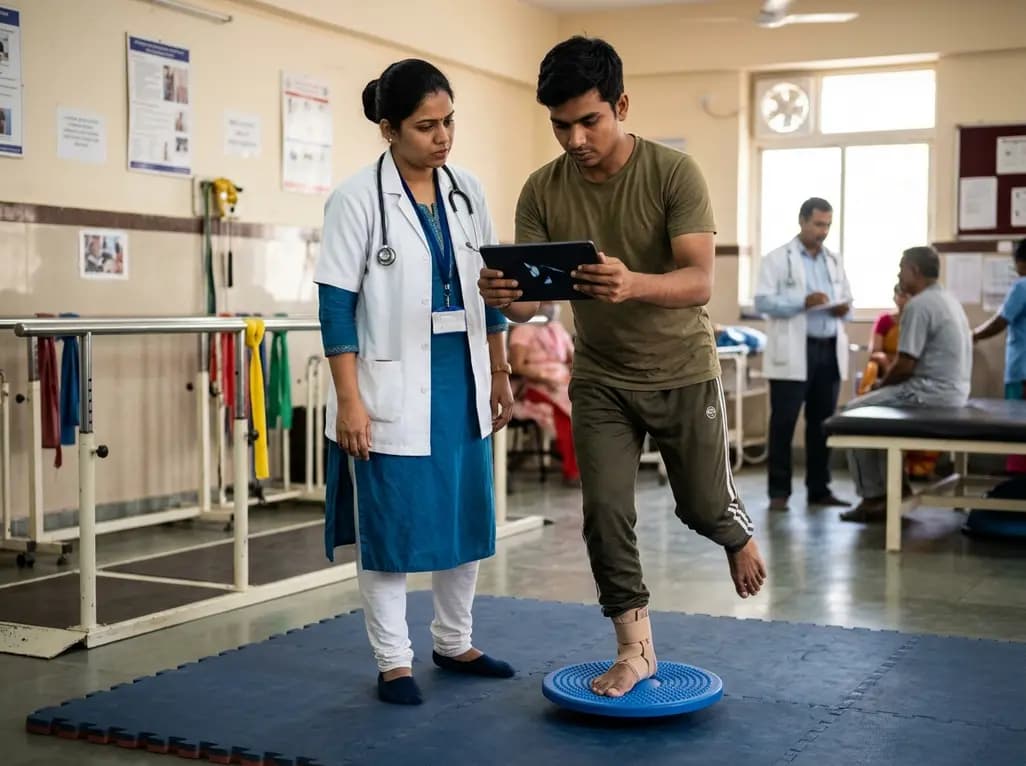
A randomized controlled trial demonstrates that an eight-week dual-task training intervention significantly improves static and dynamic postural control over standard balance exercises in individuals with chronic ankle instability, addressing critical neurocognitive deficits during athletic and daily activities.
Today

A retrospective cohort study of 7,716 ICU patients from the MIMIC-IV database demonstrates that Gradient Boosting Decision Trees significantly outperform traditional SOFA scores in predicting in-hospital mortality among patients with sepsis and diabetes, with SHAP analysis providing clinical interpretability.
Today
