

Loading, please wait...
Loading, please wait...

Chronic physiological strain reshapes systemic resilience, and investigators now recognize that allostatic load colorectal cancer interactions heavily influence long-term patient survival. Historically, clinicians evaluated post-diagnosis prognosis through tumor staging, molecular histology, and localized surgical margins. However, an individual's pre-existing physiological state dictates systemic tolerance to oncological stress and antineoplastic regimens. Allostatic load represents the cumulative wear and tear on organ systems resulting from chronic socioenvironmental stressors and persistent neuroendocrine activation. Consequently, quantifying this cumulative multi-system dysregulation before formal malignant transformation provides critical predictive insight into post-diagnosis survival trajectories and disease recovery.
To comprehend how pre-diagnostic physiological wear influences survival, clinicians must understand the biological foundations of allostasis. Under normal conditions, physiological systems maintain stability through dynamic adaptation in response to acute stressors. However, unrelenting physical, environmental, and socioeconomic pressures force neuroendocrine pathways into sustained hyperactivity. When glucocorticoid secretion and catecholamine release remain constantly elevated, physiological systems gradually incur subclinical structural and functional micro-injuries. Therefore, allostatic load captures systemic strain across cardiovascular, neuroendocrine, metabolic, and immune domains simultaneously. In the setting of colorectal malignancy, this pre-existing systemic exhaustion impairs the patient's capacity to withstand invasive surgical resection, cytotoxic chemotherapy, and cancer cachexia. Moreover, chronic stress-induced cellular senescence diminishes bone marrow reserve and hampers adaptive immune surveillance. Consequently, patients presenting with marked biological exhaustion enter cancer therapy at a distinct survival disadvantage. Clinicians increasingly appreciate that oncological outcomes depend not merely on tumor biology, but also on host resilience.
For decades, clinicians relied primarily on metabolic syndrome criteria to estimate cardiometabolic risk and systemic vulnerability in cancer cohorts. Although metabolic syndrome identifies hyperglycemia, dyslipidemia, hypertension, and visceral adiposity, it overlooks crucial neuroendocrine and inflammatory stress pathways. In contrast, allostatic load frameworks incorporate systemic immune markers, including high-sensitivity C-reactive protein, alongside traditional neuroendocrine and metabolic indices. Thus, researchers evaluated whether multi-system stress scoring provides superior prognostic value compared to traditional metabolic syndrome alone. The findings confirm that multi-organ assessments capture hidden vulnerabilities that standard metabolic criteria frequently miss. Furthermore, chronic immune activation and persistent cortisol dysregulation drive oncogenic microenvironments far beyond the scope of simple insulin resistance. Because allostatic load aggregates damage across intersecting organ axes, it quantifies total systemic vulnerability more comprehensively. As a result, stratifying oncological risk using multi-domain stress scores offers superior discrimination for all-cause and disease-specific mortality in prospective observational evaluations.
Recent epidemiological investigations from the Southern Community Cohort Study yield compelling evidence regarding pre-diagnostic biological exhaustion. Researchers specifically tracked participants who developed incident colorectal cancer following prospective enrollment, assessing baseline multi-system biomarkers years before clinical cancer onset. Notably, the cohort predominantly comprised marginalized populations who disproportionately encounter severe life-course stressors and socioeconomic challenges. The prospective survival analysis demonstrated that elevated pre-diagnostic allostatic load scores strongly correlated with increased hazard of all-cause mortality after diagnosis. Additionally, this adverse survival association persisted even after researchers adjusted for tumor stage, baseline lifestyle behaviors, and therapeutic interventions. In comparison, isolated metabolic syndrome criteria failed to exhibit an equally robust independent association with overall survival. Consequently, the study emphasizes that chronic stress-mediated biological damage precedes diagnosis and persistently undermines therapeutic response. These data provide empirical verification that physiological depletion acts as an enduring determinant of post-cancer longevity.
Multiple convergent biological pathways explain why heightened allostatic load reduces survival in colorectal cancer patients. First, chronic activation of the sympathetic nervous system stimulates beta-adrenergic signaling, which actively promotes tumor angiogenesis and epithelial-mesenchymal transition. Simultaneously, sustained hypercortisolemia induces glucocorticoid receptor resistance and depletes cytotoxic CD8+ T-cell activity, enabling malignant cells to evade host immune destruction. In addition, persistent low-grade systemic inflammation elevates pro-inflammatory cytokines, including interleukin-6 and tumor necrosis factor-alpha. These circulating cytokines accelerate systemic catabolism, disrupt liver metabolism, and precipitate severe skeletal muscle wasting. Because cancer cachexia dramatically reduces chemotherapy tolerance, physiologically depleted patients experience frequent dose reductions and treatment interruptions. Furthermore, subclinical cardiovascular stiffness and endothelial damage impair drug delivery and elevate post-operative complication rates following colectomy. Therefore, systemic wear compromises both tumor control and basic physiological tolerance during multimodal therapy.
These epidemiological findings highlight urgent opportunities for actionable clinical intervention across cancer care pathways. Currently, routine oncological workups focus heavily on genomic sequencing and radiological staging while neglecting cumulative host physiological reserve. However, calculating abbreviated allostatic load metrics using standard electronic medical record laboratory values could rapidly identify high-risk individuals before initiating aggressive cancer therapy. Furthermore, targeted prehabilitation protocols can directly counteract chronic physiological wear. Multidisciplinary interventions combining structured aerobic exercise, medical nutrition therapy, and psychosocial stress mitigation enhance autonomic balance and downregulate systemic inflammatory cytokines. In addition, prompt management of borderline hypertension and subclinical metabolic dysfunction stabilizes organ resilience prior to elective surgical resection. By addressing chronic biological stress holistically, oncologists and multidisciplinary care teams can optimize physiological fitness, minimize post-operative complications, and ultimately improve survival outcomes for vulnerable cancer populations.
Clinicians and epidemiologists calculate allostatic load by integrating biomarkers across several physiological systems. These typically include cardiovascular measures like systolic and diastolic blood pressure, metabolic parameters such as glycosylated hemoglobin, fasting glucose, and lipid ratios, and inflammatory markers including high-sensitivity C-reactive protein. In addition, certain models incorporate neuroendocrine indicators such as urinary cortisol and catecholamines. Combining these distinct parameters reveals cumulative multi-organ strain and biological vulnerability.
Metabolic syndrome evaluates specific metabolic and cardiovascular derangements, primarily focusing on central obesity, elevated triglycerides, reduced high-density lipoprotein, hypertension, and impaired fasting glucose. In contrast, allostatic load provides a wider physiological assessment by incorporating neuroendocrine mediators, chronic inflammatory cascades, and immune exhaustion alongside metabolic dysregulation. Consequently, allostatic load captures the holistic physiological impact of sustained socioenvironmental stressors far more comprehensively than metabolic criteria alone.
Clinical evidence demonstrates that comprehensive supportive interventions significantly alleviate cumulative physiological strain. Structured prehabilitation programs combining moderate aerobic exercise, targeted nutritional support, and evidence-based stress-reduction practices like cognitive behavioral therapy attenuate sympathetic overdrive and lower systemic inflammatory markers. Consequently, mitigating chronic physiological stress enhances chemotherapy tolerance, reduces post-operative complications, and supports immune surveillance, which collectively improve overall survival and clinical recovery in colorectal cancer patients.
Disclaimer: This content is for informational and educational purposes only and should not be considered medical advice. Always consult a qualified healthcare professional regarding any medical condition or treatment. Refer to the latest local and national guidelines for clinical practice.
References

Read summarized clinical updates, watch expert medical content, and earn CME certifications right from your smartphone.
Open your smartphone camera to scan and install.





Emerging evidence shows that pre-diagnostic allostatic load significantly increases mortality risk after incident colorectal cancer diagnosis, outperforming metabolic syndrome alone by integrating cardiovascular, metabolic, and neuroendocrine stress pathways.
Today

A large cohort study demonstrates that fetal growth restriction in a first pregnancy raises maternal cardiovascular risk within five years postpartum, including elevated rates of heart failure, stroke, and myocardial infarction. Clinicians must initiate proactive postpartum screening and cardiovascular prevention.
Today

Cardiovascular surgery is transforming rapidly across India as tertiary hospitals embrace robotic assistance and AI-driven planning. Delhi-NCR now spearheads this shift, demonstrating higher procedural volumes, lower tissue trauma, and accelerated patient recovery compared to conventional sternotomy approaches.
Today

A paired cadaveric study compared triple and quintuple percutaneous Achilles tendon lengthening. While quintuple hemisection showed numerically greater elongation, differences were not statistically significant.
Yesterday
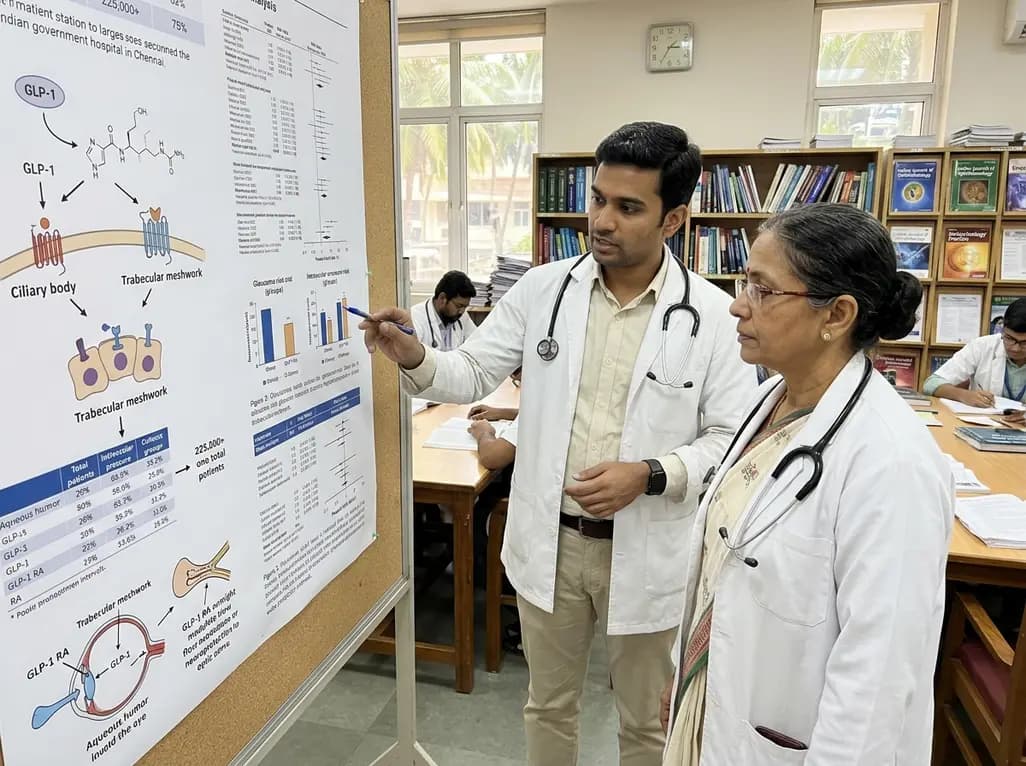
A systematic review and meta-analysis of over 225,000 patients explores whether GLP-1 receptor agonists reduce the risk of glaucoma and ocular hypertension. While pooled data show a 31% lower risk, low certainty and wide prediction intervals urge cautious optimism and further randomized trial evaluation.
Today
