

Loading, please wait...
Loading, please wait...
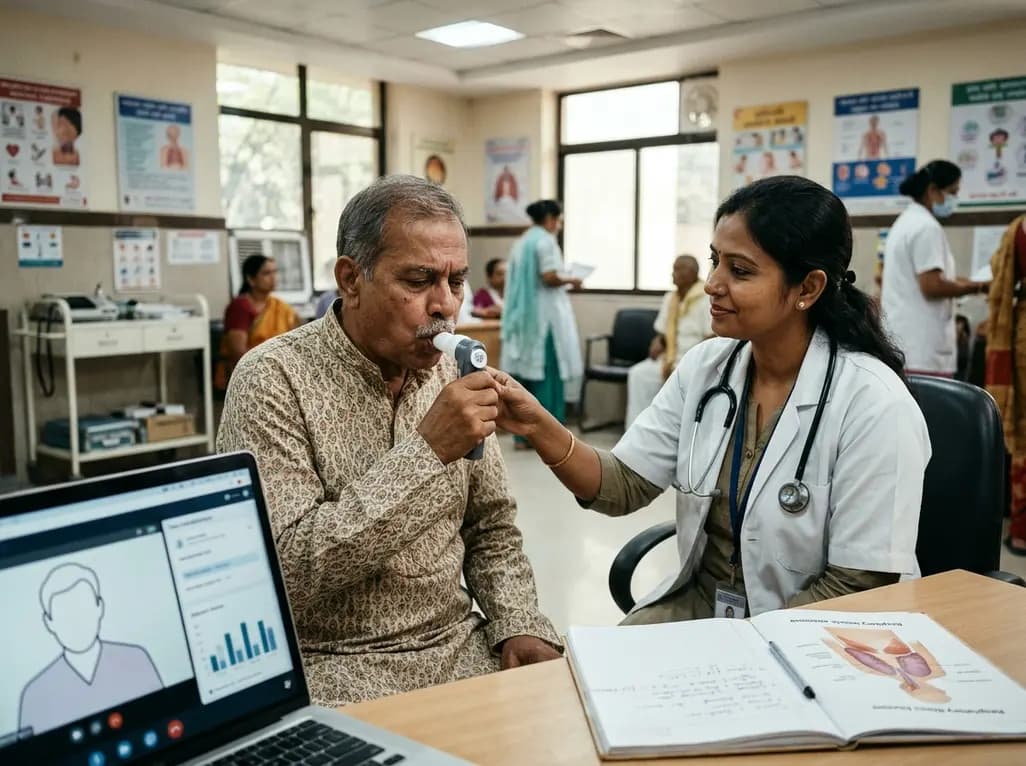
Disorders of airway protection in Parkinson's disease represent major sources of functional decline and mortality. Clinicians frequently encounter pulmonary complications such as aspiration pneumonia in this population. Therefore, implementing targeted respiratory and bulbar therapies early remains essential. A combined rehabilitation paradigm offers an evidence-based roadmap to safeguard airway integrity and enhance patient outcomes.
Neurodegenerative progression in Parkinson's disease disrupts both sensory perception and motor execution within the upper aerodigestive tract. Consequently, patients frequently develop concurrent dysphagia and dystussia, which together compromise vital respiratory defense mechanisms. Dysphagia delays the pharyngeal swallow and diminishes hyolaryngeal excursion, allowing material to enter the laryngeal vestibule. Simultaneously, dystussia weakens voluntary and reflexive cough, preventing effective clearance of penetrated or aspirated material. Clinical teams in outpatient neurology and geriatric settings routinely witness how this dual impairment accelerates pulmonary infection risk. Moreover, blunted laryngopharyngeal sensation prevents individuals from perceiving silent aspiration. As a result, standard compensatory strategies like chin-tuck postures or diet modification often fail to provide lasting defense. Patients require active rehabilitative therapies that restore neuromuscular drive. Furthermore, neuroplastic training paradigms can successfully remodel brainstem respiratory networks and cortical sensorimotor circuits. Understanding these combined sensorimotor deficits allows clinicians to prescribe targeted therapies before irreversible pulmonary morbidity develops. Clinicians must therefore identify airway protective deficits early through formal screening and instrumental assessments.
Expiratory Muscle Strength Training, commonly known as EMST, provides a high-load, low-repetition resistance paradigm for expiratory muscles. The therapy utilizes a calibrated, pressure-threshold device that forces the user to generate sufficient expiratory pressure to open a spring-loaded valve. Therefore, patients engage their abdominal wall, internal intercostals, and submental suprahyoid muscles during each repetition. Research confirms that EMST significantly increases maximal expiratory pressure and strengthens hyolaryngeal elevation during swallowing. Additionally, this increased submental activation improves upper esophageal sphincter opening, which facilitates cleaner bolus clearance and diminishes pharyngeal residue. However, clinicians must calibrate device resistance precisely to seventy to seventy-five percent of the patient's individual maximal expiratory capacity. Clinicians reassess this threshold weekly to maintain progressive mechanical overload. Furthermore, regular EMST practice fosters neural adaptation by enhancing motor unit recruitment across corticobulbar pathways. Patients typically complete five sets of five breaths daily for five days every week over four weeks. Consequently, this rigorous resistive challenge directly reinforces the muscular foundation required for both robust swallowing and forceful explosive expiration.
While strength training builds foundational motor capacity, cough skill training focuses specifically on task-specific coordination and sensorimotor timing. Effective airway clearance requires an individual to compress thoracic volume rapidly and open the glottis abruptly. However, Parkinson's disease often impairs peak expiratory flow rate and cough acceleration, rendering reflex coughing weak and ineffective. Cough skill training addresses this limitation through targeted behavioral biofeedback and systematic cueing. Specifically, clinicians guide patients to take deep inspiratory breaths, hold glottic closure momentarily, and then execute high-velocity coughs. Visual biofeedback displays airflow velocities in real time, which helps patients self-monitor their cough performance. Moreover, this sensorimotor skill approach trains patients to perceive small degrees of laryngeal penetration and trigger defensive coughing immediately. Consequently, individuals regain the ability to clear aspirate before it enters the tracheobronchial tree. In addition, practitioners teach sequential coughing strategies that dislodge persistent airway debris efficiently. Clinicians gradually withdraw visual cues to consolidate long-term motor learning. Thus, pairing skill refinement with muscular strengthening produces synergistic gains in airway protection.
Translating clinical trial protocols into routine neurorehabilitation practice often fails due to incomplete reporting of therapy components. To resolve this challenge, the Template for Intervention Description and Replication framework provides an exhaustive blueprint for the combined protocol. Clinicians structure the intervention over several consecutive weeks, integrating threshold EMST exercises with structured voluntary cough training. During each clinician-led session, therapists monitor participant technique, enforce appropriate rest intervals, and verify valve resistance accuracy. Furthermore, therapists assign structured home practice routines, tracking daily adherence via logbooks or digital monitoring tools. Clinicians must adjust resistance levels dynamically as patients demonstrate increased expiratory force. In addition, fidelity checklists ensure standardized delivery across varied treatment environments, preventing protocol drift. When therapists implement strict fidelity checks, patients achieve superior behavioral compliance and faster motor skill acquisition. Clinicians can also modify task difficulty depending on cognitive status or fatigue levels. Ultimately, standardizing materials, dosage, and delivery criteria bridges the translational gap between controlled academic trials and everyday neurorehabilitation.
Achieving sustainable airway protection in Parkinson's requires flexible healthcare delivery models that overcome geographic and mobility barriers. Many individuals with advanced Parkinson's disease struggle to attend frequent in-person outpatient appointments due to motor fluctuations, postural instability, and fatigue. Therefore, hybrid care models and secure telehealth platforms represent essential tools for expanding rehabilitative reach. Clinicians can supervise device calibration and observe cough maneuvers effectively using videoconferencing software. Furthermore, digital biofeedback interfaces enable clinicians to review objective home practice records remotely. Comparative clinical trial data indicate that telehealth delivery achieves clinical outcomes non-inferior to traditional hospital visits. In addition, treating individuals within their home environment facilitates real-world translation during daily mealtime activities. Caregivers can actively participate during virtual consultations, reinforcing proper technique between therapy sessions. Thus, telerehabilitation improves therapy adherence while markedly decreasing caregiver and patient burden. Multidisciplinary healthcare teams must champion hybrid rehabilitative access, ensuring that vulnerable patients receive high-quality airway defense training regardless of their residential location.
Clinicians assess baseline expiratory muscle strength by measuring maximal expiratory pressure using a calibrated digital or mechanical pressure manometer. The patient seals their lips tightly around a flanged mouthpiece, inhales completely to total lung capacity, and forcefully exhales against an occluded airway with a tiny leak orifice. Clinicians record the highest value achieved across multiple consecutive trials to determine device resistance settings and monitor ongoing longitudinal rehabilitation progress accurately.
Yes, patients can safely complete this combined protocol at home once trained by a qualified clinician. Initial sessions require direct supervision to ensure correct posture, secure lip seal, and appropriate expiratory technique. Clinicians screen for contraindications such as untreated hypertension, abdominal hernias, or recent ocular surgery before initiation. Regular remote check-ins or hybrid monitoring ensure patients adhere strictly to safety guidelines and maintain appropriate resistance settings throughout training.
Patients typically demonstrate measurable improvements in maximal expiratory pressure and cough acceleration within two to four weeks of consistent training. Swallowing kinematics, including superior hyolaryngeal displacement and reduced pharyngeal residue, often show significant enhancement by the completion of a four-week cycle. However, maintaining these neuroplastic gains requires ongoing maintenance therapy, because Parkinson's disease is a neurodegenerative condition that inevitably causes progressive bulbar and respiratory muscle decline over time.
Disclaimer: This content is for informational and educational purposes only and should not be taken as professional medical advice. Always consult a qualified healthcare provider for diagnosis and treatment decisions. Refer to the latest local and national guidelines for clinical practice.
References

Read summarized clinical updates, watch expert medical content, and earn CME certifications right from your smartphone.
Open your smartphone camera to scan and install.





A tutorial outlines a combined expiratory muscle strength training and cough skill training protocol to treat dysphagia and dystussia in Parkinson's disease, utilizing the TIDieR framework to support in-person and telehealth rehabilitation.
Today

A randomized comparative trial demonstrates that synchronous EHR DOAC prescribing alerts significantly decrease inappropriate anticoagulation orders across health systems. While pharmacist referral links did not alter immediate prescriber responses, point-of-care alerts achieved immediate, sustained prescribing safety.
Today

A large cohort study demonstrates that fetal growth restriction in a first pregnancy raises maternal cardiovascular risk within five years postpartum, including elevated rates of heart failure, stroke, and myocardial infarction. Clinicians must initiate proactive postpartum screening and cardiovascular prevention.
Yesterday
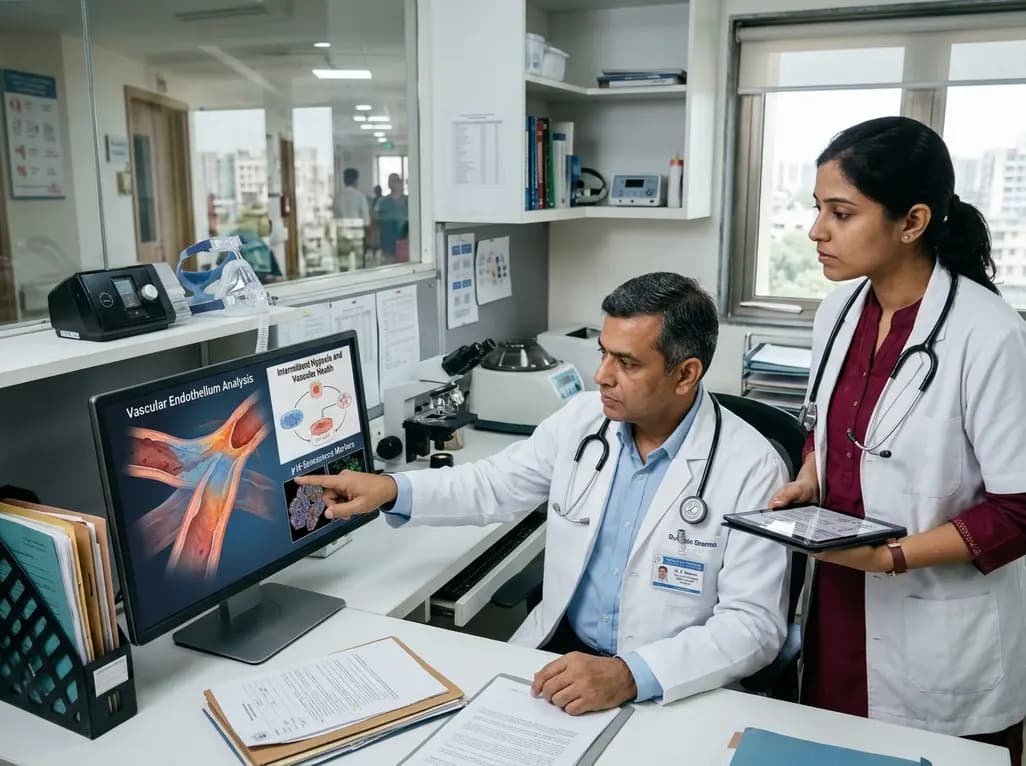
A landmark study reveals that intermittent hypoxia drives vascular dysfunction via tissue-specific epigenetic aging and p16-mediated cellular senescence, highlighting novel senolytic targets for sleep apnea.
Today

A paired cadaveric study compared triple and quintuple percutaneous Achilles tendon lengthening. While quintuple hemisection showed numerically greater elongation, differences were not statistically significant.
Yesterday
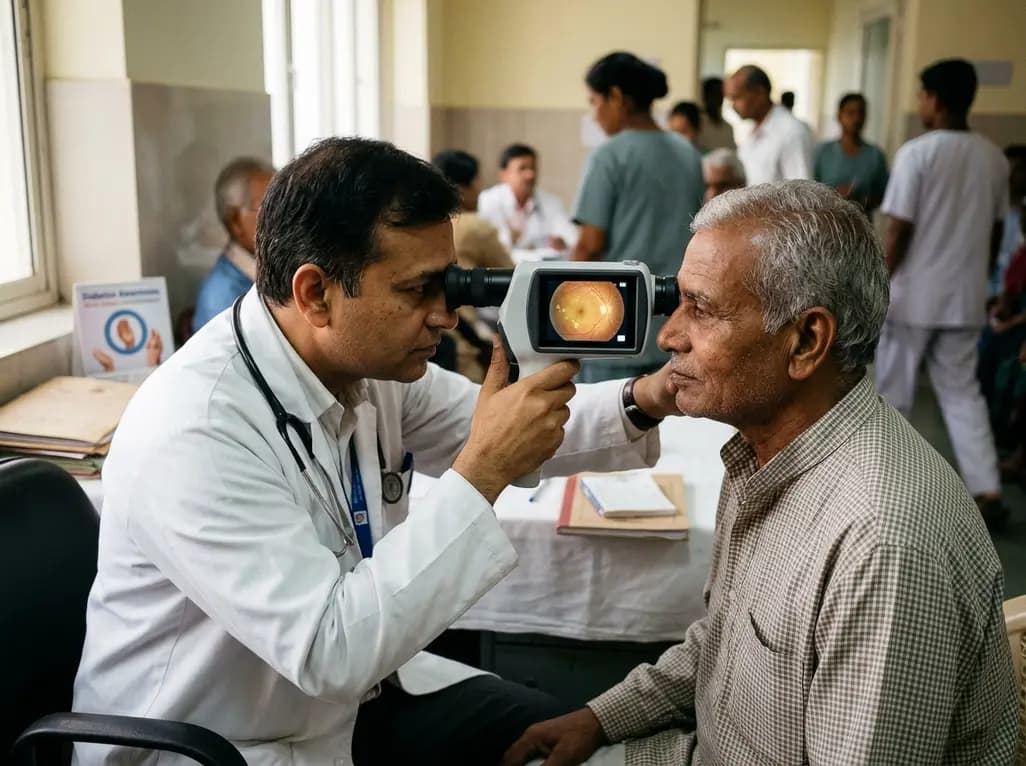
Diabetic retinopathy remains a leading cause of preventable visual impairment. This review outlines key strategies for screening, systemic risk factor control, advanced diagnostic imaging, and timely specialist referrals within primary and multidisciplinary care models.
Today
