.webp&w=384&q=75)

Loading, please wait...
Loading, please wait...

The Commission for Air Quality Management (CAQM) recently issued a new air pollution control strategy for Delhi-NCR. This framework institutionalizes public engagement as a core pillar of environmental health. Consequently, the directive shifts the focus from seasonal firefighting toward year-round behavioral change. Healthcare providers should note these shifts because particulate matter poses a severe risk to patient outcomes. These pollutants trigger chronic inflammation and exacerbate underlying respiratory conditions.
The CAQM framework directs NCR states to launch targeted Information, Education, and Communication (IEC) campaigns. Furthermore, these efforts focus on region-specific pollution sources like vehicular emissions and construction dust. The Commission also recommends engaging with Resident Welfare Associations and transport unions to ensure impact. Additionally, states must designate nodal agencies to coordinate these outreach activities effectively. Therefore, local authorities will move away from episodic alerts to ensure continuous public vigilance.
In a significant update, the Supreme Court recently directed authorities to operationalize these mandates immediately. Chief Justice Surya Kant also emphasized the need to move coal-based industries out of the region. Meanwhile, stakeholders must provide suggestions to improve alternative fuel sources. These regulatory actions aim to mitigate the cumulative impact of poor air quality on urban populations. Consequently, consistent monitoring and awareness remain vital for reducing the regional disease burden.
Q1: What are the primary targets of the new IEC campaigns?
The campaigns focus on specific pollution sources, including vehicular emissions, construction dust, biomass burning, and industrial pollutants.
Q2: How does the framework differ from previous measures?
Unlike previous reactive models, this framework shifts to a year-round approach. It emphasizes behavioral change and sustained public participation through multi-channel media.
Disclaimer: This content is for informational and educational purposes only. It does not constitute medical advice or replace professional judgment. Refer to the latest local and national guidelines for clinical practice.
References

Read summarized clinical updates, watch expert medical content, and earn CME certifications right from your smartphone.
Open your smartphone camera to scan and install.





CAQM has issued a new IEC framework for NCR states to institutionalize year-round awareness as a core pillar of the region's air pollution control strategy....
7 months ago
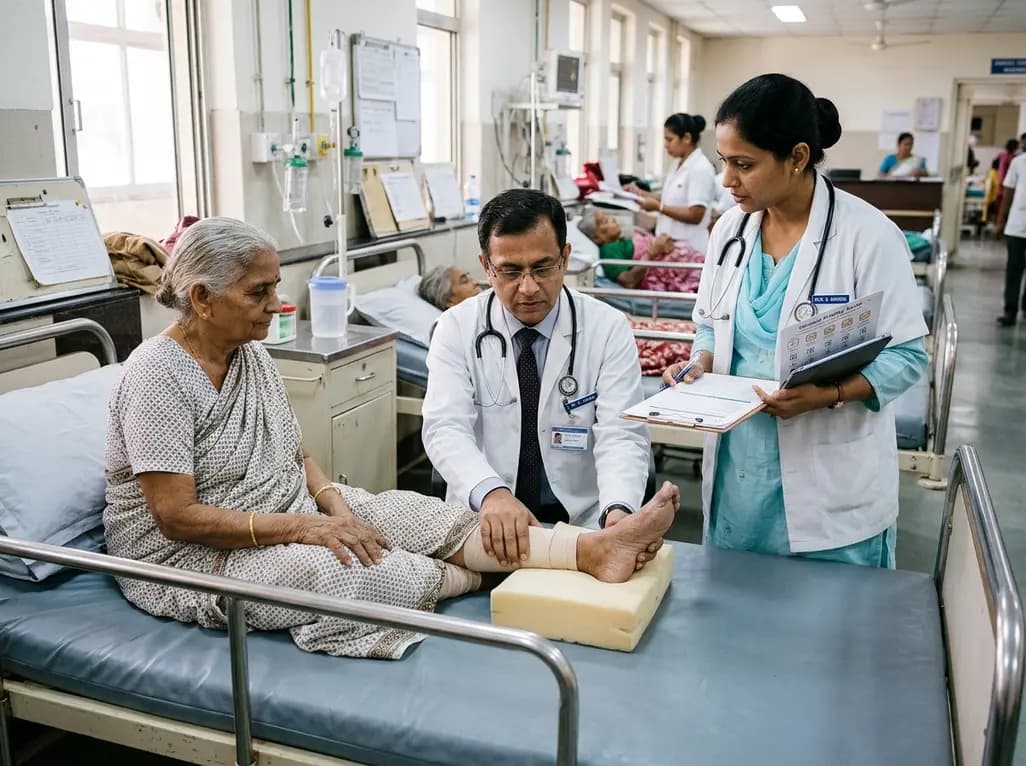
A retrospective cohort study reveals that frailty quadruples the odds of pressure injuries in hospitalized older adults. Integrating the Clinical Frailty Scale with comprehensive geriatric care is crucial for identifying vulnerability early and implementing targeted multidisciplinary prevention.
Today
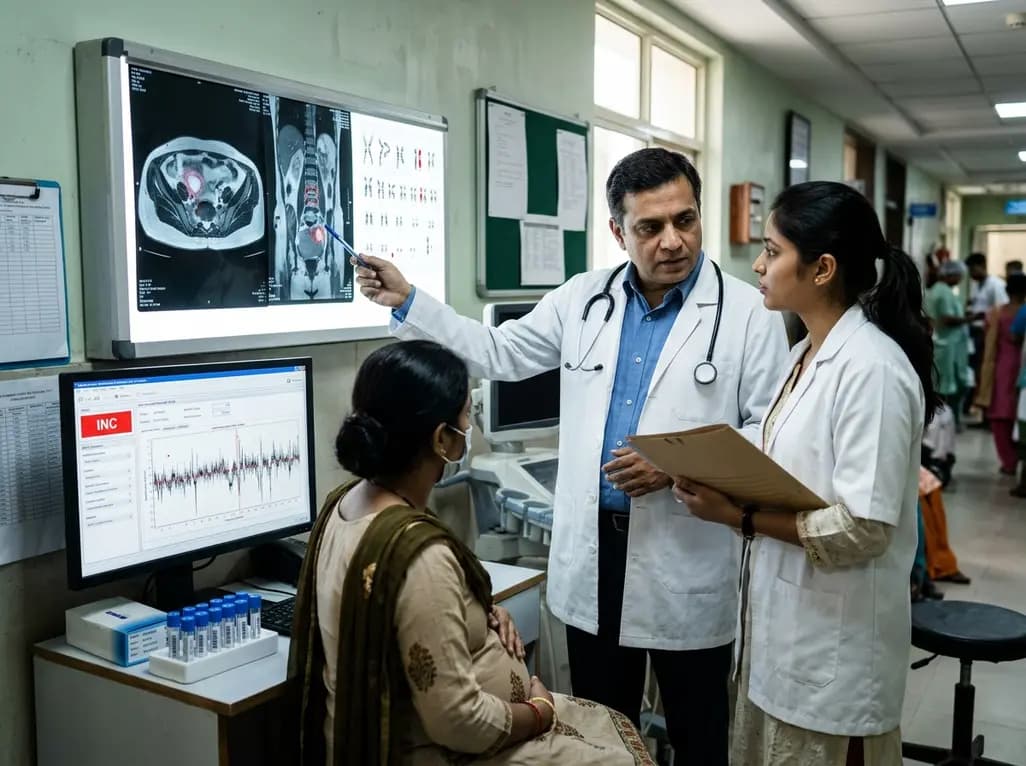
Occult maternal malignancy accounts for 3.82% of persistent unreportable NIPT results with genomic noise. Multiple chromosomal aberrations, notably on chromosome 18, warrant thorough oncological evaluation and whole-body MRI to ensure timely maternal diagnosis while preserving fetal care.
Today

This article reviews the forensic and clinical complexities of acute myocarditis arising on left ventricular hypertrophy in children, highlighting early diagnostic red flags and multidisciplinary postmortem autopsy protocols.
Today
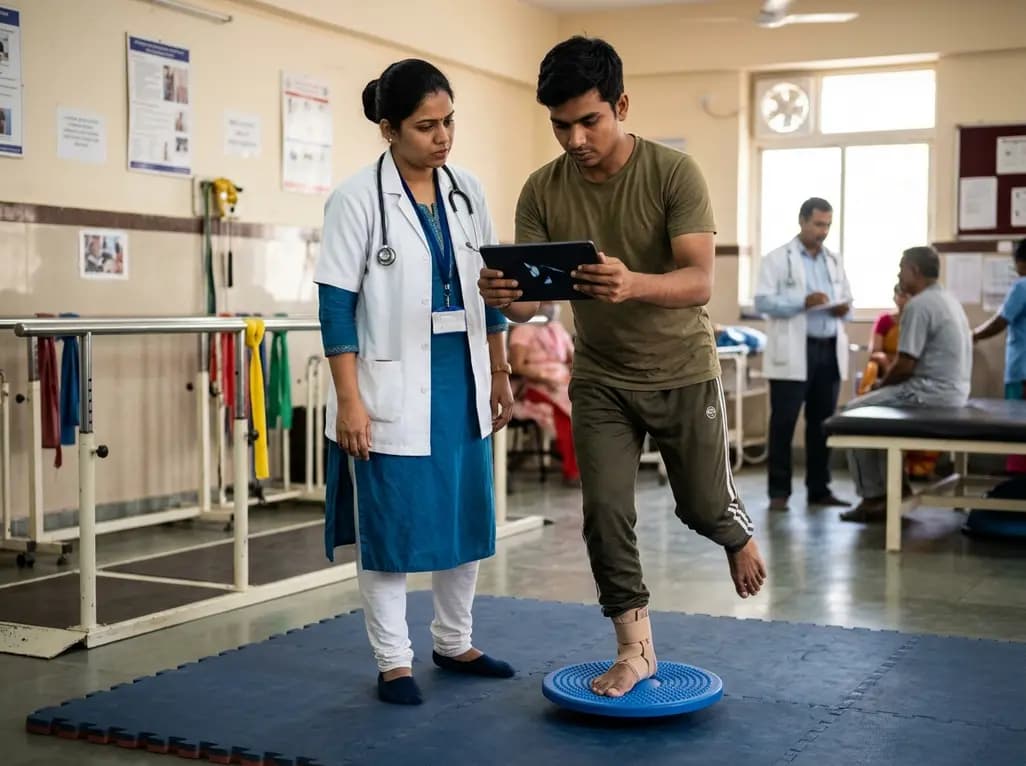
A randomized controlled trial demonstrates that an eight-week dual-task training intervention significantly improves static and dynamic postural control over standard balance exercises in individuals with chronic ankle instability, addressing critical neurocognitive deficits during athletic and daily activities.
Today

A retrospective cohort study of 7,716 ICU patients from the MIMIC-IV database demonstrates that Gradient Boosting Decision Trees significantly outperform traditional SOFA scores in predicting in-hospital mortality among patients with sepsis and diabetes, with SHAP analysis providing clinical interpretability.
Today
