

Loading, please wait...
Loading, please wait...
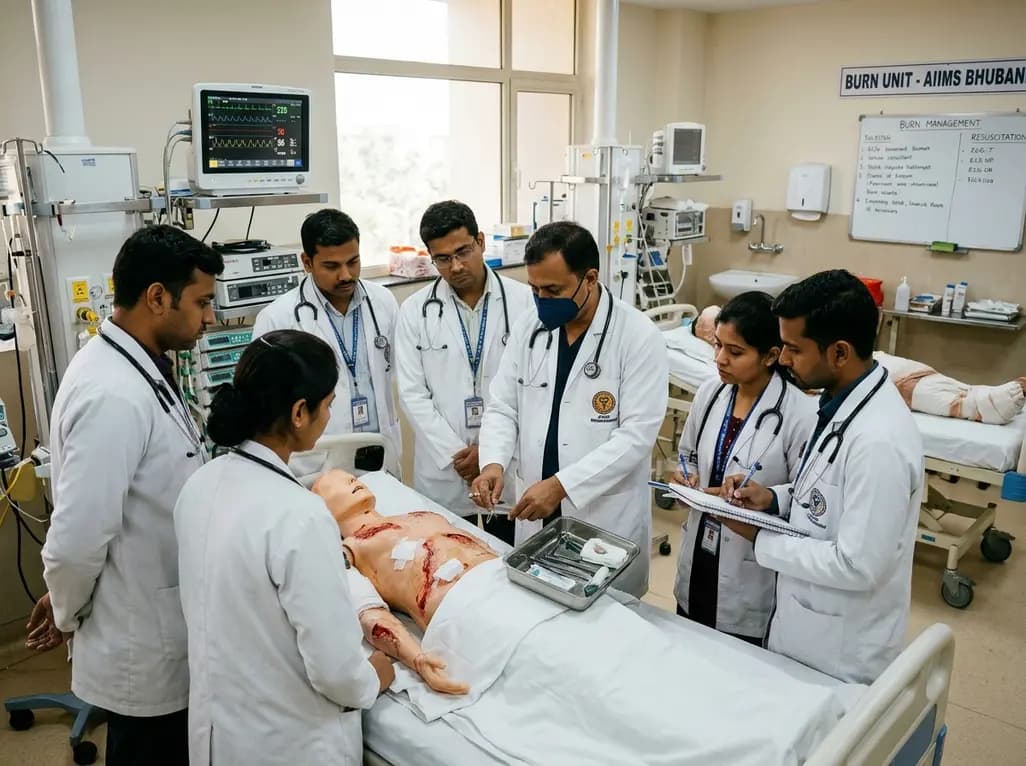
Specialized trauma care represents an urgent priority across India. Recently, the Union Health Ministry designated AIIMS Bhubaneswar as a national training hub, strengthening burn injury management nationwide. Consequently, medical teams will acquire vital clinical competencies.
The Department of Burns and Plastic Surgery at AIIMS Bhubaneswar has achieved a remarkable national milestone. Specifically, the institute now serves as India's third designated national training centre under central oversight. This recognition honors a decade of sustained clinical excellence and specialized surgical care. Furthermore, the burn department is currently celebrating its tenth institutional anniversary. Over the past decade, faculty and clinicians have treated more than 1,500 acute burn patients. In addition, the centre consistently delivers exceptional clinical outcomes for electrical injuries and catastrophic scalds. Executive Director Ashutosh Biswas emphasized the institute's commitment to national capacity building. Similarly, department head Sanjay Kumar Giri highlighted the critical value of structured training modules. Therefore, this strategic initiative aims to train nominated physicians and nurses from various states. Clinicians will learn standardized triage methods, fluid resuscitation protocols, and sterile wound care procedures. Consequently, medical teams across district hospitals will handle acute thermal trauma with greater confidence and precision. Moreover, participants will gain direct exposure to sophisticated intensive burn care units. By disseminating evidence-based clinical practices, AIIMS Bhubaneswar actively elevates emergency preparedness throughout Eastern India.
Thermal injuries impose an immense clinical and financial burden on vulnerable populations across India. To address this crisis, the central government created the NPPMT&BI umbrella scheme. This ambitious programme establishes a resilient continuum between pre-hospital triage, tertiary interventions, and long-term rehabilitation. Under this visionary framework, the Union Health Ministry has sanctioned 196 trauma care facilities nationwide. In addition, authorities have funded 47 dedicated burn units to expand specialized emergency access. However, modern medical hardware alone cannot preserve lives without adequately trained human talent. Therefore, national training centres play an irreplaceable role in modernizing clinical skills. State administrations will systematically nominate medical officers and critical care nurses for intensive training courses. AIIMS Bhubaneswar will also provide comprehensive National Emergency Life Support education alongside specialized burn modules. Moreover, instructors will emphasize accurate burn surface estimation and timely initial transfer techniques. As a result, peripheral healthcare centers will stabilize severely injured victims before systemic complications develop. Ultimately, this nationwide educational integration bridges critical gaps between rural dispensaries and apex medical institutes. Consequently, patient handoffs between referring hospitals and definitive burn centers proceed smoothly and efficiently.
The initial twenty-four hours following severe thermal exposure dictate long-term patient survival. Massive capillary leakage quickly precipitates devastating hypovolemic burn shock without meticulous intravenous resuscitation. Therefore, trainees at AIIMS Bhubaneswar study precise hemodynamic formulas, particularly the consensus Parkland and modified Brooke algorithms. Furthermore, clinicians learn that clinical titration takes priority over rigid mathematical fluid formulas. Instructors teach doctors to adjust balanced crystalloid infusions against strict hourly urine output targets. Consequently, vigilant fluid titration effectively prevents both under-resuscitation ischemia and abdominal compartment syndrome. In addition, specialized educators train participants to identify acute inhalation injuries during early primary surveys. Smoke inhalation and supraglottic thermal edema require prompt endotracheal intubation before complete airway obstruction occurs. Similarly, critical care faculty demonstrate advanced invasive hemodynamic monitoring and blood gas interpretation. Trainees also analyze metabolic stress responses, stress ulcer prophylaxis, and early enteral nutrition strategies. Thus, early nutritional therapy helps mitigate severe muscle catabolism and strengthens vital mucosal barriers. By mastering these intensive critical care foundations, clinicians can drastically reduce early multi-organ failure rates. Furthermore, intensive physiological stabilization ensures high surgical readiness for urgent operative procedures.
Timely operative intervention serves as the ultimate cornerstone of definitive surgical burn care. Necrotic eschar harbors lethal bacteria and drives persistent systemic inflammatory response syndrome. Therefore, early tangential excision of nonviable dermis dramatically decreases patient septic morbidity. AIIMS Bhubaneswar provides surgeons with hands-on training in delicate hydrosurgical and tangential debridement tools. Additionally, surgical trainees master split-thickness skin harvesting and sheet grafting over critical anatomical areas. For extensive total body surface area burns, faculty demonstrate innovative meshed skin expansion protocols. Moreover, surgeons explore modern biological dressings, xenografts, and bioengineered dermal replacement matrices. These advanced biomaterials optimize the wound bed and promote rapid cellular re-epithelialization. Meanwhile, specialized faculty demonstrate crucial emergency bedside techniques, such as chest and extremity escharotomies. Prompt surgical decompression immediately restores compromised peripheral perfusion and maintains vital thoracic compliance. Furthermore, the curriculum covers late reconstructive plastic surgery for severe post-burn contractures. Surgeons learn local tissue rearrangement, z-plasties, and microvascular free tissue transfers for complex defects. Consequently, trainees gain the comprehensive technical competence necessary to reconstruct challenging head, neck, and joint injuries. Thus, surgeons restore essential function and optimize cosmetic recovery.
Comprehensive recovery after devastating burn trauma requires far more than physical skin closure alone. Indeed, long-term functional recovery demands an integrated, multidisciplinary rehabilitation philosophy. Physiotherapists and occupational therapists begin aggressive joint positioning and passive range-of-motion routines immediately upon admission. Thus, proactive physical therapy prevents debilitating joint ankylosis and persistent flexion contractures. Furthermore, clinicians prescribe customized pressure garments to control hypertrophic scar formation during tissue maturation. Silicone gel sheeting and targeted intralesional therapies also help optimize final aesthetic and functional outcomes. However, catastrophic burn injuries inevitably inflict profound psychological trauma alongside severe physical disfigurement. Consequently, clinical psychologists deliver early counseling to address acute post-traumatic stress and depressive disorders. In addition, dedicated social workers assist families with community reintegration and vocational rehabilitation planning. AIIMS Bhubaneswar incorporates this holistic perspective directly into every national training module. As a result, visiting practitioners learn to treat the whole patient rather than isolated wounds. Ultimately, establishing standardized multidisciplinary pathways across India will help burn survivors reclaim their dignity, independence, and social productivity. Therefore, comprehensive holistic aftercare restores vital physical function and long-term psychological self-worth.
Q1: What is the primary objective of establishing national burn training centres under the NPPMT&BI?
The main goal is standardizing acute burn resuscitation, surgical debridement, and rehabilitation across India. Under this central programme, apex institutes like AIIMS Bhubaneswar train state-nominated doctors and nurses. Consequently, healthcare professionals master evidence-based trauma care and emergency protocols. Furthermore, this curriculum strengthens peripheral trauma units and reduces catastrophic referral delays. In addition, standardized protocols prevent life-threatening sepsis and improve survival rates nationwide.
Q2: Why is the Parkland formula considered a baseline rather than a rigid prescription during burn resuscitation?
The Parkland formula estimates initial fluid volume during the first twenty-four hours after thermal injury. However, individual patient physiology and inhalation trauma can alter fluid requirements substantially. Therefore, clinicians must constantly titrate intravenous crystalloids against objective endpoints like hourly urinary output. Over-resuscitation can trigger deadly pulmonary or abdominal compartment syndromes. Conversely, under-resuscitation produces severe renal ischemia. Thus, vigilant clinical monitoring remains far more critical than adhering to rigid mathematical formulas.
Q3: How does early surgical excision improve clinical outcomes in deep thermal burns?
Early tangential excision removes avascular, necrotic eschar before invasive bacterial colonization triggers systemic sepsis. Furthermore, early surgical debridement dampens overwhelming systemic inflammatory responses and reduces burn hypermetabolism. Surgeons then immediately cover the exposed wound bed with autologous skin grafts or dermal substitutes. Consequently, patients experience accelerated wound healing, lower transfusion requirements, and shortened hospital stays. Ultimately, timely surgical intervention preserves vital joint mobility and significantly minimizes severe hypertrophic scar contractures.
Disclaimer: This content is for informational and educational purposes only. It does not constitute medical advice or replace professional judgment. Refer to the latest local and national guidelines for clinical practice.
References

Read summarized clinical updates, watch expert medical content, and earn CME certifications right from your smartphone.
Open your smartphone camera to scan and install.





The Union Health Ministry has designated AIIMS Bhubaneswar as a national training centre for burn injury management under the NPPMT&BI programme. This initiative equips clinicians with advanced skills in resuscitation, surgical reconstructive care, and multi-organ burn trauma management nationwide.
Today
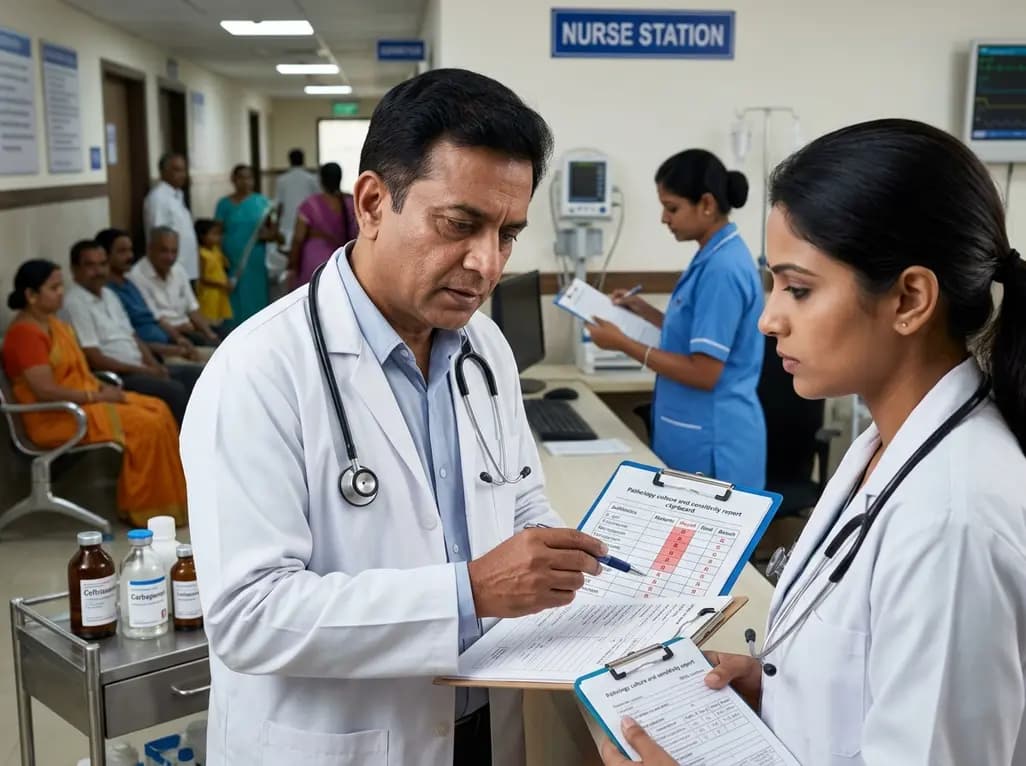
The latest surveillance report from the Indian Council of Medical Research exposes a steep nationwide decline in bacterial susceptibility. Common pathogens like E. coli and Klebsiella pneumoniae demonstrate critical resistance to cephalosporins and carbapenems, urging clinicians to rethink empirical antimicrobial therapy.
Today
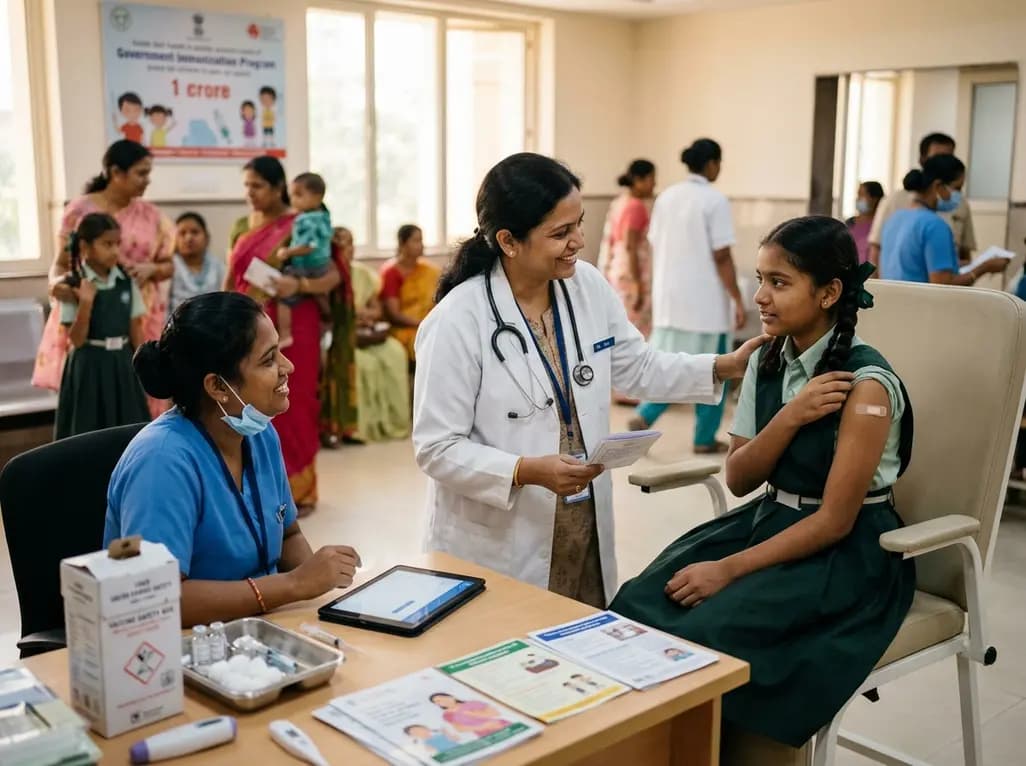
Under India's nationwide immunization drive, healthcare teams have vaccinated more than one crore 14-year-old girls within nine months. This comprehensive analysis evaluates state achievements, digital tracking via the U-WIN platform, clinical safety monitoring, and practical counselling strategies for practitioners.
Today

A large network analysis of middle-aged and older adults reveals distinct sex-specific dependency pathways between lifestyle factors and cardiometabolic diseases. Physical activity, smoking, and alcohol exhibit divergent bridging roles in men and women, underscoring the need for tailored clinical prevention.
Today
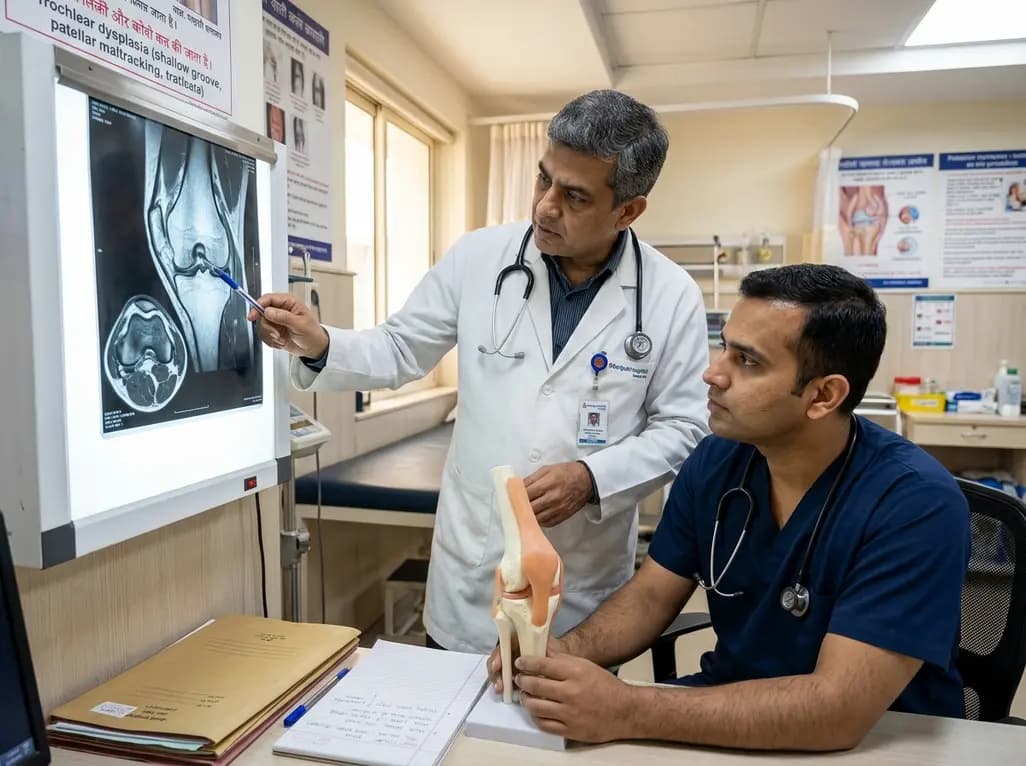
A landmark study reveals that patellofemoral cartilage defects in patients with trochlear dysplasia are primarily driven by patellar maltracking and spur height rather than dislocation frequency or shape mismatch, offering crucial insights for preoperative imaging and surgical stabilization.
Today
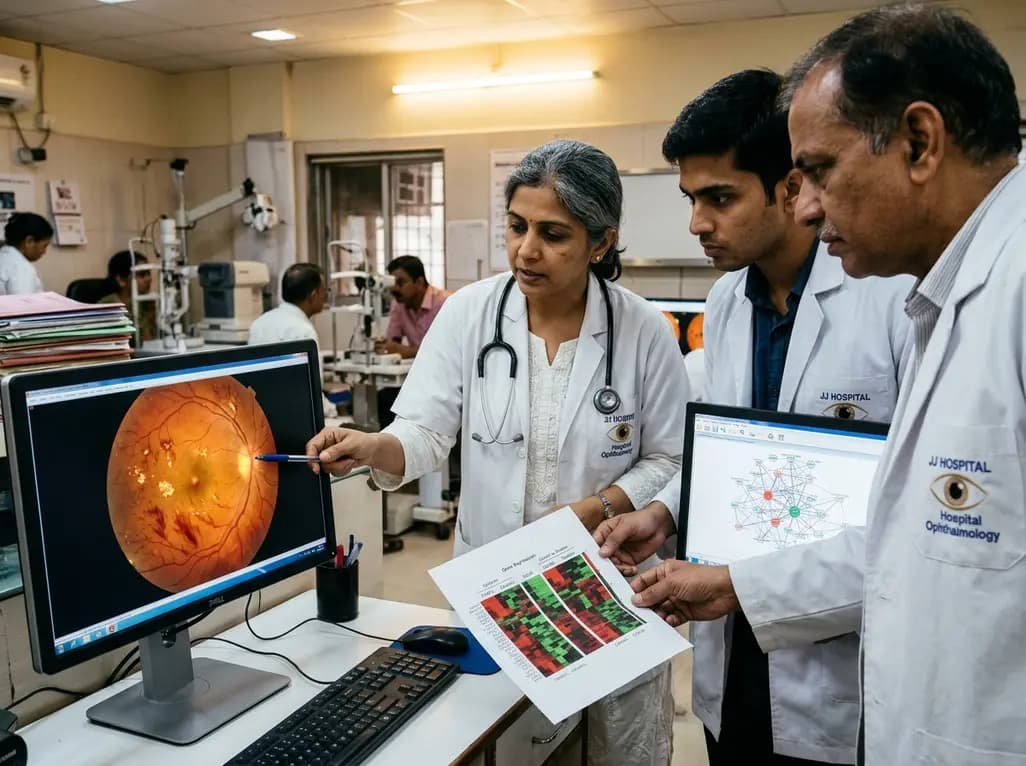
Single-cell transcriptomics reveals that STAP2 promotes retinal endothelial dysfunction in diabetic retinopathy through CXCR4 signaling. In vivo and in vitro studies show STAP2 knockdown reduces capillary drop-out and vascular leakage, uncovering a novel therapeutic target beyond anti-VEGF therapies.
Today
