.webp&w=384&q=75)

Loading, please wait...
Loading, please wait...

Clinicians in primary health care (PHC) often face significant challenges when providing timely access to specialized ophthalmological services. However, the emergence of AI for retinal abnormalities offers a promising solution to bridge this gap. A recent cross-sectional study evaluated the real-world diagnostic performance of a convolutional neural network-based AI model, Eyer Maps, within a teleophthalmology workflow across six municipalities. This technology allows for rapid screening in community settings, which is especially critical in regions where specialist availability is limited.
Researchers analyzed 2,158 initial retinal exams, eventually narrowing the sample to 824 paired retinographies for accuracy assessment. Consequently, they compared the AI model\'s performance directly against the gold standard classifications provided by human ophthalmologists. The results were highly encouraging. The AI for retinal abnormalities demonstrated a Cohen\'s Kappa coefficient of 0.819. Therefore, this indicates almost perfect agreement between the automated system and the human specialists. Furthermore, the model maintained high sensitivity and specificity across various clinical and demographic subgroups, confirming its robustness as a screening tool.
Moreover, the integration of such AI models into PHC workflows facilitates earlier intervention for sight-threatening conditions. Specifically, the study highlights how teleophthalmology can decentralize expert-level screening. By deploying portable fundus cameras and AI-driven analysis, health systems can significantly reduce the burden on tertiary referral centers. Additionally, this approach ensures that only patients requiring specialized treatment are referred, thereby optimizing healthcare resources. Finally, these findings support the adoption of AI-enabled screening programs in diverse geographical contexts, including rural and underserved populations.
While the study demonstrates technical proficiency, successful implementation requires seamless workflow integration. Clinicians must understand that AI serves as a decision-support tool rather than a replacement for clinical judgment. Specifically, primary care providers can use these AI alerts to prioritize referrals for patients with urgent retinal findings. Consequently, this model of care promotes health equity by delivering high-quality diagnostics closer to the patient\'s home. Moreover, the high accuracy reported in this real-world setting suggests that AI-assisted teleophthalmology is now a mature technology ready for broader public health application.
The AI model demonstrated almost perfect agreement with specialists, achieving a Cohen\'s Kappa coefficient of 0.819. This level of accuracy makes it a highly reliable tool for initial screening in non-specialized settings.
No, AI is intended as a screening and triage tool. It identifies abnormalities that require further evaluation by a human specialist to confirm a diagnosis and determine a treatment plan.
Disclaimer: This content is for informational and educational purposes only and does not constitute medical advice, diagnosis, or treatment. Always seek the advice of a qualified healthcare provider regarding any medical condition. Refer to the latest local and national guidelines for clinical practice.
References
Ferreira ACM et al. Diagnostic Performance of an Artificial Intelligence Model for Retinal Abnormalities in Primary Health Care: A Real-World Teleophthalmology Study. Telemed J E Health. 2026 May 22. doi: 10.1177/15305627261454208. PMID: 42170796.
Borah RR. Decoding teleophthalmology role in transforming last-mile eye care in India. Indian Pharma Post. 2026 May 20. Available from: indianpharmapost.com
Kammari P et al. Teleophthalmology at a primary and tertiary eye care network from India: Environmental and economic impact. Eye. 2024. doi: 10.1038/s41433-024-02934-4.
"
Read summarized clinical updates, watch expert medical content, and earn CME certifications right from your smartphone.
Open your smartphone camera to scan and install.





A real-world study finds that AI models show near-perfect agreement with specialists for detecting retinal abnormalities in primary health care settings....
4 months ago
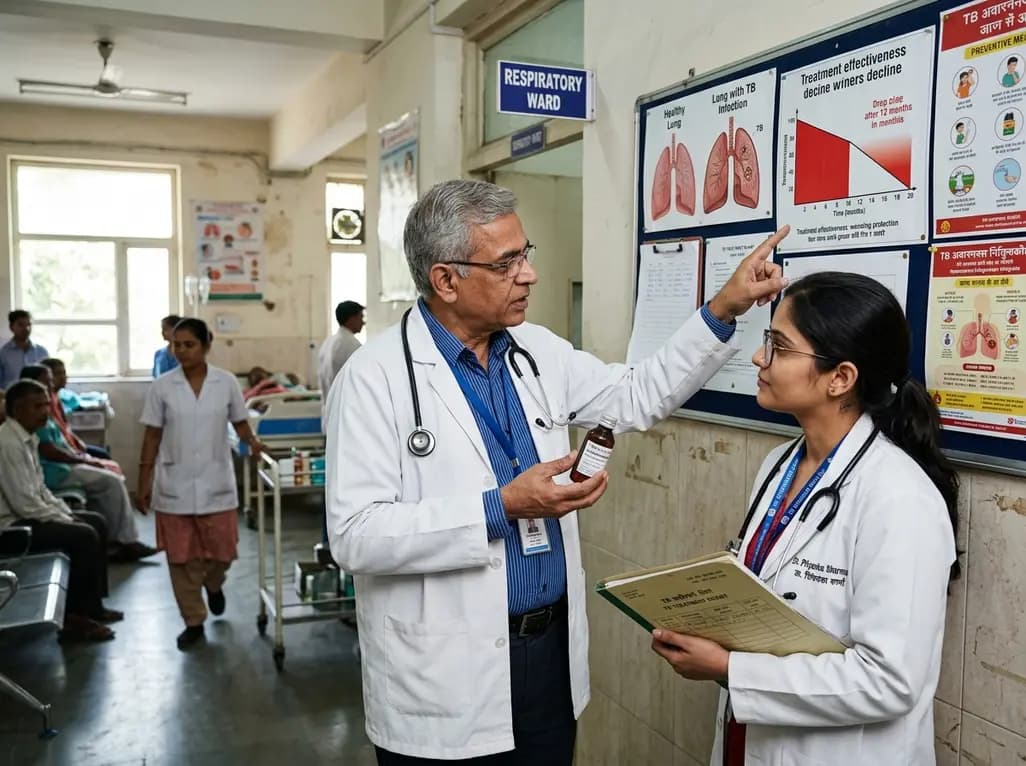
Recent findings in The Lancet Respiratory Medicine reveal that tuberculosis preventive treatment wanes after one year in high-burden settings, unlike the decade-long protection seen in low-burden regions. Clinicians in endemic nations must combine antibiotic chemoprophylaxis with active transmission control.
Today

A school-based intervention using the Health Action Process Approach (HAPA) significantly enhanced adolescents' perceived benefits of consulting healthcare providers and promoted proactive menstrual health behaviors, offering key clinical insights for managing adolescent dysmenorrhea and endometriosis.
Today
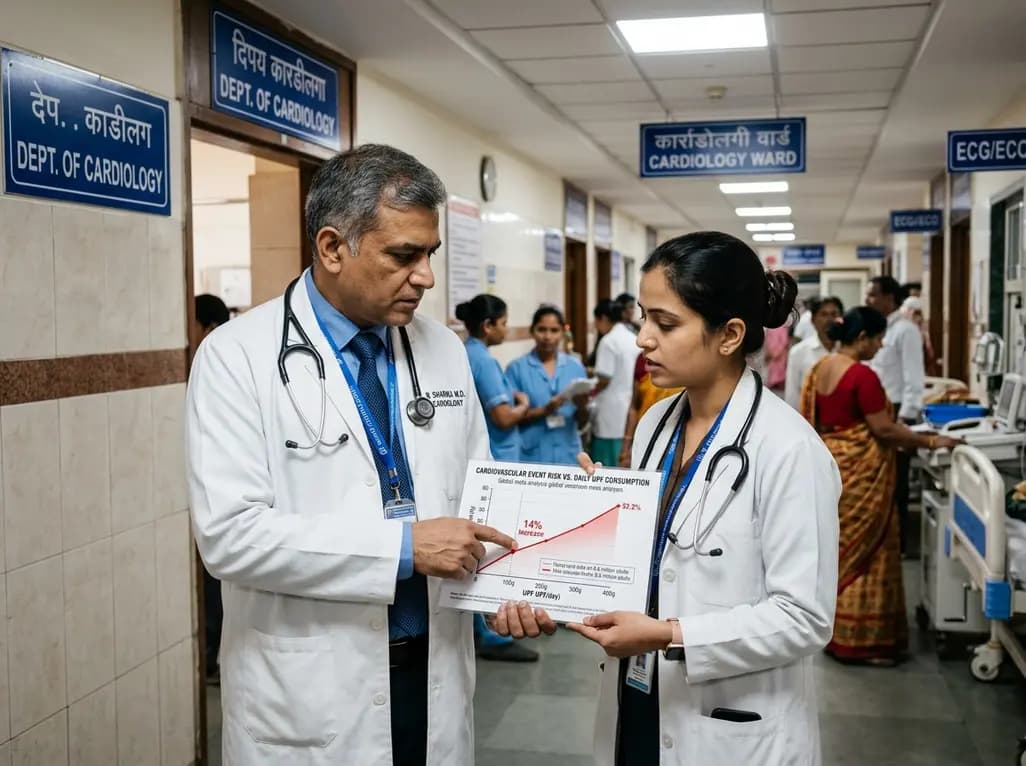
A global dose-response meta-analysis of 8.8 million adults reveals that consuming an extra 100 grams of processed food daily raises cardiovascular event risk by 14%. Explore how industrial additives, systemic inflammation, and metabolic disruption heighten long-term multimorbidity and cardiometabolic risks.
Today
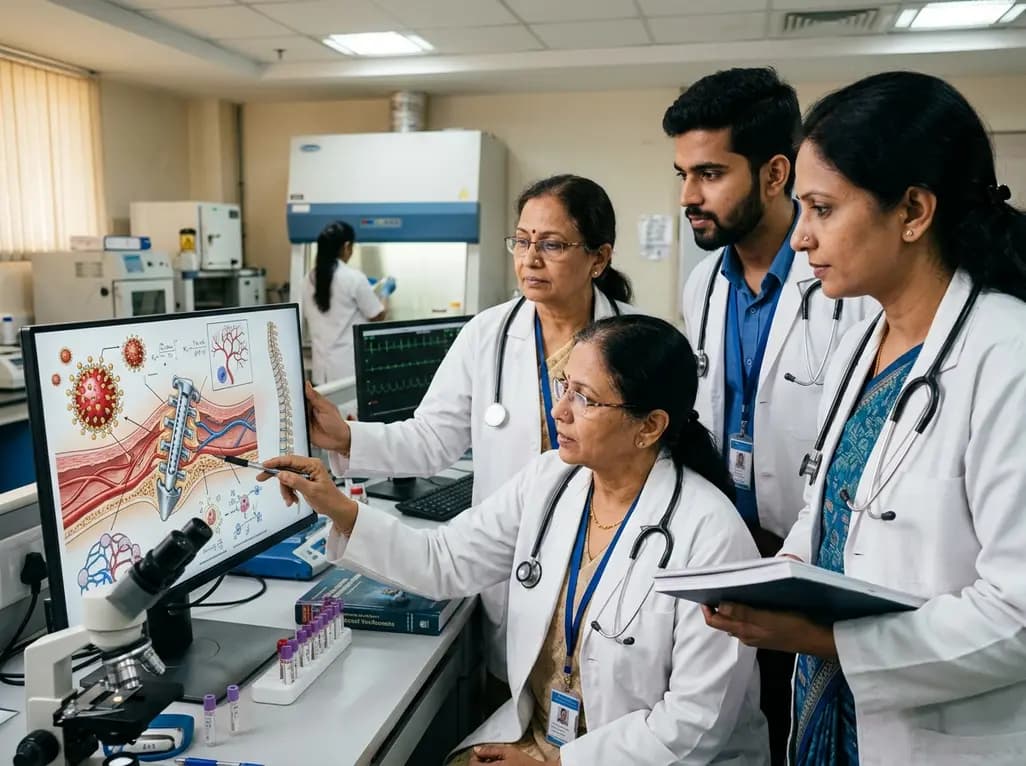
A comprehensive analysis of the Translational Maturity Framework for nanomedicine-device combination products, evaluating regulatory complexity, manufacturing hurdles, and clinical readiness across oncology, cardiology, and orthopedics.
Today
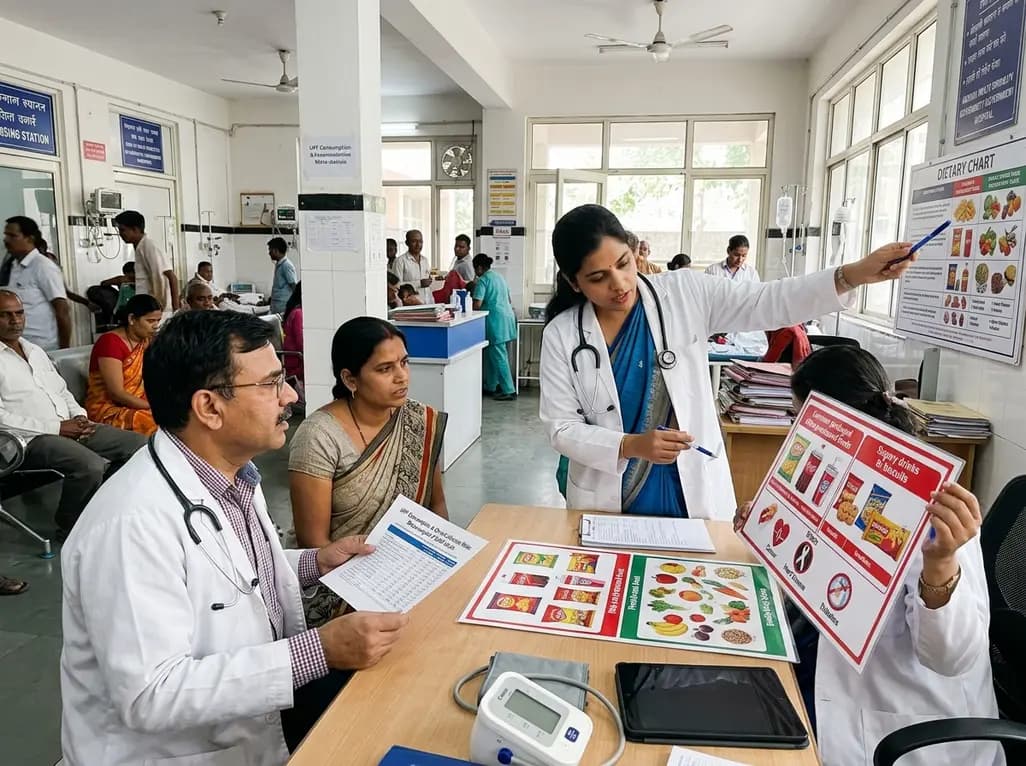
A landmark dose-response meta-analysis of 8.8 million adults reveals that high ultra-processed food intake significantly elevates risks for cardiovascular disease, cancer, diabetes, depression, and all-cause mortality, highlighting urgent needs for clinical lifestyle interventions.
Today
