.webp&w=384&q=75)

Loading, please wait...
Loading, please wait...
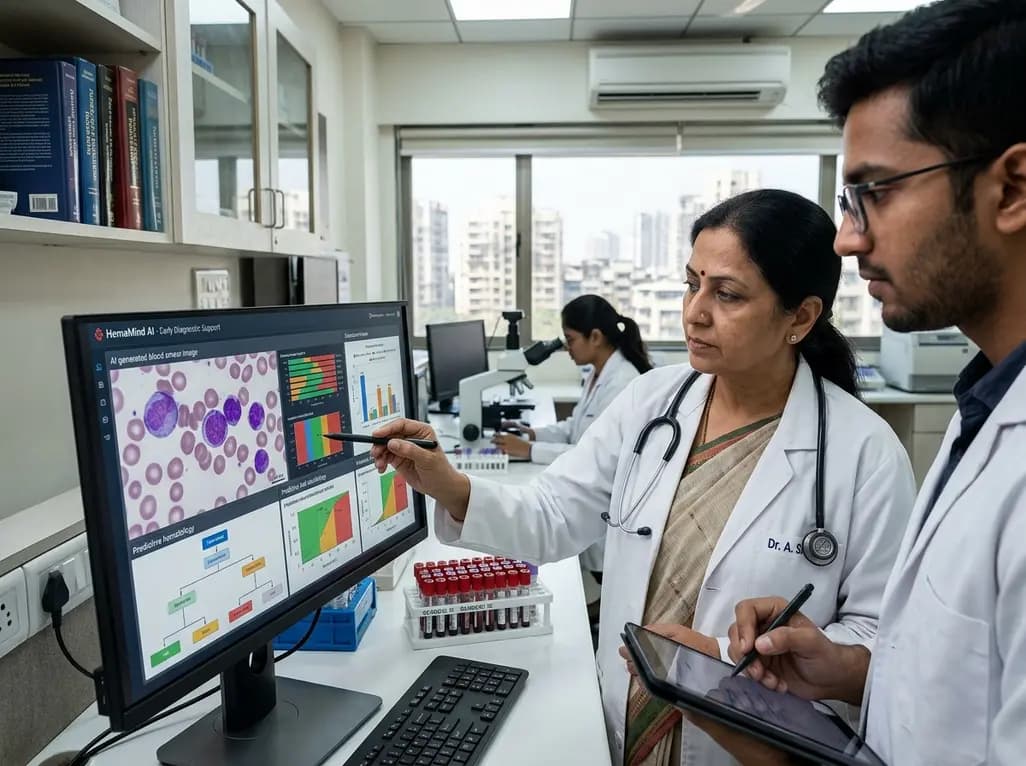
Modern medicine is rapidly adopting computational intelligence to improve diagnostic precision and therapeutic outcomes. Recent expert discussions highlight that integrating AI in hematology provides substantial support for managing complex blood disorders. Specialists utilize these digital tools to synthesize multiparametric datasets, assess disease trajectories, and optimize personalized regimens. However, leading haematologists maintain that digital solutions must support rather than replace human clinical expertise.
Hematological diagnostics require the meticulous evaluation of peripheral blood smears, bone marrow aspirates, and cytogenetic profiles. Machine learning models now assist laboratory hematologists by rapidly scanning digital high-resolution slides. Furthermore, these automated platforms identify subtle cellular abnormalities and classify diverse cell lineages with exceptional consistency. By standardizing morphological assessments, artificial intelligence minimizes inter-observer variability across busy clinical laboratories. Consequently, pathologists and haematologists can detect hematologic malignancies like acute leukemia, lymphoma, and myelodysplastic syndromes much earlier. Additionally, computational algorithms can cross-reference flow cytometry patterns with molecular panel findings in real time. This rapid synthesis significantly accelerates the diagnostic pathway for acutely ill patients. Therefore, clinical teams receive vital diagnostic confirmation without unnecessary delays. Modern algorithms also eliminate manual counting fatigue, allowing laboratory professionals to focus on atypical specimens. Moreover, automated systems flag rare morphological features that routine screening might miss. Clinicians then correlate these automated alerts with clinical presentations to refine their differential diagnoses. Ultimately, these advanced diagnostic technologies ensure greater reproducibility and elevate diagnostic precision.
Managing non-malignant and malignant hematologic disorders demands accurate risk stratification to tailor intensive therapies. Advanced predictive algorithms analyze vast historical patient datasets to forecast disease progression and potential complications. For example, machine learning tools evaluate the risk of venous thromboembolism and severe bleeding in vulnerable inpatient cohorts. Similarly, predictive platforms help clinicians anticipate disease transformation in chronic myeloproliferative neoplasms and indolent lymphomas. By processing longitudinal laboratory parameters and genetic markers, these computational models generate reliable individual risk scores. Furthermore, clinicians utilize these predictive projections to determine the optimal timing and intensity of therapeutic interventions. Machine learning also assists in forecasting patient responses to cytotoxic chemotherapy, targeted biological agents, and stem cell transplantation. Thus, care teams can preemptively adjust drug dosages to mitigate severe therapy-related toxicities. In addition, predictive analytics assist in the early detection of disease recurrence through continuous monitoring of lab trends. Consequently, haematologists can intervene at subclinical stages of relapse, optimizing long-term patient outcomes and survival.
Although artificial intelligence offers powerful analytical capabilities, clinical acumen remains the indispensable foundation of medical practice. Specialist faculty consistently stress that digital tools must serve as collaborative aids rather than autonomous decision-makers. Clinical haematologists possess the unique ability to contextualize algorithmic recommendations within the patient's overall physical condition, comorbidities, and personal values. Furthermore, predictive models can generate erroneous predictions if underlying datasets contain biases, omissions, or unrepresentative demographic data. Therefore, treating physicians must critically verify every machine learning suggestion against comprehensive bedside clinical findings. Relying entirely on automated predictions without independent validation creates substantial diagnostic and safety hazards. Moreover, bedside interactions reveal subtle symptoms, emotional distress, and functional limitations that automated algorithms cannot evaluate. Consequently, doctors must synthesize quantitative computational predictions with qualitative patient-centered assessments. Experienced haematologists use modern computational tools to confirm clinical suspicions and resolve diagnostic dilemmas. However, they retain full professional accountability for all final diagnostic and management decisions.
Academic institutions are updating postgraduate hematology curricula to prepare graduating fellows for modern consultant-level responsibilities. Programs such as the Young Hematologists Orientation Program exemplify this educational evolution by integrating machine learning fundamentals into clinical training. During these comprehensive orientations, senior faculty instruct graduating scholars on interpreting advanced computational outputs and assessing algorithmic validity. Furthermore, the curriculum emphasizes that technological proficiency must accompany excellence in compassionate communication and holistic patient management. Specialists must learn how to explain complex algorithmic risk scores and multi-agent treatment plans clearly to anxious patients and their families. Additionally, advanced training programs provide extensive instruction in palliative care integration, supportive oncology, and shared decision-making. Trainees also master precise clinical documentation and communication strategies to handle difficult prognoses with deep empathy. As a result, emerging consultants develop the multifaceted competencies required to lead multidisciplinary hematology units. Combining cutting-edge technological literacy with refined bedside manner ensures that future leaders deliver sophisticated and compassionate care.
Deploying digital intelligence in hematology introduces significant ethical, regulatory, and medico-legal considerations that clinicians must navigate carefully. Patient data confidentiality represents a primary concern when feeding sensitive genomic and clinical records into algorithmic platforms. Therefore, healthcare institutions must enforce rigorous data protection standards and comply strictly with national privacy regulations. Furthermore, clinicians must understand the underlying rationale behind algorithmic recommendations rather than accepting them as unquestioned authoritative guidance. The ethical obligation of medical transparency requires doctors to communicate clearly when computational systems assist in formulating critical treatment pathways. Medico-legal clinical documentation must accurately reflect both the algorithmic input and the independent clinical rationale supporting the consultant's decision. In addition, institutions must monitor predictive software continuously to detect algorithmic drift or diagnostic bias across diverse patient populations. Consequently, regulatory bodies and medical societies are establishing clear operational frameworks to guide digital health implementation. Establishing robust ethical governance ensures that computational innovation enhances healthcare quality while preserving professional integrity.
Q1: How does machine learning improve blood smear analysis in hematology?
Machine learning platforms use advanced computer vision algorithms to evaluate digitized high-resolution images of peripheral blood smears. These models rapidly classify diverse white blood cell types, identify red cell morphological variations, and detect rare blast cells with exceptional accuracy. By screening routine samples and flagging subtle cellular abnormalities, automated tools reduce manual interpretation errors and streamline laboratory workflows for busy hematologists.
Q2: Can predictive AI algorithms replace clinical decision-making by specialist haematologists?
No, artificial intelligence cannot replace the nuanced clinical judgment of a specialist haematologist. While predictive models excel at analyzing complex datasets and identifying statistical risk patterns, they cannot evaluate bedside clinical findings or patient preferences. Therefore, clinicians must thoroughly cross-examine every algorithmic recommendation against physical examination findings, diagnostic reports, and medical history before initiating complex treatment regimens.
Q3: What ethical guidelines govern the integration of AI tools in blood disorder management?
Ethical integration requires strict adherence to patient data privacy, informed consent, algorithmic transparency, and bias mitigation. Clinicians must ensure that sensitive genetic and clinical data remain encrypted and protected under healthcare regulations. Furthermore, practitioners maintain full professional accountability for treatment decisions, ensuring that automated systems function purely as supportive aids while prioritizing patient autonomy, equity, and safety.
Disclaimer: This content is for informational and educational purposes only. It does not constitute medical advice or replace professional judgment. Refer to the latest local and national guidelines for clinical practice.
References

Read summarized clinical updates, watch expert medical content, and earn CME certifications right from your smartphone.
Open your smartphone camera to scan and install.





Artificial intelligence and predictive algorithms are rapidly reshaping the management of complex blood disorders. Learn how emerging AI tools assist haematologists in early diagnostics, risk stratification, and ethical treatment planning while preserving the primacy of specialist clinical judgement.
last month
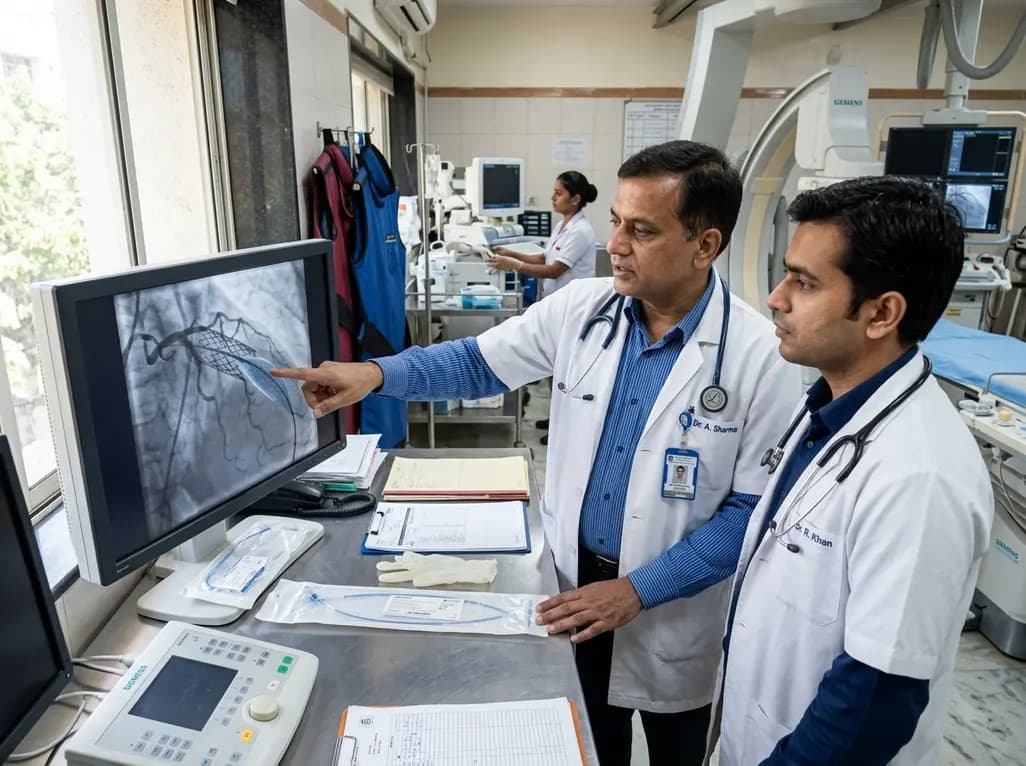
The US FDA has granted approval to the SELUTION SLR drug-eluting balloon for treating coronary in-stent restenosis. This milestone introduces a sustained-release sirolimus platform that eliminates the need for additional permanent metallic stents while maintaining robust vascular healing and luminal patency.
Today
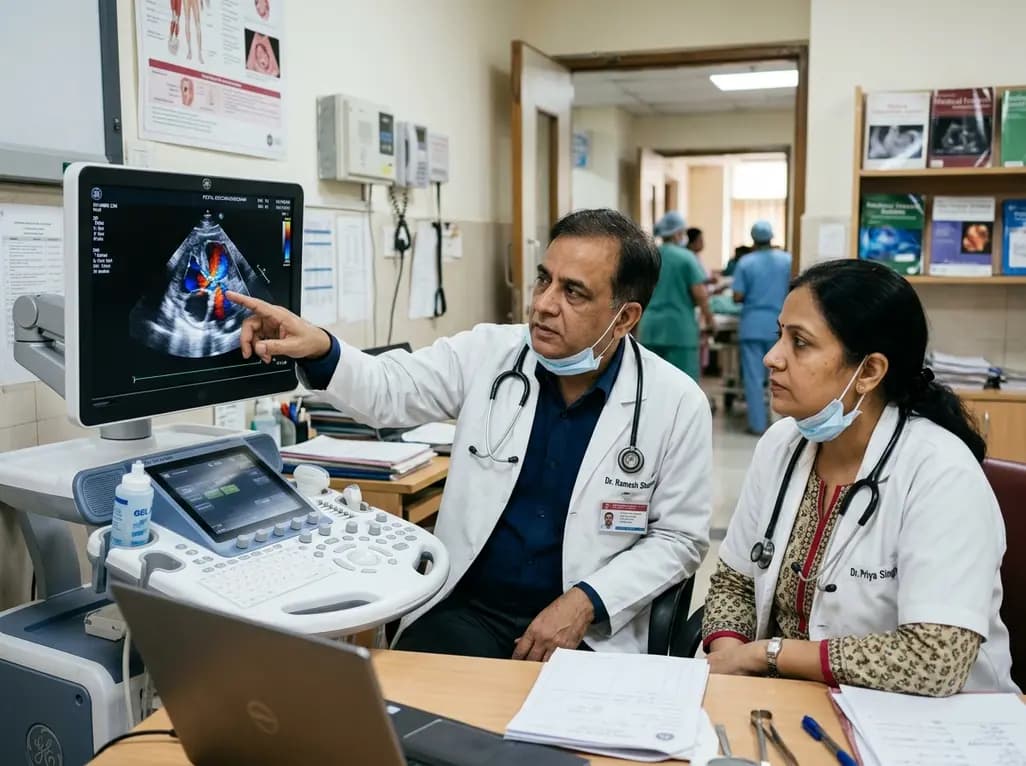
Fetal foramen ovale restriction typically emerges in the third trimester with right heart enlargement. Evidence demonstrates it does not independently mandate cesarean delivery, and over 93% of postnatal cardiac findings resolve spontaneously within one year, supporting conservative obstetric management.
Today

The latest WHO Global Health Estimates highlight India's life expectancy reaching 71 years alongside a healthy lifespan of 60.6 years. While longevity rebounds post-pandemic, non-communicable conditions now account for three-quarters of top mortalities, underscoring urgent clinical shifts in routine primary care.
Today

The Thumbs-Out Classification (TOC) is a reliable screening tool for detecting thumb-in-palm deformity in children with cerebral palsy. Utilizing traffic-light tiers for radial abduction, TOC enables clinicians to monitor upper limb function and initiate timely therapeutic or surgical interventions.
Today

A comprehensive review analyzes periconceptional GLP-1 receptor agonist exposure, revealing reassuring data on congenital anomalies and adverse perinatal outcomes while emphasizing the need for cautious patient counseling.
Today
