.webp&w=384&q=75)

Loading, please wait...
Loading, please wait...

Attention-deficit/hyperactivity disorder affects over 366 million adults and 139 million children globally. However, traditional psychiatric evaluation remains subjective because clinicians depend almost entirely on behavioral interviews and observer rating scales. Consequently, diagnostic outcomes often vary across practitioners, clinical environments, and patient demographics. To overcome these diagnostic inconsistencies, researchers are turning toward AI in ADHD diagnosis to identify objective neurodevelopmental patterns. Artificial intelligence algorithms analyze complex patterns across neuroimaging scans, electroencephalography readings, and digital biomarkers that conventional clinical evaluations frequently overlook. Therefore, these computational methodologies could reshape psychiatric paradigms by delivering reproducible diagnostic decisions worldwide.
Clinicians currently experience significant difficulty when diagnosing neurodevelopmental disorders due to overlapping symptoms and high comorbidity rates. For instance, anxiety, depression, and learning disabilities frequently mimic inattention and hyperactivity. Furthermore, subjective rating scales introduce substantial clinician bias and parental recall error into clinical evaluations. As a result, many pediatric and adult patients receive delayed care or misdiagnoses. Machine learning models offer a robust pathway to resolve these long-standing diagnostic dilemmas. These predictive algorithms evaluate objective biological signals rather than subjective behavioural interpretations alone. Specifically, automated classification frameworks analyze high-dimensional patterns from functional brain networks and cognitive reaction times. Consequently, clinicians can obtain data-driven confirmation before assigning definitive clinical labels. Moreover, objective classification assists practitioners in detecting subtle presentations, particularly in adult females who frequently mask classic hyperactive symptoms. By establishing measurable neurofunctional criteria, computational tools help standardize neurodevelopmental evaluations across diverse healthcare centers. Ultimately, this approach reduces clinical uncertainty and strengthens diagnostic confidence in everyday neuropsychiatric practice.
Modern machine learning models draw diagnostic power from multimodal biological datasets rather than single-source clinical metrics. For example, investigators actively integrate structural magnetic resonance imaging with resting-state functional scans to map cerebral alterations. These computational frameworks detect subtle disruptions in frontal-striatal connectivity and white matter microstructure across adolescent brains. Additionally, electroencephalography delivers high temporal resolution by capturing rapid neuroelectrical oscillations during active cognitive attention tasks. Deep learning architectures process these complex electrophysiological signals to isolate atypical theta-beta power ratios. Furthermore, researchers increasingly evaluate digital biomarkers, such as continuous performance test kinetics, eye tracking, and wearable movement sensors. When computational models combine neuroimaging, physiological signals, and behavioral kinematics, overall diagnostic precision improves considerably. Machine learning algorithms effectively synthesize these complementary data streams into unified diagnostic profiles. Consequently, multimodal evaluation provides a holistic view of patient neurobiology that traditional clinical checklists cannot achieve independently. Thus, multimodal integration represents the foundation for dependable diagnostic translation.
Although thousands of research papers evaluate machine learning applications in psychiatry, significant gaps persist regarding clinical translation. Therefore, a newly published protocol outlines a comprehensive scoping review to systematically map current global evidence. The review team applies the rigorous Joanna Briggs Institute framework and follows PRISMA-ScR reporting guidelines. Furthermore, the investigators systematically search five primary electronic databases, including IEEE Xplore, Scopus, PubMed, Web of Science, and ACM Digital Library. To maintain exceptional data quality, the inclusion criteria strictly require empirical studies published between 2019 and 2026. Moreover, each eligible study must include more than 100 participants and compare ADHD cohorts against neurotypical control groups. Two independent reviewers screen identified records to eliminate extraction errors and methodological bias through standardized templates. Consequently, this scoping review will synthesize findings across predictive accuracy, data modalities, validation techniques, and clinical generalizability. By critically evaluating empirical rigor, the upcoming synthesis will clarify whether existing models truly withstand real-world diagnostic demands.
Before clinicians adopt artificial intelligence into everyday practice, developers must resolve the persistent black-box problem. In many deep learning models, hidden layers generate predictions without offering transparent biological reasoning. Consequently, medical practitioners remain hesitant to rely on algorithmic determinations for life-altering psychiatric diagnoses. To solve this dilemma, researchers are developing explainable artificial intelligence techniques that clearly illustrate feature importance. For example, explainability algorithms highlight the exact brain regions or electrophysiological frequencies driving each diagnostic classification. Furthermore, generalizability across diverse demographic populations represents another critical hurdle in current research. Many historical models demonstrate remarkable accuracy on localized datasets but fail during external cohort validation. Training algorithms on homogeneous populations introduces implicit demographic bias and limits cross-cultural diagnostic utility. Therefore, upcoming review analyses focus heavily on cross-validation practices and external testing benchmarks. Clinicians urgently require generalizable models that perform reliably across varied patient ethnicities, geographic regions, and comorbid presentations.
Translating predictive algorithms from specialized computer laboratories into busy outpatient clinics requires seamless clinical workflow integration. Currently, acquiring functional neuroimaging or high-density electroencephalography remains costly and technically challenging for primary care facilities. Therefore, computer scientists and psychiatrists are designing lightweight algorithmic tools that function using accessible clinical inputs. For instance, combining brief digital behavioral assessments with wearable sensor metrics provides practical diagnostic support in resource-constrained environments. Additionally, clinical decision support software must assist rather than replace medical professionals during diagnostic decision-making. Physicians must always evaluate algorithmic scores alongside comprehensive developmental histories, family dynamics, and educational assessments. Regulators and healthcare leaders must also establish strict governance standards concerning data privacy and ethical algorithm deployment. When institutions implement these safeguards responsibly, computational tools can significantly reduce patient waiting times and expedite targeted interventions. Ultimately, artificial intelligence holds great promise to elevate neuropsychiatric care standards across both high-income and developing nations.
In developing nations like India, psychiatric resources face substantial strain due to high patient volumes and specialist shortages. Pediatricians, general physicians, and adult psychiatrists frequently encounter complex behavioral complaints without immediate access to multidisciplinary assessment teams. Furthermore, cultural stigma and variable awareness often delay clinical presentation until severe academic or professional impairment occurs. In this clinical landscape, validated artificial intelligence tools could provide scalable diagnostic triage and standardized risk stratification. For example, primary care doctors in semi-urban centers could utilize validated digital assessment algorithms to identify individuals requiring specialist referral. Moreover, objective computational markers could minimize diagnostic controversy, thereby enhancing treatment acceptance among hesitant families. Nevertheless, healthcare providers must interpret these algorithmic outputs cautiously within unique cultural and educational contexts. Indian medical institutions should participate actively in global validation initiatives to ensure diverse regional representation. By combining computational innovation with empathetic clinical judgment, practitioners can optimize ADHD management for millions of underserved patients.
Artificial intelligence improves diagnostic accuracy by analyzing complex, high-dimensional biological data that standard clinical checklists cannot detect. Algorithms evaluate subtle structural variations in brain magnetic resonance imaging, distinct neuroelectrical oscillations on electroencephalography, and granular movement metrics from wearable digital sensors. By identifying objective neurobiological patterns across these diverse modalities, machine learning models minimize clinician subjectivity, reduce diagnostic delays, and help differentiate attention deficits from comorbid psychiatric disorders.
Machine learning models cannot replace comprehensive clinical interviews conducted by qualified healthcare professionals. Instead, artificial intelligence serves as an objective clinical decision support system that augments physician judgment. While algorithms effectively identify complex neurofunctional biomarkers, they cannot evaluate personal psychosocial stressors, longitudinal family developmental histories, or nuanced environmental factors. Therefore, diagnosis requires holistic clinician evaluation, where computational tools confirm impressions and streamline early triage alongside established psychiatric guidelines.
Model interpretability is essential because clinicians must understand how an algorithm reaches a particular diagnostic classification. Psychiatric determinations carry significant ethical, therapeutic, and legal implications for patients and their families. Transparent, explainable models expose the exact neuroimaging abnormalities or electrophysiological features influencing predictions. This transparency builds clinician trust, prevents algorithmic bias against diverse demographics, and ensures practitioners can explain the medical reasoning behind every diagnosis with complete clinical confidence.
Disclaimer: This content is for informational and educational purposes only... Refer to the latest local and national guidelines for clinical practice.
References
Ibe BO et al. Artificial Intelligence, Machine Learning, and Deep Learning Approaches for Attention-Deficit/Hyperactivity Disorder Diagnosis: Protocol for a Scoping Review. JMIR Res Protoc. 2026 Oct 07. doi: 10.2196/99551. PMID: 42842902.
Zhao X, Xu Y, Li Y, Li H, Zhang Z. Artificial intelligence in ADHD assessment: a comprehensive review of research progress from early screening to precise differential diagnosis. Front Psychiatry. 2025;16:1613264.
Huynh J, et al. Deep learning identifies white matter microstructure abnormalities in adolescents with attention-deficit/hyperactivity disorder. Radiological Society of North America; 2023.

Read summarized clinical updates, watch expert medical content, and earn CME certifications right from your smartphone.
Open your smartphone camera to scan and install.





A new scoping review protocol evaluates artificial intelligence, machine learning, and deep learning models for objective ADHD diagnosis across multimodal neuroimaging, electrophysiology, and digital biomarkers.
Today

Small interfering RNA (siRNA) therapeutics harness RNA interference to degrade disease-causing messenger RNA. By delivering hepatocyte-targeted, durable gene silencing, agents targeting PCSK9, LPA, and angiotensinogen offer potent cardiovascular risk reduction with infrequent, biannual dosing schedules.
Today

A large UK cohort study of 1.4 million women shows that pregnancy complications, including gestational diabetes, hypertension, and preterm birth, substantially raise long-term risks for hypertension, chronic kidney disease, type 2 diabetes, and cardiovascular events, highlighting early postpartum intervention needs.
Today
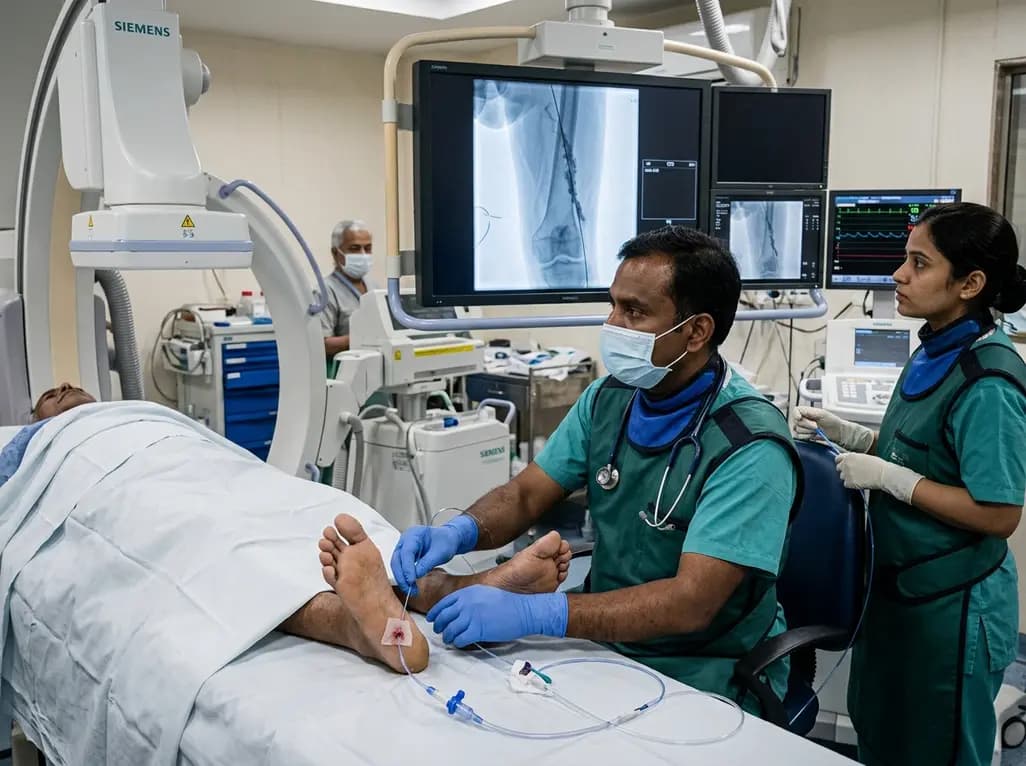
A clinical study demonstrates that retrograde pedal access achieves a 90.9% technical success rate for intraluminal crossing in complex infrainguinal chronic total occlusions, securing outstanding limb salvage, complete wound healing, and durable patency in patients with chronic limb-threatening ischemia.
Today
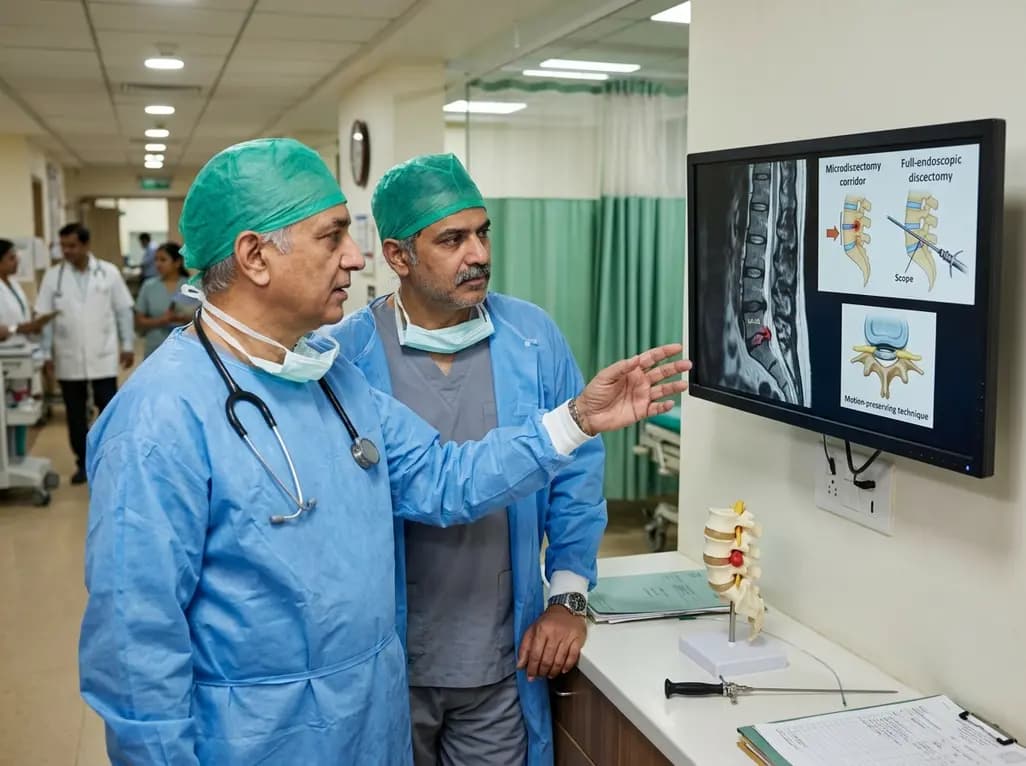
This clinical overview examines recent advancements in lumbar disc herniation surgery, comparing microscopic and full-endoscopic discectomy while highlighting biportal techniques and emerging motion-preserving innovations for spine specialists.
Today

The World Health Organization has issued its first global guidelines for managing child and adolescent obesity. The recommendations strongly endorse family-based dietary interventions, regular physical activity, and behavioral support as frontline therapy, reserving GLP-1 therapies and surgery for select cases.
Today
