.webp&w=384&q=75)

Loading, please wait...
Loading, please wait...

Zydus Lifesciences recently announced the launch of AI glucose monitors in India. These next-generation Continuous Glucose Monitoring (CGM) devices, Diasens and GlucoLive, aim to transform modern diabetes management. By integrating artificial intelligence, Zydus provides a more connected care ecosystem for patients and clinicians alike. Consequently, this technology bridge improves real-time clinical decision-making.
The new CGM systems stream glucose readings to smartphones every three minutes. Furthermore, this ensures an uninterrupted capture of data, even during the night or in emergencies. The integrated AI layer identifies trends and flags hypoglycemic or hyperglycemic episodes immediately. Additionally, the system links these fluctuations to specific food intake and physical activities. Therefore, clinicians can offer more precise, personalized advice to their patients based on comprehensive glycaemic data. Moreover, the automatic streaming eliminates the need for manual logging by the patient.
The technology functions through the TatvaCare GoodFlip application. This app generates actionable insights from complex data sets. Because the app shares data in real-time, caregivers and doctors can intervene more quickly. Such advancements simplify the monitoring process for those living with chronic conditions. Moreover, the closed-loop ecosystem ensures that no critical reading goes unnoticed. This launch strengthens the companion diagnostics portfolio for Zydus in the Indian market.
Q1: How often do the Diasens and GlucoLive devices update glucose readings?
The devices automatically stream glucose readings to the patient’s smartphone every three minutes, ensuring continuous and real-time monitoring.
Q2: What is the primary role of the AI layer in these CGM devices?
The AI layer analyzes data trends to flag hypo- and hyperglycaemic episodes while linking fluctuations to the patient's diet and activity levels.
Q3: Which app is used to view the data from these Zydus AI glucose monitors?
Patients use the TatvaCare GoodFlip app, which provides AI-driven analytics and connects them with clinicians and caregivers.
Disclaimer: This content is for informational and educational purposes only. It does not constitute medical advice or replace professional judgment. Refer to the latest local and national guidelines for clinical practice.
References

Read summarized clinical updates, watch expert medical content, and earn CME certifications right from your smartphone.
Open your smartphone camera to scan and install.





Zydus Lifesciences introduces AI-powered Diasens and GlucoLive CGM devices in India for real-time glucose tracking and advanced diabetes management insights...
7 months ago
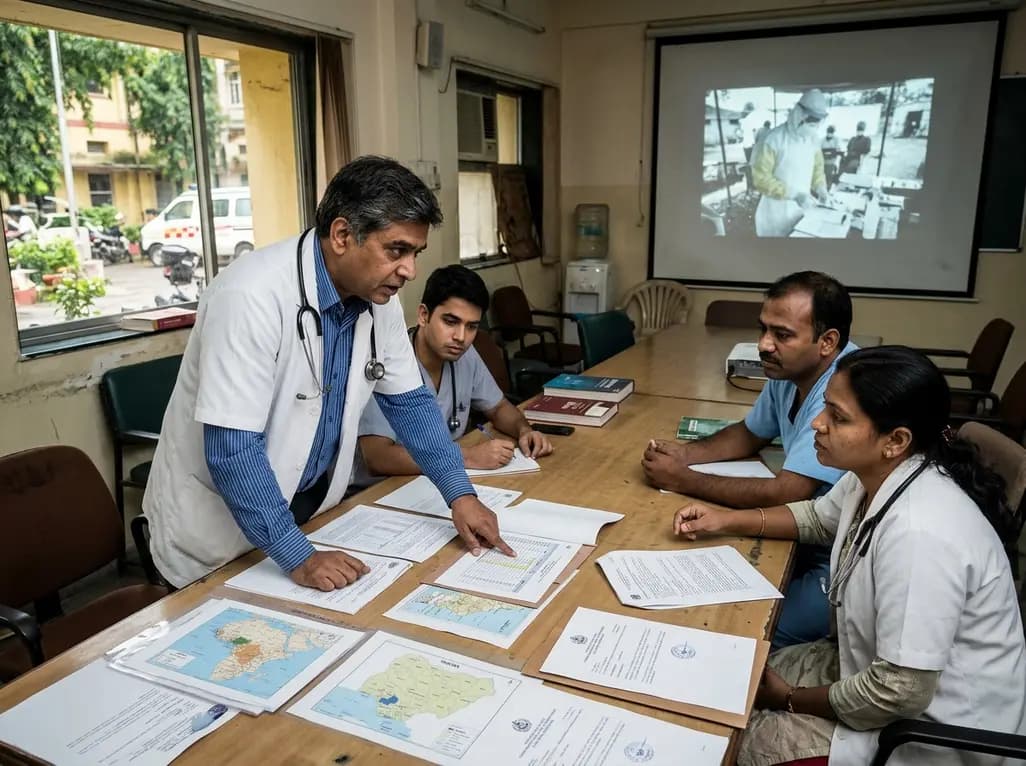
Following Nigeria's first recorded Ebola case linked to regional travel, the Africa CDC has convened an emergency ministerial summit. This alert underscores critical clinical priorities for healthcare professionals, including differentiating early viral infection from malaria, implementing barrier nursing, and triage.
Today

Leucine Rich Bio has introduced South Asia's first comprehensive vaginal microbiome test, BugSpeaks. By profiling microbial dysbiosis, pathogens, and antimicrobial resistance, this next-generation diagnostic platform provides clinicians with deeper insights into recurrent infections, fertility, and reproductive health.
Today

Review how tailored exercise programs benefit frail older patients with heart failure. Explore pathophysiological mechanisms, individualized training prescriptions, and strategies to overcome adherence barriers in clinical practice.
Today

This comparative study evaluates posterior labral tears with and without glenohumeral instability, highlighting distinct demographic patterns, MRI underestimation in stable shoulders, and successful arthroscopic repair outcomes.
Today

A clinical study demonstrates that early intervention with tocilizumab, either as monotherapy or bridged with corticosteroids, achieves significant proptosis reduction and resolves active inflammation in treatment-naive thyroid eye disease.
Today
