.webp&w=384&q=75)

Loading, please wait...
Loading, please wait...
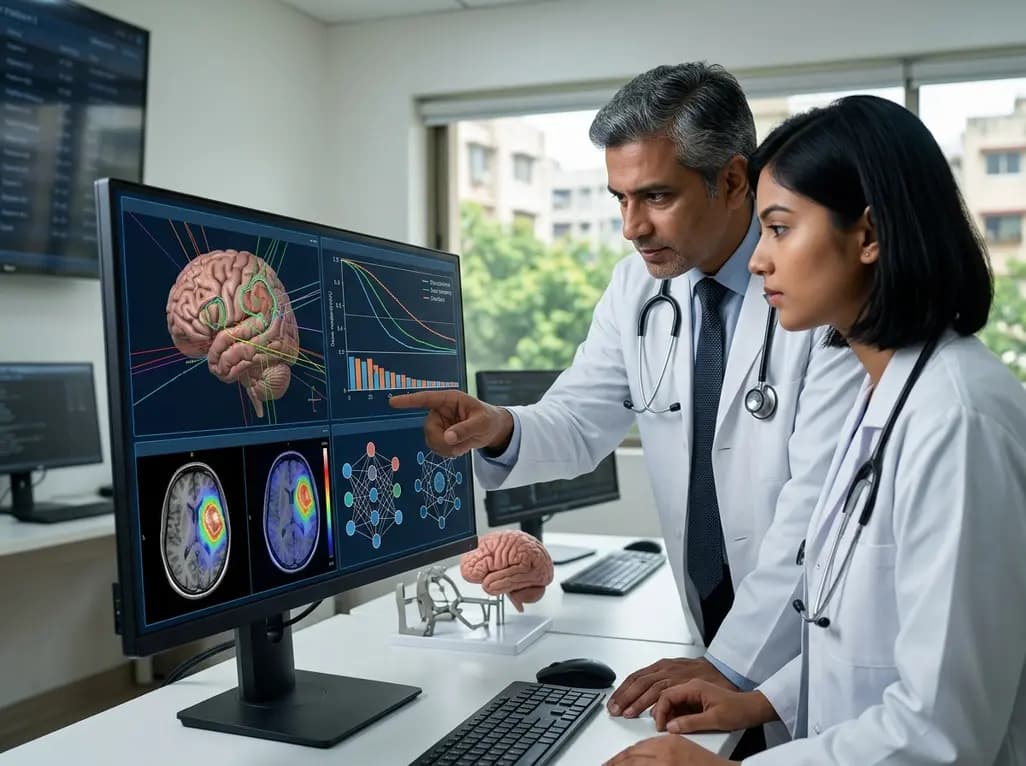
In the rapidly evolving landscape of neuro-oncology, the integration of artificial intelligence (AI) has paved the way for more personalized and effective treatment modalities. One such groundbreaking development is the AI for glioblastoma radiosurgery model known as THINKERS-GBM. This framework, developed to address the significant challenges of treating recurrent glioblastoma (GBM), represents a shift toward data-driven precision in Gamma Knife radiosurgery. Recurrent GBM is a notoriously aggressive malignancy that continues to challenge clinicians worldwide due to its heterogenous nature and poor prognosis. Traditionally, when a patient faces a recurrence, Gamma Knife radiosurgery is considered a viable salvage therapy. However, determining the precise radiation dose has remained more of an art than a science, heavily reliant on a physician's subjective experience rather than quantifiable risk assessments. The THINKERS-GBM model seeks to change this by providing clinicians with a robust framework that predicts the risk of second progression. By leveraging complex neural networks and knowledge-based reasoning, this AI-driven tool empowers neuro-oncologists to make decisions based on individualized dose-response profiles, potentially improving the quality of life and survival outcomes for patients.
The management of recurrent glioblastoma is a complex undertaking that requires a delicate balance between therapeutic efficacy and the prevention of radiation-induced toxicity. When GBM recurs, the brain has often already undergone significant radiation exposure from the initial course of treatment. This history of prior irradiation complicates the decision-making process for subsequent Gamma Knife radiosurgery. Clinicians must consider various anatomical constraints, the specific volume of the recurrent tumor, and the cumulative dose delivered to critical brain structures. Currently, dose selection is largely individualized and lacks a standardized, patient-specific methodology. Most physicians rely on retrospective guidelines or institutional protocols that do not necessarily account for the unique biological and radiological characteristics of each patient. This subjectivity can lead to variability in treatment outcomes, where some patients experience rapid progression while others suffer from radiation necrosis. The introduction of AI for glioblastoma radiosurgery aims to bridge this gap by offering a quantitative estimate of second progression risk. By analyzing historical data patterns, these systems identify subtle trends that human observation might overlook, providing a more objective foundation for radiotherapy protocols.
The THINKERS-GBM framework, which stands for Therapeutic Hybrid Intelligence with Neural and Knowledge-based Expert Reasoning for SRS, is not a simple predictive tool; it is a sophisticated mixture-of-experts artificial intelligence model. At its core, the system utilizes a mixture-of-experts neural network integrated with discrete-time survival modeling. This architecture allows the model to process a multitude of variables available at the time of treatment, including tumor volume, anatomical location, and previous radiation history. One of the most innovative aspects of this model is that the prescription dose itself is treated as a queryable input. Unlike traditional models that only provide a static outcome prediction based on a fixed treatment plan, THINKERS-GBM allows clinicians to input different candidate doses and observe the corresponding predicted risk of progression. This \"dose-sweeping\" capability enables the generation of individualized dose-response profiles. Essentially, the AI acts as a virtual simulator, allowing the medical team to explore the potential impact of dose escalation or de-escalation for a specific patient. This level of personalization is crucial in recurrent GBM, where the therapeutic window is extremely narrow and patient-specific factors are paramount.
The development of the THINKERS-GBM model involved a meticulous retrospective study of 200 patients treated for recurrent glioblastoma at a high-volume center. To ensure the reliability of the model's predictions, researchers employed grouped 5-fold cross-validation and a grouped holdout test split. The primary metric for success was the area under the receiver operating characteristic curve (AUC) for predicting second progression at the 12-month mark. In the cross-validation phase, the model achieved a calibrated mean AUC of 0.839. These figures suggest a high degree of discriminative power, meaning the model can effectively distinguish between patients at high and low risk of early progression. In the holdout test set, the calibrated AUC reached 0.870. Furthermore, the model's accuracy was reinforced by a low calibrated Brier score of 0.009, indicating that the predicted probabilities closely matched the observed outcomes. The mean absolute error (MAE) for the expected time to progression was just 1.03 months, demonstrating that the AI's temporal predictions are remarkably precise. Such robust statistical performance underscores the potential of AI for glioblastoma radiosurgery to serve as a reliable decision-support system in high-stakes clinical environments.
The most significant clinical contribution of the THINKERS-GBM model is its ability to generate individualized dose-response profiles through dose-sweeping. In current clinical practice, dose selection is often static, based on general institutional rules of thumb. However, THINKERS-GBM acknowledges that every patient’s tumor biology and radiation history are unique. By querying the model with a range of possible doses, the AI generates a curve that shows how the risk of second progression decreases as the dose is adjusted. This allows the clinical team to identify the point where the probability of local control is maximized while the risk of radiation toxicity remains acceptable. This approach represents a true move toward precision neuro-oncology. For a patient, having a high-confidence treatment plan from the outset is invaluable. This AI for glioblastoma radiosurgery tool provides a high-resolution map of the therapeutic landscape, facilitating more nuanced discussions between physicians and patients regarding the likely benefits and risks of the procedure. As personalized medicine becomes the standard, tools like THINKERS-GBM will be essential for navigating the complexities of advanced brain tumor management.
While the internal validation results for THINKERS-GBM are promising, researchers emphasize that external validation is a mandatory prerequisite before the model can be deployed in routine clinical practice. Since the study was based on data from a single center, it is crucial to test the framework against diverse patient populations from different institutions. Factors such as variations in neuroimaging protocols and surgical techniques can influence the performance of AI models. Therefore, multi-center trials are necessary to ensure the generalizability of these predictions. In the context of modern healthcare, the integration of such models could be transformative, especially in centers that may not have decades of experience with Gamma Knife radiosurgery for recurrent cases. By providing expert-level decision support, THINKERS-GBM could help standardize high-quality care globally. Future iterations of the model may also incorporate molecular markers, such as MGMT promoter methylation status, to further refine predictive accuracy. As we move closer to the digital age of surgery, the synergy between human expertise and machine intelligence will likely define the next generation of cancer therapy. The success of THINKERS-GBM highlights the immense potential of hybrid AI systems in solving difficult clinical problems.
Traditional dose selection for recurrent glioblastoma often relies on subjective physician judgment and generalized tumor volume guidelines. In contrast, THINKERS-GBM uses a mixture-of-experts AI model to provide patient-specific estimates. By treating the radiation dose as a queryable input, it allows clinicians to simulate different treatment scenarios and select the most effective individualized dose based on risk profiles.
The AUC of 0.870 indicates that the model has high accuracy in distinguishing between patients who will or will not experience progression within 12 months. The low Brier score of 0.009 confirms that the AI's risk predictions are highly calibrated, meaning the forecasted probabilities of progression are statistically consistent with the actual outcomes observed in the patient cohort.
Currently, THINKERS-GBM is an internally validated research framework based on a single-center cohort. External validation across different medical centers is essential to ensure the model's accuracy remains consistent across diverse patient populations, different imaging protocols, and various institutional practices. This step ensures the AI's reliability and safety before it can be used for real-world clinical decision-making.
Disclaimer: This content is for informational and educational purposes only and does not constitute medical advice, diagnosis, or treatment. Always seek the advice of your physician or other qualified health provider with any questions you may have regarding a medical condition. Refer to the latest local and national guidelines for clinical practice.
References
Reyes JS et al. Therapeutic Hybrid Intelligence with Neural and Knowledge-based Expert Reasoning for SRS (THINKERS): an AI model for GBM. J Neurooncol. 2026 Jul 09. doi: 10.1007/s11060-026-05702-4. PMID: 42423808.
Reyes JS et al. Therapeutic Hybrid Intelligence with Neural and Knowledge-based Expert Reasoning for SRS (THINKERS): a mixture-of-experts AI model for vestibular schwannoma. J Neurooncol. 2026 Jun 18;178(3):69. doi: 10.1007/s11060-026-05679-0.
Ye Y et al. Hybrid Symbolic-Neural Reasoning Frameworks for Autonomous Scientific Discovery Systems. Int J Artif Intell Mach Learn. 2026. doi: 10.1016/j.ai.2026.103456.
"
Read summarized clinical updates, watch expert medical content, and earn CME certifications right from your smartphone.
Open your smartphone camera to scan and install.





Researchers have developed THINKERS-GBM, a hybrid AI model designed to personalize Gamma Knife radiosurgery doses for recurrent glioblastoma. By predicting second progression risk through discrete-time survival modeling, this tool offers physician-specific dose-response profiles for improved clinical outcomes.
Last week
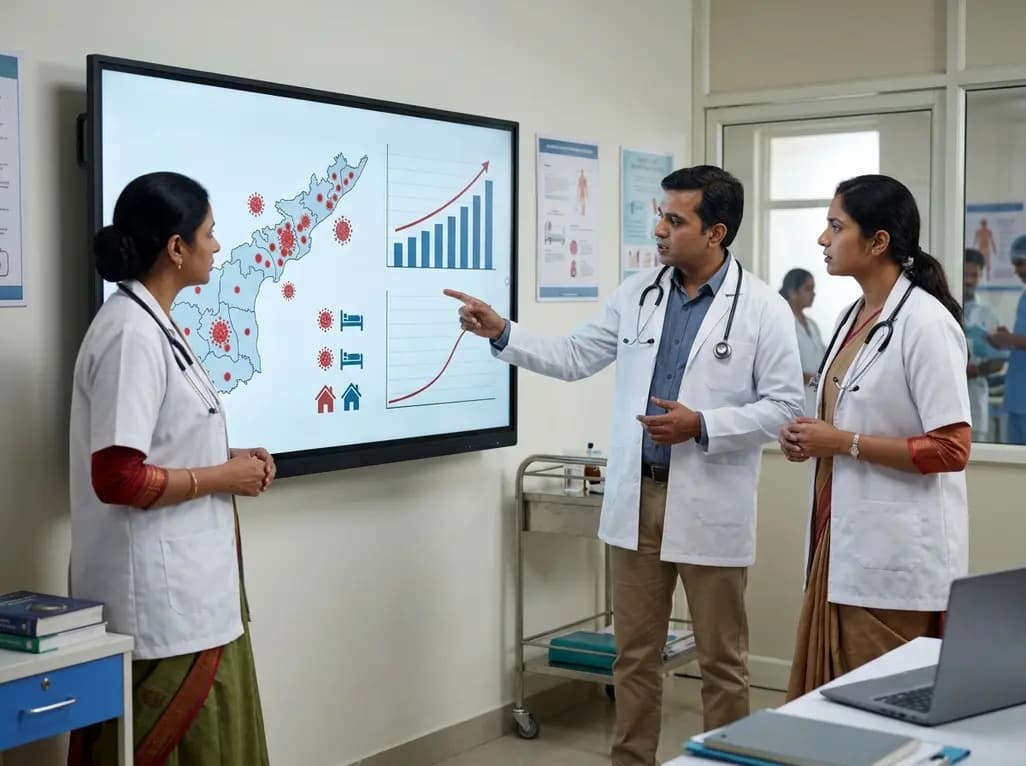
Andhra Pradesh reported 10 new Covid-19 cases, taking the state tally to 49 while deaths remain at four. With 24 patients hospitalized and 16 under home isolation, the Health Department has intensified monitoring. Medical professionals should review regional distribution, diagnostic protocols, and management plans.
Today

An 11-year Swedish registry study of 618 uterine sarcoma patients found that minimally invasive surgery yielded survival comparable to open surgery in early stages. However, adjuvant chemotherapy conferred no survival benefit in localized or advanced disease, highlighting stage and histology as key outcomes.
3 days back
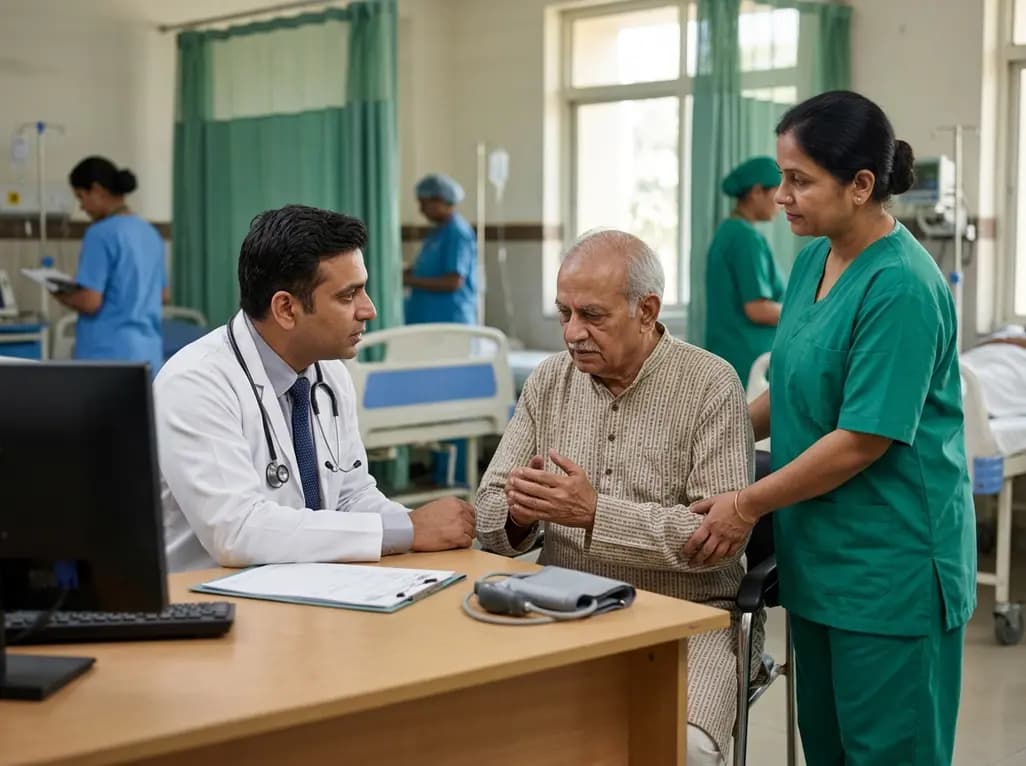
A cross-sectional study evaluates post-intensive care syndrome in cardiac patients 2-4 weeks post-ICU discharge, highlighting cognitive, psychological, and functional impairments and the need for structured multidisciplinary rehabilitation.
3 days back
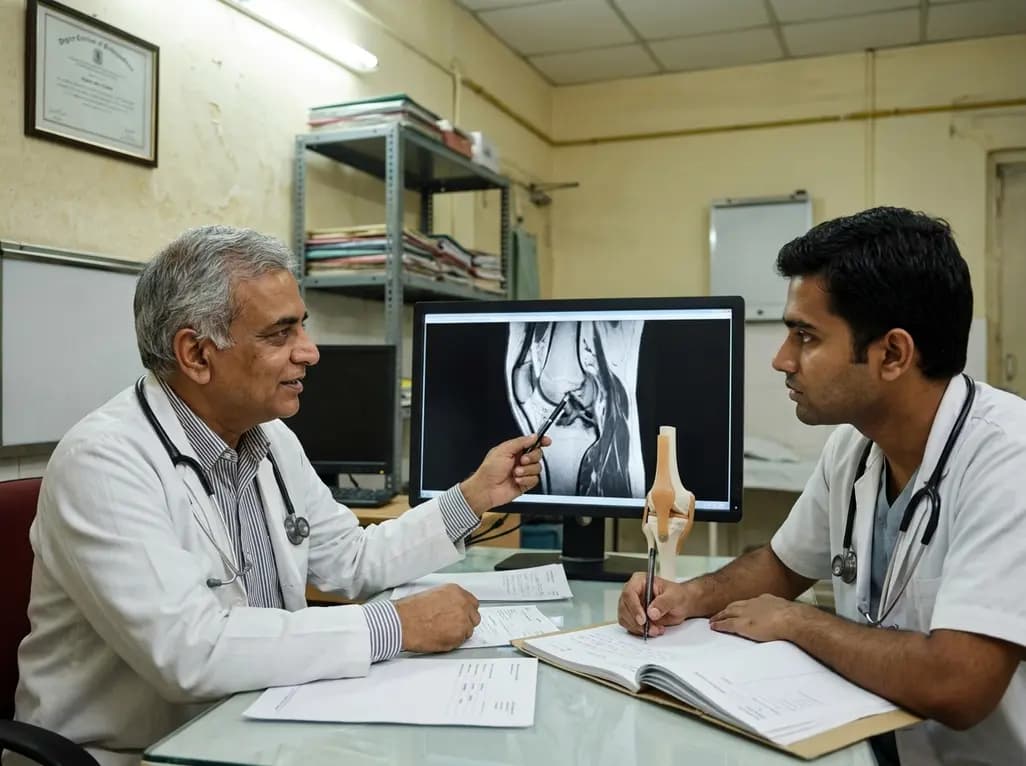
Anterior cruciate ligament reconstruction failure lacks uniform definition. A narrative review proposes an integrative framework incorporating objective and subjective instability, persistent pain, restricted motion, graft rupture, and secondary meniscal injury to standardize clinical reporting.
3 days back
With World Obesity Atlas data warning that over 41 million Indian children are overweight or obese, ICMR and NIN have unveiled a 10-point policy roadmap. The initiative calls for mandatory front-of-pack labeling, HFSS taxes, strict marketing bans, and healthier school environments to curb non-communicable diseases.
Today
