

Loading, please wait...
Loading, please wait...
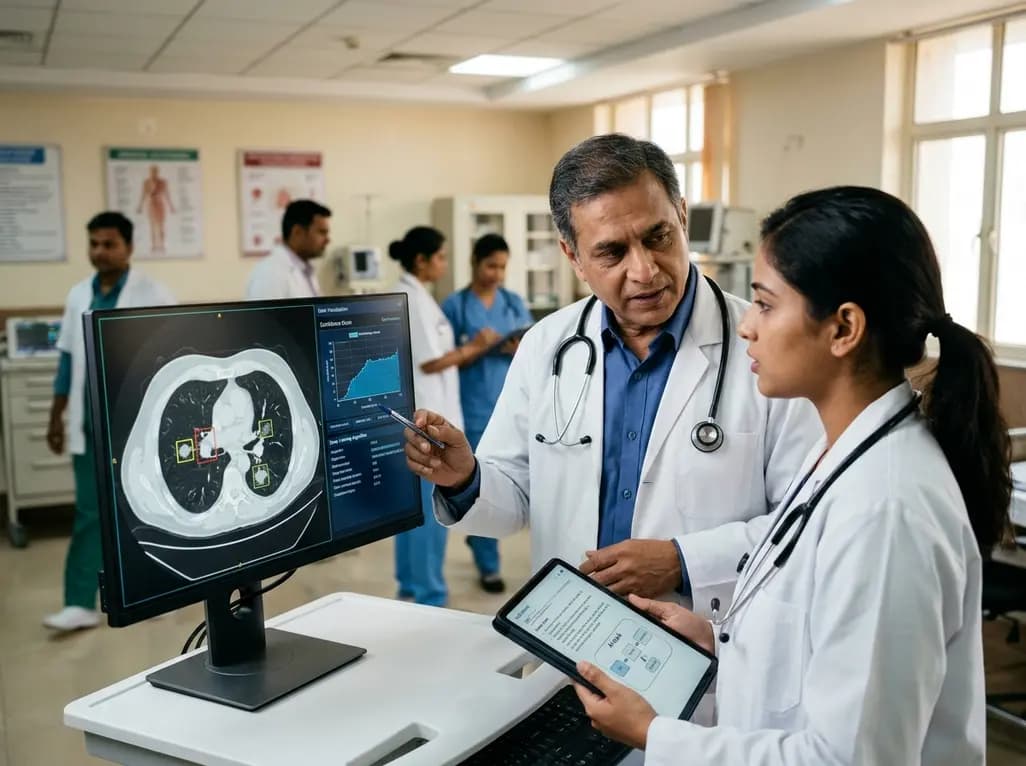
The rapid expansion of generative artificial intelligence and large language models is transforming modern medicine. Consequently, developing robust AI fluency in healthcare has shifted from an optional digital skill to an indispensable clinical requirement. Without technical comprehension, algorithmic tools risk perpetuating hidden biases, producing inaccurate outputs, and compromising patient safety. Conversely, computational scientists without healthcare training cannot fully grasp complex clinical workflows. Therefore, bridging medical expertise with algorithmic literacy ensures that clinicians actively direct technological innovation rather than passively accepting automated recommendations.
Clinical practitioners routinely interpret diagnostic imaging, formulate chemotherapy regimens, and manage complex inpatient emergencies under severe time pressures. However, introducing advanced machine learning tools into these workflows generates critical dilemmas that standard medical curricula rarely address. When healthcare professionals accept algorithmic outputs without question, diagnostic errors can propagate rapidly across hospital networks. In contrast, clinicians who possess genuine technical fluency understand both the strengths and boundaries of algorithmic systems. They systematically evaluate machine predictions against patient history, laboratory trends, and established pathophysiological evidence. Furthermore, bilingual clinicians recognize data omissions and subtle algorithmic drift that automated systems frequently overlook. For instance, an early-warning sepsis algorithm may misinterpret atypical presentations without bedside clinical oversight. By combining clinical instincts with technological fluency, medical practitioners prevent automation complacency and safeguard patient well-being. Ultimately, this balanced skill set empowers healthcare professionals to govern artificial intelligence safely, elevating care quality across all medical specialties.
Medical professionals do not need to write complex software code or train neural networks from scratch. Nevertheless, understanding the foundational architecture of artificial intelligence helps clinicians evaluate diagnostic software effectively. Experts conceptualize this technology through a comprehensive five-layer system stack: energy, hardware accelerators, digital infrastructure, foundational models, and clinical applications. First, energy generation powers vast data centers, highlighting urgent ecological and sustainability considerations. Second, specialized hardware accelerators, including graphical processing units, run intensive matrix multiplications at high speed. Third, digital infrastructure provides secure data storage, hospital electronic records integration, and network transmission. Fourth, foundational models process multimodal clinical inputs, identifying subtle diagnostic patterns. Finally, the application layer delivers diagnostic suggestions, documentation tools, and triage alerts directly to medical practitioners. Furthermore, dependencies across these layers directly influence hospital procurement costs and legal compliance. Clinicians who understand this stack can scrutinize vendor claims regarding data security, algorithmic latency, and computational demands. Consequently, this architectural clarity allows healthcare leaders to deploy dependable tools that genuinely enhance hospital performance.
Transitioning from technical novice to proficient clinical leader requires a structured educational pathway. Researchers define this journey through four distinct developmental stages: awakening, intrepidity, bilingualism, and visionary leadership. During the initial awakening stage, clinicians recognize how machine intelligence will fundamentally reshape diagnostic and therapeutic workflows. Subsequently, practitioners enter the intrepidity phase, where they courageously explore core computational concepts without technical intimidation. They actively investigate training methodology, loss functions, and dataset curation. Next, clinicians achieve true bilingualism by translating clinical challenges into precise computational problems. In this phase, doctors explain clinical nuances to software engineers while interpreting predictive confidence intervals for patients. Furthermore, this collaborative dialogue ensures that developers train machine learning models on representative clinical data. Finally, clinicians advance to visionary leadership, where they guide organizational strategy and establish digital governance committees. These physician champions oversee technology implementation, conduct ethical audits, and safeguard vulnerable patient groups. As a result, the medical workforce evolves into active technological directors who steer innovation toward equitable patient care.
Implementing computational clinical tools presents uneven hurdles across diverse socioeconomic regions. In many developing nations and low-resource settings, hospitals face electrical instability, limited broadband access, and strict budgetary limits. Moreover, commercial machine learning models frequently reflect data biases inherent to wealthy Western healthcare institutions. When local clinics deploy these tools without validation, automated models generate inaccurate recommendations for underrepresented patient cohorts. Therefore, clinicians practicing in resource-constrained environments must evaluate external algorithms with heightened clinical skepticism. Medical teams must verify that algorithmic training sets reflect indigenous epidemiology and local disease prevalence. Additionally, health systems must prioritize energy-efficient, edge-computing solutions that continue functioning during local electrical outages. Clinicians who understand computational limitations alongside community public health needs can advocate for locally calibrated algorithms. Furthermore, regulatory authorities must enforce strict validation requirements before approving digital health software. By prioritizing local clinical realities, medical professionals prevent technological imperialism and ensure equitable healthcare access across vulnerable populations.
Recent advances in computational architecture are rapidly moving healthcare toward autonomous agentic artificial intelligence. Unlike passive diagnostic assistants, autonomous agentic systems can formulate sequential therapeutic plans and execute administrative duties independently. For example, autonomous software agents can soon schedule specialized consultations, adjust infusion rates, and coordinate discharge summaries. Consequently, this autonomy introduces heightened clinical liability and operational risks for hospital teams. Medical professionals must institute rigorous human oversight to catch unexpected algorithmic miscalculations before harm reaches patients. Clinicians must also identify subtle automation complacency, where staff uncritically follow erroneous automated instructions. Moreover, doctors must maintain the clinical confidence to override software recommendations immediately. Academic medical institutions must design simulation training that allows clinicians to practice managing autonomous digital agents during simulated crises. Furthermore, hospital administrators must establish interdisciplinary surveillance teams that monitor algorithm accuracy continuously. By maintaining active clinical governance, healthcare professionals preserve ultimate therapeutic responsibility while leveraging autonomous digital systems for safer patient care.
Domain knowledge allows clinicians to interpret algorithmic recommendations within specific pathophysiological and patient contexts. While algorithms detect mathematical correlations across large datasets, they lack common sense and clinical intuition. Without clinical expertise, practitioners cannot identify algorithmic hallucinations, demographic biases, or contextual errors. Medical domain mastery ensures that clinicians critically interrogate automated suggestions, override inappropriate therapeutic recommendations, and preserve diagnostic accuracy and patient safety during routine care.
Healthcare professionals do not need to write code or build computational models to attain fluency. Instead, clinical AI fluency focuses on conceptual comprehension, critical evaluation, and practical oversight. Doctors must understand data inputs, model capabilities, failure modes, and ethical implications. This functional knowledge enables physicians to interpret predictive outputs, communicate limitations clearly to patients, and collaborate effectively with data scientists without requiring specialized programming or engineering skills.
The five-layer AI stack provides a structured framework for evaluating the technical, environmental, and financial viability of healthcare software. By analyzing energy requirements, processing hardware, digital infrastructure, foundational algorithms, and user-facing applications, procurement teams can identify hidden infrastructural costs and integration bottlenecks. Additionally, this framework helps hospital administrators assess data security safeguards, patient privacy protocols, and regulatory compliance before deploying expensive algorithmic tools into daily institutional workflows.
Disclaimer: This content is for informational and educational purposes only. It is not intended to provide medical advice, diagnosis, or treatment. Always consult qualified healthcare professionals for specific clinical concerns. Refer to the latest local and national guidelines for clinical practice.
References

Read summarized clinical updates, watch expert medical content, and earn CME certifications right from your smartphone.
Open your smartphone camera to scan and install.





Integrating deep clinical domain expertise with AI fluency is an essential competency for healthcare workers. Discover how understanding the AI stack and adopting a structured developmental pathway empowers clinicians to direct algorithms safely, mitigate algorithmic bias, and elevate modern patient care.
Today

A user-centered design study outlines a theoretical hybrid COPD care pathway combining remote patient monitoring with standard clinical care. Stakeholders emphasize a dedicated coordinator role to manage device onboarding, data review, and timely alert escalation to curb exacerbations and readmissions.
Today
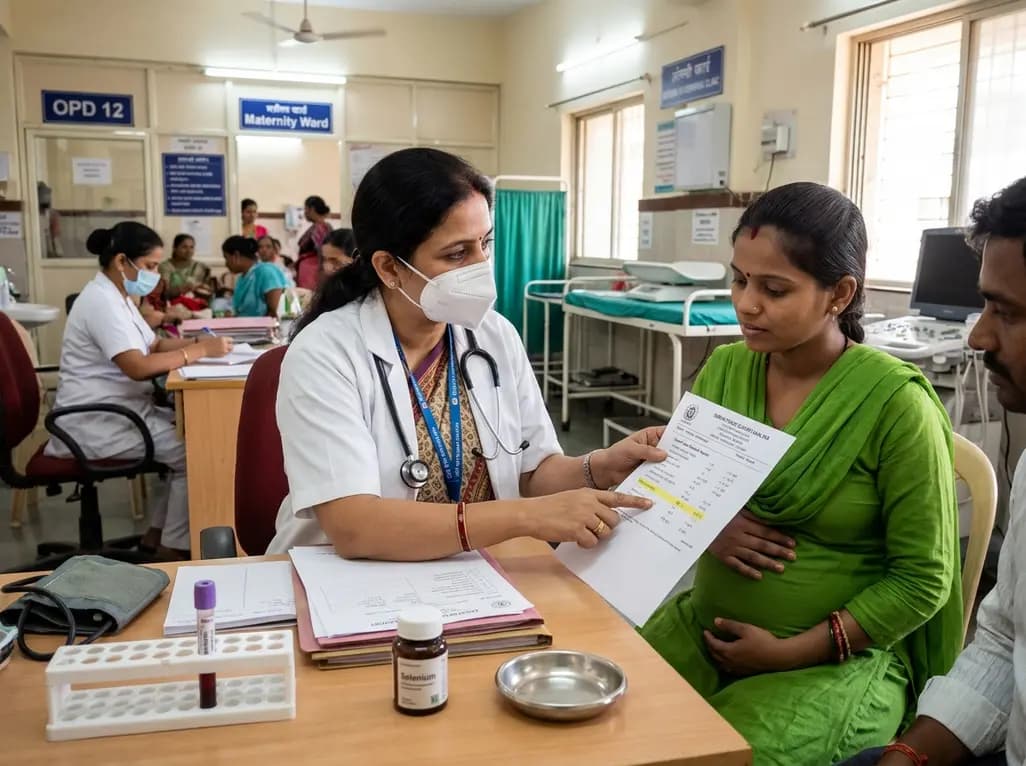
A prospective study reveals significant first-trimester trace-element alterations in pregnant women with epilepsy. Lower serum selenium independently predicted subsequent seizure recurrence despite prior remission, highlighting the vital clinical role of micronutrient profiling during antenatal care.
Today

A 15-year-old patient presented with knee arthralgia and acute rheumatic fever, exhibiting complex arrhythmias including AV blocks and non-sustained ventricular tachycardia despite lacking severe valvulitis. This highlights the importance of extended Holter monitoring in pediatric rheumatic carditis.
Today
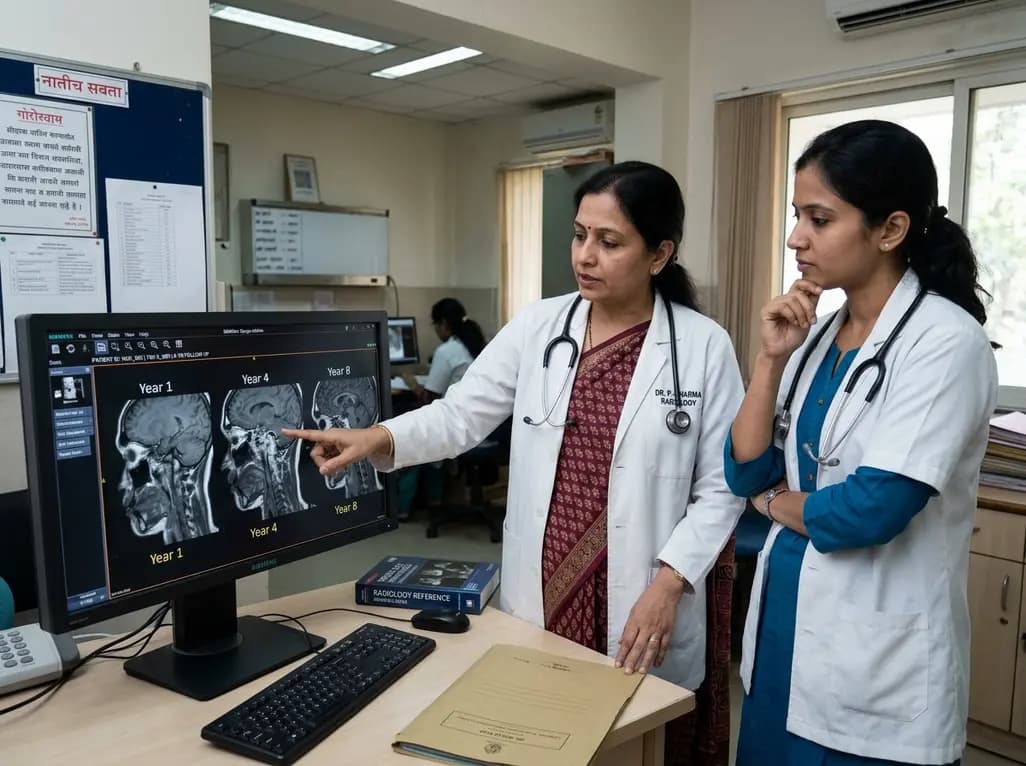
An eight-year longitudinal imaging follow-up reveals severe temporomandibular joint remodeling in nodulosis-arthropathy-osteolysis (NAO) syndrome. Despite extensive osseous destruction, the patient maintained functional jaw opening without TMJ interventions, highlighting the role of conservative management.
Today

Discover essential clinical insights into AGLP1-type amyloidosis, a rare localized complication of glucagon-like peptide-1 analog injections. Learn how histopathology and mass spectrometry differentiate benign iatrogenic amyloidomas from systemic disease, preventing misdiagnosis and unwarranted therapies.
Today
