.webp&w=384&q=75)

Loading, please wait...
Loading, please wait...
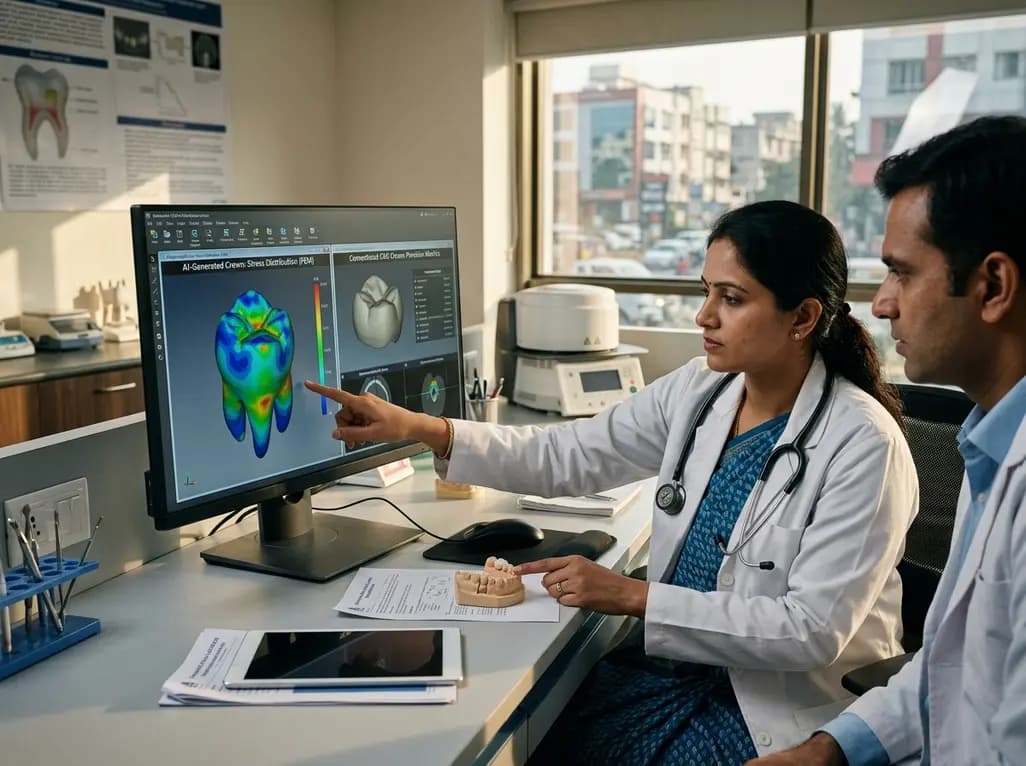
Digital dentistry continues to advance through rapid automation and machine learning algorithms. Modern restorative workflows now routinely incorporate AI dental crown design tools to accelerate laboratory turnaround times and standardize prosthetic outcomes. Clinicians and dental technicians increasingly depend on these automated platforms for everyday fixed prosthodontics. However, questions remain regarding how these generative systems perform compared to established conventional computer-aided design (CAD) software. In this comparative analysis, investigators evaluated the precision, morphology, and structural stability of posterior crowns produced by distinct design platforms. Understanding these differences allows restorative dentists to make evidence-based decisions during prosthetic planning.
Digital restorative dentistry has shifted from manual waxing to automated software solutions over recent decades. Traditional computer-aided design workflows require skilled dental technicians to define margin lines, contour anatomical grooves, and verify functional contacts. In contrast, emerging cloud platforms utilize deep learning algorithms trained on extensive digital tooth libraries. These algorithms generate monolithic crown proposals within seconds. However, dental clinicians must recognize that speed alone does not guarantee superior clinical performance.
To evaluate these technological differences, researchers utilized a standardized digital cast of a prepared maxillary first molar. The study compared three distinct software environments: a conventional CAD platform (3Shape Dental Designer) and two automated platforms (3Shape Automate and Dentbird). Each system received identical digital standard tessellation language files to ensure baseline consistency. Furthermore, a 5-axis milling machine fabricated the physical specimens from high-grade monolithic materials. By comparing traditional operator-guided software directly against cloud-based generative platforms, researchers established clear benchmarks for dimensional fidelity, anatomy, and mechanical performance under simulated masticatory loads.
Restorative success depends fundamentally on marginal fit and three-dimensional surface accuracy. Substantial deviations in internal or external surfaces can lead to cement dissolution, secondary caries, and periodontal inflammation. Therefore, investigators evaluated geometric precision using three-dimensional surface registration and root mean square deviation metrics across all milled specimens.
The investigation revealed notable variations in precision between the design software groups. The conventional CAD group demonstrated the highest overall precision, achieving the lowest root mean square deviation of 13.9 ± 3.8 µm. In comparison, both automated software programs showed higher root mean square deviations, indicating slightly increased surface discrepancies relative to the reference standard. Specifically, the Dentbird platform achieved intermediate precision, while the 3Shape Automate platform demonstrated greater deviation. Statistical analyses confirmed significant intergroup differences across these evaluations. Consequently, while automated platforms deliver clinically acceptable restorations within standard tolerances, traditional CAD workflows guided by experienced professionals still provide superior surface precision. This difference highlights the ongoing need for technician verification in demanding restorative scenarios.
Anatomic morphology plays a decisive role in masticatory efficiency, occlusal stability, and temporomandibular joint health. Dental restorations must replicate natural functional cusp slopes to harmonize with dynamic mandibular movements. In this investigation, researchers carefully analyzed the functional cusp angles of the milled maxillary molar crowns to assess geometric fidelity.
The findings showed that the conventional CAD group reproduced cusp anatomy that closely mirrored natural tooth morphology. Conversely, the automated design platforms demonstrated distinct morphological variations. One automated platform tended to produce steeper functional cusp inclinations, whereas the other flattened occlusal anatomy compared to the reference control. These morphological alterations directly influence lateral guidance and mechanical interference during mastication. In addition, steeper cusp angles can generate excessive lateral forces on underlying tooth structures, increasing the risk of mechanical complications. Therefore, clinicians must scrutinize automated occlusal proposals carefully before approving crown fabrication. Experienced operators can modify occlusal topography in digital design environments to prevent premature contacts and ensure physiological load distribution.
Beyond dimensional accuracy and surface morphology, a dental crown must withstand repetitive occlusal forces without catastrophic fracture. To explore structural integrity, investigators conducted three-dimensional finite element analysis to evaluate internal stress distributions under standardized occlusal loading conditions.
The finite element analysis revealed critical differences in von Mises stress concentration patterns among the three groups. The conventional CAD group demonstrated uniform stress dissipation across the occlusal table and axial walls, minimizing dangerous localized peak stresses. In contrast, crowns generated by automated platforms exhibited localized stress concentrations around the central fossa and internal line angles. These focal stress spikes arose primarily from variations in internal crown thickness and altered occlusal geometry generated by the automated algorithms. Consequently, crowns with irregular thickness or steep functional cusps experienced higher mechanical vulnerability under heavy loads. These findings demonstrate that crown longevity does not depend solely on material selection. Software design parameters directly govern structural reliability, highlighting the vital importance of optimal geometric planning in restorative dentistry.
The rapid evolution of digital workflows presents tremendous opportunities for modern dental clinics and commercial laboratories. Automated platforms significantly reduce design turnaround times, allowing practitioners to consider same-day restorative workflows and batch processing. Furthermore, these systems lower labor costs and help dental technicians manage high case volumes efficiently.
Nevertheless, practitioners must balance workflow efficiency against clinical precision and long-term mechanical safety. Automated software reliably handles routine single-unit posterior restorations when tooth preparation margins remain crisp and unobstructed. However, complex clinical scenarios, such as severe wear cases, altered vertical dimensions, and compromised margins, still require human expertise. Clinicians should view artificial intelligence as a supportive design assistant rather than an autonomous replacement for trained restorative specialists. Integrating digital automated tools with thorough quality checks ensures optimal outcomes. Practitioners can capitalize on rapid algorithmic drafting while maintaining rigorous quality control through manual refinement before final milling or sintering.
To achieve predictable clinical results with automated design platforms, dental teams must establish standardized digital operating protocols. High-quality restorative outcomes begin at the chairside with meticulous tooth preparation and precise intraoral scanning. Because machine learning models rely strictly on surface data, ambiguous finish lines or scan artifacts can distort automated margin detection.
First, clinicians must ensure adequate gingival retraction and moisture control before capturing digital impressions. Clear finish lines enable algorithms to delineate margins accurately without human intervention. Second, technicians must verify internal space settings, cement gaps, and minimal material thickness thresholds in the software interface. Third, practitioners should inspect occlusal contacts and functional cusp angles dynamically using virtual articulators. Finally, laboratories must calibrate 5-axis milling machines and 3D printers regularly to preserve the geometric accuracy achieved during digital planning. By combining careful clinical technique with automated digital tools, dental teams can achieve exceptional restorative precision and long-term clinical success.
Automated software platforms achieve clinically acceptable accuracy with low surface deviation across routine cases. However, conventional CAD programs guided by experienced technicians still demonstrate superior overall precision and lower root mean square deviations. While automated systems streamline restorative design workflows effectively, manual technician oversight remains essential to ensure optimal marginal fit, appropriate contact intensity, and exact anatomical reproduction in complex clinical situations.
Automated platforms can occasionally produce unintended variations in functional cusp angles and internal material thickness. These subtle geometric alterations often generate localized peak stress concentrations during heavy masticatory loading, as demonstrated in finite element analysis. Over time, elevated localized stress significantly increases the risk of ceramic chipping, catastrophic crown fracture, or accelerated mechanical wear on opposing natural dentition.
Clinicians can fabricate simple single-unit posterior restorations directly from automated software outputs, but routine manual inspection remains strongly recommended. Practitioners should always verify finish line margin placement, minimal material thickness thresholds, and proximal contact intensity before sending the standard tessellation language file to the milling unit. This quick quality control step prevents expensive chairside adjustments, remakes, and seated fit discrepancies.
Disclaimer: This content is for informational and educational purposes only... Refer to the latest local and national guidelines for clinical practice.
References

Read summarized clinical updates, watch expert medical content, and earn CME certifications right from your smartphone.
Open your smartphone camera to scan and install.





A comparative evaluation explores the precision, morphological fidelity, and finite element stress stability of AI dental crown design software against conventional CAD workflows in prosthodontics.
last month
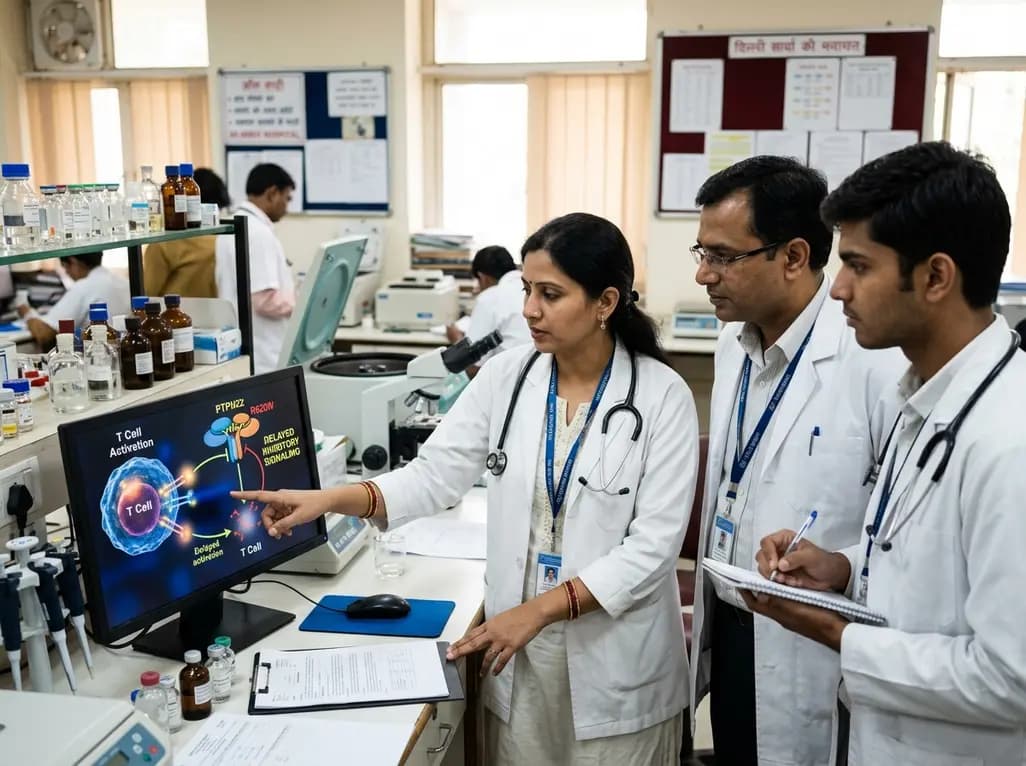
New immunological research reveals how PTPN22 forms a delayed inhibitory signaling complex to restrain T cell activation, explaining how the autoimmune-linked R620W variant disrupts feedback control and promotes persistent inflammation in conditions like rheumatoid arthritis and type 1 diabetes.
Today
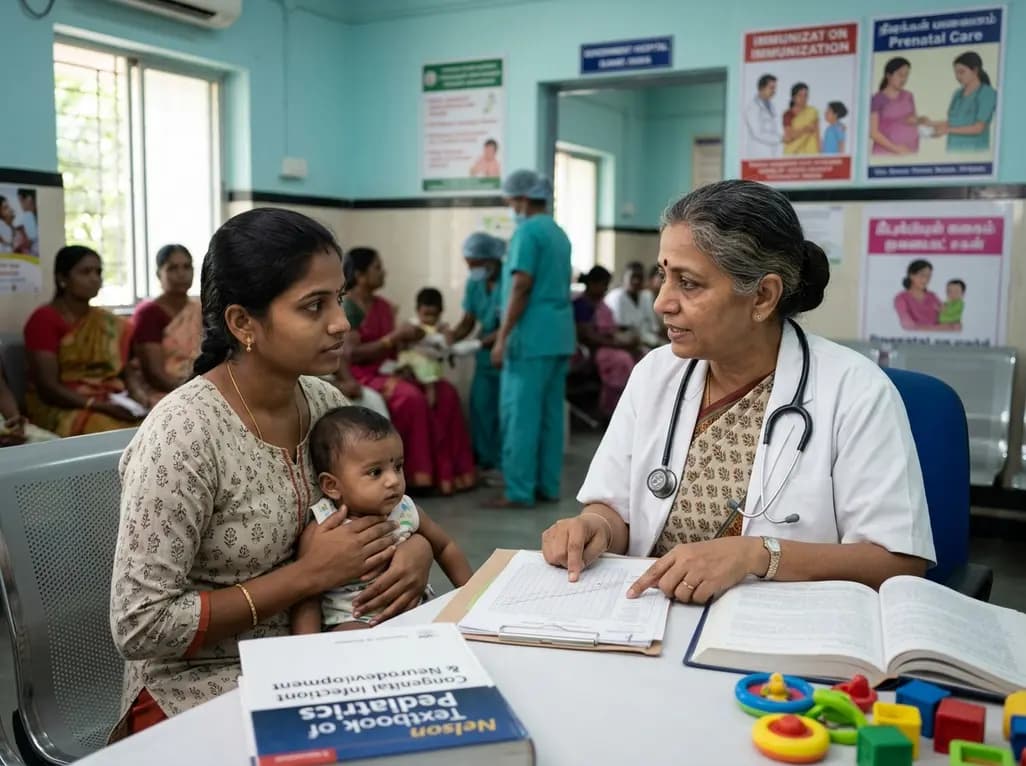
A nationwide study covering 3.7 million Swedish births reveals that prenatal exposure to TORCH pathogens significantly elevates long-term risks of intellectual disability and autism. Healthcare providers must recognize clinical indicators, promote prenatal prevention, and track early pediatric neurodevelopment.
Today
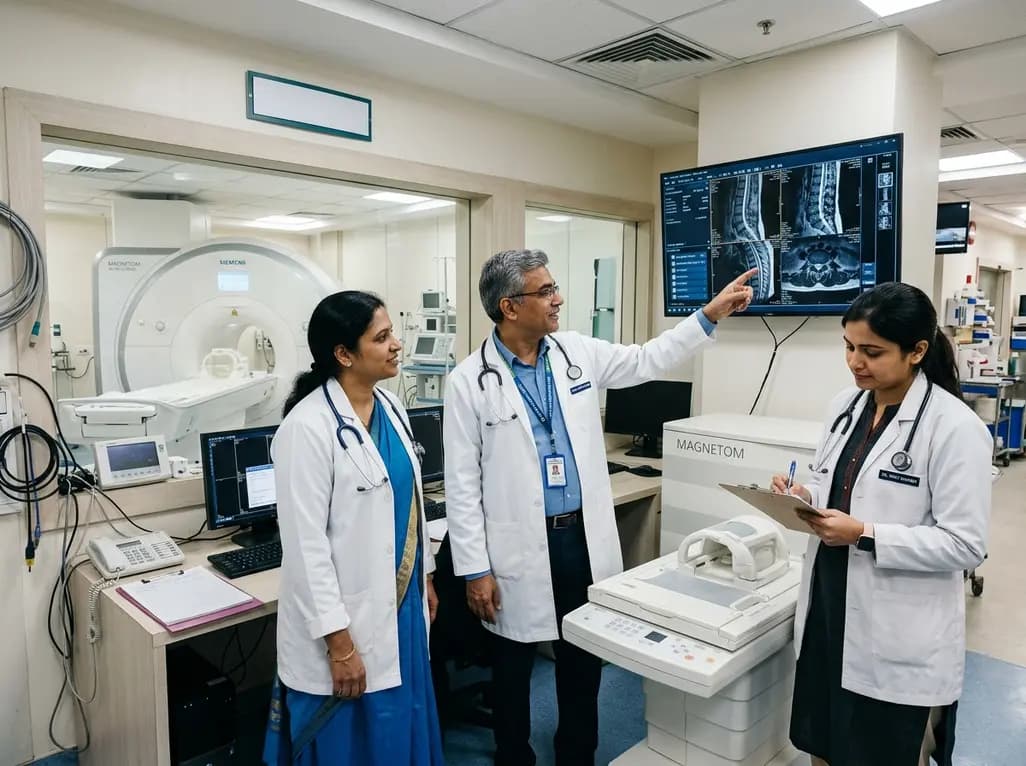
Under India's PLI initiative, domestic production of 57 critical medical devices has commenced, including MRI and CT scanners, cath labs, and heart valves. Global partnerships and local investments are expanding high-end technology, curbing import reliance, and strengthening clinical accessibility nationwide.
Today
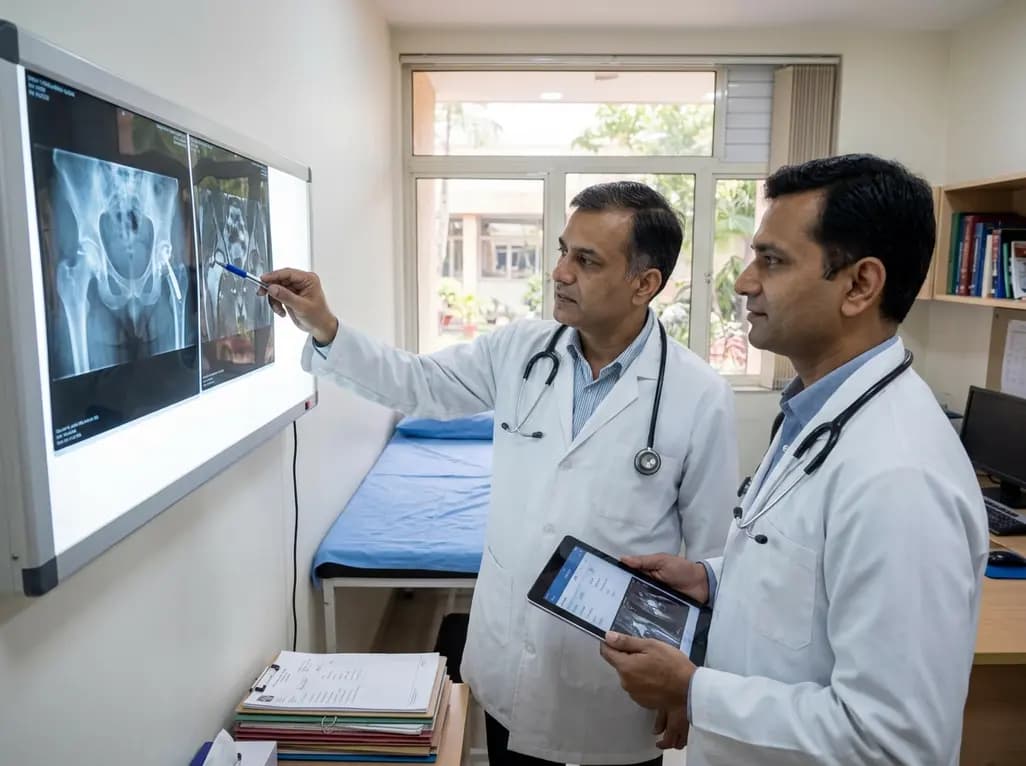
A longitudinal study reveals that patients undergoing staged bilateral hip arthroscopy experience progressive contralateral labral deterioration during surgical intervals. However, structural degradation does not compromise 2-year postoperative clinical outcomes or patient-reported satisfaction scores.
Today
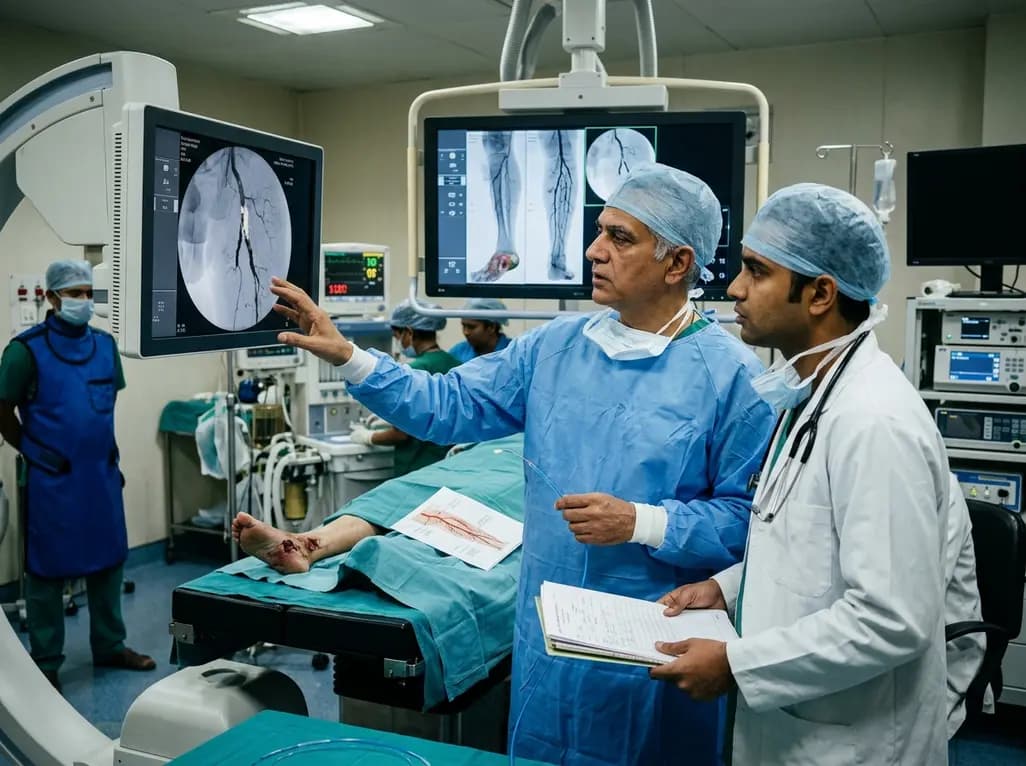
SWEDEPAD-1 trial insights show paclitaxel-coated devices do not improve long-term limb salvage in patients with chronic limb-threatening ischemia and tissue loss. While one-year reinterventions decreased, the devices were linked to a higher risk of major amputation at three months.
Yesterday
