.webp&w=384&q=75)

Loading, please wait...
Loading, please wait...

Modern healthcare systems face severe staffing constraints and rapidly increasing clinical demands worldwide. Consequently, medical practitioners frequently spend extensive working hours completing electronic health record entries rather than treating patients. Implementing AI clinical documentation offers a practical and scalable pathway to alleviate this growing clerical pressure. By streamlining administrative workflows and reducing documentation burdens, emerging artificial intelligence technologies allow doctors to prioritize meaningful clinical interactions. Ultimately, these digital innovations help safeguard clinician well-being while sustaining essential healthcare delivery during unprecedented global workforce shortages.
Healthcare organizations across the globe currently struggle with unprecedented labor shortages and escalating patient demands. According to alarming warnings from the World Health Organization, the international medical community could face a deficit of ten million health workers by 2030. Furthermore, regions with existing healthcare disparities will inevitably experience the most devastating operational strain. As populations age and chronic diseases proliferate, the existing clinical workforce must manage ever-increasing caseloads without proportional staffing support.
Unfortunately, administrative requirements severely exacerbate this chronic staffing challenge. Physicians frequently dedicate more than half of their standard workday to electronic data entry, medical charting, and billing paperwork. In addition, many practitioners spend several hours finishing charts late at night, a phenomenon commonly termed pajama time. This unmanageable documentation burden directly drives emotional exhaustion, depersonalization, and widespread professional dissatisfaction among healthcare providers. When administrative duties overwhelm clinical practice, doctors experience premature career fatigue and often consider leaving clinical medicine entirely. Therefore, healthcare leadership must urgently adopt automated technological solutions to safeguard frontline clinicians from severe burnout and sustain long-term operational capacity.
Automated note generation represents a transformative technological milestone in healthcare administration. Specifically, modern AI clinical documentation platforms utilize ambient speech recognition and advanced natural language processing to listen passively to patient-doctor dialogues. The underlying machine learning algorithms analyze conversations, extract relevant diagnostic details, and organize complex clinical information into structured notes. For example, these sophisticated systems accurately draft Subjective, Objective, Assessment, and Plan (SOAP) notes in real time without interrupting consultations.
Moreover, intelligent ambient platforms seamlessly suggest accurate diagnostic and procedural codes, including ICD-10 and CPT coding frameworks. Clinicians traditionally view billing classification as one of the most tedious and mentally taxing responsibilities of clinical workflow. However, automated systems extract relevant diagnostic concepts instantaneously during the consultation, ensuring compliance and precision. Crucially, the software guarantees that the physician retains complete oversight and authority over the final medical record. Doctors can quickly review, modify, and sign the generated documentation before formal integration into electronic health record systems. This cooperative workflow significantly accelerates administrative turnover while preserving clinical accuracy.
Excessive clerical duties often degrade the interpersonal quality of bedside communication during routine medical visits. When clinicians must type continuously on computer keyboards during appointments, patients frequently feel neglected, unheard, or rushed. In contrast, ambient artificial intelligence operates silently in the background without requiring active manual input. Consequently, healthcare practitioners can maintain consistent eye contact, display active listening skills, and fully engage with their patients throughout the entire clinical encounter.
Furthermore, this renewed interpersonal focus fosters stronger therapeutic alliances and establishes deep trust between patients and providers. Patients consistently report higher clinical satisfaction scores when their physicians appear attentive, calm, and unhurried during examinations. Simultaneously, medical practitioners experience renewed professional fulfillment because ambient software removes repetitive manual typing and cognitive fatigue. By shifting clerical burdens away from human clinicians toward automated intelligence, modern clinical delivery becomes markedly more empathetic, collaborative, and human-centered. Ultimately, restoring the human side of medicine protects provider well-being and elevates overall patient care standards.
Recent large-scale healthcare implementations offer compelling empirical evidence regarding the practical value of ambient medical scribes. For instance, prominent integrated healthcare networks like Kaiser Permanente have successfully deployed artificial intelligence scribes across hundreds of medical offices and dozens of hospitals. Clinicians utilizing these automated tools reported substantial reductions in after-hours charting time, decreased clerical frustration, and lower overall cognitive fatigue during demanding shifts.
Additionally, extensive observational studies highlight meaningful operational time savings across diverse outpatient and inpatient specialties. Medical providers who regularly utilize ambient scribing software frequently reduce their daily documentation workload by twenty to thirty percent. Moreover, multicenter quality improvement investigations indicate a substantial decline in measurable physician burnout symptoms within thirty days of software adoption. These measurable improvements demonstrate that automated clinical charting provides sustainable operational relief rather than mere theoretical benefits. Consequently, health systems worldwide are accelerating the enterprise-wide adoption of ambient documentation technologies to optimize workforce efficiency.
Although artificial intelligence provides remarkable administrative relief, automated tools cannot substitute for comprehensive clinical judgment. Healthcare organizations must establish rigorous clinical governance frameworks to maintain patient safety, diagnostic integrity, and record reliability. For instance, generative language models may occasionally generate minor contextual inaccuracies or factual hallucinations during complex patient presentations. Therefore, mandatory physician verification remains an indispensable ethical requirement for every artificial intelligence-generated document.
In addition, artificial intelligence assists broader health system operations by optimizing patient navigation and clinical triage. Intelligent intake platforms direct patients to appropriate specialists promptly, eliminating redundant appointments and easing specialist workloads. Furthermore, healthcare organizations must uphold strict patient privacy standards, obtaining informed consent and securing audio streams. By combining responsible oversight with intelligent navigation and documentation, health systems maximize efficiency while protecting patient safety. Ultimately, this balanced strategy empowers healthcare workers to deliver timely, high-quality care amidst mounting global workforce constraints.
Q1: What is an ambient AI scribe and how does it function during a consultation?
An ambient AI scribe is an advanced digital tool that securely listens to patient-physician conversations during medical consultations. By utilizing speech recognition and natural language processing, the software accurately converts spoken clinical dialogue into structured medical notes and billing codes. The attending physician then reviews, edits, and approves the generated documentation before it enters the electronic health record system.
Q2: Can artificial intelligence documentation tools replace professional clinical decision-making?
No, artificial intelligence documentation tools cannot replace professional clinical judgment or direct patient care. These platforms operate exclusively as clerical assistants designed to draft preliminary notes and suggest administrative codes. The attending physician remains entirely responsible for evaluating clinical nuances, establishing accurate diagnoses, determining therapeutic management plans, and verifying all final medical records before official submission.
Q3: How does automating documentation help address global healthcare workforce shortages?
Automating documentation significantly reduces the daily clerical burden on clinicians, allowing existing medical staff to manage patient volume more effectively without developing severe professional burnout. By eliminating tedious charting and late-night administrative work, healthcare organizations can improve job satisfaction, decrease clinician turnover, and maintain high standards of patient care despite persistent international physician and nursing shortages.
Disclaimer: This content is for informational and educational purposes only. It does not constitute medical advice or replace professional judgment. Refer to the latest local and national guidelines for clinical practice.
References

Read summarized clinical updates, watch expert medical content, and earn CME certifications right from your smartphone.
Open your smartphone camera to scan and install.





As healthcare systems confront severe workforce shortages, ambient artificial intelligence tools are revolutionizing clinical documentation. By automating note drafting and medical coding while keeping physicians in control, these technologies help restore focus to direct patient care and alleviate provider burnout.
last month
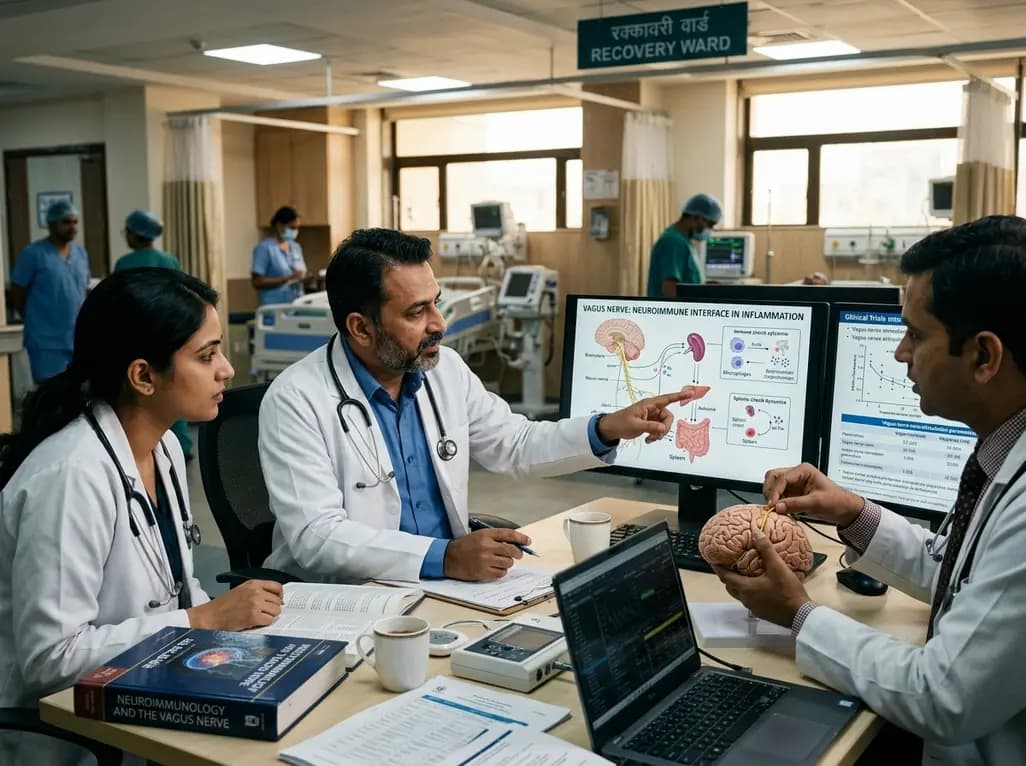
A review examines how vagal neuroimmune circuits link the brain and immune system, sensing cytokine surges and dampening peripheral inflammation. Bioelectronic medicine harnesses these pathways to provide targeted, non-pharmacological therapies for chronic inflammatory and autoimmune diseases.
Today
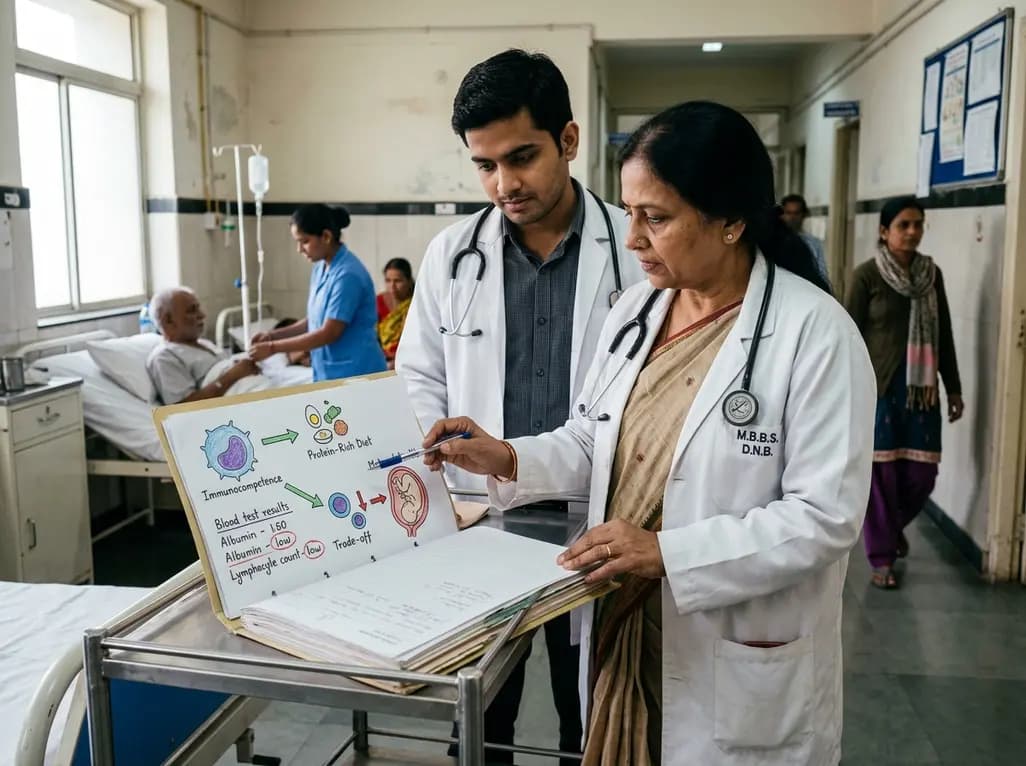
Explore the crucial link between dietary protein and immunocompetence. This review examines how low-protein nutrition shifts metabolic resources away from pathogen defense toward early reproduction, compromising host survival and immunity against severe bacterial infections.
Today
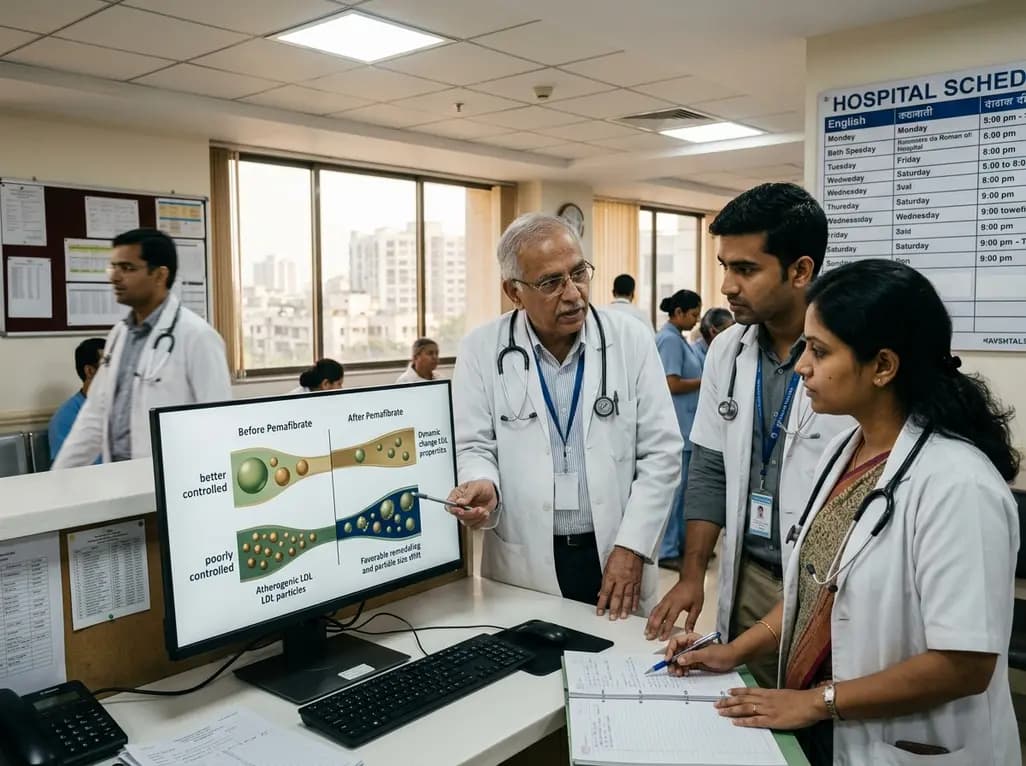
A post hoc analysis of the PARM-T2D study shows pemafibrate exerts baseline-dependent effects on LDL-C and particle size in type 2 diabetes and hypertriglyceridemia. It lowers triglycerides and remnants while favorably remodeling atherogenic LDL particles based on initial lipid control status.
Today
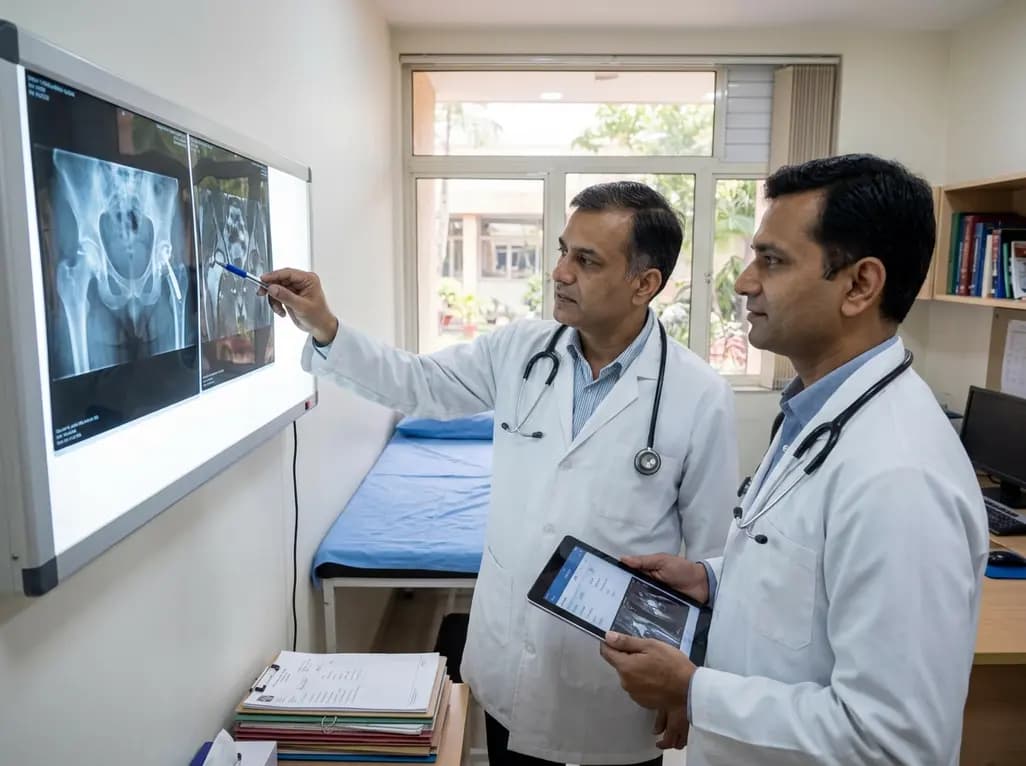
A longitudinal study reveals that patients undergoing staged bilateral hip arthroscopy experience progressive contralateral labral deterioration during surgical intervals. However, structural degradation does not compromise 2-year postoperative clinical outcomes or patient-reported satisfaction scores.
Today
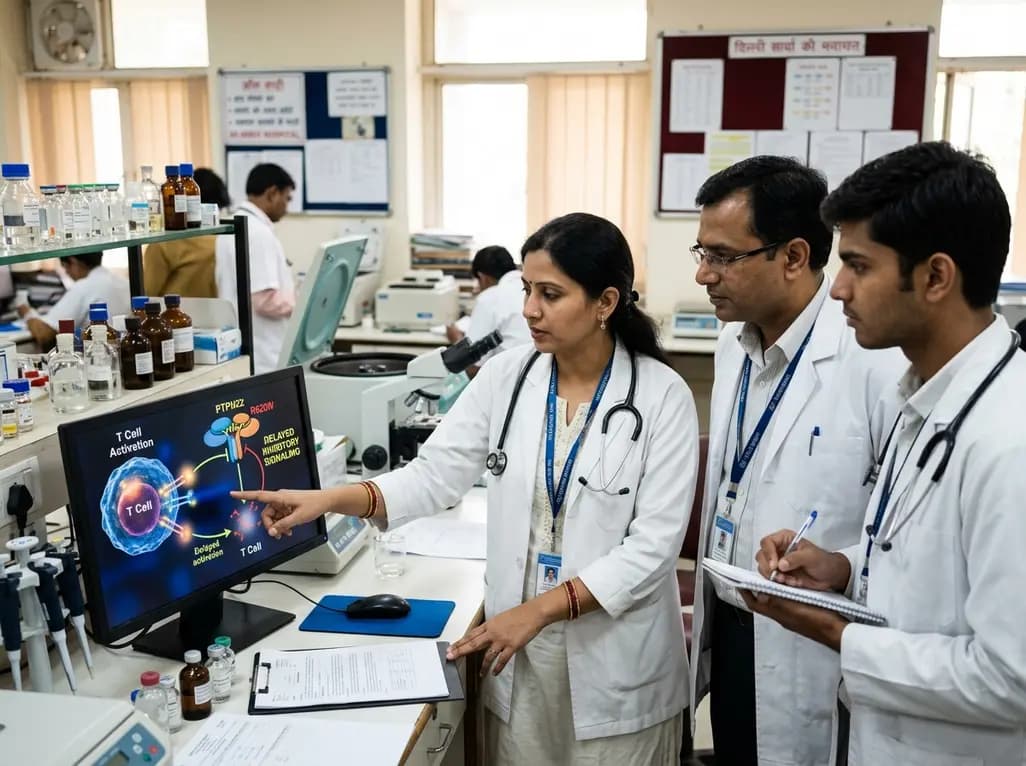
New immunological research reveals how PTPN22 forms a delayed inhibitory signaling complex to restrain T cell activation, explaining how the autoimmune-linked R620W variant disrupts feedback control and promotes persistent inflammation in conditions like rheumatoid arthritis and type 1 diabetes.
Today
