.webp&w=384&q=75)

Loading, please wait...
Loading, please wait...

Managing cytologically indeterminate thyroid nodules presents a persistent challenge in modern endocrine and surgical practice. When thyroid fine-needle aspiration biopsy cytopathology yields Bethesda Category III or IV diagnoses, clinicians frequently face clinical uncertainty regarding true malignancy risks. Historically, this diagnostic ambiguity prompted diagnostic thyroid lobectomies or total surgical resections for nodules that often proved histologically benign on final surgical pathology. However, recent advances in molecular diagnostics have fundamentally reshaped this clinical paradigm. Molecular diagnostic classifiers evaluate gene expression signatures to guide personalized clinical decision-making. Specifically, the Afirma Genomic Sequencing Classifier accurately identifies benign nodules to reduce unnecessary surgical procedures. Yet, when clinicians encounter a classifier-suspicious result, determining the exact malignant potential and biological aggressiveness remains difficult. The Afirma Xpression Atlas platform evaluates expressed genomic variants and RNA fusions to address this specific clinical dilemma. Consequently, understanding how expressed genomic alterations correlate with final histopathologic outcomes is critical for refining surgical strategies and tailoring treatment intensity. As molecular testing becomes more accessible globally, evaluating these transcriptomic signatures helps clinicians balance oncologic safety against surgical overtreatment for affected individuals.
The Afirma Xpression Atlas platform operates through comprehensive whole-transcriptome RNA sequencing to identify known thyroid cancer drivers. While traditional targeted gene panels examine only a limited subset of common point mutations, this expanded platform analyzes over five hundred expressed genes simultaneously. Furthermore, the test detects hundreds of distinct sequence variants and genomic fusion pairs with high analytical specificity. These molecular alterations include well-characterized oncogenic drivers such as BRAF, RAS, RET, and NTRK aberrations. When an indeterminate thyroid nodule demonstrates a suspicious genomic classifier result, the platform searches for actionable alterations within the expressed RNA transcriptome. Therefore, clinicians receive detailed molecular information rather than a simple binary classification. This biological data helps distinguish aggressive neoplastic processes from indolent follicular patterned lesions. Additionally, identifying expressed transcriptomic alterations offers meaningful prognostic insight before surgical intervention. Clinicians can evaluate whether an indeterminate lesion harbors high-risk oncogenic drivers that warrant aggressive resection or low-risk alterations suitable for conservative management. Consequently, whole-transcriptome sequencing bridges the diagnostic gap between cytopathology and definitive histology.
Recent clinical evidence provides important insights into histopathologic outcomes across different genomic alteration subgroups in suspicious nodules. In a comprehensive single-institution retrospective analysis of surgical resections, researchers evaluated consecutive patients with Bethesda III and IV cytology. Notably, the study demonstrated that specific genomic alterations strongly correlate with surgical malignancy rates. Lesions harboring BRAF alterations exhibited the highest malignancy risk, reaching one hundred percent on surgical pathology review. In contrast, nodules harboring other genomic alterations showed an intermediate malignancy rate of approximately sixty-eight percent. Furthermore, RAS-altered nodules demonstrated a malignancy rate of nearly fifty-six percent across the cohort. Interestingly, alteration-negative nodules that were suspicious on the initial classifier still showed a malignancy rate exceeding forty-six percent. These findings clearly demonstrate that the absence of a detectable alteration does not exclude malignancy. Consequently, clinicians must recognize that alteration detection refines risk stratification rather than acting as a definitive rule-out parameter for surgical disease. Understanding these distinct subgroup risk profiles enables endocrinologists and surgeons to counsel patients more accurately regarding their individualized probability of malignancy.
Integrating genomic alteration status into surgical decision-making provides significant clinical value for managing indeterminate thyroid nodules. Surgeons can tailor the initial surgical extent based on the specific molecular signature detected preoperatively. For example, finding a BRAF V600E alteration indicates classic papillary thyroid carcinoma biology, which supports an upfront total thyroidectomy and appropriate nodal staging. Conversely, identifying RAS variants often corresponds with low-grade follicular neoplasms or noninvasive follicular thyroid neoplasms with papillary-like nuclear features. In these cases, an organ-sparing diagnostic thyroid lobectomy typically represents the most appropriate initial management approach. Additionally, multivariable analyses demonstrate that molecular alteration profiles independently predict recurrence risk categories established by the American Thyroid Association. Therefore, clinicians can anticipate postoperative treatment requirements, such as radioactive iodine ablation, before entering the operating room. This nuanced stratification ensures tailored oncologic care, prevents overtreatment of indolent tumors, and optimizes clinical outcomes for patients with biologically aggressive disease. Ultimately, preoperative transcriptomic profiling empowers multidisciplinary teams to deliver risk-adapted surgical care.
Incorporating advanced molecular diagnostics into multidisciplinary endocrinology workflows enhances diagnostic precision for indeterminate thyroid nodules. High-resolution ultrasound characteristics, cytopathology classifications, and transcriptomic profiling work synergistically to establish comprehensive clinical risk profiles. Clinicians increasingly rely on these integrated multimodal tools to avoid unnecessary diagnostic operations while ensuring timely surgical resection for aggressive neoplasms. However, surgeons must interpret alteration-negative results with caution when the baseline classifier remains suspicious. Because alteration-negative lesions retain a substantial malignancy rate near forty-six percent, diagnostic lobectomy remains standard practice for these indeterminate cases. Furthermore, continuing molecular research will elucidate rare fusion partners, copy number variations, and novel driver mutations. As clinical experience expands across healthcare systems, risk stratification models will incorporate machine learning and broader genomic signatures. Ultimately, utilizing whole-transcriptome sequencing refines individualized patient counseling and aligns clinical management strategies with underlying tumor biology. This patient-centered approach minimizes surgical morbidity while maintaining optimal oncologic safety across diverse clinical practice settings.
The Afirma Xpression Atlas is an advanced whole-transcriptome RNA-sequencing platform designed for cytologically indeterminate thyroid nodules with suspicious genomic classifier results. It detects expressed genomic variants and RNA fusions across hundreds of genes. By identifying specific oncogenic drivers such as BRAF or RAS, the platform refines malignancy risk stratification and helps clinicians choose between conservative thyroid lobectomy, comprehensive total thyroidectomy, or tailored postoperative surveillance.
No, an alteration-negative result does not rule out thyroid malignancy in nodules classified as suspicious by the genomic sequencing classifier. Recent surgical studies demonstrate that alteration-negative suspicious nodules still carry a histopathologic malignancy rate of over forty-six percent. Therefore, clinicians cannot use a negative alteration finding as a rule-out test, and standard surgical resection or diagnostic lobectomy typically remains necessary to establish a definitive diagnosis.
Specific gene alterations provide critical guidance for surgical planning in indeterminate nodules. BRAF alterations carry an exceptionally high risk of malignancy, approaching one hundred percent, which often justifies an upfront total thyroidectomy and comprehensive nodal evaluation. In contrast, RAS alterations frequently associate with encapsulated follicular lesions or noninvasive neoplasms. Consequently, surgeons commonly select an organ-sparing thyroid lobectomy for RAS-positive nodules to minimize patient morbidity.
Disclaimer: This content is for informational and educational purposes only and should not be considered medical advice. It is not intended to diagnose, treat, or replace professional healthcare consultation. Refer to the latest local and national guidelines for clinical practice.
References
Peng TD et al. Afirma Xpression Atlas Alteration Status Is Associated with Malignancy Risk in Indeterminate Thyroid Nodules. Thyroid. 2026 Aug 28. doi: 10.1177/10507256261484715. PMID: 42663592.
Hu MI, Waguespack SG, Dosiou C, et al. Afirma Genomic Sequencing Classifier and Xpression Atlas Molecular Findings in Consecutive Bethesda III-VI Thyroid Nodules. J Clin Endocrinol Metab. 2021;106(8):2198-2207.
Haugen BR, Alexander EK, Bible KC, et al. 2015 American Thyroid Association Management Guidelines for Adult Patients with Thyroid Nodules and Differentiated Thyroid Cancer. Thyroid. 2016;26(1):1-133.

Read summarized clinical updates, watch expert medical content, and earn CME certifications right from your smartphone.
Open your smartphone camera to scan and install.





New research demonstrates that the Afirma Xpression Atlas refines malignancy risk stratification in GSC-suspicious indeterminate thyroid nodules, guiding surgical decision-making and predicting recurrence risk.
4 weeks back
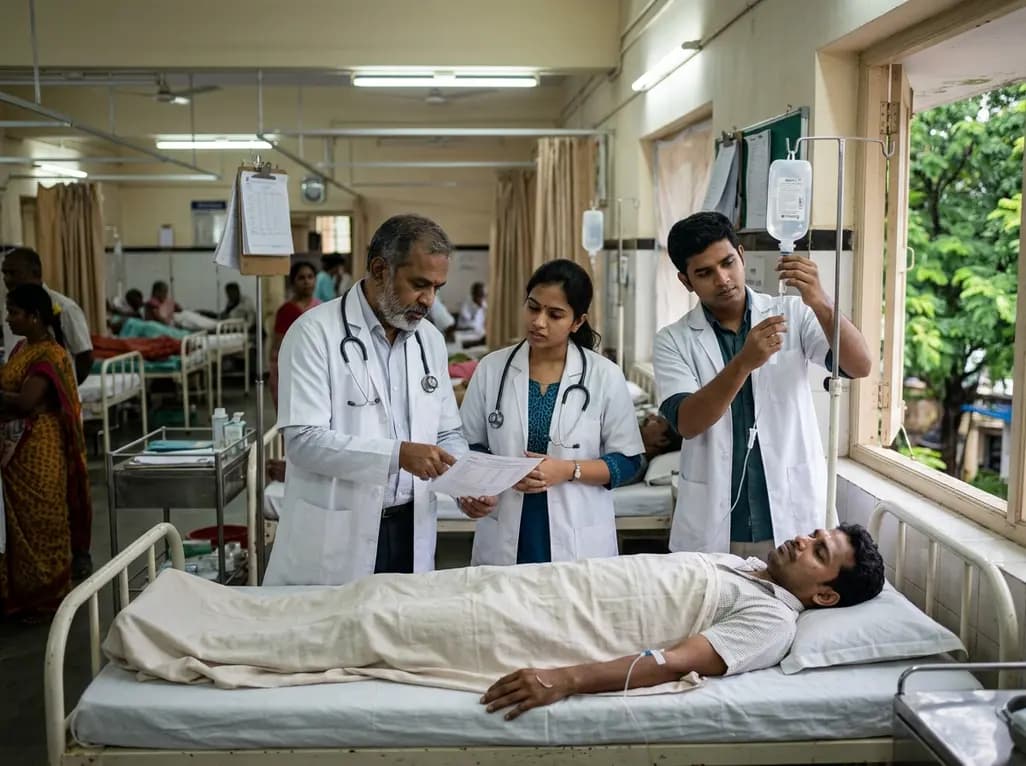
With post-monsoon dengue surges threatening South Asian health systems, physicians must refine triage and management. This guide covers vital warning signs, plasma leakage detection, crystalloid titration, and vector containment strategies to prevent mortality during seasonal arboviral epidemics.
Today

Findings from Project Viva indicate that sustained postpartum weight retention, rather than excessive gestational weight gain alone, directly worsens women's mid-life cardiovascular health, degrading blood pressure and glycemic parameters decades after delivery.
Today
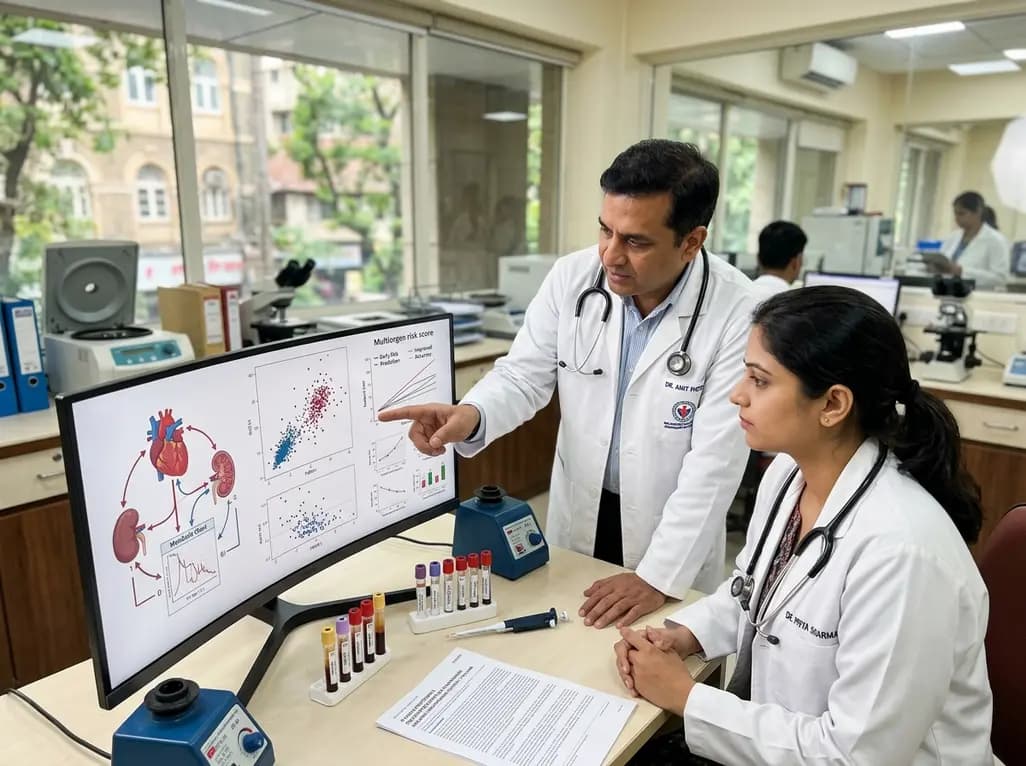
A large UK Biobank study reveals that plasma proteomic signatures capture preclinical organ damage and improve multiorgan risk prediction across early CKM syndrome stages 0 to 2 beyond traditional PREVENT clinical models.
Today
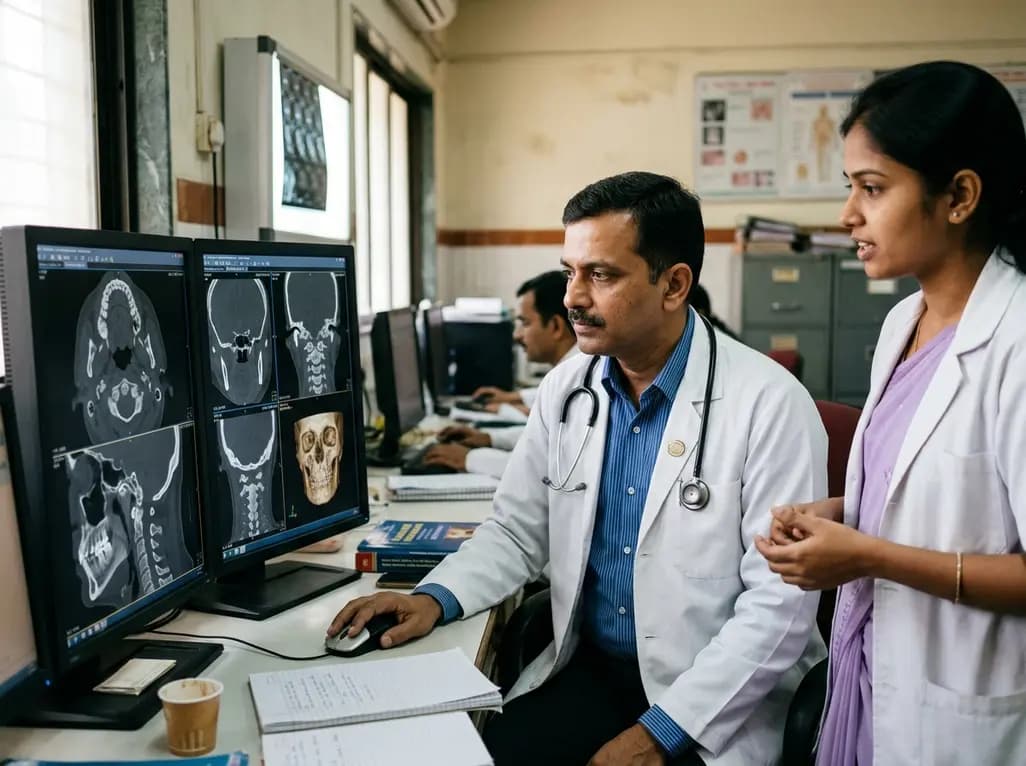
A retrospective CBCT study reveals that superior TMJ space asymmetry correlates moderately with occipital condyle-atlas-axis asymmetry in unilateral TMJ osteoarthritis, highlighting an imaging correlate between jaw biomechanics and upper cervical alignment rather than a standalone diagnostic marker.
Today

A Bayesian multilevel meta-analysis reveals that aerobic training combined with moderate carbohydrate restriction modestly lowers HbA1c in type 2 diabetes. However, sparse data and very low certainty leave incremental benefits over exercise or diet alone unproven, highlighting the need for individualized care.
Today
