

Loading, please wait...
Loading, please wait...
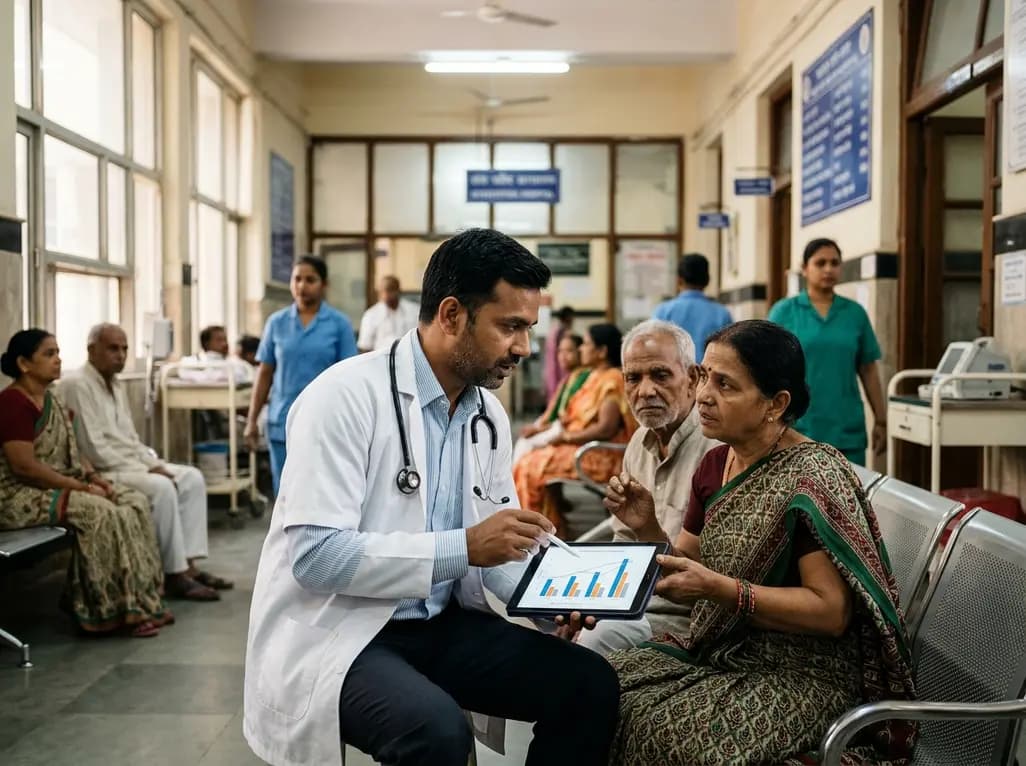
Caring for older adults suffering from neurodegenerative diseases places an extraordinary emotional and physical strain on families. Clinicians frequently encounter exhausted family members, yet standard consultations rarely capture the daily realities of home care. A recent study in JMIR Aging demonstrated how advanced artificial intelligence can quantify ADRD caregiver burden across thousands of real-world caregiver narratives. By examining extensive peer discussions, researchers identified key trajectories that precipitate caregiver exhaustion and mental distress. For clinicians managing dementia in practice, understanding these nuanced dynamics is essential for improving both patient outcomes and family well-being.
The landmark study analyzed over 13,000 online submissions from informal caregivers using validated open-weight language models. Consequently, the researchers tracked how care demands evolve as cognitive decline progresses over time. Caregiver burden showed a marked, stepwise increase across disease stages. Specifically, the mean burden score rose from 5.38 in early-stage dementia to 6.96 in moderate illness, reaching a peak of 7.77 during late-stage disease. Therefore, cognitive and physical deterioration directly translates into escalating caregiver strain. The findings emphasize that burden is not static; rather, it compounds relentlessly as functional autonomy disappears. In outpatient neurology and memory clinics, physicians often focus primarily on patient cognitive metrics. However, these quantitative findings demonstrate that clinical teams must systematically monitor the escalating stress experienced by family members. Furthermore, adult children comprised over 62 percent of caregivers, while grandchildren accounted for 15 percent. This demographic distribution underscores the generational toll of dementia care, as working-age adults struggle to balance professional responsibilities, child-rearing duties, and eldercare.
The artificial intelligence model uncovered that behavioral strain serves as the single most prevalent primary stressor reported by caregivers. Patients exhibiting behavioral and psychological symptoms of dementia (BPSD), such as agitation, wandering, sundowning, and nighttime disturbances, trigger acute distress in home environments. While memory loss presents logistical difficulties, unpredictable and disruptive behaviors inflict profound emotional trauma on families. Moreover, managing aggressive outbursts or persistent delusions without professional assistance quickly depletes psychological coping reserves. Clinicians must recognize that informal caregivers frequently lack specialized training to de-escalate these neuropsychiatric crises safely. Therefore, routine clinic visits should prioritize targeted screening for behavioral challenges before severe burnout occurs. Pharmacological interventions may offer selective relief when non-pharmacological approaches prove inadequate. Additionally, educating family members on validated de-escalation techniques, predictable routines, and environmental modifications can significantly alleviate day-to-day friction. When clinicians proactively address behavioral disturbances, they mitigate the leading driver of home care breakdown and prevent premature institutionalization.
Beyond direct caregiving tasks, the computational workflow identified multiple secondary stressors that exacerbate distress. Family conflict emerged as a leading secondary stressor among caregivers. Disagreements regarding care decisions, uneven chore distribution among siblings, and differing perceptions of illness severity generate intense interpersonal friction. Furthermore, financial strain profoundly impacts families, particularly when long-term assistance or specialized medications require heavy out-of-pocket spending. In developing healthcare ecosystems where insurance coverage for formal eldercare remains sparse, medical expenditures rapidly deplete family savings. In addition, social isolation steadily deepens as caregivers withdraw from community networks due to demanding supervision schedules. Consequently, chronic loneliness amplifies anxiety and depressive symptoms. Clinicians must therefore view the caregiving environment through a holistic biopsychosocial lens. Healthcare providers can facilitate family counseling sessions to clarify care expectations and establish equitable responsibilities among relatives. Connecting families with medical social workers and local community organizations also provides essential financial navigation and emotional relief.
Pairwise subgroup analyses revealed distinct, high-risk scenarios where caregiver burden reached its absolute peak. Specifically, caregivers navigating late-stage disease alongside unmet emotional support needs reported staggering burden scores averaging 8.42. Similarly, care transitions combined with emotional distress produced an extraordinary burden score of 8.45. Moving a loved one from home to a dedicated memory care facility or shifting toward palliative hospice care represents an acutely destabilizing period. During these junctures, family members experience profound guilt, administrative confusion, anticipatory grief, and emotional exhaustion. Nevertheless, traditional healthcare encounters often neglect these critical transitional phases. When medical teams prepare patients for advanced care planning, they must simultaneously build psychological scaffolding for the primary caregiver. Establishing structured transition protocols, offering direct counseling, and providing clear roadmaps for expected disease trajectories can substantially buffer this distress. Identifying these high-vulnerability periods allows clinical teams to deploy timely interventions before catastrophic caregiver collapse occurs.
The successful deployment of artificial intelligence to analyze vast caregiver communications marks a transformative advancement in digital health research. Traditionally, capturing caregiver burden relied on small survey samples or constrained clinical trials. By leveraging locally hosted language models paired with rigorous human validation, researchers processed thousands of organic narratives without compromising data privacy. This computational methodology delivers actionable epidemiologic evidence regarding how real patients and families cope outside hospital walls. For practicing physicians, these findings reinforce the necessity of implementing standardized caregiver burden evaluations, such as the Zarit Burden Interview, during routine follow-ups. Furthermore, multidisciplinary collaboration between neurologists, psychiatrists, geriatricians, and social workers is paramount. Physicians should actively prescribe respite care, recommend localized support groups, and deliver clear, stage-specific anticipatory guidance. Supporting family caregivers is not merely an act of compassion; it is an evidence-based clinical strategy that directly improves patient compliance, reduces hospital readmissions, and enhances overall quality of care.
The Zarit Burden Interview is a validated clinical instrument designed to measure subjective strain among informal caregivers. Clinicians should administer this questionnaire during routine follow-up visits to quantify emotional, physical, and financial distress. By establishing a clear baseline score, healthcare providers can track disease progression, detect early caregiver burnout, and promptly implement targeted psychosocial or community interventions.
Care transitions destabilize established family routines and trigger intense psychological conflict. Caregivers often struggle with deep feelings of personal failure, guilt, and anticipatory grief when transferring care responsibilities. Furthermore, coordinating complex administrative logistics, adapting to new medical environments, and managing late-stage neuropsychiatric symptoms simultaneously compound emotional strain, causing caregiver burden scores to spike dramatically during these vulnerable periods.
Family physicians should first assess patients for reversible medical triggers, including occult infections, chronic pain, sensory deficits, or adverse medication effects. Next, clinicians must educate caregivers on non-pharmacological behavioral modifications, environmental adjustments, and calming communication techniques. When non-pharmacological strategies prove insufficient, judicious, evidence-based psychotropic medications can be initiated with close follow-up to optimize patient stability and reduce family distress.
Disclaimer: This content is for informational and educational purposes only... Refer to the latest local and national guidelines for clinical practice.
References
Zhang Y et al. Alzheimer Disease and Related Dementias Caregiver Burden on Reddit: Large Language Model-Assisted Measurement Study. JMIR Aging. 2026 Nov 24. doi: 10.2196/103305. PMID: 43077673.
Angrisani M, Reed NS, Banerjee J, Lee J. Dementia caregiving in India: New evidence from a National representative sample. Alzheimers Dement. 2025;21(5):e70266.
Indian Psychiatric Society. Clinical Practice Guidelines for Management of Dementia. Indian J Psychiatry. 2018;60(Suppl 3):S312-S328.

Read summarized clinical updates, watch expert medical content, and earn CME certifications right from your smartphone.
Open your smartphone camera to scan and install.





A breakthrough artificial intelligence study analyzing thousands of caregiver posts reveals how ADRD caregiver burden escalates across stages, highlighting behavioral strain, family conflict, and critical care transitions as primary drivers of burnout.
Today

A validation study evaluates the consumer-grade InBody Dial H30 bioelectrical impedance device against a 3-compartment criterion in recreationally active adults, revealing a slight overestimation in body fat percentage and underestimation in fat-free mass alongside notable individual limits of agreement.
Today

A nationwide survey reveals substantial knowledge gaps among general practitioners regarding fetal pathology and autopsy. Enhanced training and interdisciplinary communication are vital to guide stillbirth evaluation, clarify autopsy consent, and improve preconception counseling for bereaved parents.
Today
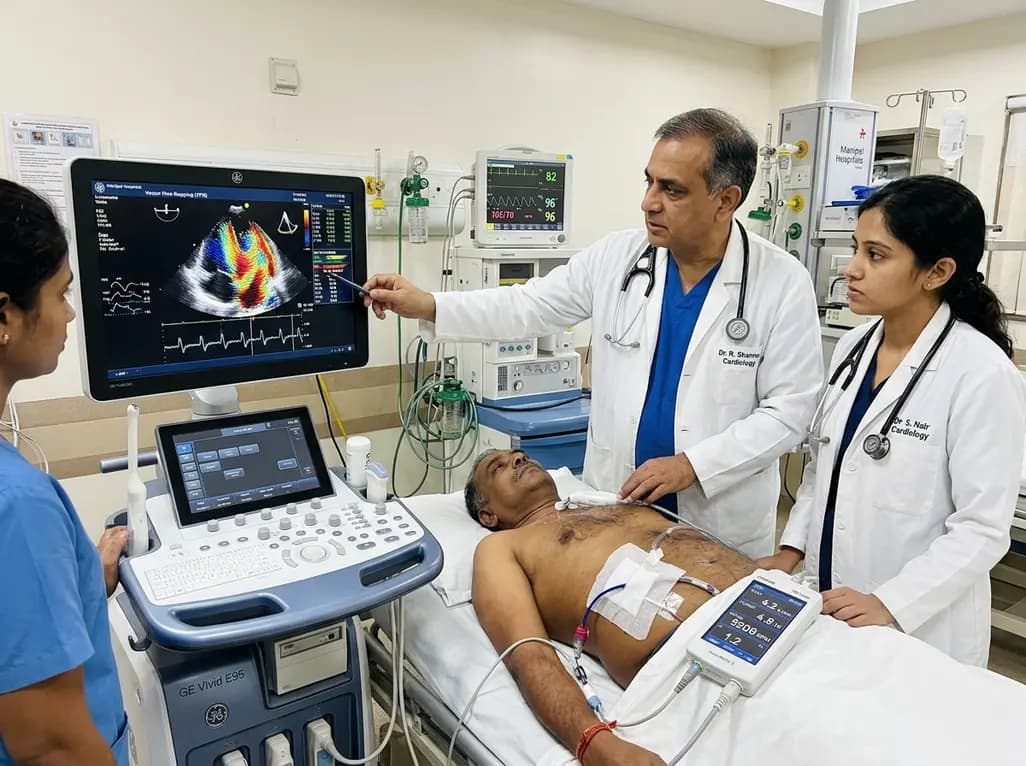
A pilot study shows that transesophageal echocardiography with vector flow mapping measures intraventricular energy loss in HeartMate 3 LVAD recipients. Energy loss significantly correlates with controller-displayed pump flow, offering clinicians deeper insights into ventricular unloading and intracardiac fluid mechanics.
Today

A comparative study demonstrates that simple and complex labral tears achieve comparable functional outcomes and low recurrence rates following arthroscopic stabilization for anterior shoulder instability, despite differing clinical presentations and dislocation histories.
Today

A nationwide analysis shows that inpatient lifestyle counseling for type 2 diabetes remains remarkably underutilized despite modest gains. Clinicians must bridge persistent demographic disparities and integrate structured dietary and exercise counseling into routine hospital discharge workflows.
Today
