.webp&w=384&q=75)

Loading, please wait...
Loading, please wait...

Adolescence represents a critical developmental period characterized by rapid cognitive growth and personal identity consolidation. During this stage, young people navigate who they are and where they belong in society. Consequently, fostering adolescent resilience is essential to protect vulnerable youth from chronic psychosocial adversity, emotional distress, and environmental challenges.
During adolescence, identity consolidation forms the foundation of healthy psychological development. Ethnoracially minoritized youth face a developmental landscape influenced by systemic inequities and societal bias. Consequently, developing a clear self-concept requires active navigation of stereotypes, cultural heritage, and group belonging. When adolescents establish a strong ethnic-racial identity, they anchor themselves within a positive social framework. Therefore, this self-understanding generates an internal psychological buffer against chronic social rejection.
Researchers identify several vital components of ethnic-racial identity, including racial centrality, private regard, and exploration of heritage. For instance, private regard reflects an individual's positive feelings toward their cultural background. When families actively transmit affirmative heritage messaging, adolescents develop pride and belonging. In contrast, youth lacking positive cultural socialization often internalize societal discrimination. Furthermore, empirical studies confirm that strong cultural regard improves emotional regulation during stressful events. Adolescents who possess clear cultural grounding show higher self-esteem, healthier peer relationships, and superior academic persistence. As a result, fostering cultural self-efficacy early in development directly bolsters adolescent resilience against emerging psychiatric challenges and affective disorders.
Adolescent brain development involves dynamic restructuring within limbic and prefrontal neural circuits. However, chronic exposure to systemic inequities, discrimination, and marginalization acts as a persistent neurobiological stressor. Repeated encounters with social exclusion stimulate continuous hypothalamic-pituitary-adrenal axis activation. Consequently, chronically elevated cortisol levels disrupt normative synaptic pruning and prefrontal functional connectivity. Therefore, affected young people demonstrate an increased risk for severe depressive episodes and generalized anxiety disorders.
Moreover, racialized stressors exert profound negative effects on adolescent emotional equilibrium. Minors frequently encounter microaggressions, stereotyping, and structural barriers in school environments. These recurring invalidations erode psychological safety and community belonging. In addition, persistent social stress fuels depressive rumination, emotional exhaustion, and somatic distress. Without supportive interventions, adolescents may adopt avoidant coping mechanisms that worsen mental health trajectories. Nevertheless, supportive social environments effectively disrupt these damaging pathways. When caregivers deliver proactive cultural support, they attenuate physiological stress responses and lower inflammatory markers. As a result, culturally grounded care protects developing neurobiological systems from chronic environmental hostility and psychiatric morbidity.
Ethnic-racial socialization encompasses the practices through which parents and communities convey cultural heritage and coping skills. Developmental frameworks identify four primary dimensions within this process: cultural socialization, preparation for bias, promotion of mistrust, and egalitarianism. Among these strategies, cultural socialization yields the most beneficial mental health outcomes. For example, open discussions about cultural heritage instill lasting pride and psychological belonging.
Furthermore, proactive preparation for bias equips adolescents with adaptive cognitive appraisal tools. By understanding structural inequities, youth view discriminatory encounters as societal deficits rather than personal shortcomings. Therefore, preparation for bias prevents self-stigmatization and reduces depressive symptoms. However, clinicians must distinguish constructive preparation for bias from the promotion of pervasive mistrust. Excessive mistrust frequently elevates baseline vigilance and strains interpersonal relationships across community settings. In contrast, balanced parental messaging promotes self-worth while encouraging constructive social participation. Additionally, clinicians should assess these socialization practices during routine psychiatric evaluations to optimize individualized treatment plans and guide supportive family counseling.
Although ethnic-racial socialization models originated in Western literature, their fundamental principles apply globally. In diverse nations like India, youth navigate complex cultural matrices involving caste, language, religion, and regional heritage. Consequently, marginalized adolescents frequently face systemic disparities and social stigma that mirror racialized stressors. When family systems foster cultural pride, adolescents build resilient psychological identities that protect their emotional wellbeing.
Similarly, pediatricians and psychiatrists across India encounter adolescents experiencing social alienation, migration stress, and identity confusion. For instance, rural-to-urban youth migration often triggers acute social displacement and school-based alienation. Therefore, incorporating cultural socialization principles offers valuable clinical utility. Healthcare professionals must recognize cultural identity as a vital protective asset rather than a cultural obstacle. Moreover, clinician-led family guidance can encourage parents to discuss ancestral strengths constructively. By reinforcing pride in local traditions, families help adolescents withstand peer pressure and social exclusion. Consequently, cross-cultural applications of socialization models significantly enhance youth resilience globally and support long-term psychosocial adjustment.
Integrating cultural socialization into routine psychiatric and pediatric workflows requires culturally humble, structured strategies. First, clinicians should evaluate cultural identity during clinical intake assessments. For example, physicians can ask adolescents about their connection to their heritage and how external discrimination influences their mood. In addition, healthcare providers must validate reported experiences of marginalization without pathologizing normal emotional distress.
Furthermore, collaborative family psychoeducation provides an effective pathway to build adolescent resilience. Clinicians can guide caregivers to share cultural narratives, ancestral histories, and adaptive coping mechanisms during therapy sessions. Additionally, medical teams should connect vulnerable adolescents with community mentorship programs, youth cultural groups, and peer support networks. These community affiliations strengthen belonging and buffer against social isolation. Finally, pediatricians must advocate for inclusive policies within schools and healthcare organizations. Addressing individual psychological needs alongside broader systemic disparities establishes a supportive foundation for enduring health. As a result, adolescents acquire the emotional strength necessary to thrive despite adversity and achieve long-term developmental success.
A strong ethnic-racial identity fosters a clear sense of belonging, personal pride, and positive self-worth. Consequently, this cultural anchor buffers adolescents against systemic discrimination and negative stereotypes. Moreover, it reduces chronic neuroendocrine stress, enhances cognitive emotional regulation, and lowers the incidence of clinical depression and generalized anxiety disorders in minoritized youth.
Clinicians actively assess cultural identity, validate experiences of discrimination, and guide families toward constructive socialization practices. Additionally, healthcare providers help parents distinguish between healthy bias preparation and maladaptive mistrust. By incorporating cultural strengths into psychiatric care plans, clinicians empower adolescents with positive coping strategies and improved psychological resilience against external social adversity.
Yes, these principles translate effectively to diverse sociocultural settings across India. Indian youth often encounter stressors related to caste, linguistic identity, socioeconomic status, and regional heritage. Therefore, fostering cultural pride, open familial communication, and institutional inclusion helps young people build resilience, withstand social stratification, and maintain positive psychological wellbeing.
Disclaimer: This content is for informational and educational purposes only... Refer to the latest local and national guidelines for clinical practice.
References
Baker AE Editorial: The Power of Racial-Ethnic Socialization in Promoting Adolescent Resilience. J Am Acad Child Adolesc Psychiatry. 2025 Oct. doi: 10.1016/j.jaac.2025.02.016. PMID: 40058487.
Umaña-Taylor AJ, Quintana SM, Lee RM, et al. Ethnic and racial identity during adolescence and into young adulthood: An integrated conceptualization. Child Dev. 2014;85(1):21-39. doi: 10.1111/cdev.12196.
Sagar R, Patra BN, Patil V. Clinical practice guidelines for the management of adolescent mental health conditions. Indian J Psychiatry. 2019;61(Suppl 2):263-275.

Read summarized clinical updates, watch expert medical content, and earn CME certifications right from your smartphone.
Open your smartphone camera to scan and install.





Ethnic-racial socialization fosters pride, belonging, and adaptive coping in minoritized youth. By buffering against discrimination and systemic inequities, strong cultural identity promotes adolescent resilience and reduces long-term risks for anxiety and depressive disorders in pediatric populations.
Today

A prospective comparative study shows intravenous N-acetylcysteine significantly reduces hospital stay, accelerates transaminase clearance, and promotes platelet recovery in dengue patients with marked aminotransferase elevation (≥400 U/L).
Today
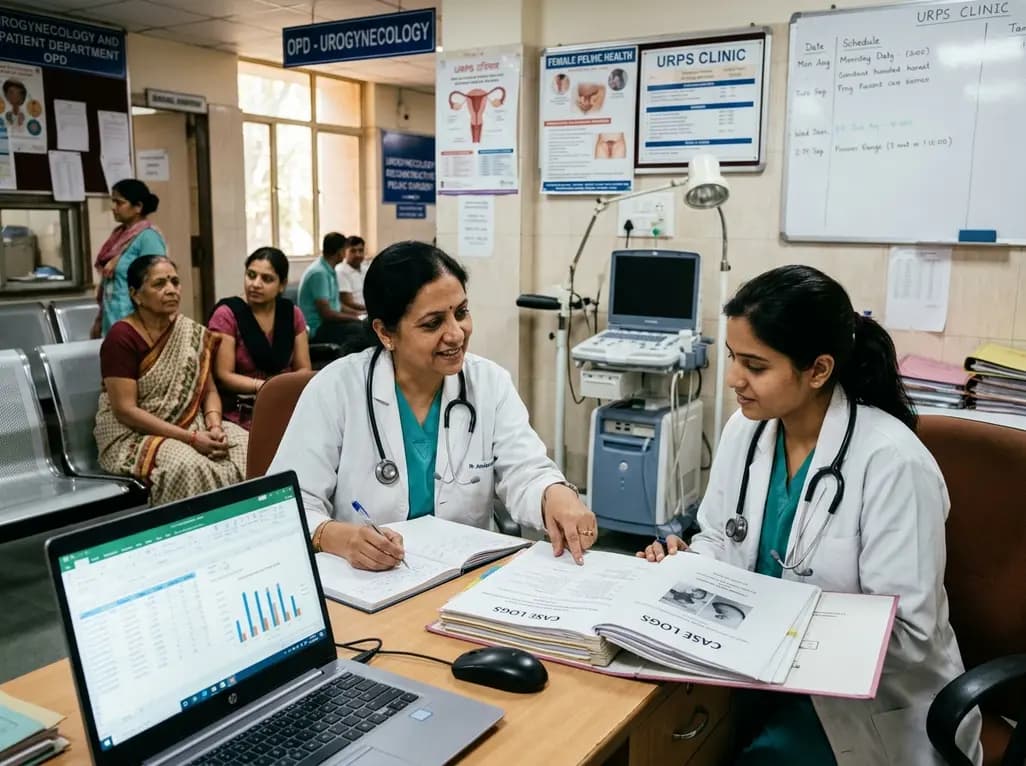
A ten-year cohort study of ABU case logs reveals that URPS fellowship training significantly drives higher annual case volumes, advanced surgical complexity, and increased female representation in pelvic floor reconstruction, underscoring the vital need for structured subspecialty training.
Today
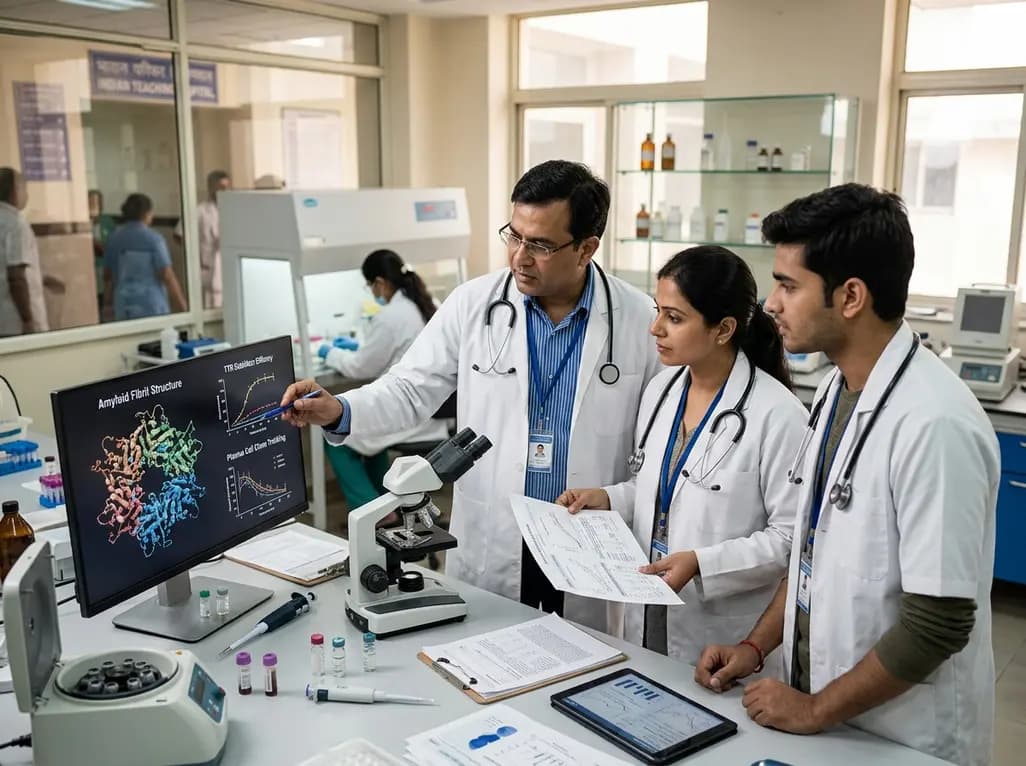
Systemic amyloidosis management is undergoing a therapeutic revolution. This clinical review synthesizes updates from the International Society of Amyloidosis, detailing novel plasma cell therapies, TTR stabilizers, silencers, translational models, and artificial intelligence in drug development.
Today
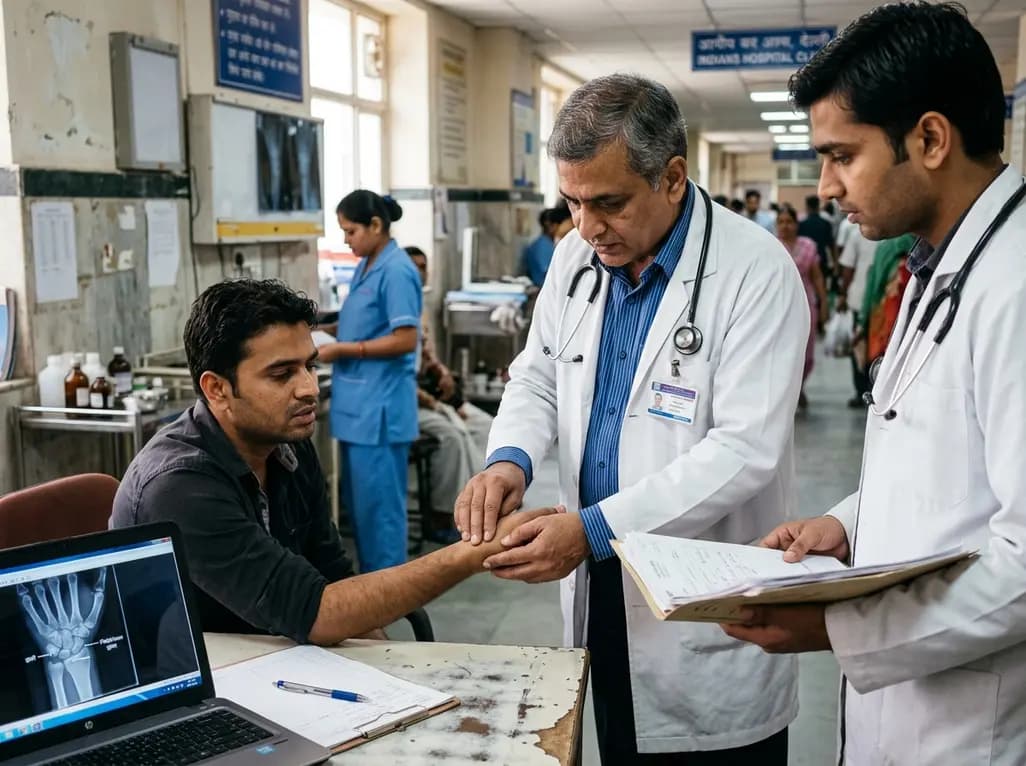
Posttraumatic pisotriquetral instability is a rare wrist injury causing severe hypothenar pain and weakness. Explore clinical examination, imaging, and pisiformectomy.
Today
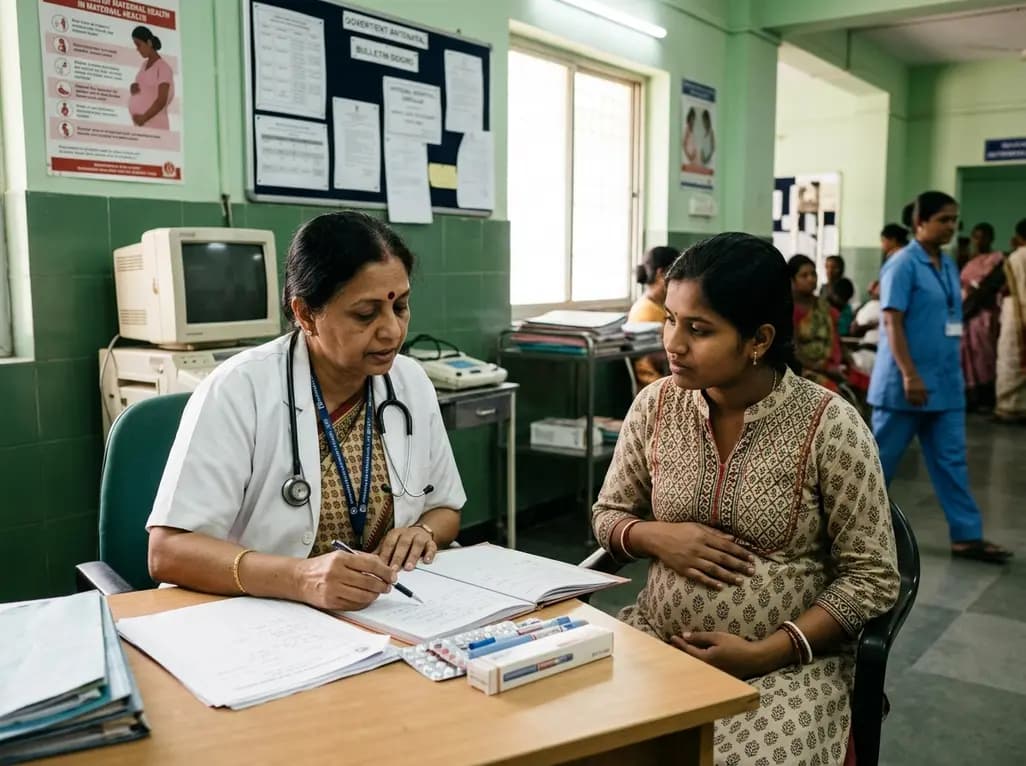
A comprehensive review analyzes periconceptional GLP-1 receptor agonist exposure, revealing reassuring data on congenital anomalies and adverse perinatal outcomes while emphasizing the need for cautious patient counseling.
Yesterday
