.webp&w=384&q=75)

Loading, please wait...
Loading, please wait...
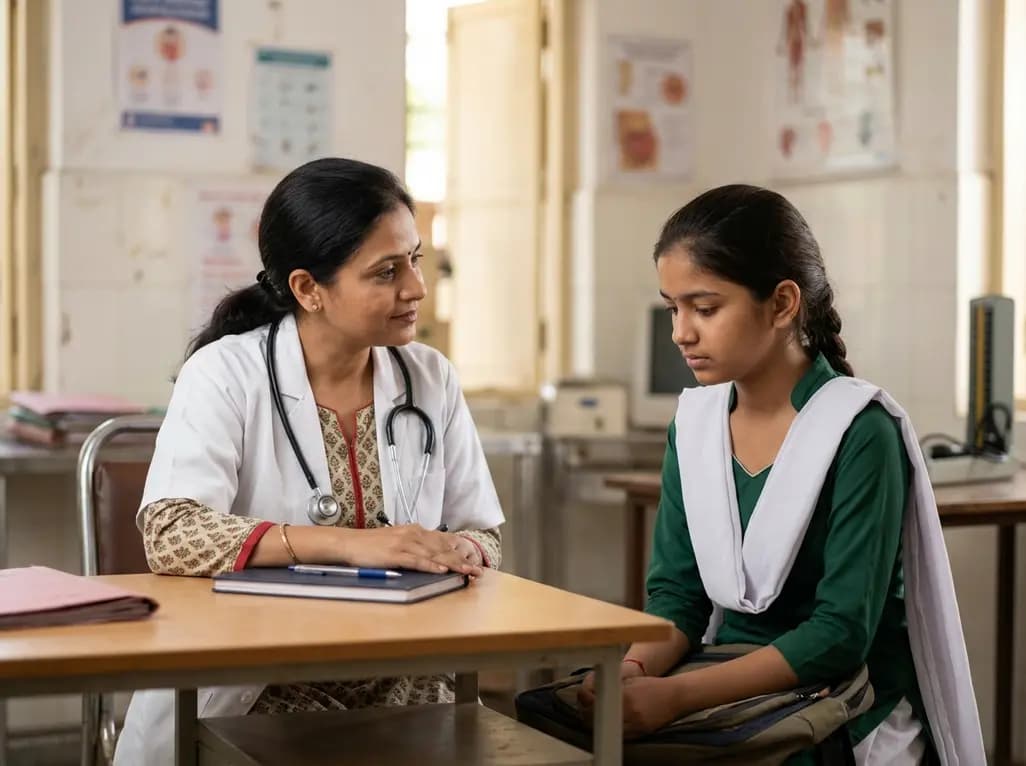
Mental health challenges among adolescents represent a burgeoning global crisis, particularly within low- and middle-income nations where professional resources are often scarce. Recently, medical researchers have focused on developing scalable adolescent mental health interventions to address this critical gap. In Kenya, the Shamiri intervention emerged as a promising solution delivered by lay providers. However, the onset of the COVID-19 pandemic introduced unprecedented stressors, including government-mandated school closures and an intensely compressed academic calendar. This specific study investigated how these interventions performed under such immense pressure. Interestingly, the results offered a highly nuanced view of how contextual relevance dictates the success of psychological support systems. Adolescent mental health interventions must adapt to the specific environment where youth function daily to be truly effective. By evaluating a comprehensive 5-arm randomized controlled trial, clinicians can better understand which components of mental health support are most effective during periods of extreme academic strain. Consequently, this research provide a vital roadmap for developing scalable interventions that prioritize the immediate needs of students while simultaneously fostering long-term psychological resilience.
The Shamiri intervention is meticulously designed as a multi-component program delivered by trained lay providers rather than high-cost specialists. It focuses on three core psychological pillars: growth mindset, gratitude, and values affirmation. A growth mindset encourages adolescents to view their intelligence and abilities as malleable qualities that can improve with consistent effort. This specific perspective is particularly helpful for youth facing significant academic setbacks. Secondly, the gratitude component prompts students to identify and appreciate positive aspects of their lives, which can effectively buffer against depressive symptoms. Finally, values affirmation helps adolescents connect with their core principles, providing a sense of identity and purpose during turbulent times. In this 5-arm trial, researchers decoupled these elements to see if single components could match the full intervention\'s efficacy. While previous trials showed the full Shamiri program significantly outperformed control groups, the pandemic-era results introduced a fascinating variable. Each component targets specific cognitive pathways, yet their synergy is often what drives clinical significance in standard settings. Understanding these adolescent mental health interventions requires a deep dive into how these psychological mechanisms interact with external environmental stressors.
One of the most striking findings of the recent trial was the performance of the study skills control group. Traditionally, study skills are viewed as a neutral active control, meant to provide a baseline for comparison against more intensive psychological interventions. However, when the Kenyan government mandated a compressed curriculum, the contextual relevance of study skills skyrocketed. This shift highlights a critical lesson for adolescent mental health interventions: timing and environment matter immensely for clinical outcomes. Students under extreme academic pressure found that learning how to manage their workload directly reduced their anxiety and depression. The study skills condition resulted in a 31% greater reduction in anxiety and a 60% greater reduction in depression compared to pre-pandemic trials. This suggests that when environmental stressors are primarily academic, providing practical tools for academic success can be as therapeutic as traditional psychological counseling. This does not diminish the value of psychotherapy but emphasizes that interventions should address the most pressing pain points in a student\'s life. Furthermore, it demonstrates that clinical benefits can often arise from unexpected, non-clinical sources if the context is appropriate.
The longitudinal data from this randomized controlled trial provided a comprehensive view of symptom trajectories over an eight-month period. All intervention groups, including the study skills control, showed significant improvements in anxiety, depression, and overall well-being. These improvements were noted at the midpoint, endpoint, and through various follow-up intervals. Specifically, depression scores showed a marked decrease by the endpoint, with sustained benefits even after eight months of monitoring. Similarly, well-being scores rose significantly, reflecting a broader improvement in the participants\' quality of life and social functioning. The fact that the Shamiri intervention maintained its effectiveness despite the increased academic pressure is a testament to its robust design and adaptability. Nevertheless, the lack of significant difference between the intervention groups and the control suggests a potential ceiling effect or a shared therapeutic benefit. For researchers, this means that adolescent mental health interventions might work through multiple, overlapping pathways. The data clearly suggests that simply providing a structured, supportive environment for skill-building can have profound clinical benefits for adolescents in crisis. Consequently, clinicians should value diverse approaches to mental health support.
For clinicians in India, these findings are particularly resonant and timely. The Indian education system is renowned for its high-stakes examinations and the intense psychological pressure placed on adolescents. Often, Indian students face similar compressed schedules or the immense burden of coaching for competitive entrance exams like NEET or JEE. Integrating adolescent mental health interventions with practical study skills could be a game-changer in the Indian healthcare landscape. Instead of separating academic support from psychological counseling, a holistic approach may yield better results for the patient. Pediatricians and psychiatrists should consider recommending structured study programs alongside traditional therapy for students exhibiting school-related anxiety. Furthermore, the success of lay providers in the Shamiri trial offers a scalable model for addressing the shortage of mental health professionals in India. Utilizing trained mentors or teachers to deliver basic psychological components can help bridge the gap in rural and urban settings alike. By focusing on contextual relevance, such as time management and exam preparation, practitioners can meet students where they are. This strategy effectively addresses the immediate source of stress while building the resilience needed for long-term mental health.
Looking ahead, the future of adolescent mental health interventions lies in their adaptability and scalability across different cultures. The Kenyan trial demonstrates that when youth are under extreme pressure, the most relevant intervention may not always be the most clinical one. As we move further into the post-pandemic era, it is clear that the boundaries between academic guidance and mental health support are blurring. Future research should explore how to hybridize these approaches to maximize community impact. The Shamiri trial serves as a vital reminder that interventions must be evaluated within their specific socio-political and economic contexts. For the medical community, this means advocating for school-based programs that provide a variety of tools, from mindfulness to efficient note-taking. By broadening our definition of what constitutes a therapeutic intervention, we can provide more effective support to a wider range of adolescents. Ultimately, the goal is to create a supportive ecosystem where youth feel equipped to handle both their internal emotional states and their external academic demands. This study provides a vital foundation for that mission and encourages global collaboration in adolescent care.
The Shamiri intervention is unique because it uses lay providers to deliver evidence-based psychological components like gratitude and growth mindset. This study-skills-integrated approach makes it highly scalable in resource-limited settings. It focuses on empowering adolescents with simple, actionable tools that foster long-term mental resilience and improved emotional well-being.
Yes, this trial demonstrated that when academic pressure is the primary stressor, study skills can significantly reduce depression symptoms. By providing students with the tools to manage their workload, the intervention addresses the root cause of their distress, leading to a 60% greater reduction in depression compared to previous trials.
Indian practitioners can integrate academic coaching and time-management strategies into their mental health treatment plans for adolescents. Given the high-pressure nature of Indian schooling, addressing academic efficacy alongside psychological therapy can improve outcomes. Additionally, adopting lay-provider models could help expand mental health access in underserved Indian regions.
Disclaimer: This content is for informational and educational purposes only and does not constitute medical advice. Always seek the advice of a physician or other qualified health provider with any questions you may have regarding a medical condition. Refer to the latest local and national guidelines for clinical practice.
References
Venturo-Conerly KE et al. Testing the Shamiri Intervention and Its Components With Kenyan Adolescents During the COVID-19 Pandemic: Outcomes of a Universal, 5-Arm Randomized Controlled Trial. J Am Acad Child Adolesc Psychiatry. 2025 Jul. doi: 10.1016/j.jaac.2024.04.015. PMID: 38851382.
"
Read summarized clinical updates, watch expert medical content, and earn CME certifications right from your smartphone.
Open your smartphone camera to scan and install.





A 5-arm randomized controlled trial of 1,252 Kenyan adolescents explores the efficacy of the Shamiri intervention and study skills in reducing anxiety and depression during high-pressure academic periods. Discover why contextual relevance is key for mental health support.
3 months ago

Novel diimide and hydrazone scaffolds, particularly compound #C4, synergistically reactivate latent HIV-1 when combined with JQ1 or PKC activators. Demonstrating donor-matched proviral transcription ex vivo and non-canonical signaling, these findings advance shock and kill strategies toward reservoir eradication.
Today

A cross-sectional study reveals that maternal RSV vaccination coverage reached only 43.7% in Argentina, with maternal vaccine knowledge being the sole independent predictor of uptake. Clinicians play a crucial role in eliminating informational and structural barriers to optimize infant health.
Today

Review how tailored exercise programs benefit frail older patients with heart failure. Explore pathophysiological mechanisms, individualized training prescriptions, and strategies to overcome adherence barriers in clinical practice.
Yesterday

This comparative study evaluates posterior labral tears with and without glenohumeral instability, highlighting distinct demographic patterns, MRI underestimation in stable shoulders, and successful arthroscopic repair outcomes.
Yesterday

A clinical study demonstrates that early intervention with tocilizumab, either as monotherapy or bridged with corticosteroids, achieves significant proptosis reduction and resolves active inflammation in treatment-naive thyroid eye disease.
Yesterday
